
Omolio Folk-Agricultural Showroom Marinos Antipas
Omolio Folk-Agricultural Showroom Marinos Antipas
Omolio is a historical settlement of the Municipality of Agia surrounded by great natural beauty. Located in a central location, 40 km from the capital of the Larissa regional administration, just three kilometers from the Athens-Thessaloniki national road and at a minimum distance from the sea. According to Homer, the city participated in the Amphictyony of Delphi, while the mint of Ancient Omoli was one of the greatest in central Greece. The ruins of this ancient city and citadel still remain close to current Omolio.
Conditions brought the village back close to major historical events. This is the soil in which Marinos Antipas is buried, one of the most important figures of Greece in the fight to defend civil liberties. When Antipas came to Thessaly, where he took over as caretaker of the property of his uncle, he changed social conditions in the region. Although he was in a position of strength, he deleted agricultural debts, applied Sunday as a day off and set the remuneration of tenant farmers based on 75% of production (instead of 25% as was up to then in force). His murder was the natural consequence in a place dominated by lthe andowners of the time.
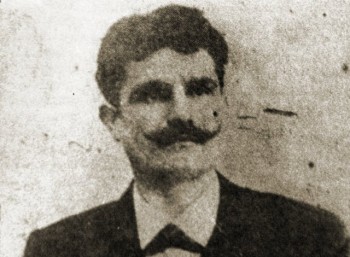
Μαρίνος Αντύπας / Marinos Antypas
Nowadays, the local community commemorates him, recognizing his contribution to changing social conditions, both in the region and across the country. It built a modest monument erected in Omolio where events are held every year in memory of the great fighter. At the same time, it gave his name to the small museum built in the village: Omolio Folk-Agricultural Showroom Marino Antipas, housed in the former Community chambers, located in the village square.
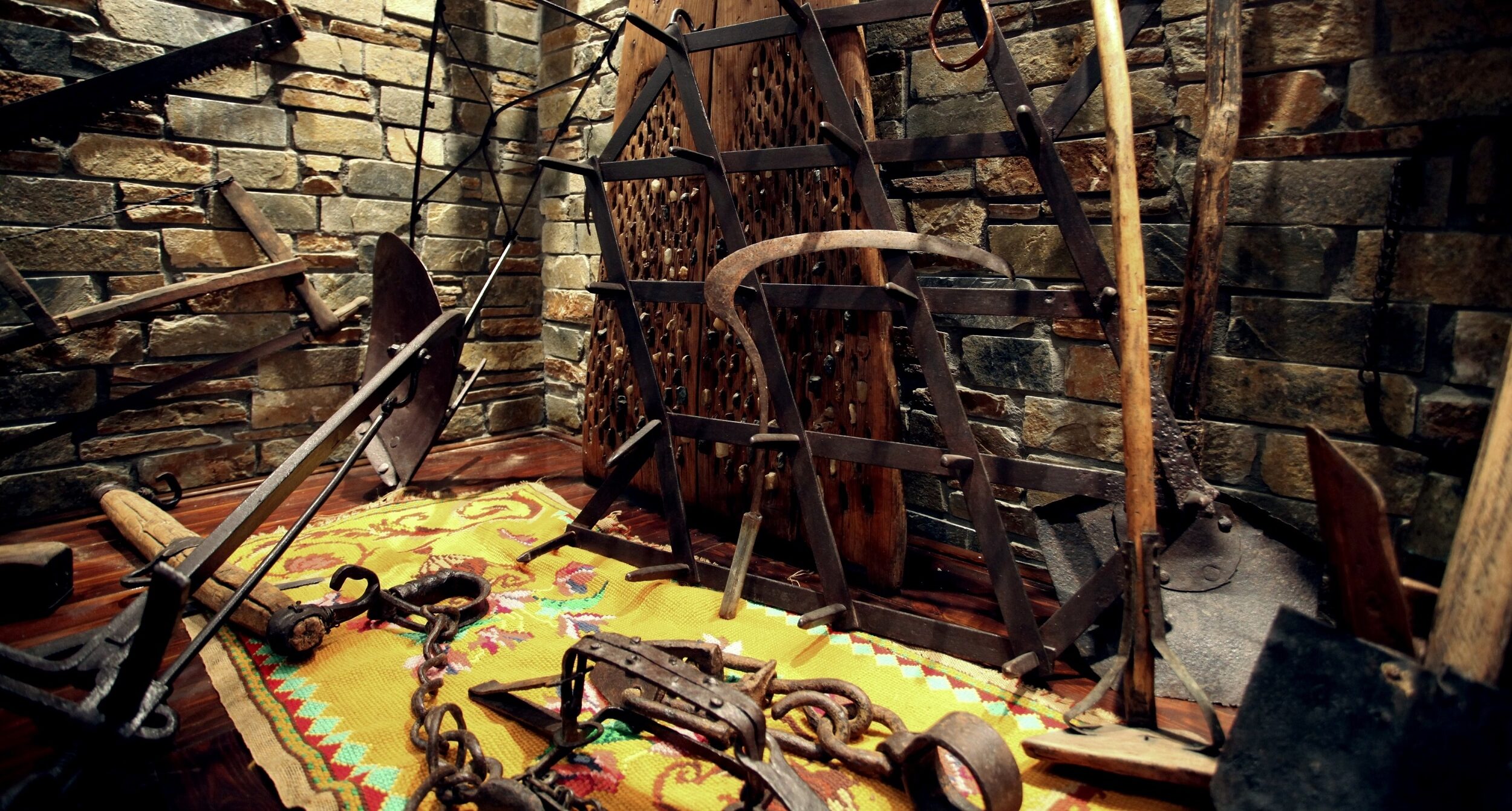
Today, the exhibition presents the tools used by the people for whom Antipas fought. Inaugurated on 18 March 2007 to mark the 100th anniversary of his death (murdered in 1907 in Pirgetos). Premechanical agricultural and foraging tools are hosted in the exhibition venue. Visitors can also admire tools of traditional occupations (fishermen, shoemakers, weavers, etc.) and objects from daily life of local people: handicrafts, embroidery and textiles, utilitarian household items (sofras (low tables), pots, pinakoti (bread levening boards)), local costumes, traditional clothing, woodwork items, postcards and engravings, coins, antique furniture, and a local bisiki (cot).
The collection includes artifacts that may be considered historical documents: a local’s military diary, which describes in detail the experience of the war in Asia Minor, but also photographs of social events and the occupations of the inhabitants. The showroom has a conference hall that holds 50-60 people.
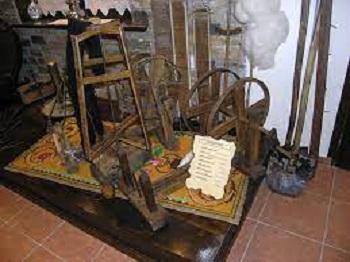
Λαογραφικό-Γεωργικό Εκθετήριο Ομολίου Μαρίνος Αντύπας
Places like the Omolio Folk-Agricultural Showroom Marinos Antipas, although exhibiting objects from earlier times, alsoshow that traditional culture is not a static body of evidence that survives only in a museum. Because on the one hand, tools and materials actually bear witness to the immutable characteristics of an era (available resources, raw materials), however, they also reveal the basic principles of human creativity that lead to evolution. The name of the exhibition reminds us, at the same time, that this creativity should always be developed with concepts such as respecting the principles of human law and social justice.
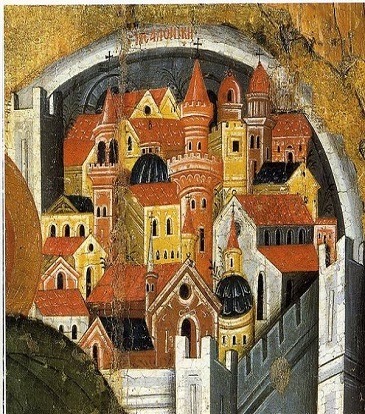
“Education in Byzantine Thessaloniki: Conference at Thessaloniki. 5-7 May 2022
The conference will be attended by renowned university teachers and researchers from Greece and Europe with special knowledge of the issues of education in Byzantine Thessaloniki, in order to contribute to the promotion of the city's intellectual culture at an international level. According to EleniGlyatziArveler, 'Byzantine Thessaloniki is undoubtedly the first city that has the characteristics of Europe. This is because it was the first, being Greek-born, having a glorious Roman past [the existence of its monuments proves this], the first in Europe, this Greco-Roman city received the gospel of Christianity from Paul, the Apostle to ...More

Event for the donation of D. Daskalopoulos’s collection at EMST, at the Guggenheim Museum, at MCA Chicago & at the Tate Gallery.
A large group of important contemporary artworks from the Daskalopoulos Collection is donated to 4 museums in 3 countries on 2 continents, creating an innovative network of synergies. A private collection is transformed into a public good through major public institutions in Athens, Chicago, New York and the United Kingdom. More than 350 works by 142 artists from the Collection make up the Collection, of which 140 are destined for the EMST, around 100 are jointly donated to the Guggenheim and MCA Chicago and 110 to the Tate. The Daskalopoulos Collection is a wide-ranging body of ...More
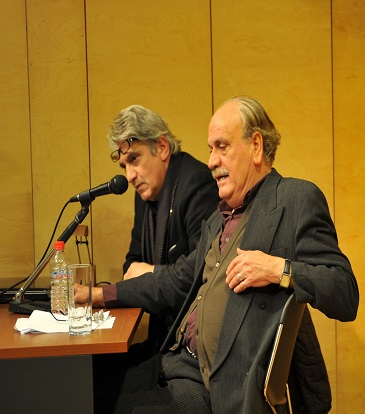
The Archive of Christoforos Liontakis at the Historical Museum of Crete
The Society of Cretan Historical Studies has received an important donation, the Archive of the award-winning poet and translator Christoforos Liontakis, which was added to its Archives on 23.03.2022. The Archive of ChristoforosLiontakis was donated to the H.C.I.M. on the initiative of his legal heir, Mrs. Despina Liontakis, and the persons in charge of the Archive, the philologists Antonis Kartsakis and Dimitris Perodaskalakis, who handed it over having already proceeded to its first classification. Πορτρέτο του ποιητή από το Αρχείο Χριστόφορου Λιοντάκη / Portrait of the poet from the "Christoforos Liontakis Archive" The archive contains ...More
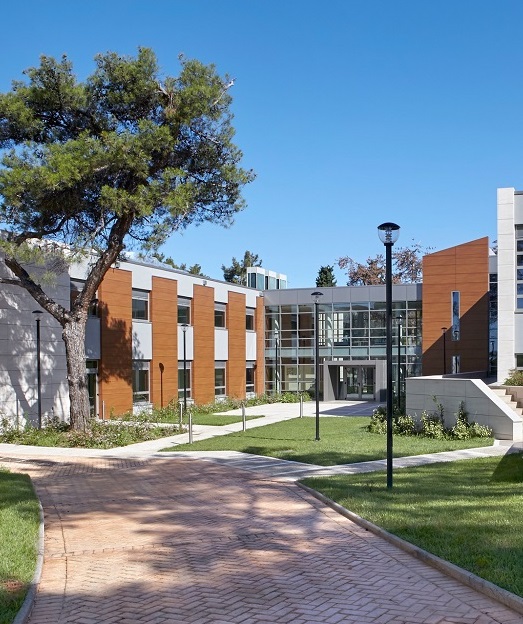
ART CAMPUS 2022 A week in nature for young musicians by the Association of Friends of Music
PERROTIS COLLEGE 11 - 18 July 40 young musicians aged 14-24 (strings, woodwinds, piano) will have the opportunity to share a unique musical experience during the week of 11-18 July, to learn from renowned Greek soloists and pedagogues and to perform in chamber music ensembles, thanks to the Art Campus 2022 programme organized by the Friends of Music Association in collaboration with the Athens Conservatory and the State Conservatory of Thessaloniki.Submit applications by 15 April The programme will be hosted at the state-of-the-art facilities of Perrotis College, in the enchanting landscape of the American Farm School of ...More

Announcement for the vacancy of a specialist project support scientist from the Library of the University of Cyprus
Job title: Specialized Scientist for Project Support No. Position : One post Category: Contract for one year (12 months), renewable up to a total of 2 years (24 months). Full-time (during days and hours determined by the University of Cyprus depending on its needs (including working hours beyond normal working hours for all days of the week). Place of work: University of Cyprus, Nicosia The University of Cyprus is currently accepting applications to fill one (1) full-time position of Project Support Specialist in the Systems and Information Technologies Section of the University of Cyprus Library, Nicosia, Cyprus, ...More
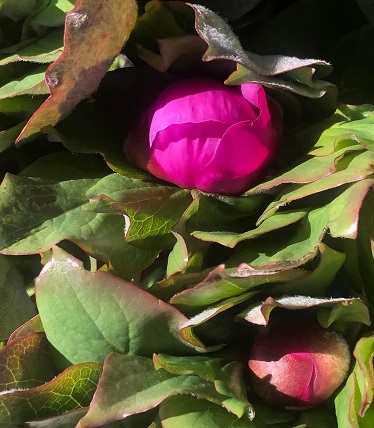
Easter wishes from the team of Days of Art in Greece
Helmis Natural History Museum Peony. (Paeonia mascula) the queen of flowers the herb of .monks. It is a genus of particularly beautiful wildflowers found in the Greek countryside. Pausanias described it as (king of all herbs) while many centuries later the Chinese will call it the king of all flowers. It is one of the most beautiful native herbs of our place. Dioskouridis mentions the noose as a peony. It is a perennial plant that grows in meadows and shady forests. Παιώνια - Μουσείο Φυσικής Ιστορίας Χέλμης / Peony - Helmis Natural History Museum ...More


Leave A Comment