
Omolio Folk-Agricultural Showroom Marinos Antipas
Omolio Folk-Agricultural Showroom Marinos Antipas
Omolio is a historical settlement of the Municipality of Agia surrounded by great natural beauty. Located in a central location, 40 km from the capital of the Larissa regional administration, just three kilometers from the Athens-Thessaloniki national road and at a minimum distance from the sea. According to Homer, the city participated in the Amphictyony of Delphi, while the mint of Ancient Omoli was one of the greatest in central Greece. The ruins of this ancient city and citadel still remain close to current Omolio.
Conditions brought the village back close to major historical events. This is the soil in which Marinos Antipas is buried, one of the most important figures of Greece in the fight to defend civil liberties. When Antipas came to Thessaly, where he took over as caretaker of the property of his uncle, he changed social conditions in the region. Although he was in a position of strength, he deleted agricultural debts, applied Sunday as a day off and set the remuneration of tenant farmers based on 75% of production (instead of 25% as was up to then in force). His murder was the natural consequence in a place dominated by lthe andowners of the time.
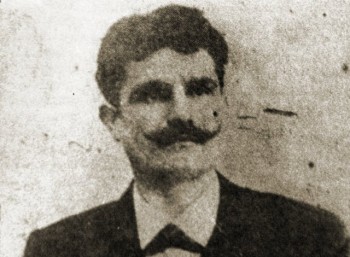
Μαρίνος Αντύπας / Marinos Antypas
Nowadays, the local community commemorates him, recognizing his contribution to changing social conditions, both in the region and across the country. It built a modest monument erected in Omolio where events are held every year in memory of the great fighter. At the same time, it gave his name to the small museum built in the village: Omolio Folk-Agricultural Showroom Marino Antipas, housed in the former Community chambers, located in the village square.
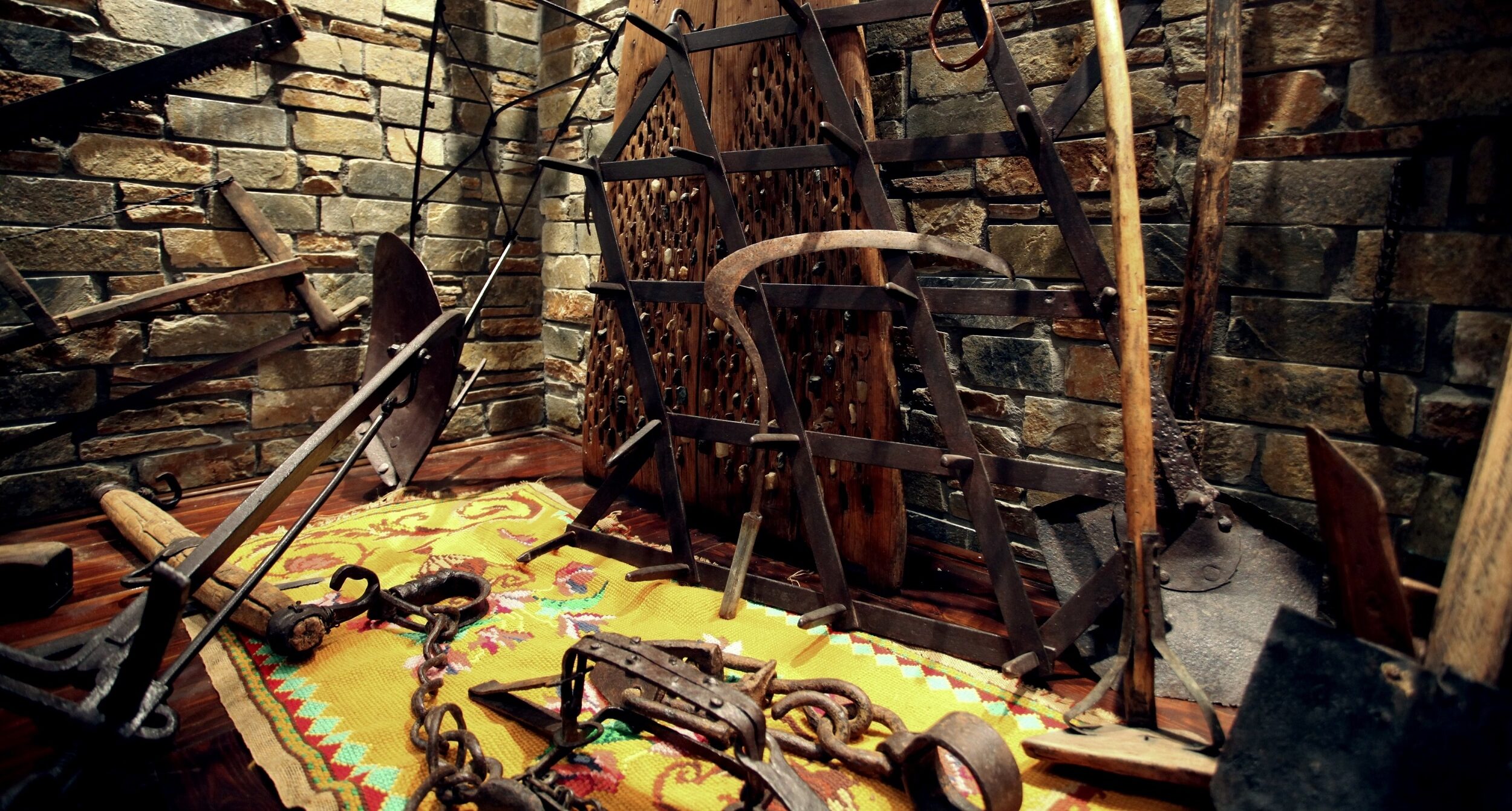
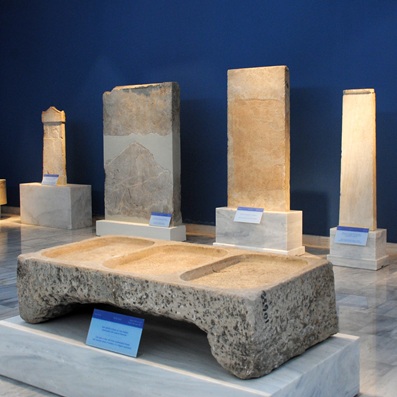
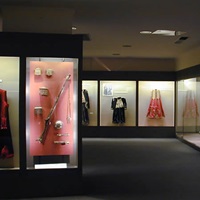
Today, the exhibition presents the tools used by the people for whom Antipas fought. Inaugurated on 18 March 2007 to mark the 100th anniversary of his death (murdered in 1907 in Pirgetos). Premechanical agricultural and foraging tools are hosted in the exhibition venue. Visitors can also admire tools of traditional occupations (fishermen, shoemakers, weavers, etc.) and objects from daily life of local people: handicrafts, embroidery and textiles, utilitarian household items (sofras (low tables), pots, pinakoti (bread levening boards)), local costumes, traditional clothing, woodwork items, postcards and engravings, coins, antique furniture, and a local bisiki (cot).
The collection includes artifacts that may be considered historical documents: a local’s military diary, which describes in detail the experience of the war in Asia Minor, but also photographs of social events and the occupations of the inhabitants. The showroom has a conference hall that holds 50-60 people.
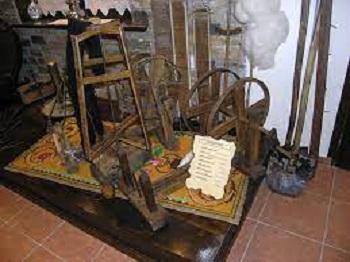
Λαογραφικό-Γεωργικό Εκθετήριο Ομολίου Μαρίνος Αντύπας
Places like the Omolio Folk-Agricultural Showroom Marinos Antipas, although exhibiting objects from earlier times, alsoshow that traditional culture is not a static body of evidence that survives only in a museum. Because on the one hand, tools and materials actually bear witness to the immutable characteristics of an era (available resources, raw materials), however, they also reveal the basic principles of human creativity that lead to evolution. The name of the exhibition reminds us, at the same time, that this creativity should always be developed with concepts such as respecting the principles of human law and social justice.
LLM European Business and Economic Law.
Title: LLM European Business and Economic Law Scientific Disciplines: Law Finance University: Aristotle University of Thessaloniki Language: English Duration: 2 semesters For more information you can visit the website: https://europeanbusiness.law.auth.gr Description The English-speaking LLM Program on “European Business and Economic Law” is a new Master’s program, which will start operating in September 2022. It is an intensive one-year Program that aims to train high-level scholars in the broader field of business and economic law, with an emphasis put on its European ...More
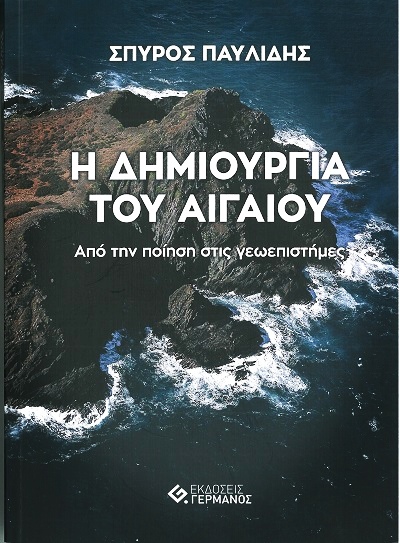
The creation of the Aegean sea, from poetry to geoscience. GERMANOS Publications
Title: The creation of the Aegean sea, from poetry to geoscience Author: Spyros Pavlidis Subject: Science Publications: GERMANOS Date of publication: 2022 Language: Greek Pages: 334 Dialogue with the environment: Earth of the Aegean "every day all the senses in tension, seek the coming of the earthly change. They enter the funnel of space and time, the secrets of earth and man. They bind themselves with perpetual transformation and leave their footprints as a legacy to others. One civilization succeeds another', according to M. Glezos. 'A landscape is not, as some people understand it, a ...More
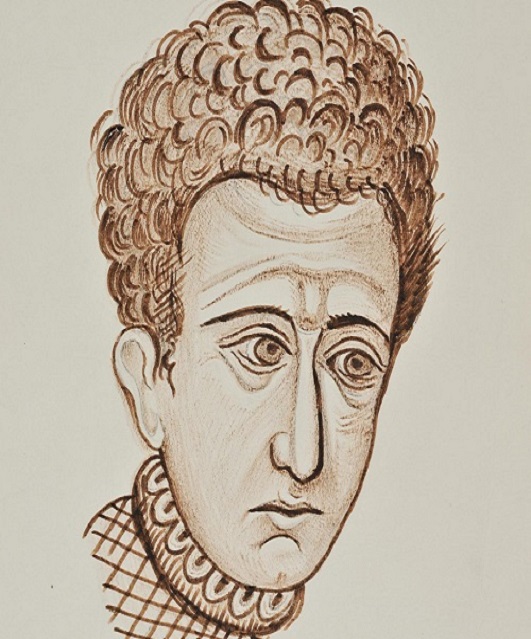
Conference entitled “Visit by Fotis Kontoglou” by the Hellenic Parliament Foundation
The Hellenic Parliament Foundation for Parliamentarism and Democracy is organizing a conference entitled Visit by Fotis Kontoglou on Wednesday, 4 May 2022. Fotis Kontoglou (Aivali, Asia Minor, 1896 - Athens 1965), painter, hagiographer, and writer, was one of the most important and influential creators of the 20th century. He sought and brought to light the tradition of byzantine iconography and imposed it on the iconography of churches. From Aivali, he first moved to Athens and Paris for studies, while after the Asia Minor Catastrophe he forcibly left his homeland forever with the multitude of refugees of ...More
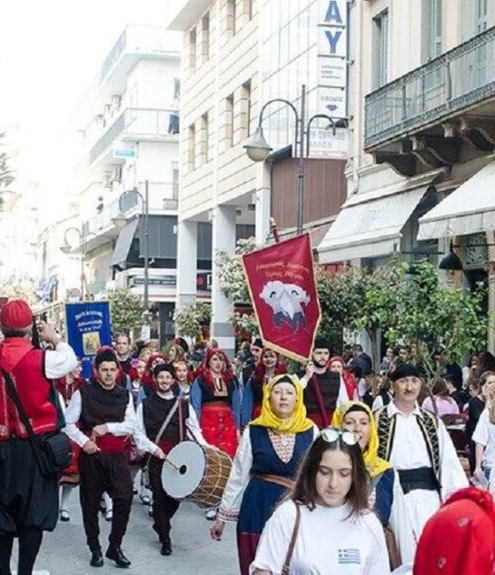
Psilalonia and Omonia the events of the Cultural Organization of Patras for the first of May
Dancing, music, singing and flowers are the weekend's messages of Labour Day and spring. The reference points of the events organized by the Cultural Organization are the squares of Omonia and YpsilonAlonia, where the traditional stalls will be set up. The events begin on Saturday 30 April at 6.30 in the afternoon with the parade of dance groups. The bands will start from the National Resistance Square with songs and dances, they will cross the pedestrian street of RigasFeraiou and through DimitriouGounari they will end up at Ypsila Alonia. From 7.30 in the evening the square ...More

59th Venice Biennale: a review by Margarita Kataga
In the geographical footsteps of Oedipus "On the road to Colonus" The work of Lucia Alavanos at the Greek Pavilion of the 59th Venice Biennale a review by Margarita Kataga "Reading" and then analyzing as a viewer the documentary artwork "On the Road to Colonus", a VR360 virtual reality film by Loukia Alavanos focusing on the Roma community in Nea Zoi Aspropyrgos, thoughts and questions emerge as to the relationship between cultural heritage and fiction, black humour and the fictional element in art, the dystopian element and the truth hidden in the reality of societies ...More
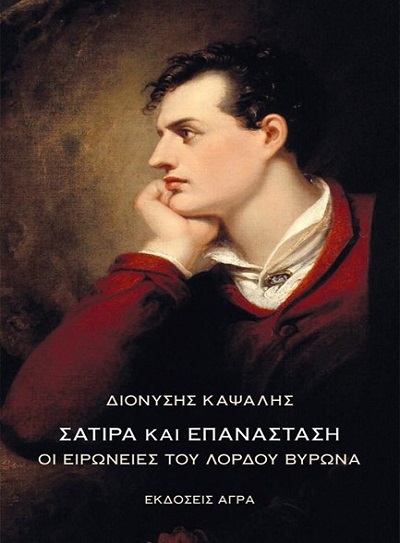
Satire and Revolution. AGRA Publications
Title: Satire and Revolution. AGRA Publications Author: Dionysis Kapsalis Subject: Literature Publication: AGRA Date of publication: 2022 Language: Greek Pages: 80 A new great literary essay by the multiple award-winning DionysisKapsalis (including this year's State Poetry Prize) is published, following last year's essay What Dante meant to them - The buzzing beehive of the "Divine Comedy", which was released on the occasion of the 700th anniversary of the poet's birth. ROMANTIC DON ZOAN is where we can think that the ironic erosion (not the overthrow ) of Romanticism begins. In the face of the claim ...More


Leave A Comment