
Omolio Folk-Agricultural Showroom Marinos Antipas
Omolio Folk-Agricultural Showroom Marinos Antipas
Omolio is a historical settlement of the Municipality of Agia surrounded by great natural beauty. Located in a central location, 40 km from the capital of the Larissa regional administration, just three kilometers from the Athens-Thessaloniki national road and at a minimum distance from the sea. According to Homer, the city participated in the Amphictyony of Delphi, while the mint of Ancient Omoli was one of the greatest in central Greece. The ruins of this ancient city and citadel still remain close to current Omolio.
Conditions brought the village back close to major historical events. This is the soil in which Marinos Antipas is buried, one of the most important figures of Greece in the fight to defend civil liberties. When Antipas came to Thessaly, where he took over as caretaker of the property of his uncle, he changed social conditions in the region. Although he was in a position of strength, he deleted agricultural debts, applied Sunday as a day off and set the remuneration of tenant farmers based on 75% of production (instead of 25% as was up to then in force). His murder was the natural consequence in a place dominated by lthe andowners of the time.
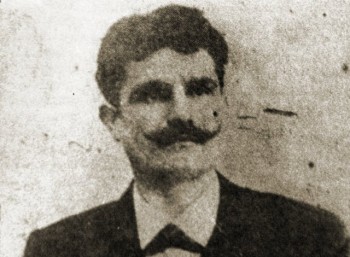
Μαρίνος Αντύπας / Marinos Antypas
Nowadays, the local community commemorates him, recognizing his contribution to changing social conditions, both in the region and across the country. It built a modest monument erected in Omolio where events are held every year in memory of the great fighter. At the same time, it gave his name to the small museum built in the village: Omolio Folk-Agricultural Showroom Marino Antipas, housed in the former Community chambers, located in the village square.
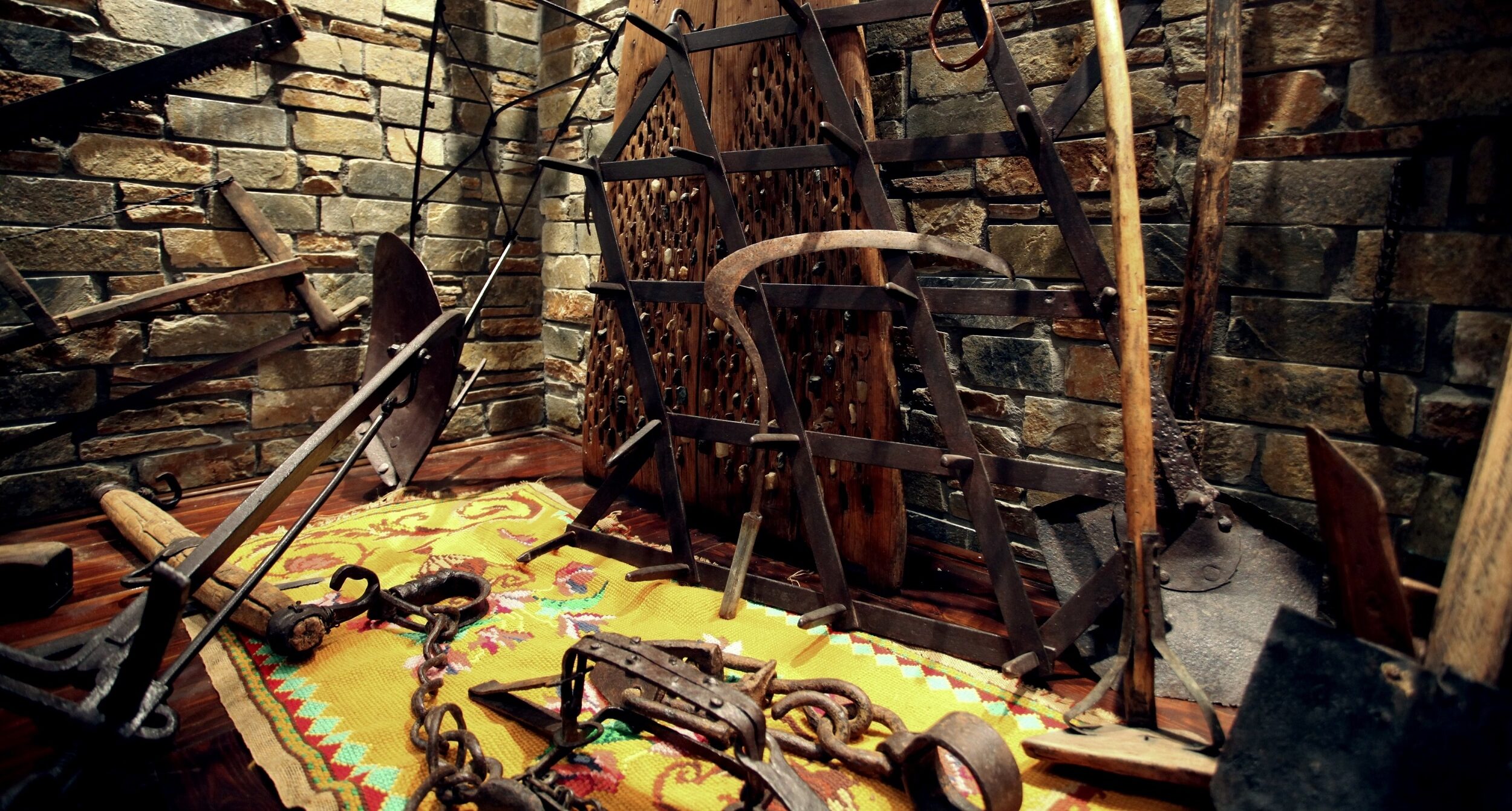
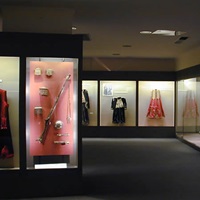
Today, the exhibition presents the tools used by the people for whom Antipas fought. Inaugurated on 18 March 2007 to mark the 100th anniversary of his death (murdered in 1907 in Pirgetos). Premechanical agricultural and foraging tools are hosted in the exhibition venue. Visitors can also admire tools of traditional occupations (fishermen, shoemakers, weavers, etc.) and objects from daily life of local people: handicrafts, embroidery and textiles, utilitarian household items (sofras (low tables), pots, pinakoti (bread levening boards)), local costumes, traditional clothing, woodwork items, postcards and engravings, coins, antique furniture, and a local bisiki (cot).
The collection includes artifacts that may be considered historical documents: a local’s military diary, which describes in detail the experience of the war in Asia Minor, but also photographs of social events and the occupations of the inhabitants. The showroom has a conference hall that holds 50-60 people.
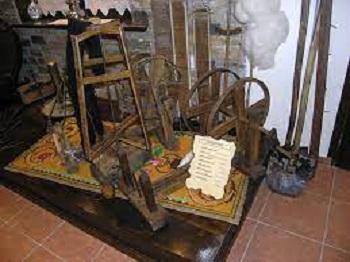
Λαογραφικό-Γεωργικό Εκθετήριο Ομολίου Μαρίνος Αντύπας
Places like the Omolio Folk-Agricultural Showroom Marinos Antipas, although exhibiting objects from earlier times, alsoshow that traditional culture is not a static body of evidence that survives only in a museum. Because on the one hand, tools and materials actually bear witness to the immutable characteristics of an era (available resources, raw materials), however, they also reveal the basic principles of human creativity that lead to evolution. The name of the exhibition reminds us, at the same time, that this creativity should always be developed with concepts such as respecting the principles of human law and social justice.
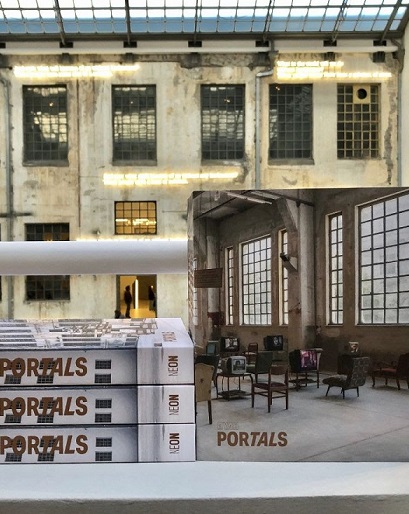
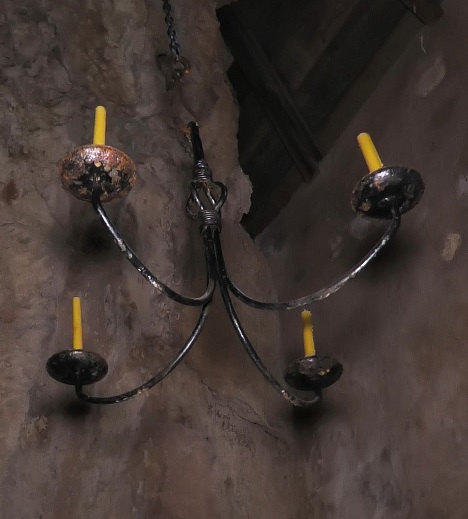
Wishes from the Days of Art in Greece team for beautiful holidays and a happy and creative year
The photos come from the Chapel of Abba Makarios - Orthodox Academy of Crete.
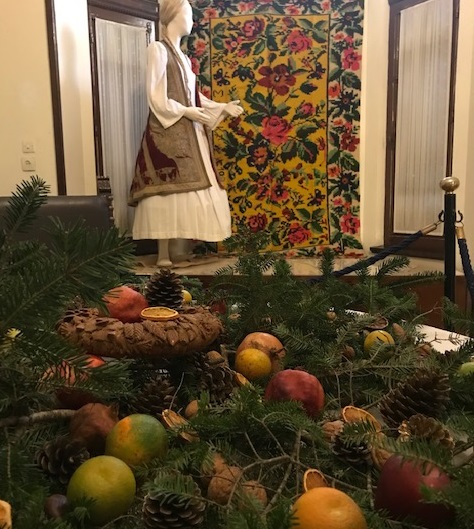
Greek Folklore and the Greek Revolution in the Christmas atmosphere of the Museum of Folk Art and Tradition “Angeliki Chatzimichali” of the Municipality of Athens
The Organization of Culture, Sports and Youth of the Municipality of Athens in the context of the festive events "Christmas in Athens" of the Municipality of Athens, presents until Sunday, January 9, 2022 at the Museum of Folk Art and Tradition "Angeliki Chatzimichali" of Athens Municipality the exhibitions "The calligraphic bedclothes Paleochori, Halkidiki "and the" Tree of Freedom ", strengthening the tradition of the holidays with elements of Greek folklore and the Revolution. In the exhibition "The Calligraphic Bedclothes of Paleochori, Halkidiki" are presented handmade textiles from the region of northern Halkidiki, where the weaving art ...More
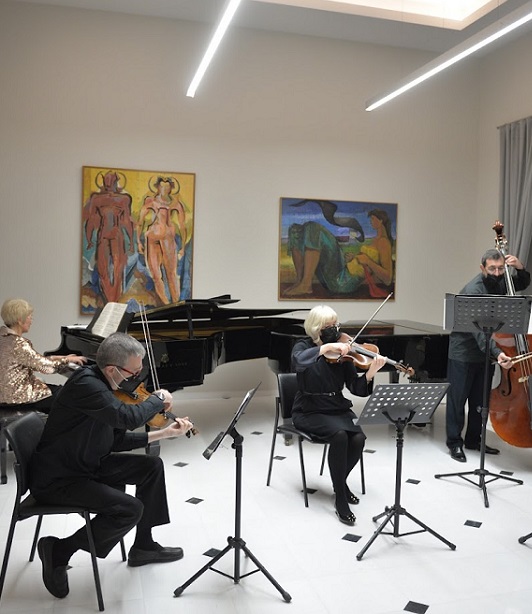
“Christmas is…” by the Cultural Organization of the Municipality of Patras
The events organized by the Cultural Organization of the Municipality of Patras, which will end on Monday, January 3, continue with great success. The program for the next few days is as follows: MONDAY, DECEMBER 27 Event Hall of the Municipal Conservatory - time 20:00 "ALL THAT JAZZ" 1. Gershwin - J. Heifetzen: (3) Preludes, N. Karjinsk: Jazz, W. Grosz: Jazz band, I. Frolov: Piece in Blues Style, G. Gershwin - J. Heifetz: Suite from “Porgy and Bess” , S. Joplin: Ragtime Participants: G. Mavridis (violin), N. Metaxa (piano) Entrance with invitations from the Municipal Conservatory ...More
Christmas for the children at the National Archaeological Museum
The National Archaeological Museum invites young visitors to take part in its specially designed educational activities for the Christmas holidays. The following educational activities will be carried out in more detail: Monday 27 and Wednesday 29 December 2021 for children 6 to 9 years old Search game on the mythical creatures of antiquity accompanied by an art workshop. Monday 27 and Wednesday 29 December 2021 for children 6 to 9 years old Search game on the mythical creatures of antiquity accompanied by an art workshop. Hours: 11:00 - 13:00 Number of children per program: 15 children ...More

Onassis Scholarships 2022-23
The Onassis Foundation announces its annual scholarship programs for the academic year 2022-23. The deadline is on 28 February 2022. Results will be announced after 15 July 2022, through the webpage of the Foundation. Since 1978, the Onassis Foundation has given more than 7,400 scholarships to students, researchers, artists and scientists. For further information regarding the current announcement, the relevant terms, the application process and the supporting documents please review the Frequently Asked Questions and Scholarship Regulation below or contact the Scholarships Department through email: [email protected] or via phone: +30 210 37 13 053, -054, -055, ...More


Leave A Comment