
Omolio Folk-Agricultural Showroom Marinos Antipas
Omolio Folk-Agricultural Showroom Marinos Antipas
Omolio is a historical settlement of the Municipality of Agia surrounded by great natural beauty. Located in a central location, 40 km from the capital of the Larissa regional administration, just three kilometers from the Athens-Thessaloniki national road and at a minimum distance from the sea. According to Homer, the city participated in the Amphictyony of Delphi, while the mint of Ancient Omoli was one of the greatest in central Greece. The ruins of this ancient city and citadel still remain close to current Omolio.
Conditions brought the village back close to major historical events. This is the soil in which Marinos Antipas is buried, one of the most important figures of Greece in the fight to defend civil liberties. When Antipas came to Thessaly, where he took over as caretaker of the property of his uncle, he changed social conditions in the region. Although he was in a position of strength, he deleted agricultural debts, applied Sunday as a day off and set the remuneration of tenant farmers based on 75% of production (instead of 25% as was up to then in force). His murder was the natural consequence in a place dominated by lthe andowners of the time.
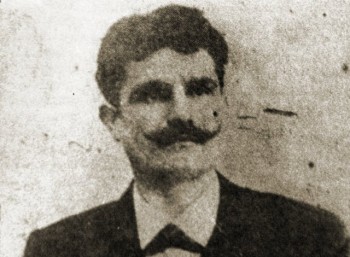
Μαρίνος Αντύπας / Marinos Antypas
Nowadays, the local community commemorates him, recognizing his contribution to changing social conditions, both in the region and across the country. It built a modest monument erected in Omolio where events are held every year in memory of the great fighter. At the same time, it gave his name to the small museum built in the village: Omolio Folk-Agricultural Showroom Marino Antipas, housed in the former Community chambers, located in the village square.
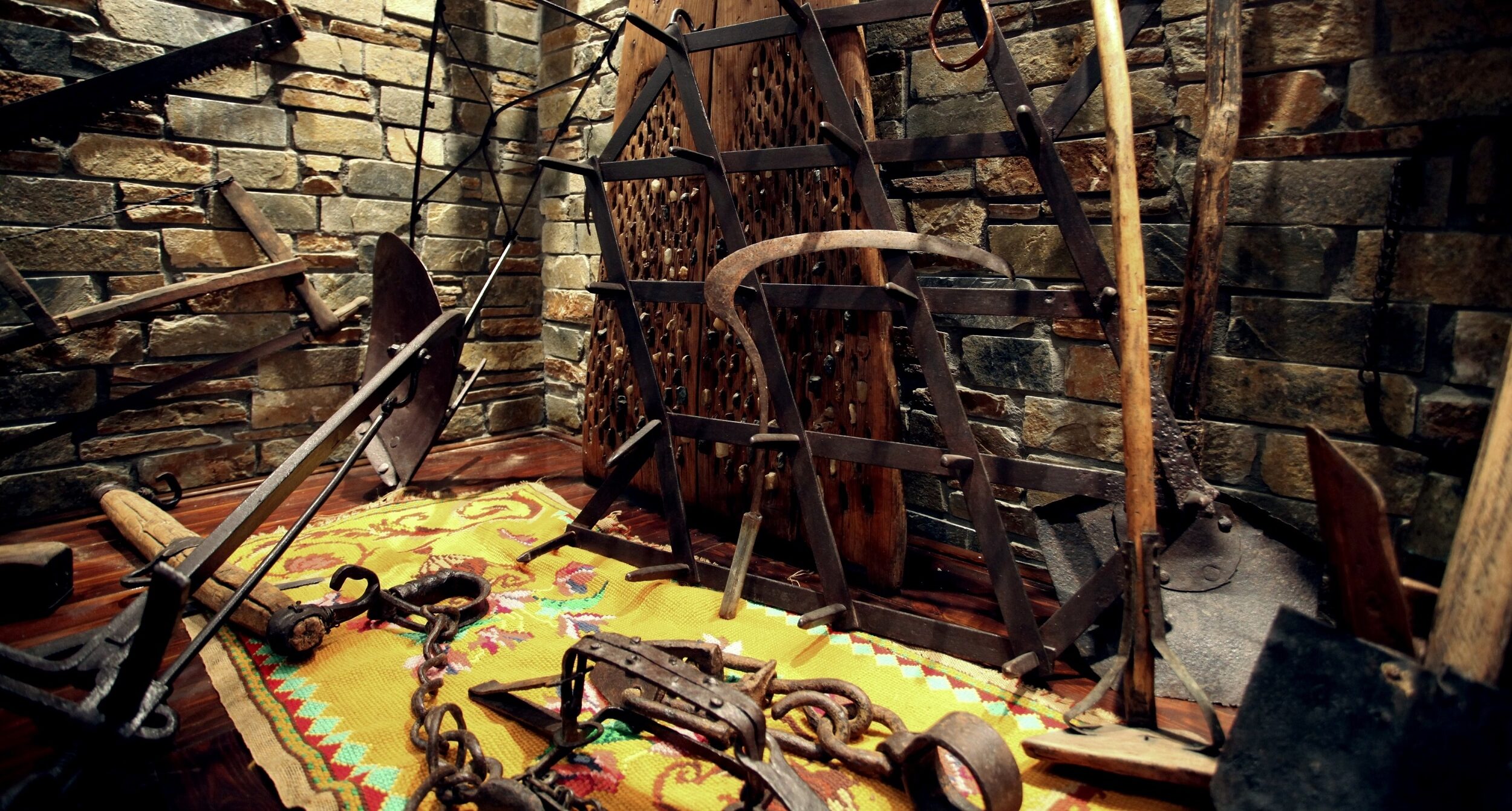
Today, the exhibition presents the tools used by the people for whom Antipas fought. Inaugurated on 18 March 2007 to mark the 100th anniversary of his death (murdered in 1907 in Pirgetos). Premechanical agricultural and foraging tools are hosted in the exhibition venue. Visitors can also admire tools of traditional occupations (fishermen, shoemakers, weavers, etc.) and objects from daily life of local people: handicrafts, embroidery and textiles, utilitarian household items (sofras (low tables), pots, pinakoti (bread levening boards)), local costumes, traditional clothing, woodwork items, postcards and engravings, coins, antique furniture, and a local bisiki (cot).
The collection includes artifacts that may be considered historical documents: a local’s military diary, which describes in detail the experience of the war in Asia Minor, but also photographs of social events and the occupations of the inhabitants. The showroom has a conference hall that holds 50-60 people.
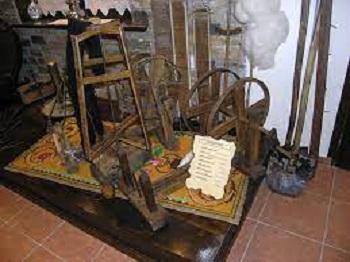
Λαογραφικό-Γεωργικό Εκθετήριο Ομολίου Μαρίνος Αντύπας
Places like the Omolio Folk-Agricultural Showroom Marinos Antipas, although exhibiting objects from earlier times, alsoshow that traditional culture is not a static body of evidence that survives only in a museum. Because on the one hand, tools and materials actually bear witness to the immutable characteristics of an era (available resources, raw materials), however, they also reveal the basic principles of human creativity that lead to evolution. The name of the exhibition reminds us, at the same time, that this creativity should always be developed with concepts such as respecting the principles of human law and social justice.
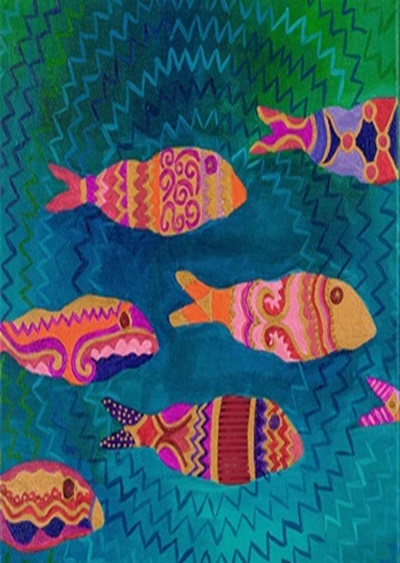
Historical Archive-Museum of Hydra| Exhibition of Katja Nagel-“Arts Aegeo”| 1-28 May 2024
A dive in the waters of the Aegean Sea in May for the visitors of the Historical Archive - Museum of Hydra. "Navigator" is the painter Katja Nagel who presents her works for the first time in Greece. Born in Munich (1963) and raised in Athens, she "returns" to the waters of Greece every time she paints from her studio in Germany. Marine deities, fish and sea creatures are mainly rendered in side view or in swirls in a Popartian manner. A colourful festival that leads the viewer's gaze into a mythical world. Free of historical ...More
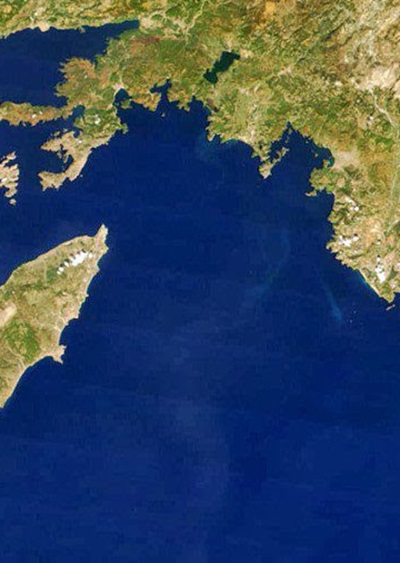
Municipality of Athens| Competition announcement| Vassilis Moskovis Award 2023
The Municipality of Athens, honoring the memory of the prominent Simian writer and donor, Vassilis Moskovis, announces, through the Culture, Sports and Youth Organization of the Municipality of Athens (OPANDA), The competition for the "Vassilis Moskovis Award 2023" addressed to authors of historical, folklore, linguistic and other works that refer to the history and culture of the Dodecanese (as a whole or of a single island). The competition is open to all those who have produced a study/work on the History and Culture of the Dodecanese, which have been published in the last three years, in ...More
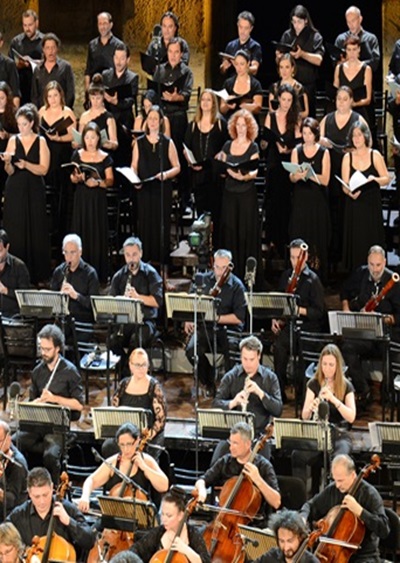
ERT National Symphony Orchestra and Choir| Monday 29 April 2024 at GNO Stavros Niarchos Hall
The Stavros Niarchos Foundation Cultural Center (SNFCC), the ERT National Symphony Orchestra and Choir under the direction of Michalis Economou present Mozart's masterful Requiem, accompanied by some of the most solemn works of the global music literature. The concert, thanks to a donation from the Stavros Niarchos Foundation (SNF), is the last of the Cosmos series for this year's artistic season. Detailed program: J. Cage: 4’33’’G. Mahler: Adagietto from Symphony no.5H. Purcell / D. Mitropoulos: Death of Dido (original and transcription)R. Wagner: Prelude to Tristan and IsoldeW. A. Mozart: Requiem National Symphony Orchestra of ERTERT Choir Vasia Alati, sopranoNefeli Kotseli, mezzo-sopranoGiannis Christopoulos, tenorTasos Apostolou, ...More

MSc Public Health from the University of Patras
Title: Msc Public Health Scientific Discipline: Health University: University of Patras Language of instruction: Greek Duration: 2 semesters For more information you can visit the website: https://publichealth.med.upatras.gr/postgraduate-course-in-public-health/ Description The Postgraduate Studies Program "Public Health" aims to provide a high level of postgraduate education to graduates of HEI and TEI in the field of Public Health and includes the study of the most important contemporary problems of Public Health, the study of ways of prevention and treatment, mainly at the level ...More
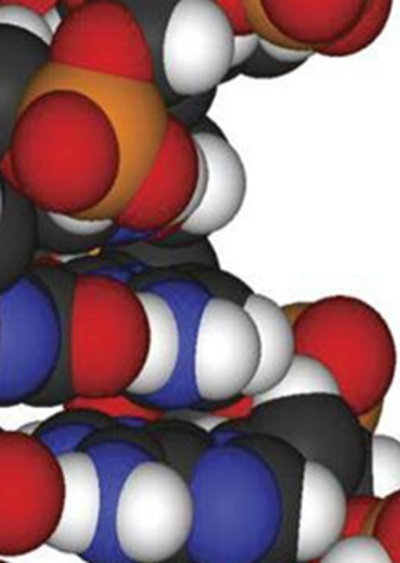
Celebration of World DNA Day at the Aristotle University of Thessaloniki| Introducing students to the science of Biology| 24 and 25 April 2024
On the occasion of the celebration of the World DNA Day (25 April) to commemorate the discovery of the double-stranded DNA (1953) and the completion of the mapping of the human genome (2003), the Department of Biology of the Aristotle University of Thessaloniki, in collaboration with the Panhellenic Union of Bioscientists, is organizing a two-day event on Wednesday 24 and Thursday 25 April 2024, from 9:00 to 13:00, at the Department of Biology of the Aristotle University of Thessaloniki. High school students will visit the premises of the Department of Biology of the Aristotle University of ...More
Megaron, the Athens Concert Hall| The Archive of Giorgos Kouroupos at the “Lilian Voudouri” Music Library
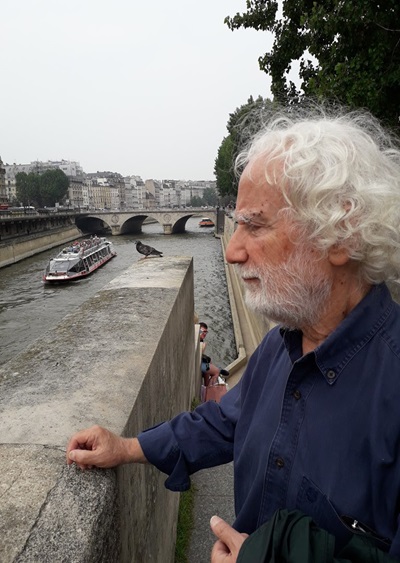
The archive of the contemporary composer Giorgos Kouroupos (b. 1942), who with his wide and varied work has left his indelible mark on Greek music, has recently been transferred to the Greek Music Archive of the Music Library of the Friends of Music Society at the Athens Concert Hall. The archive came to the "Lilian Voudouris" Music Library after a donation by the composer himself in April 2024. It is precisely this fact that is noteworthy, namely that Giorgos Kouroupos donated his archive to the Music Library while he was alive, a tactic they have followed ...More


Leave A Comment