
Omolio Folk-Agricultural Showroom Marinos Antipas
Omolio Folk-Agricultural Showroom Marinos Antipas
Omolio is a historical settlement of the Municipality of Agia surrounded by great natural beauty. Located in a central location, 40 km from the capital of the Larissa regional administration, just three kilometers from the Athens-Thessaloniki national road and at a minimum distance from the sea. According to Homer, the city participated in the Amphictyony of Delphi, while the mint of Ancient Omoli was one of the greatest in central Greece. The ruins of this ancient city and citadel still remain close to current Omolio.
Conditions brought the village back close to major historical events. This is the soil in which Marinos Antipas is buried, one of the most important figures of Greece in the fight to defend civil liberties. When Antipas came to Thessaly, where he took over as caretaker of the property of his uncle, he changed social conditions in the region. Although he was in a position of strength, he deleted agricultural debts, applied Sunday as a day off and set the remuneration of tenant farmers based on 75% of production (instead of 25% as was up to then in force). His murder was the natural consequence in a place dominated by lthe andowners of the time.
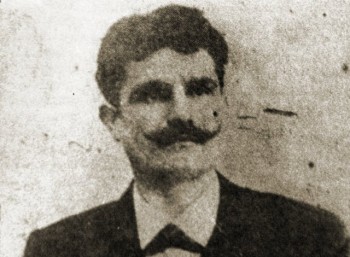
Μαρίνος Αντύπας / Marinos Antypas
Nowadays, the local community commemorates him, recognizing his contribution to changing social conditions, both in the region and across the country. It built a modest monument erected in Omolio where events are held every year in memory of the great fighter. At the same time, it gave his name to the small museum built in the village: Omolio Folk-Agricultural Showroom Marino Antipas, housed in the former Community chambers, located in the village square.
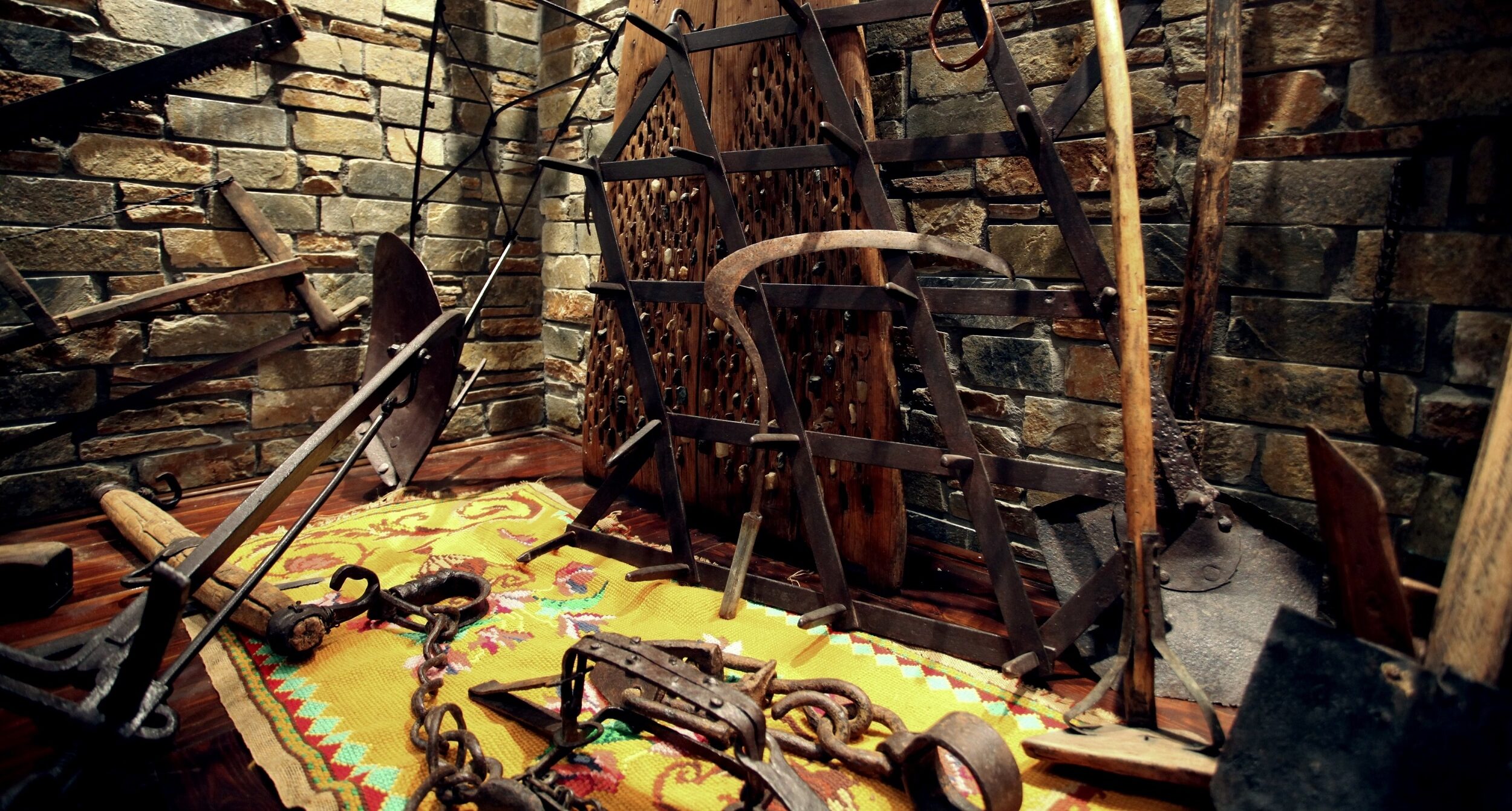
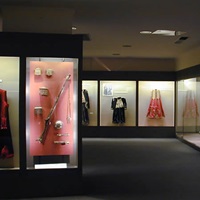
Today, the exhibition presents the tools used by the people for whom Antipas fought. Inaugurated on 18 March 2007 to mark the 100th anniversary of his death (murdered in 1907 in Pirgetos). Premechanical agricultural and foraging tools are hosted in the exhibition venue. Visitors can also admire tools of traditional occupations (fishermen, shoemakers, weavers, etc.) and objects from daily life of local people: handicrafts, embroidery and textiles, utilitarian household items (sofras (low tables), pots, pinakoti (bread levening boards)), local costumes, traditional clothing, woodwork items, postcards and engravings, coins, antique furniture, and a local bisiki (cot).
The collection includes artifacts that may be considered historical documents: a local’s military diary, which describes in detail the experience of the war in Asia Minor, but also photographs of social events and the occupations of the inhabitants. The showroom has a conference hall that holds 50-60 people.
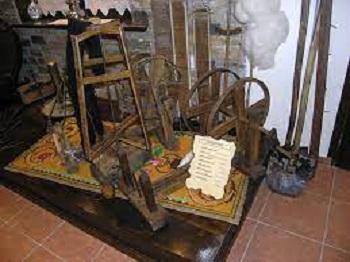
Λαογραφικό-Γεωργικό Εκθετήριο Ομολίου Μαρίνος Αντύπας
Places like the Omolio Folk-Agricultural Showroom Marinos Antipas, although exhibiting objects from earlier times, alsoshow that traditional culture is not a static body of evidence that survives only in a museum. Because on the one hand, tools and materials actually bear witness to the immutable characteristics of an era (available resources, raw materials), however, they also reveal the basic principles of human creativity that lead to evolution. The name of the exhibition reminds us, at the same time, that this creativity should always be developed with concepts such as respecting the principles of human law and social justice.
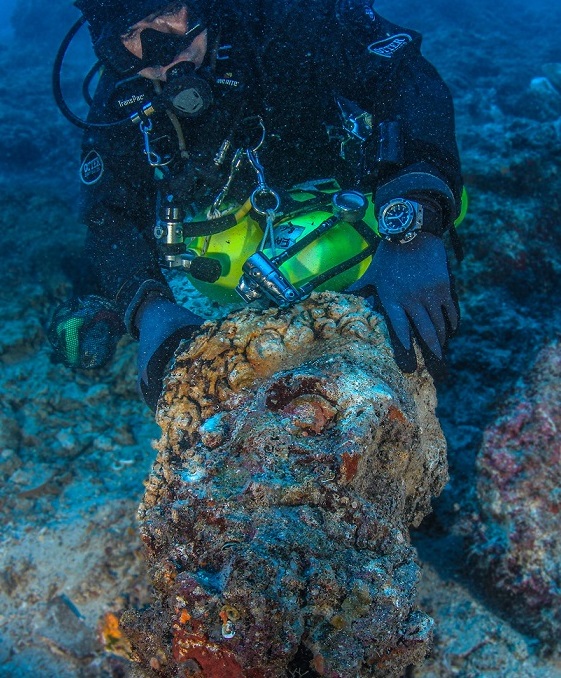
New findings of the archaeological survey of the Antikythera shipwreck
Rich in findings was the second period (23 May - 15 June 2022) of the underwater archaeological research at the Antikythera shipwreck, in the framework of the 2021-2025. The research is being carried out by the Swiss The research is conducted by the Swiss School of Archaeology in Greece under the direction of Dr. Angeliki G.Simossi. The Greek Archaeological Research Centre in Greece is being run by the Greek Archaeological Institute of Greece, under the auspices of the Archaeological Institute of Greece, Head of the Ephorate of Antiquities of Evia, and Professor of Classical Antiquities Lorenz ...More

5th International Tai Chi Chuan Festival at FEX entitled ‘Democritus the Abderite of Thrace’ Philosophy – the language of culture between West and East
The Tai Chi Chuan Workshop of the Philoproοdis Union of Xanthi organizes and invites you to: The 5th International Tai Chi Chuan Festival entitled 'Democritus the Abderite' Philosophy - the language of culture between West and East For the fifth consecutive year, we welcome you to our Festival. The festival is an international meeting with the participation of Tai Chi instructors and friends from Europen and the Balkans with the purpose of training, exchange of experience and knowledge in Chinese kinetics. martial art as well as its exploration through Philosophy with an approach to the work ...More
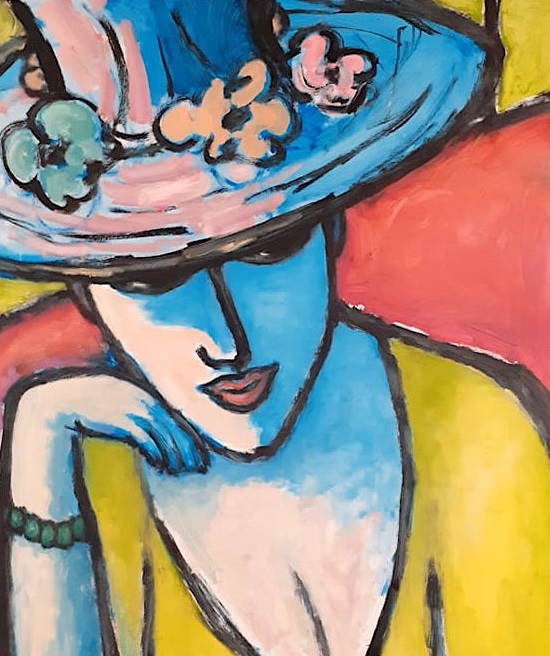
Art exhibition by Bradley Owen – “What is in the outline” at Art Flow Studio Gallery in Paleochora, Crete
Bradley Owen “ What is inside the outline“ Where: Art Flow Studio Gallery - Paleochora - Crete When: June 25 till 10 July Time: (Tuesday - Sunday) from 19:00 to 23:00 morning by appointment Vernissage 25 June at 19:00 refreshments and live music “ What is inside the outline “ Portraits, scenes of everyday life, representations of places dear to him: these are the subjects of Bradley Owen's paintings. If we ask him how he sees things, how he perceives the world, he would respond by creating pictorial works with strong outlines and formal essence, that contain ...More

Introductory Seminar for the Year 2022-2023 from the Art & Psychotherapy Center: Illuminating the path of Art Therapy
Purpose / Objectives: The introductory seminar in art therapy aims to: To become familiar with basic concepts of art therapy To help - through educational/experiential experience Understand and experience the creative process through negotiating the obstacles that may arise during the process and ultimately To understand how art therapy helps a person's emotional expression and how it ultimately affects his development and life. The following means will be used to achieve the above purposes: Study and elaboration of theoretical material, from the proposed bibliography Experiential exercises of artistic expression Group process. SEMINAR EVALUATION (80% Attendances) Active ...More

Runciman 2022 award to Ian Collins for “John Craxton’s play The Lover of Life. A Greek soul”. Published by Pataki Publications
Ian Collins has been awarded the Runciman 2022 of the Anglo-Hellenic League for John Craxton's play The Lover of Life. A Greek soul published by Pataki Publications (ed. by Mary Kitroef). The announcement of the winner of the award was made on Monday, June 13, at 7 p.m, at an event held at King's College London. Prize winner Ian Collins said: "The Runciman Prize is a great honour for me, and it caps off in the best possible way the centenary of John Craxton's birth, which this year marks the centenary of his birth. A fervent ...More

Announcement for the vacancy of a specialist scientist (project support) from the University of Cyprus
Title: Project Support Specialist Number of posts: One (1) Category: Full-time contract for twelve (12) months, renewable for one (1) more year Place of Employment: University of Cyprus, Nicosia The Department of Informatics of the University of Cyprus is currently accepting applications to fill one (1) full-time (38 hours/week ) Project Support Specialist position to participate in the support of the computer systems and users of the Department of Informatics. TERMS OF EMPLOYMENT The Specialist will be employed on a contract basis. The term of employment will be for an initial period of twelve (12) ...More


Leave A Comment