
Omolio Folk-Agricultural Showroom Marinos Antipas
Omolio Folk-Agricultural Showroom Marinos Antipas
Omolio is a historical settlement of the Municipality of Agia surrounded by great natural beauty. Located in a central location, 40 km from the capital of the Larissa regional administration, just three kilometers from the Athens-Thessaloniki national road and at a minimum distance from the sea. According to Homer, the city participated in the Amphictyony of Delphi, while the mint of Ancient Omoli was one of the greatest in central Greece. The ruins of this ancient city and citadel still remain close to current Omolio.
Conditions brought the village back close to major historical events. This is the soil in which Marinos Antipas is buried, one of the most important figures of Greece in the fight to defend civil liberties. When Antipas came to Thessaly, where he took over as caretaker of the property of his uncle, he changed social conditions in the region. Although he was in a position of strength, he deleted agricultural debts, applied Sunday as a day off and set the remuneration of tenant farmers based on 75% of production (instead of 25% as was up to then in force). His murder was the natural consequence in a place dominated by lthe andowners of the time.
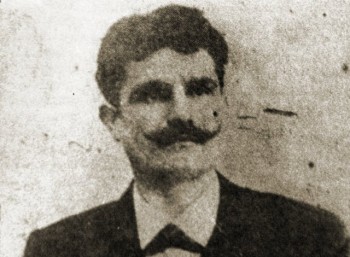
Μαρίνος Αντύπας / Marinos Antypas
Nowadays, the local community commemorates him, recognizing his contribution to changing social conditions, both in the region and across the country. It built a modest monument erected in Omolio where events are held every year in memory of the great fighter. At the same time, it gave his name to the small museum built in the village: Omolio Folk-Agricultural Showroom Marino Antipas, housed in the former Community chambers, located in the village square.
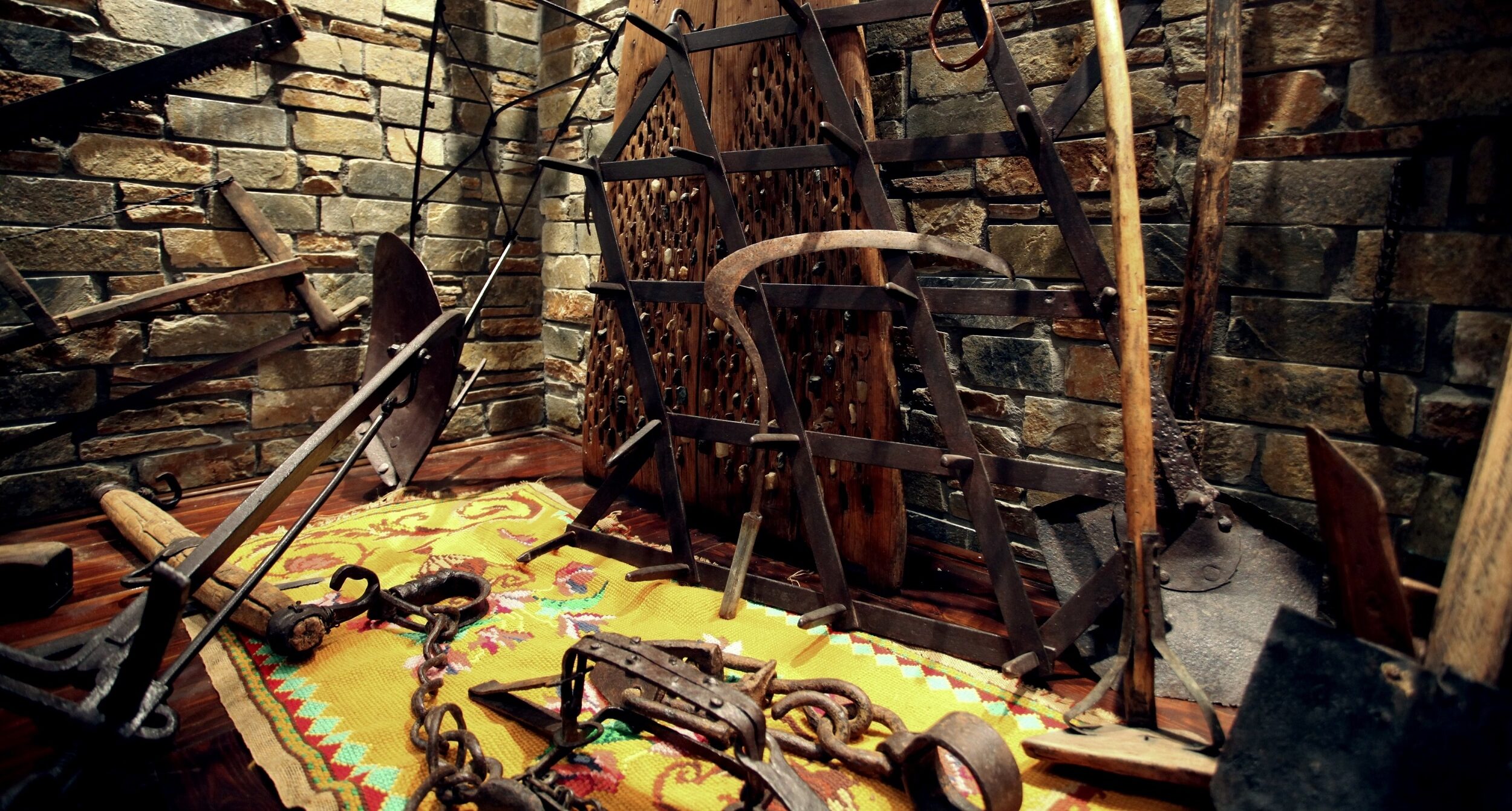
Today, the exhibition presents the tools used by the people for whom Antipas fought. Inaugurated on 18 March 2007 to mark the 100th anniversary of his death (murdered in 1907 in Pirgetos). Premechanical agricultural and foraging tools are hosted in the exhibition venue. Visitors can also admire tools of traditional occupations (fishermen, shoemakers, weavers, etc.) and objects from daily life of local people: handicrafts, embroidery and textiles, utilitarian household items (sofras (low tables), pots, pinakoti (bread levening boards)), local costumes, traditional clothing, woodwork items, postcards and engravings, coins, antique furniture, and a local bisiki (cot).
The collection includes artifacts that may be considered historical documents: a local’s military diary, which describes in detail the experience of the war in Asia Minor, but also photographs of social events and the occupations of the inhabitants. The showroom has a conference hall that holds 50-60 people.
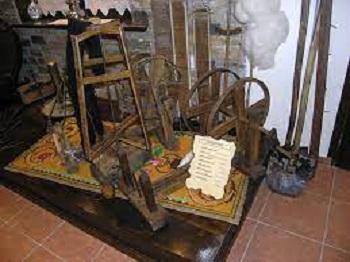
Λαογραφικό-Γεωργικό Εκθετήριο Ομολίου Μαρίνος Αντύπας
Places like the Omolio Folk-Agricultural Showroom Marinos Antipas, although exhibiting objects from earlier times, alsoshow that traditional culture is not a static body of evidence that survives only in a museum. Because on the one hand, tools and materials actually bear witness to the immutable characteristics of an era (available resources, raw materials), however, they also reveal the basic principles of human creativity that lead to evolution. The name of the exhibition reminds us, at the same time, that this creativity should always be developed with concepts such as respecting the principles of human law and social justice.
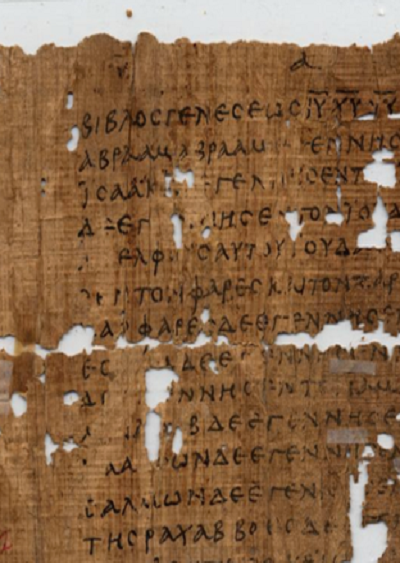
Distance – learning Educational Program of the AUTH “The Hellenistic Koine language of the Bible and its cultural dimension”
Distance- learning Educational Program of the AUTH "The Hellenistic Koine language of the Bible and its cultural dimension" Scientific Field: Humanities & Arts Greek Language University: Aristotle University of Thessaloniki (AUTH) Language of Instruction: Greek Duration: 62 teaching hours (within 2.5 months) For more information, please visit the website:For more information, please visit the website: https://kedivim.auth.gr/programs/programme-666/ Description The Center for Training and Lifelong Learning (KEDIVIM) of the Aristotle University of Thessaloniki (AUTH) welcomes you to the educational program entitled "The Hellenistic Koine language of ...More
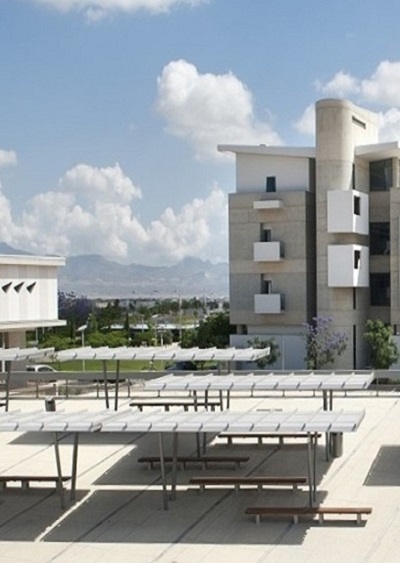
University of Cyprus | Department of Civil and Environmental Engineering | Visiting Professor Position for the Winter Semester 2026–2027
The Department of Civil and Environmental Engineering invites expressions of interest for the filling of one (1) Visiting Professor position for the Fall Semester 2026-27. The Visiting Professor will contribute to the teaching of undergraduate and/or postgraduate courses of the Department, supervise student projects, and participate in the research and academic activities of the Department. The position is for one academic semester. The Visiting Professor is expected to have documented scientific and teaching experience in three (3) or more of the following areas: Protection and sustainable use of natural resources Environmental management systems and sustainability policies ...More

Video Art and Installation Exhibition by the Ionian University at Toss Gallery| Timing: Negotiations of Time
The Department of Audio and Visual Arts (DAVA) of the Ionian University presents the creative work of its students in Thessaloniki through a group exhibition of video works and installations hosted at Toss Gallery (1 Vilaras St.). The exhibition emerges from research conducted within the framework of the laboratory courses “Video Art” and “Art of Technical Images.” The exhibition opening will take place on Friday, March 20, 2026, at 20:00. The exhibition will remain open to the public from March 20 to March 22, 2026, with the following hours: Saturday, March 21: 13:00 – 00:00 Sunday, ...More
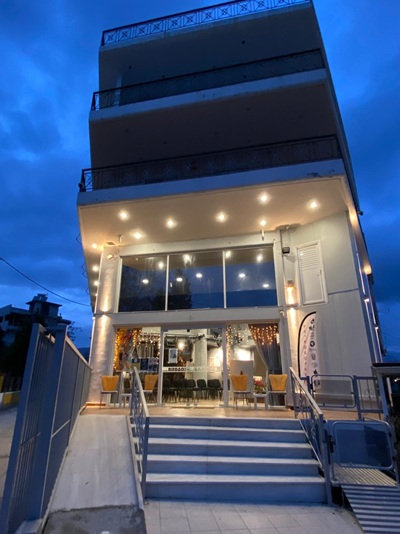
Petrosophy International Cultural Center | “When Knowledge Becomes Creation: Science & Poetry in Dialogue” | March 21, 2026
To mark World Poetry Day on March 21, 2026, Poetry Bridges is organizing a special event that brings science and poetry into dialogue, highlighting creativity as their common ground. The keynote speaker will be dermatologist Spyridon Passakos, who will address current issues such as acne and melanoma, with an emphasis on prevention and public awareness, in anticipation of the summer season. At the same time, the program “Ancient Wisdom on a Modern Journey – Reading and Decoding the Odyssey” will be presented by literary scholar Vasso Panagopoulou. The program will conclude with three sessions in April ...More
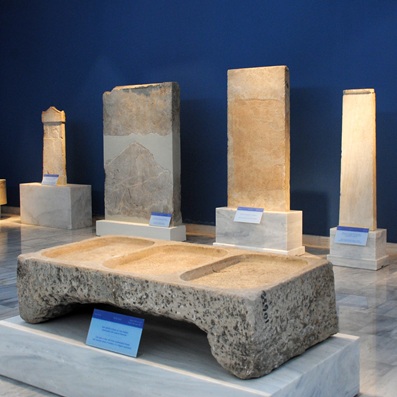
Epigraphic Museum
Epigraphic Museum Address: 1 Tosits str. 10682, Athens tel. 210 8232950, 210 8847577 Εmail: [email protected] www.epigraphicmuseum.gr VISITING HOURS Wednesday- Monday: 08.30-15.30 Tuesday closed TICKETS Regular: 10 € Reduced: 5 € More tickets information εδώ Epigraphic Museum Athanasios Themos – Epigraphic Museum, Director Elena Zavvou – Head of the Department of Research & Documentation of Inscriptions The Epigraphic Museum preserves and exhibits thousands of inscriptions, the written texts that the ancients themselves decided to inscribe on hard materials (stone, clay, and metal). Ancient inscriptions provide information on ...More
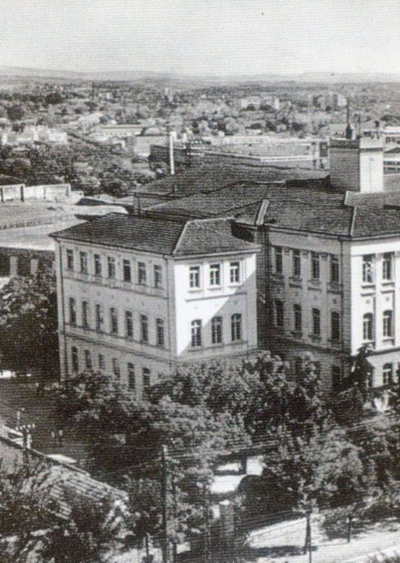
100 Years of the Faculty of Philosophy: Anniversary Event Highlights Its History and Contemporary Prospects
“100 Years of the Faculty of Philosophy” is the title of the anniversary event organized by the Faculty of Philosophy of Aristotle University, marking one hundred years since its establishment and operation. The event will take place on Friday, March 20, 2026, from 9:30 to 13:30 and 17:00 to 20:30, at the “Alexandros Papanastasiou” Ceremonial Hall in the Old Building of the Faculty of Philosophy. Professors of the School will participate in the event and present the Schools that make up the Faculty of Philosophy of Aristotle University. Round table discussions will also take place, bringing ...More


Leave A Comment