
Omolio Folk-Agricultural Showroom Marinos Antipas
Omolio Folk-Agricultural Showroom Marinos Antipas
Omolio is a historical settlement of the Municipality of Agia surrounded by great natural beauty. Located in a central location, 40 km from the capital of the Larissa regional administration, just three kilometers from the Athens-Thessaloniki national road and at a minimum distance from the sea. According to Homer, the city participated in the Amphictyony of Delphi, while the mint of Ancient Omoli was one of the greatest in central Greece. The ruins of this ancient city and citadel still remain close to current Omolio.
Conditions brought the village back close to major historical events. This is the soil in which Marinos Antipas is buried, one of the most important figures of Greece in the fight to defend civil liberties. When Antipas came to Thessaly, where he took over as caretaker of the property of his uncle, he changed social conditions in the region. Although he was in a position of strength, he deleted agricultural debts, applied Sunday as a day off and set the remuneration of tenant farmers based on 75% of production (instead of 25% as was up to then in force). His murder was the natural consequence in a place dominated by lthe andowners of the time.
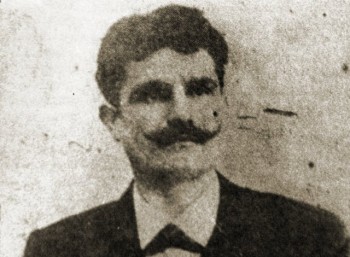
Μαρίνος Αντύπας / Marinos Antypas
Nowadays, the local community commemorates him, recognizing his contribution to changing social conditions, both in the region and across the country. It built a modest monument erected in Omolio where events are held every year in memory of the great fighter. At the same time, it gave his name to the small museum built in the village: Omolio Folk-Agricultural Showroom Marino Antipas, housed in the former Community chambers, located in the village square.
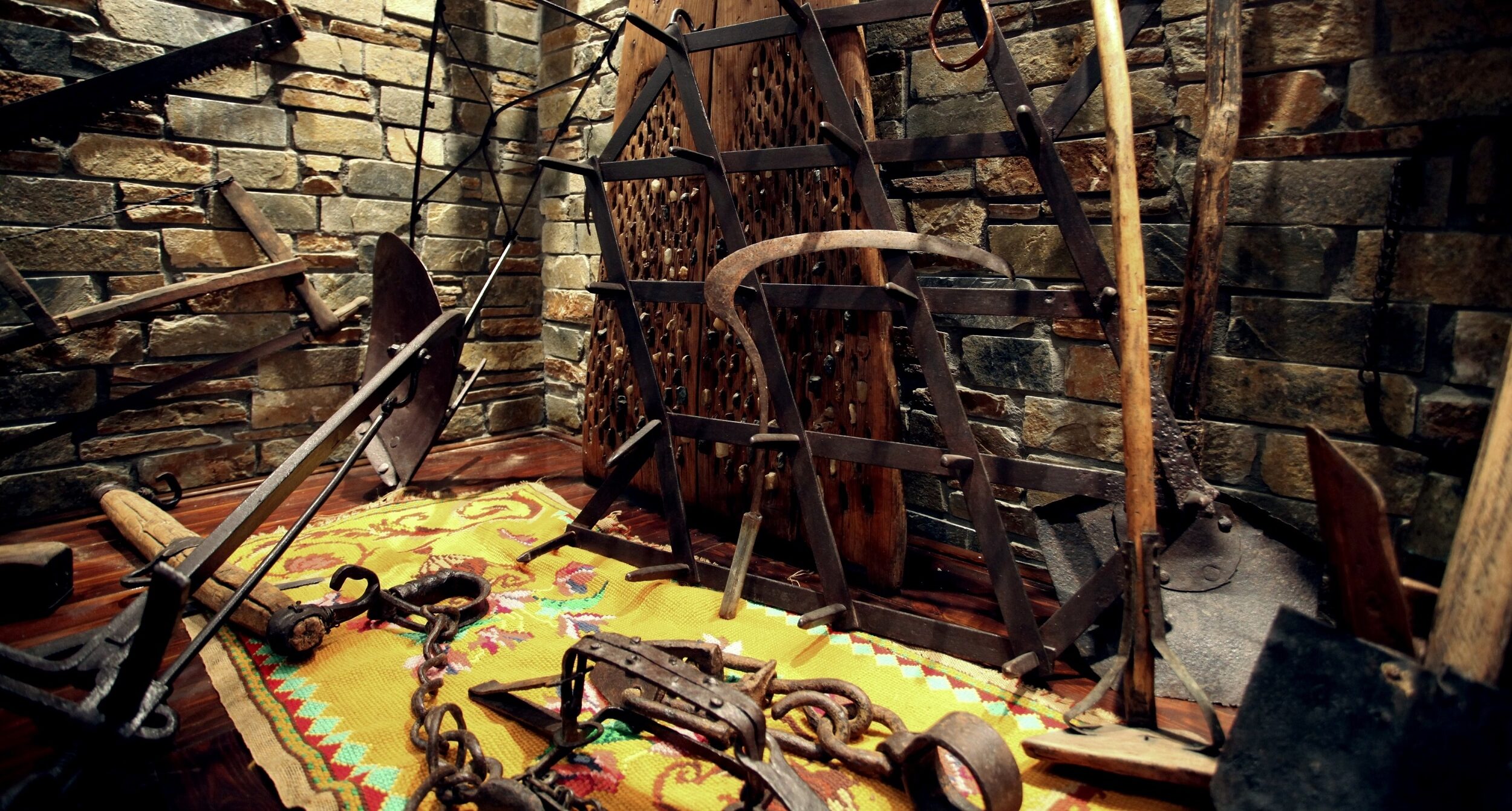
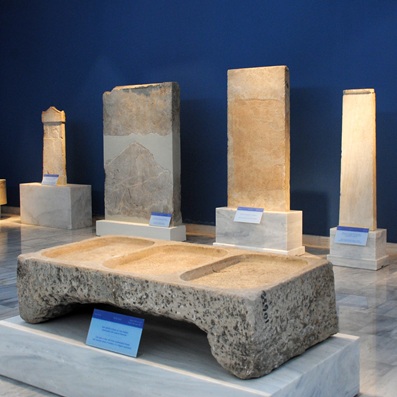
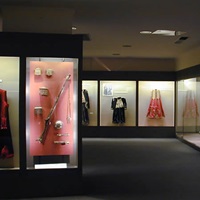
Today, the exhibition presents the tools used by the people for whom Antipas fought. Inaugurated on 18 March 2007 to mark the 100th anniversary of his death (murdered in 1907 in Pirgetos). Premechanical agricultural and foraging tools are hosted in the exhibition venue. Visitors can also admire tools of traditional occupations (fishermen, shoemakers, weavers, etc.) and objects from daily life of local people: handicrafts, embroidery and textiles, utilitarian household items (sofras (low tables), pots, pinakoti (bread levening boards)), local costumes, traditional clothing, woodwork items, postcards and engravings, coins, antique furniture, and a local bisiki (cot).
The collection includes artifacts that may be considered historical documents: a local’s military diary, which describes in detail the experience of the war in Asia Minor, but also photographs of social events and the occupations of the inhabitants. The showroom has a conference hall that holds 50-60 people.
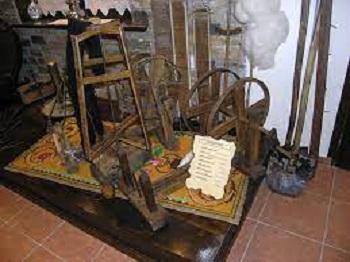
Λαογραφικό-Γεωργικό Εκθετήριο Ομολίου Μαρίνος Αντύπας
Places like the Omolio Folk-Agricultural Showroom Marinos Antipas, although exhibiting objects from earlier times, alsoshow that traditional culture is not a static body of evidence that survives only in a museum. Because on the one hand, tools and materials actually bear witness to the immutable characteristics of an era (available resources, raw materials), however, they also reveal the basic principles of human creativity that lead to evolution. The name of the exhibition reminds us, at the same time, that this creativity should always be developed with concepts such as respecting the principles of human law and social justice.
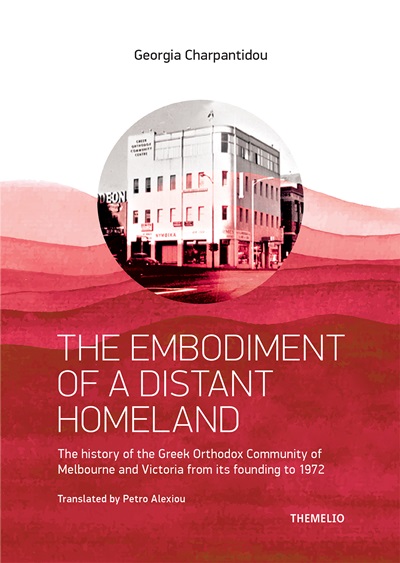
Greek Community of Melbourne| The English Translation of “The Embodiment of a Distant Homeland” available in community’s bookshop
Following its successful launch, the book has now arrived in Melbourne and is available for sale to the general public via our online bookstore from the Greek Community of Melbourne Office. On Thursday, September 5, at the bookstore Themelio publications in downtown Athens hosted the launch of Georgia (Juliana) Charpantidou’s book “The Embodiment of a Distant Homeland”. The launch in Athens was attended by the Australian ambassador, Alison Duncan, who presented the title. Greek Community of Melbourne’s President, Bill Papastergiadis ΟΑΜ, stated, "I commend the author Juliana Charpantidou and the translator Petro Alexiou for their efforts ...More
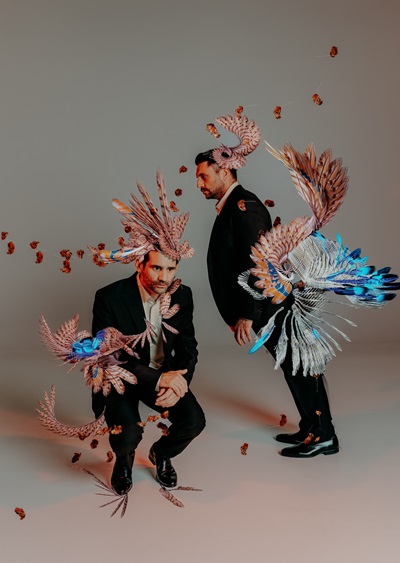
“The Birds” at the Patras International Festival| Friday 13 September 2024
The ancient comedy returns at 9.30 pm on Friday 13 September at the Municipal Summer Theatre for the International Festival of Patras with Aristophanes' "The Birds". A superb comedy directed by Aris Biniaris in which although the plot is fictional, the theme is real and essential as the "Birds" present a new beginning, which must be made outside human society, away from saturation, decadence and corruption. With human civilization having reached a limiting moment, the flight of birds seems like a ritual of initiation and reconnection between man and the natural world and the unprecedented power ...More
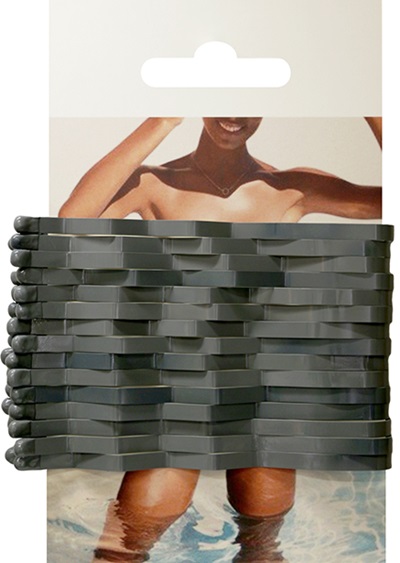
Ileana Tounta Contemporary Art Center| Zoe Sklepa-Season Extension| 03 October-23 November 2024
In her first solo show Zoe Sklepa presents a series of sculptural assemblages, which at first glance seem to consist of commonplace ready-made products. With a closer look, however, one realizes that they have been reconstructed in such a way as to form new – indefinable – objects, to which no specific function can be attributed. Bringing to mind pop art creations, it appears that Sklepa aims to draw our attention to the significance of the ephemeral, consumable products of our daily lives. Yet, being simultaneously aware of their sculptural possibilities and isolating them from their ...More
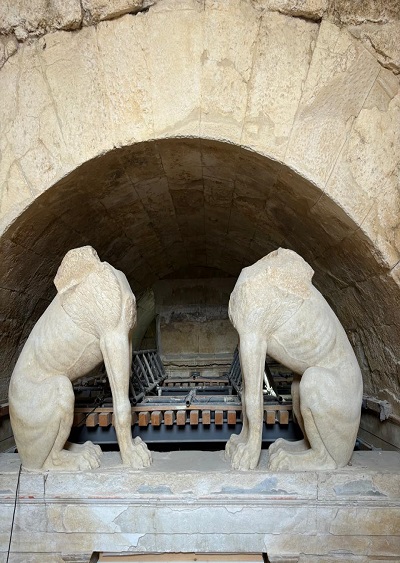
Amphipolis| Autopsy of the Minister of Culture in the Mound Kasta
Inspection of the works being carried out in the Mound Kasta, in Amphipolis, held the Minister of Culture Lina Mendoni. The first phase, with the protection works, maintenance and restoration of the prominent monument but also the Mound, completed within the revised timetables. In the funerary monument, the surfaces were cleaned, the cracks were filled and the marble fragments, which had been detached, were resurfaced. The scaffolding was removed from the area with the mosaic of the Rapture of Persephone and the cleaning of the mosaic is being completed. The didactic restoration of part of the ...More
Greek Community of Melbourne| Dimitris Tsaloumas Memorial Seminar| 19 September 2024
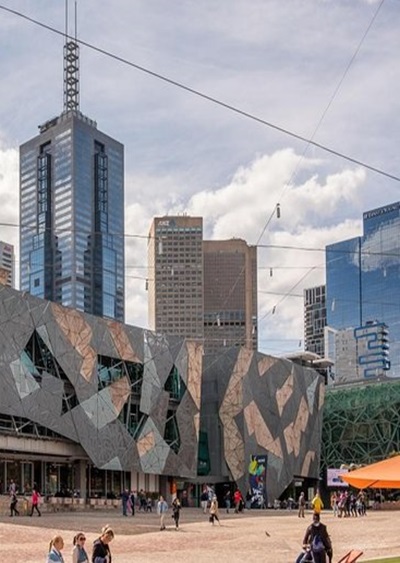
Dr Konstandina Dounis will present this year’s Dimitris Tsaloumas Memorial Seminar on Thursday, 19 September, at 7.00 pm at the Greek Centre. This seminar is organised in collaboration with the Greek-Australian Cultural League. Dimitris Tsaloumas’ significance in Greek-Australian literature cannot be overstated. He received numerous major state and national awards for his poetry throughout his lifetime and enjoyed the rare honour of his books selling out, leading to multiple editions. Tsaloumas also held prestigious residencies at Oxford and Cambridge and was invited to give numerous poetry readings around the world. Recently, his work has gained further ...More
52nd Book Festival at Pedion tou Areos| Events 11-12 September 2024
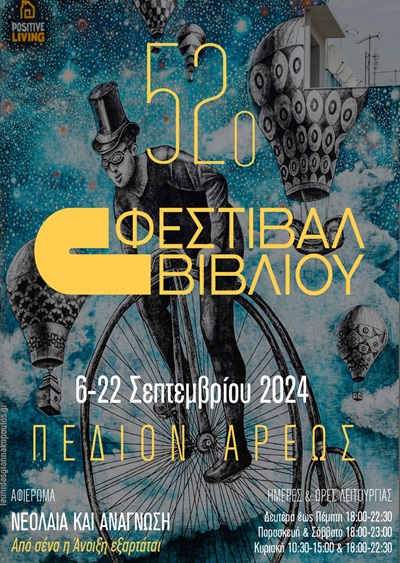
The Book Publishers' Association, as every year, this year too, will present a series of events in the framework of the Book Festival at the Pedion tou Areos. The programme from 11 to 12 September 2024 is structured as follows: CENTRAL STAGE 11.09.2024 / time 18.00 The Book Publishers Association, in the framework of the 52nd Book Festival at the Pedion tou Areos, organizes an event dedicated to emerging writers in novels, short stories and novels. The moderator and presenter of the event will be the writer - literary critic, Dr. Konstantinos Bouras. CENTRAL STAGE 11.09.2024 ...More


Leave A Comment