
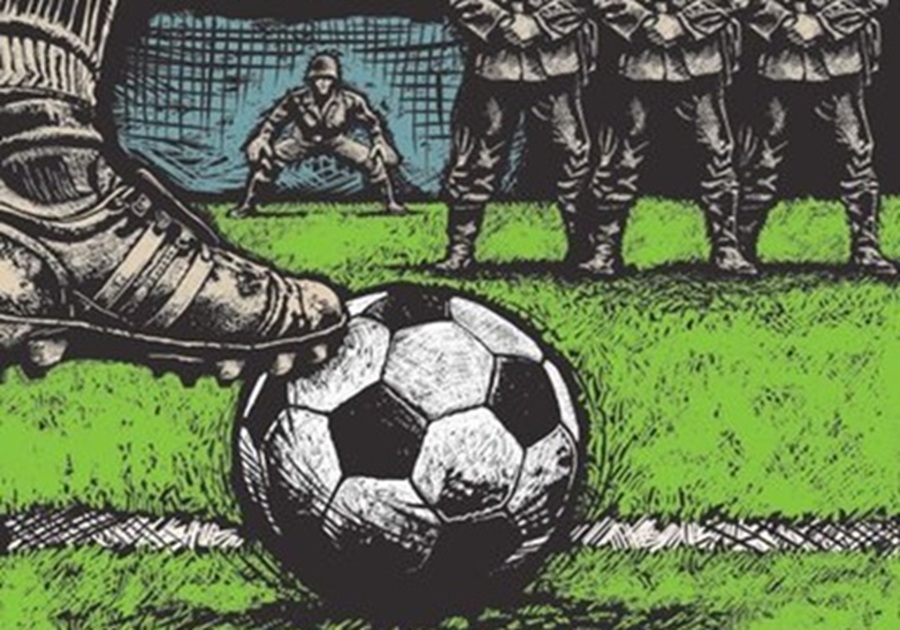
The planet is already dancing to the rhythms of the World Cup!
For the first time in its history, FIFA has selected three (!) host countries (Mexico, the United States, and Canada), and has additionally proposed increasing the number of participating teams to 48, from 32 as was the case until now.
The 2026 World Cup will remain in history as one of the most profitable in the tournament’s history, with millions of fans worldwide captivated by the achievements of teams such as Japan, Spain, and the Netherlands, and by the presence of teams such as Curaçao and Cape Verde.
Domestic book publishing could not remain unmoved by the popular football festival, offering readings on the global phenomenon of the World Cup for all tastes, as well as… guidance for instructors and coaches of children’s and youth teams.
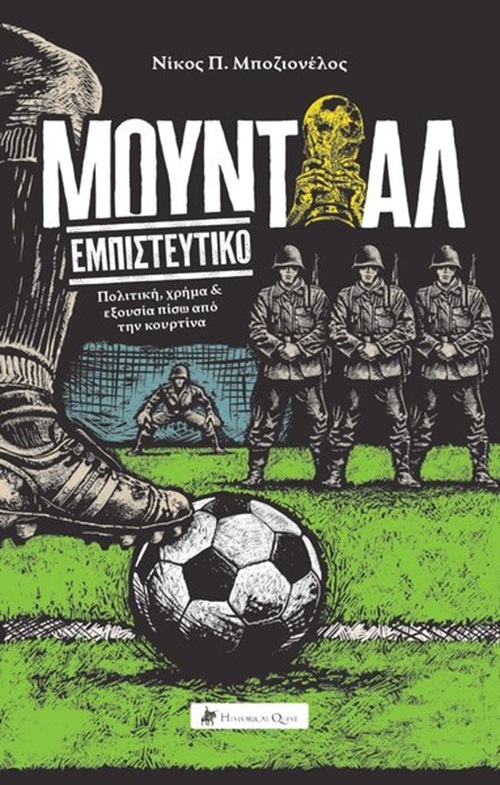
World Cup Confidential: Politics, Money & Power Behind the Curtain (Author: Nikos P. Bozionelos, Publisher: Historical Quest ,636 pp.)
A journalist with many years of experience in Greek media, Nikos Bozionelos fulfils a lifelong dream by writing a work of almost academic scope that looks at the “other side” of the World Cup, from its origins to the present day. Putting the role of politics, regimes, and economic interests under the microscope, Bozionelos stays away from enthusiastic, narrowly football-focused readings and highlights FIFA’s role as a modern Roman Empire that offers “bread and circuses” to keep “the people quiet, disciplined, and, above all, distracted from political problems.” Through the 636 pages of this book, the paradox of a tournament that is instrumentalised and questioned but at the same time excites and creates collective memories emerges.
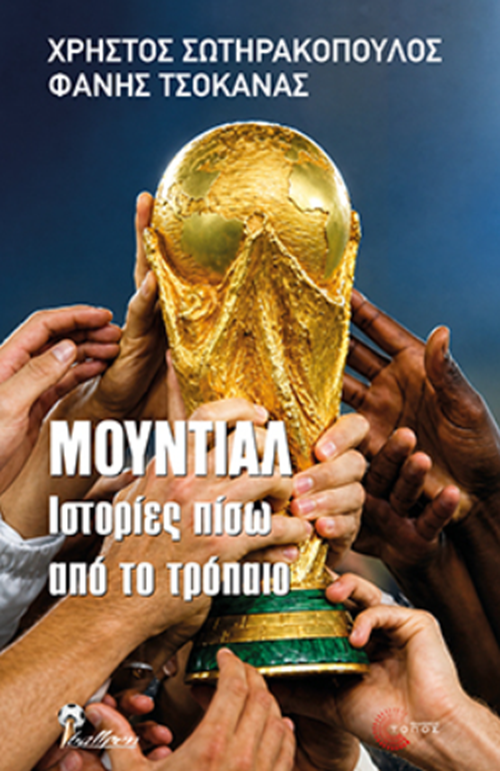
World Cup: Stories Behind the Trophy (authors: Christos Sotirakopoulos, Fanis Tsokanas , Topos Publications, 249 pp)
From the World Cup’s debut and Italy’s string of titles (though Italy is absent from this year’s tournament) to the legendary 1986 World Cup starring Diego Maradona, this edition not only chronicles the World Cup finals but also connects with many of the legends of the pitch, as well as those who managed to reach the source but did not drink the water. Forty-five people share their stories, and the essence of these pages is aptly summarized in Christos Sotirakopoulos’s foreword: people grow up because at some point they stopped playing. For these acclaimed journalists, the World Cup is a long-awaited game filled with excitement and missed opportunities—just like life itself.
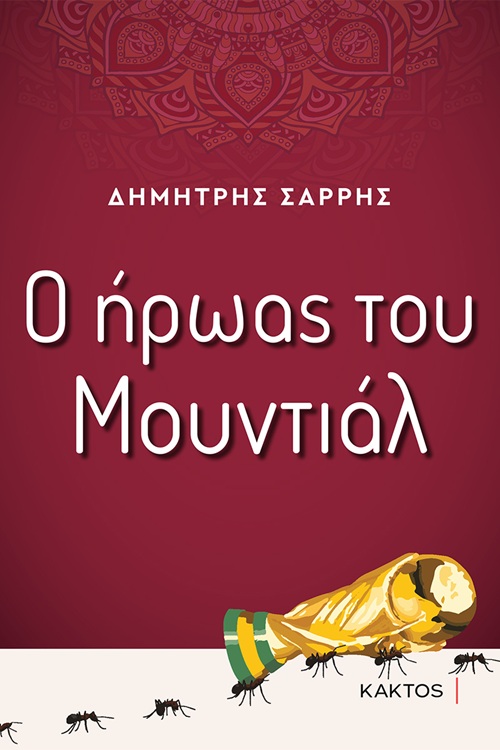
The World Cup Hero (author Dimitris Sarris, publisher Kaktos, 119 pp.)
The hero of the World Cup is not some handsome, well-paid soccer player. Dimitris Sarris, with a sensibility reminiscent of Italian neorealism, focuses his narrative on the 2022 World Cup in Qatar and the grueling working conditions faced by the migrant workers who sacrificed even their own blood on the infrastructure projects for the soccer tournament. The protagonist of this real-life odyssey is Singh Rai, from Nepal, who sets out in search of a better life, only to see his dreams shattered under the harsh Arabian sun…
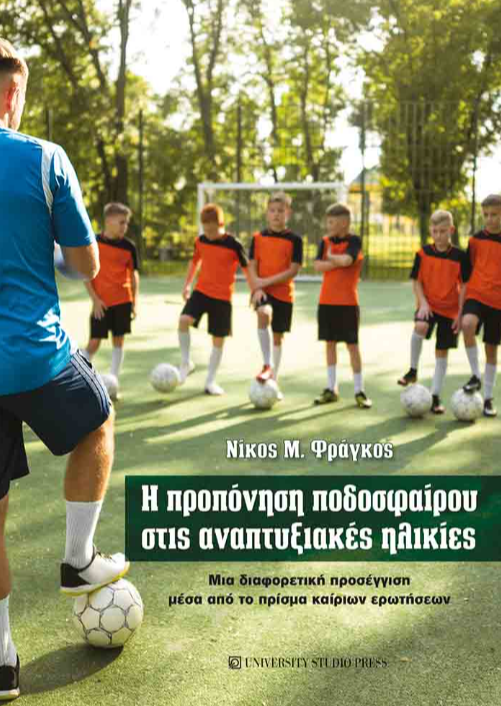
Soccer Training for Developing Athletes: A Different Approach Through the Lens of Key Questions (author: Nikos M. Fragos, publisher University Studio Press, 190 pp.)
This book by Nikos M. Fragos fills a gap in the global literature by focusing on soccer training for young athletes. The challenge he addresses concerns the difficulty of making the scientific approach accessible and understandable to professionals, academies, as well as parents and anyone involved in youth soccer. The book’s structure—comprising 218 questions, with valuable diagrams and photographs, always viewed through the lens of the unique characteristics of youth soccer—helps achieve this goal.
Books that “score” in our hearts.
How many will you manage to read by the end of the World Cup?



Leave A Comment