
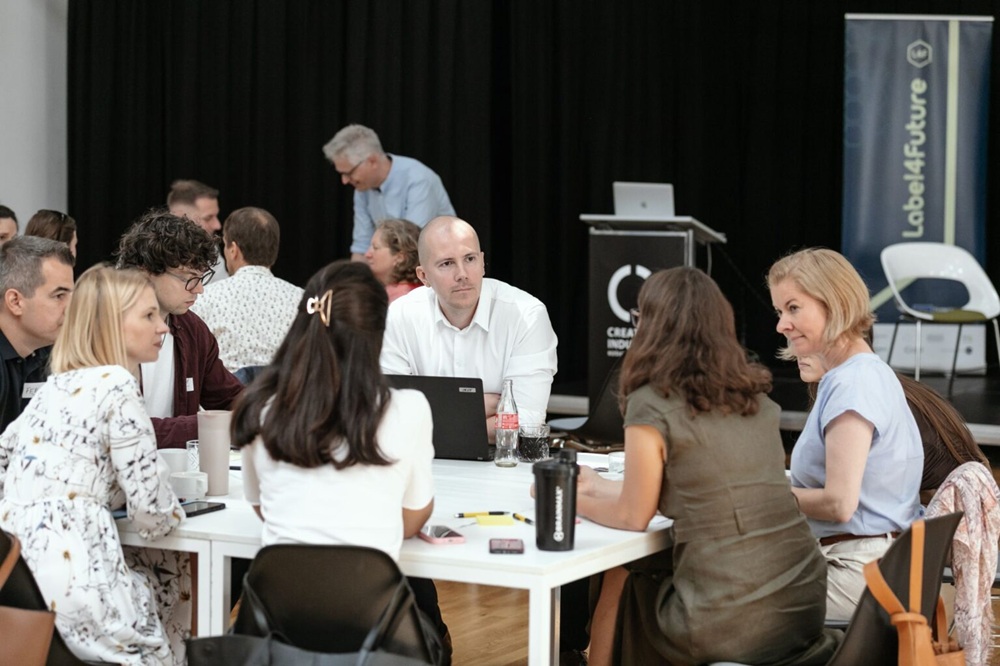
As EU institutions negotiate FP10, the next European Framework Programme for Research and Innovation, a coalition led by ekip – the European Policy Innovation Platform for Cultural and Creative Industries – calls on both the European Commission and national governments to harness one of Europe’s most underutilized drivers of growth: the creative industries.
The creative industries already employ millions of people across Europe and generate significant economic value, exports, and jobs. But beyond the numbers, they offer unique capabilities that Europe urgently needs: an understanding of users and markets, a rapid experimental approach, design and storytelling skills, as well as the ability to manage complex, cross-sectoral challenges. Yet they remain largely outside the mainstream funding and decision-making mechanisms for innovation.
Through an open letter to the European Commission and a high-level policy event in Brussels on May 4, 2026, the ekip and its partners present ten suggestions for integrating the creative industries into FP10 and related instruments, aligned with the EU Competitiveness Compass and the EU Cultural Compass. The goal is to create innovation systems that more effectively transform ideas into investments, growth, and quality jobs in every region.
“Europe has invested heavily in technology, but not enough in the creative capabilities that make technology meaningful, attractive, and scalable,” said a spokesperson for ekip. “If FP10 and national programs systematically integrate the creative industries, we can open up new markets, accelerate the green and digital transition, and strengthen Europe’s global competitiveness.”
Ten suggestions for development, investment, and jobs
The ekip platform summarizes its work with cities and regions across Europe in ten actionable recommendations for policymakers.
Key points:
- The creative industries as strategic drivers of innovation: They should be explicitly recognized as strategic contributors in FP10 and national programs, with participation in governance and advisory bodies.
- Bridging cultural and economic policy: Linking cultural policy with innovation and economic policies.
- Redesigning ecosystems: Ensure that infrastructure and mechanisms (accelerators, testbeds, etc.) are equally accessible to the creative industries.
- New financing models: Adapting regulations to enable small creative businesses to participate in collaborative arrangements.
- Link to Smart Specialization Strategies (S3): Creative industries as catalysts for clusters, tourism, place branding, and industrial innovation.
- Investments in networking: Support for organizations and infrastructure that connect creative industries with businesses and universities.
- Cross-sector innovation pathways: A role in fields such as AI, immersive media, sustainable fashion, gaming, and more.
“For cities and regions, the question is not whether the creative industries contribute to growth, but how quickly they can harness their potential,” noted a municipal spokesperson.
Brussels Event – May 4: From Knowledge to Action
Ekip is organizing a political event on May 4, 2026, at Blankspace in Brussels, featuring:
- EU officials
- national and regional representatives
- investors and organizations in the creative industries
The thematic sessions:
- Redefining the Foundations
- From Ideas to Investments
- From Policy to Action
- Financing Transformation
The event will conclude with closing remarks by Jens Nymand (former DG RTD).
In parallel, a Policy Lab will be held under the title:


Leave A Comment