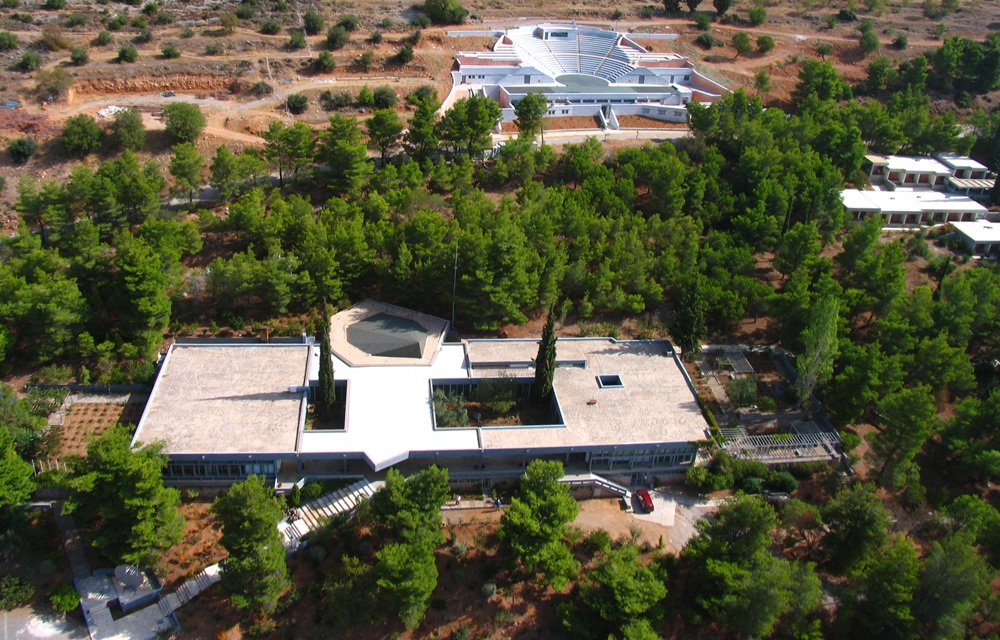
Featuring internationally renowned, pioneering scientists from the fields of astrophysics, artificial intelligence, as well as the humanities and social sciences, the Fourth Delphic Dialogues will take place in the “Frynichos” Hall of the European CulturalDelphi Centre in Delphi on Friday, July 3, and Saturday, July 4, 2026. The event will begin on July 3 at 5:30 p.m. and will conclude the following day with a roundtable discussion.
Delphi, one of the most iconic sites of ancient Greek thought, retains its spiritual radiance to this day. The European Cultural Center of Delphi, whose statutory mission is to develop a European and global intellectual hub in Delphi, is a unique venue in Greece for the systematic exploration of the significance of humanistic thought.
KEYNOTES
MARKUS GABRIEL
Markus Gabriel is an internationally renowned philosopher and holds the Chair of Epistemology, Modern, and Contemporary Philosophy at the University of Bonn. In 2009, he became the youngest full professor of philosophy in Germany. Since 2012, he has been President of the International Center for Philosophy, and since 2017, Director of the Interdisciplinary Center for Science and Thought, both based in Bonn.
He has been honored with numerous awards, scholarships, and visiting professorship positions at institutions such as UC Berkeley, NYU, Stanford, the Sorbonne (Paris 1), and PUC in Rio de Janeiro. From 2022 to 2024, he served as Academic Director of THE NEW INSTITUTE. In 2024, he assumed the role of Senior Global Advisor at the Kyoto Institute of Philosophy, and in 2025, he became a Specially Appointed Professor at the Kyoto University Institute for the Future of Human Society.
His books have been translated into many languages, and several of them have become international bestsellers. Among his most significant works are Why the World Does Not Exist, Moral Progress in Dark Times, The Human Animal: Why We Still Do Not Fit into Nature, and his recent book, Doing Good – How Ethical Capitalism Can Save Liberal Democracy.
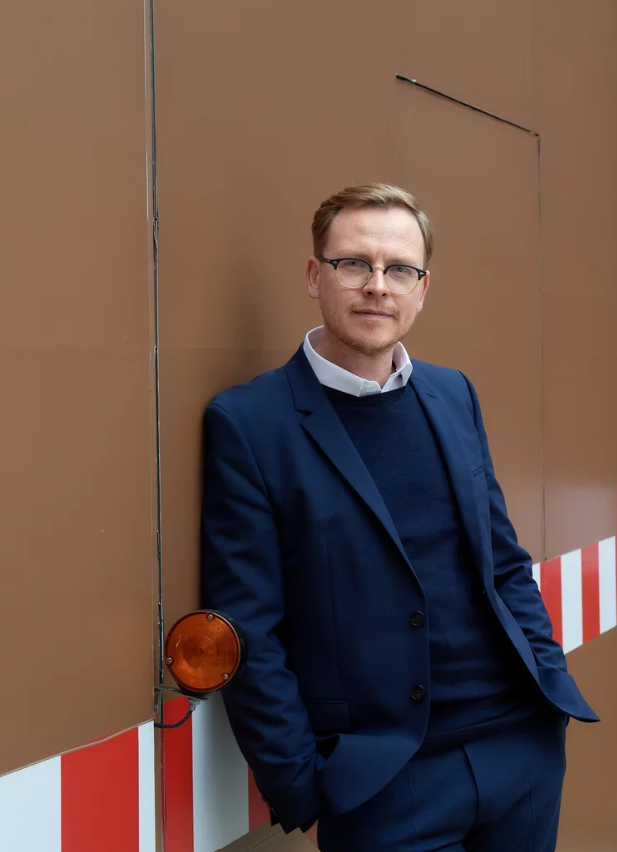
Markus Gabriel
MARCELLO IENCA
Professor of Ethics in Artificial Intelligence and Neuroscience at the Technical University of Munich (TUM), and Deputy Director of the Institute for Ethics and History of Medicine. His research focuses on the ethical, legal, and social implications of artificial intelligence, neurotechnology, and digital innovation, with a particular emphasis on cognitive freedom, the privacy of thought, and human rights in the digital age. He is internationally renowned for his pioneering work on “neurorights” and has contributed extensively to international governance initiatives on artificial intelligence and neurotechnology. He is the Head of Neuroethics at the International Brain Initiative, president of the International Neuroethics Society, and has served as a member of UNESCO’s Ad Hoc Expert Group on the Ethics of Neurotechnology. He has also served in an advisory capacity to organizations such as the Organization for Economic Cooperation and Development (OECD), the Council of Europe, the United Nations, UNICEF, and the European Commission on issues related to the governance of emerging technologies and digital ethics.
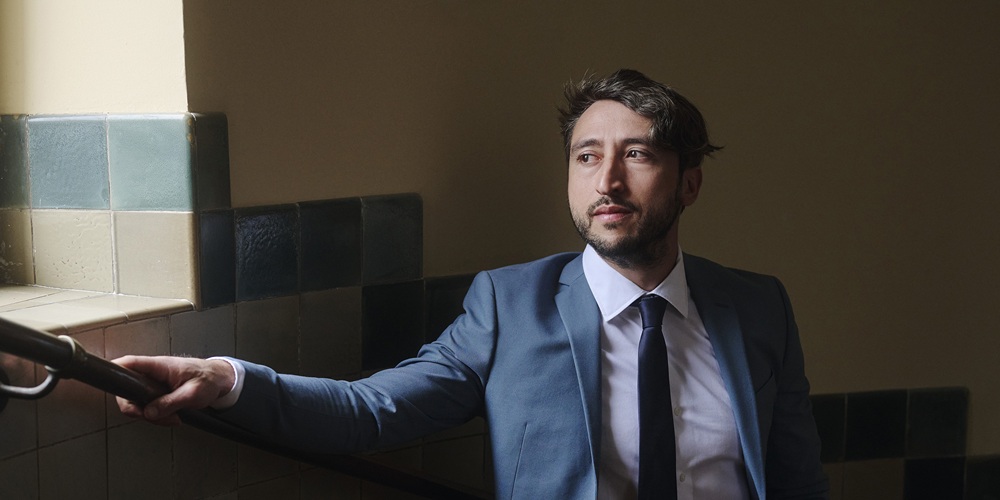
Marcello Ienca
OFRIT LIVIATAN
Director of the Harvard College Freshman Seminar Program and instructor in the fields of law and politics in Harvard’s Department of Government. She holds a Ph.D. and an M.A. with honors from the Fletcher School of Law and Diplomacy at Tufts University, as well as a law degree from Israel, where she was admitted to the bar and practiced law in the areas of constitutional, criminal, and commercial law.
Her research interests and award-winning teaching include law and society, the tensions between legal theory and practice, the role of legal systems in ethnocultural conflicts and in managing diversity, socioeconomic dilemmas surrounding artificial intelligence, critical approaches to law through visual and literary frameworks, as well as the legal dynamics between religion and the state.
As Director (and recipient of the Dean’s Distinction Award), Dr. Liviatan oversees a network of approximately 130 seminars, which are taught each year by many of the University’s most distinguished professors. Under her guidance, these seminars are designed to provide a uniquely direct and substantive introduction to the broad spectrum of academic disciplines at Harvard.
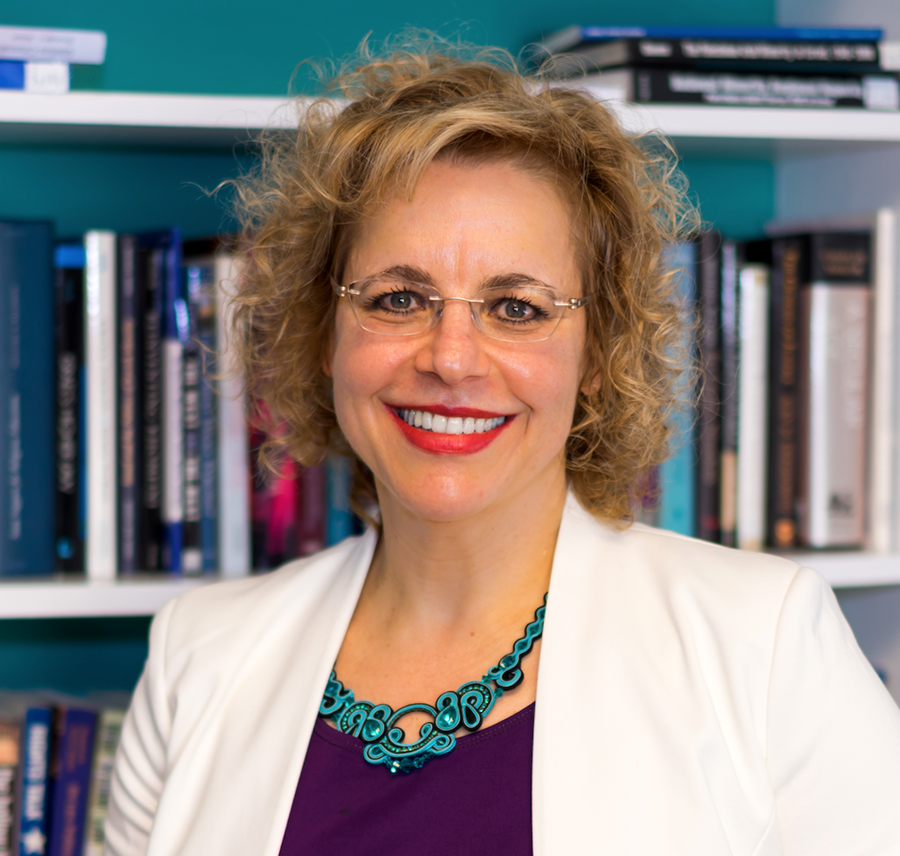
Ofrit Liviatan
ABRAHAM (AVI) LOEB
He holds the Frank B. Baird, Jr. Professorship of Science at Harvard University. He earned a Ph.D. in Physics from the Hebrew University of Jerusalem at the age of 24 (1980–1986), led the first international research program supported by the Strategic Defense Initiative (1983–1988) and subsequently served as a fellow at the Institute for Advanced Study in Princeton (1988–1993).
He has authored nine books, most recently *Extraterrestrial* and *Interstellar*, as well as more than a thousand scientific publications on a wide range of topics, including black holes, the first stars, the search for extraterrestrial life, and the future of the Universe.
He served as Director of the Institute for Theory and Computation (2005–2026) at the Harvard-Smithsonian Center for Astrophysics and is currently Director of the Galileo Project. He was the longest-serving Chair of the Department of Astronomy at Harvard (2011–2020), as well as Founding Director of the Harvard Black Hole Initiative (2016–2021). He is an elected member of the American Academy of Arts and Sciences, the American Physical Society, and the International Academy of Astronautics.
Loeb was also a member of the President’s Council of Advisors on Science and Technology (PCAST) at the White House, former chair of the Board on Physics and Astronomy of the U.S. National Academies (2018–2021), and is currently a member of the Advisory Committee for the “Einstein: Visualize the Impossible” program at the Hebrew University of Jerusalem.
In addition, he chaired the Advisory Committee of the Breakthrough Stars Initiative (2015–2024) and served as Director of Theoretical Science for all initiatives of the Breakthrough Prize Foundation.
In 2012, TIME magazine named him one of the 25 most influential people in the field of space, and in 2020 he was selected as one of the 14 most inspiring Israelis of the past decade. In 2025, ScholarGPS ranked him third worldwide in terms of published work and research impact among astronomers globally over the past five years. His most recent TED Talk was among the five most popular TED Talks of 2024.
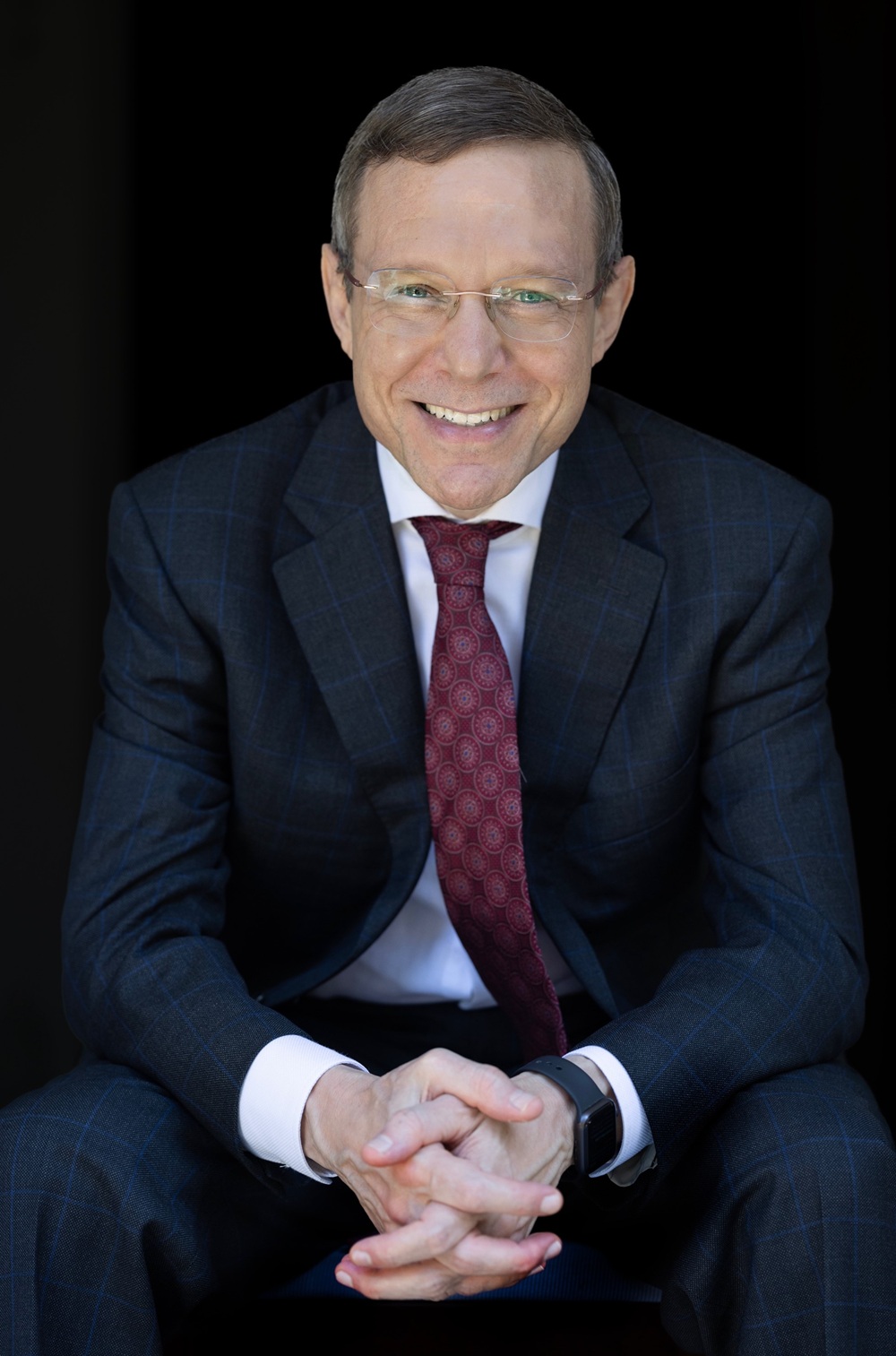
Abraham (Avi) Loeb
HELEN MARGETTS
Professor of Society and the Internet at the University of Oxford and Visiting Professor at the LSE’s Institute for Data Science. Starting in September 2026, she will take up a tenured professorship at the LSE, where she will work to establish a new Global Institute for Technology and Society. She founded and directed the Public Policy Program (2018–2025) at the Alan Turing Institute, which gained national and international recognition for its pioneering work on artificial intelligence and governance.
She served as Director of the Oxford Internet Institute (2011–2018), as well as Professor of Political Science and Director of the School of Public Policy at UCL (1999–2004).
Her research and writing focus on the relationship between technology, politics, public policy, and governance and include more than 150 articles and six books on the subject, among them Digital Era Governance (OUP, 2008) and AI and Digital Governance (OUP, forthcoming). Her book Political Turbulence: How Social Media Shape Collective Action (Princeton University Press) was awarded the 2017 J. Mackenzie Prize by the Political Studies Association for the best book in political science.
In the field of public administration, she serves on the Home Office Scientific Advisory Council (HOSAC, since 2019) and the United Nations Committee of Experts on Public Administration (CEPA, since 2025). She has also been honored with the Mayer-Struckmann Award from Heinrich Heine University Düsseldorf for her outstanding research on digitization and democratization (2020), the John F. Kluge Senior Chair in Technology and Society at the Library of Congress (2019), and the Friedrich Schiedel Award from the Technical University of Munich for her research and academic leadership in the fields of technology and politics (2018).
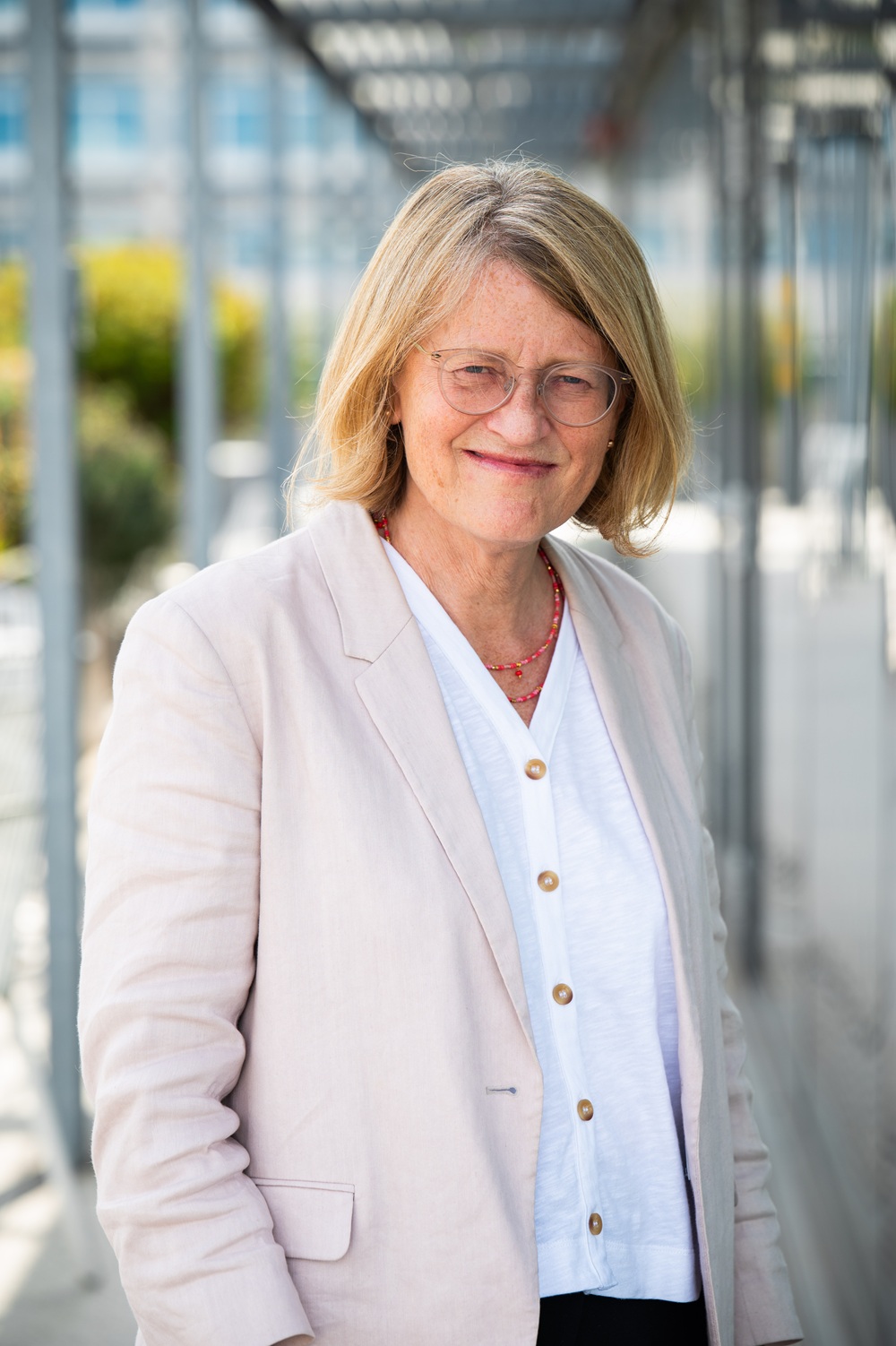
Helen Margetts
MARTIN REES (Lord Rees of Ludlow)
Distinguished Professor of Cosmology and Astrophysics and the 60th President of the Royal Society. He is regarded as one of the world’s leading authorities on the future of humanity and is an internationally recognized expert on existential risks such as solar flares, asteroid impacts, supervolcanoes, biotechnology, and artificial intelligence. Believing that the future of humanity is inextricably linked to the future of science, in recent years he has increasingly focused on global issues such as population growth and the risks arising from emerging technologies, including artificial intelligence. Co-founder of Cambridge’s Centre for the Study of Existential Risk, he is a highly sought-after speaker with more than 40 years of experience at the forefront of scientific innovation. After being elected a Fellow of King’s College, he served as Plumian Professor of Astronomy and Experimental Philosophy at the University of Cambridge. In 2005 he was appointed a member of the House of Lords of the United Kingdom. Throughout his distinguished career, his contribution has led to significant advances in fields such as cosmic jets, black holes, galaxy formation, and the theoretical aspects of cosmology. He was also one of the first scientists to predict the uneven distribution of matter in the Universe, while his pioneering research helped disprove the Steady State Theory. He has published more than 500 scientific papers and authored many books, including Our Final Hour, If Science is to Save Us, Just Six Numbers, and On the Future: Prospects for Humanity. He has received numerous honours, including the Gold Medal of the Royal Astronomical Society, the Heineman Prize for Astrophysics, and the Einstein Prize of the World Cultural Council.
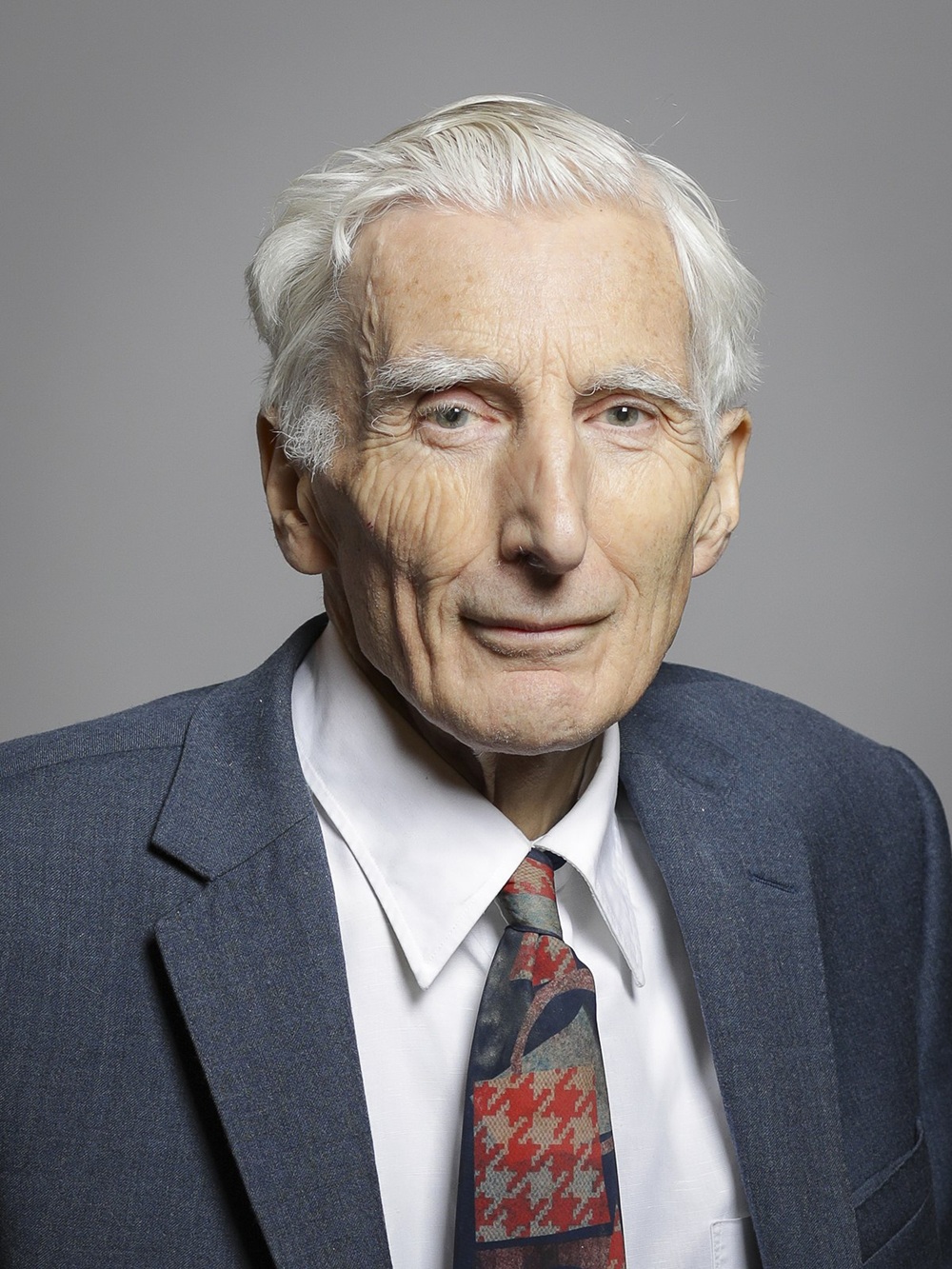
Martin Ress (Lord Rees of Ludlow)
PANAGIOTIS ROILOS
Professor of Greek Studies and Comparative Critical Theory and Literature, holder of the “George Seferis” Chair at Harvard University. At the same university, he is a research fellow at the Minda de Gunzburg Center for European Studies and at the Weatherhead Center for International Affairs, where he co-founded in 2007 and co-directs the seminar programme Cultural Politics.
His international distinctions for research include the Forschungsstipendium für erfahrene Wissenschaftler from the Alexander von Humboldt Foundation and an honorary doctorate from Panteion University of Social and Political Sciences.
He has written and edited twelve books, including the monographs Towards a Ritual Poetics (2003; co-author), “Amphoteroglossia”: A Poetics of the Twelfth-Century Medieval Greek Novel (2005), C. P. Cavafy: The Economics of Metonymy (2009), and the edited volumes Medieval Greek Storytelling: Fictionality and Narrative in Byzantium (2014) and From Byzantium to the Early Greek Enlightenment: Books, Writers, and Ideologies in Early Modern Greek Contexts [Late 15th–Early 18th C.] (2024). He is currently completing the books Neomedieval Metacapitalism and Postclassical Imaginaries: A Cognitive Anthropology of Late Antique and Byzantine “Phantasia”.
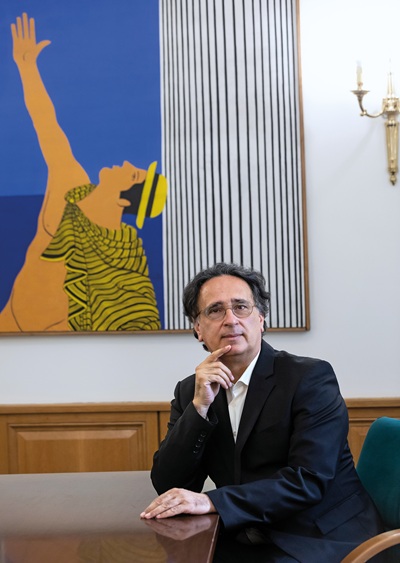
Panagiotis Roilos
LENART ŠKOF
Professor of Philosophy and Religious Studies, Director of the Institute for Philosophical and Religious Studies at the Science and Research Centre Koper (Slovenia), and Dean of the ISH School at Alma Mater Europaea University (Ljubljana, Slovenia). He is a member of the European Academy of Sciences and Arts (EASA, Salzburg) and president of the Slovenian Society for Comparative Religion. He has recently co-edited Philosophy of Breath: A Critical Anthology (Bloomsbury, forthcoming), Marian Reflections on War and Peace: Trauma, Mourning, and Justice in Ukraine and Beyond (Routledge, 2025), and Elemental-Embodied Thinking for a New Era (Springer, 2024). A specialist in American pragmatism, continental philosophy, and Asian philosophies, Škof has authored several books, including God in Post-Christianity: An Elemental Philosophical Theology (SUNY Press, 2024), Antigone’s Sisters: On the Matrix of Love (SUNY Press, 2021), and Breath of Proximity: Intersubjectivity, Ethics and Peace (Springer, 2015). He is co-editor, together with Magdalena Górska, of the Routledge series Critical Perspectives on Breath and Breathing. His academic trajectory includes major fellowships as a Fulbright visiting researcher at Stanford University, where he collaborated with Richard Rorty, and as a Humboldt visiting researcher at the Max Weber Centre for Advanced Cultural and Social Studies.
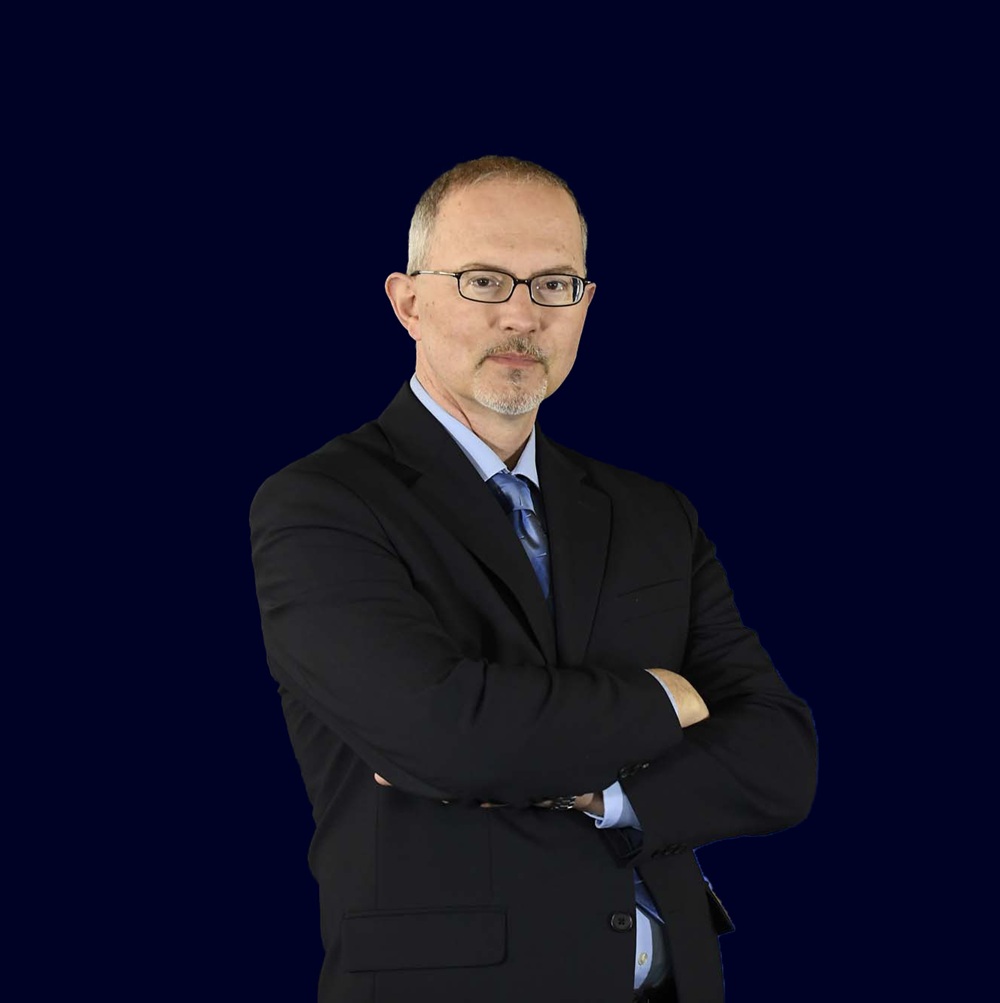
Lenart Skof

Leave A Comment