
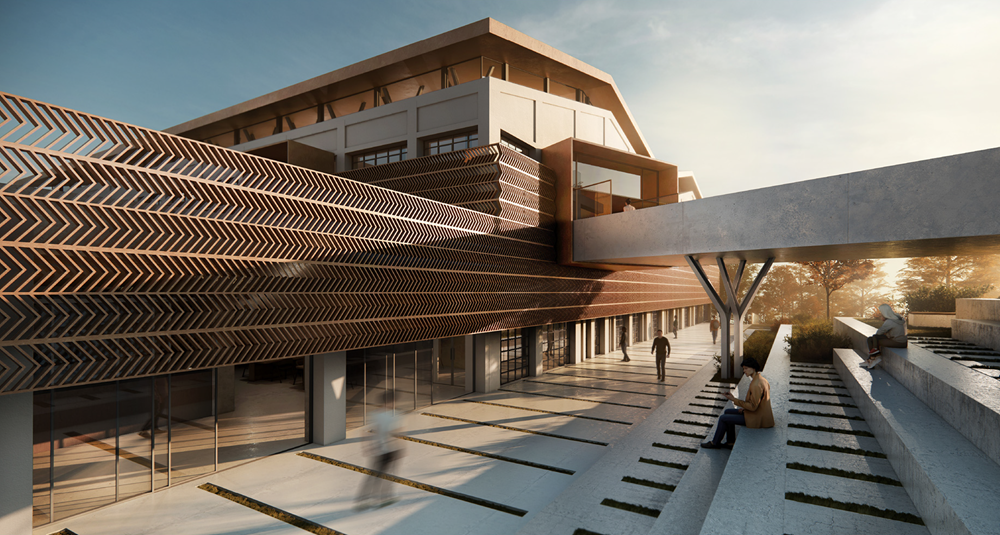
The Ministry of Culture is proceeding, as planned, with the preparation of the necessary studies—with a completion date set for the end of 2026—for the creation of the Archanes Archaeological Museum, which aims to showcase Crete’s cultural heritage. The project is being implemented under a Cultural Development Program Agreement between the Ministry of Culture, the Region of Crete, and the Municipality of Archanes–Asterousia, with scientific support from the Technical University of Crete.
The new museum will be housed in the building of the former wine bottling plant, which belonged to the former Archanes Agricultural Cooperative (SYNPE) and was transferred to the Ministry of Culture for the use of the building and its surrounding area. It is part of a property with a total area of 20,900 square meters, owned by the Municipality of Archanes-Asterousia, located in the settlement of Ano Archanes and within the boundaries of the area designated as a traditional site. According to the approved architectural plan, the Archanes Archaeological Museum covers 6,330 square meters and is organized into a 900-square-meter permanent exhibition space, a temporary exhibition hall, multimedia and educational application rooms, conference rooms, workshop spaces, storage areas for antiquities, and visitor service areas. The new building complex incorporates modern accessibility and energy-efficiency infrastructure. The Museum’s goal is to offer visitors comprehensive museum experiences through permanent and temporary exhibitions, educational programs, and modern infrastructure. The permanent exhibition will tell the story of Archanes, from prehistoric times to the present day.
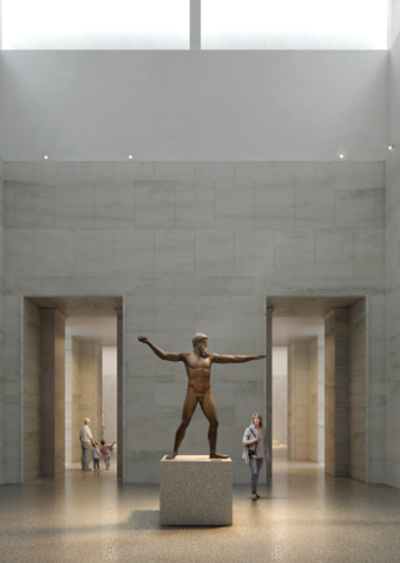
The planned exhibition is expected to feature approximately 1,000 artifacts of various sizes, ranging from pithoi and larnaxes to seals and jewelry. The exhibition is organized into main sections that provide an overview of the history and development of Archanes, beginning with an introduction highlighting the importance of water resources and aqueducts throughout history. Next, ancient Archanes is examined as an administrative and residential center, with references to daily life, production, and the countryside. This is followed by the necropolis and Mount Yuchtas, as a sacred site of religious significance. The exhibition explores the region’s connections with other areas and the wider world, as well as the historical development of Archanes from antiquity to modern times. Finally, it highlights agricultural production, particularly wine and olive oil.
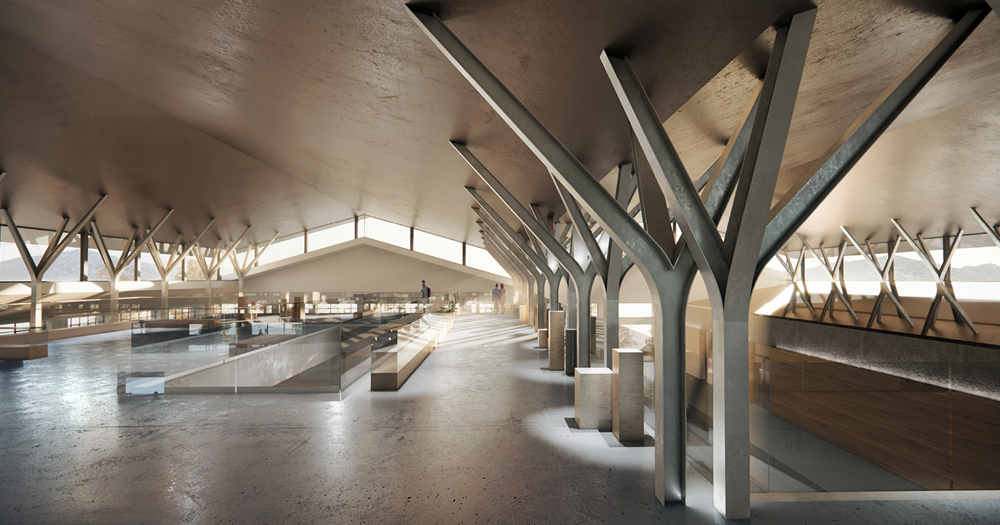
The architectural proposal for the building’s revitalization capitalizes on its distinctive morphological and structural characteristics, preserving elements of its industrial identity and integrating them into the museum’s operations. At the same time, extensive interventions are proposed to improve functionality, accessibility, and energy efficiency, as well as to create a dynamic internal circulation system with metal ramps. The main architectural interventions include the reconfiguration of the interior levels while preserving and reusing the old tanks as elements of industrial heritage, the reconstruction and raising of the roof to enhance the connection with the landscape, as well as the redesign of the facades while preserving the industrial character and using contemporary materials.


Leave A Comment