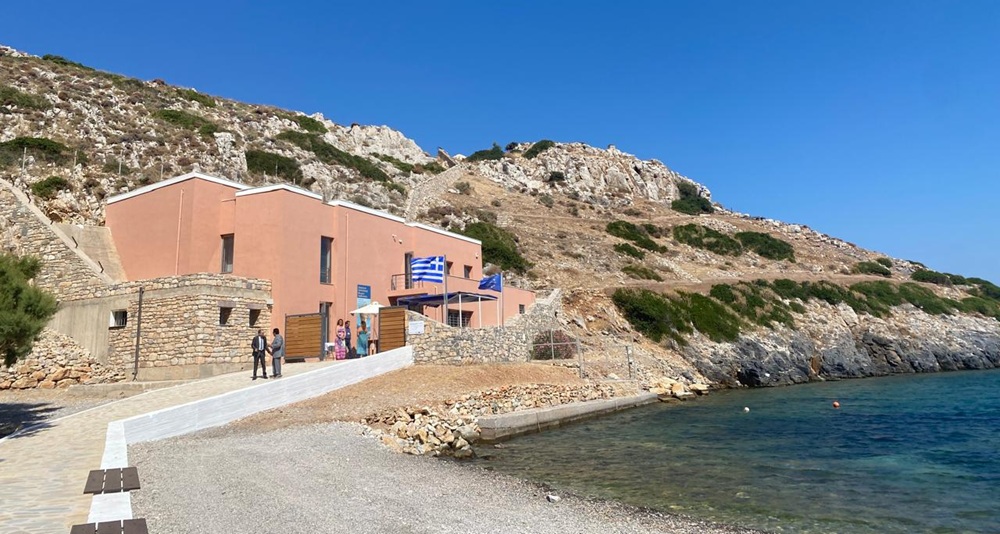
On Agathonisi, one of the most remote outposts of Hellenism, where history, culture, and the Greek national presence remain inextricably linked across the ages, the Diachronic Archaeological Museum was inaugurated, the 33rd new or fully renovated museum that the Ministry of Culture has opened to the public since 2019. Its establishment represents a significant investment in the preservation of our cultural heritage and, at the same time, a tangible affirmation of the State’s enduring presence on the remote islands of the Aegean. The inauguration was presided over by the President of the Republic, Konstantinos Tasoulas, in the presence of Minister of Culture Lina Mendoni, underscoring the project’s special symbolic significance for historical memory, national self-awareness, and the development of Greece’s outermost regions.
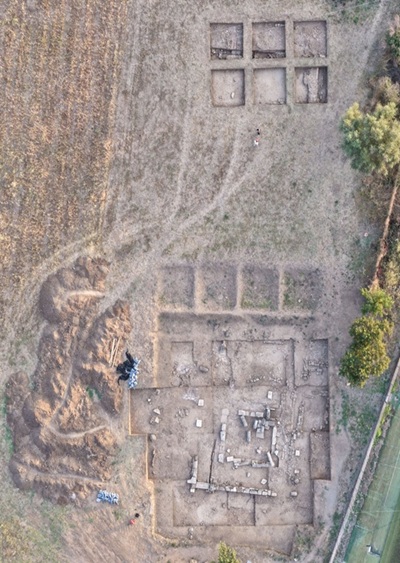
Agathonisi, the northernmost island of the Dodecanese, occupies a strategic position between the Dodecanese, the Aegean Sea, and Asia Minor. The Diachronic Archaeological Museum is located at Kastraki, within the archaeological site of the same name, directly adjacent to the ancient fortress dating to the 4th century B.C., which remained in use until the 2nd century B.C. as part of Miletus’s defensive network during the Hellenistic period. The driving force behind the systematic excavation at Kastraki is the current Director of Antiquities for Lesbos and Samos, Dr. Pavlos Triantafyllidis.
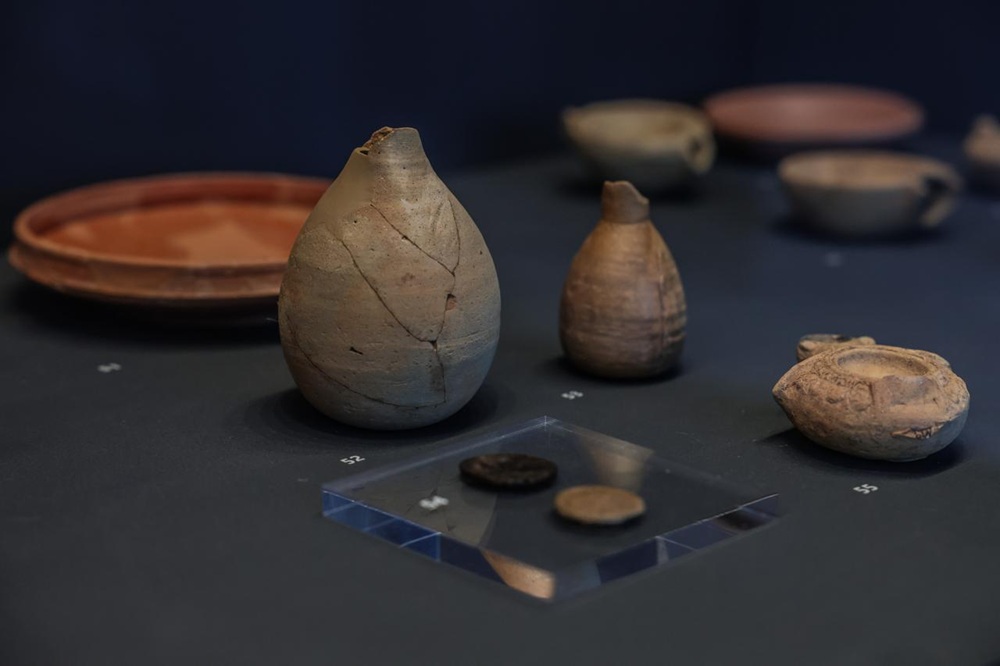
The museum is spread over two floors, presenting the island’s history through the ages, with a focus on the artifacts from Kastraki. The ground floor displays artifacts from the various phases of the fortress, as well as evidence of habitation dating back to the 3rd millennium B.C. The upper floor features thematic sections on military and daily life, productive activities (beekeeping, metallurgy, tanning, pottery), trade, ancient cults, the Byzantine period, and modern life on Agathonisi, using a wealth of audiovisual material.


Leave A Comment