
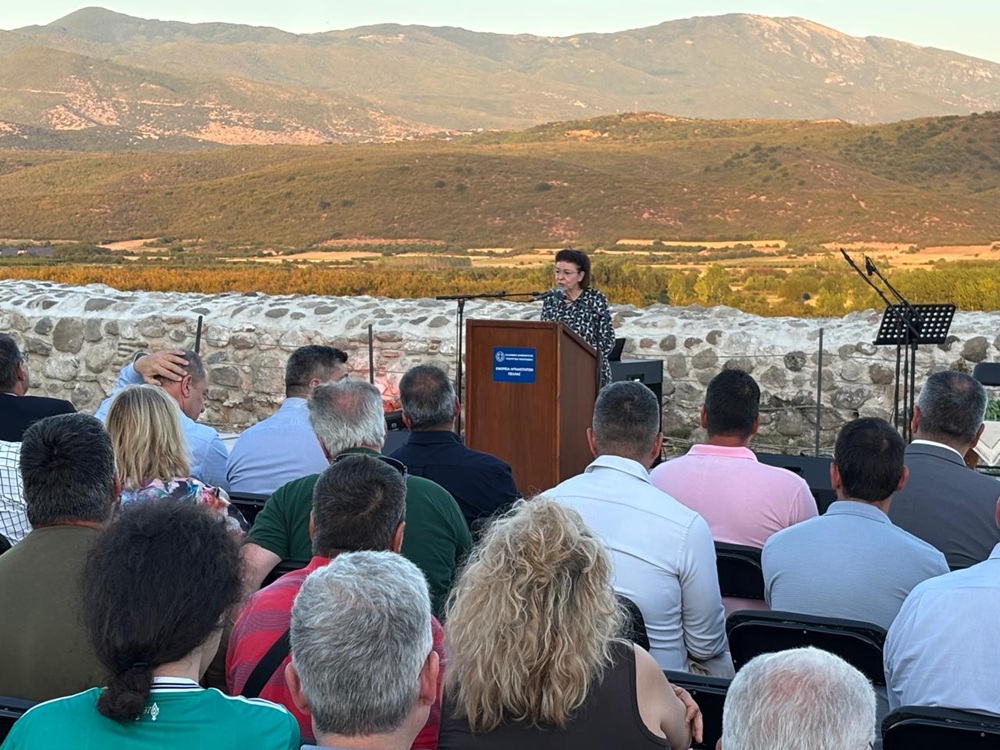
The Castle of Moglena in Pella, a monument of Byzantine fortification architecture, served for centuries as a crucial center of administration, defense, and ecclesiastical organization in the region of Macedonia, was presented by Minister of Culture Lina Mendoni to the local community and visitors to the area, following the completion of the project for its conservation, restoration, and enhancement, as well as the landscaping of its surrounding area.
Its connection to important figures and events in Byzantine history—such as the campaigns of Basil II, known as the Bulgar-Slayer, and Alexios I Komnenos, highlights its role not only as a local landmark but also as an integral part of the historical trajectory of Macedonia and Byzantium.
The restoration and enhancement of the Castle of Moglena go beyond the scope of a major technical conservation project. They represent a substantial investment in the preservation of cultural heritage, the strengthening of historical memory, and the development prospects of a region on the northern border of our country. Its protection and revitalization strengthen the collective identity of the local community, create new opportunities for cultural tourism and the local economy, and at the same time reaffirm that culture is a timeless element of national resilience and soft power.
The Castle of Moglena
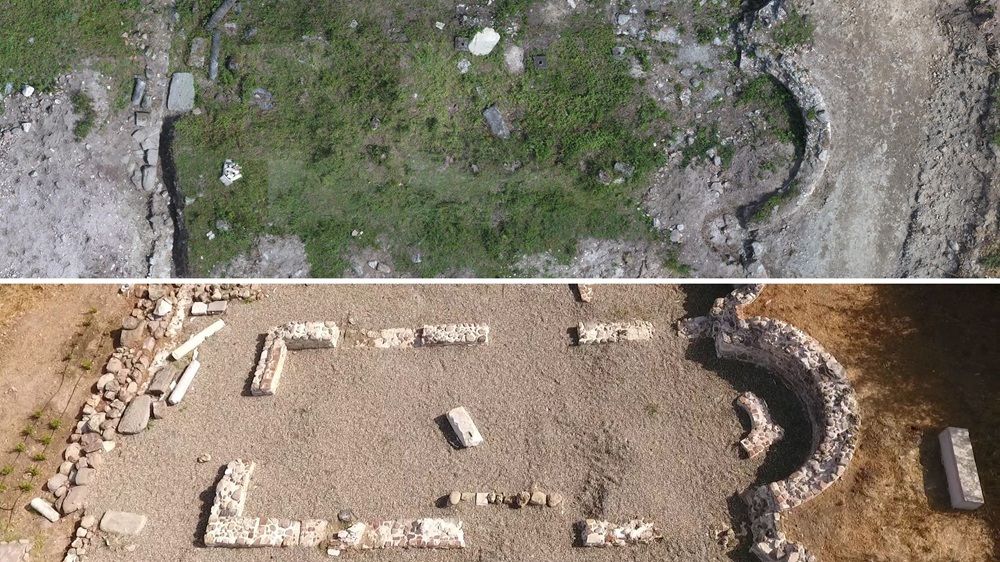
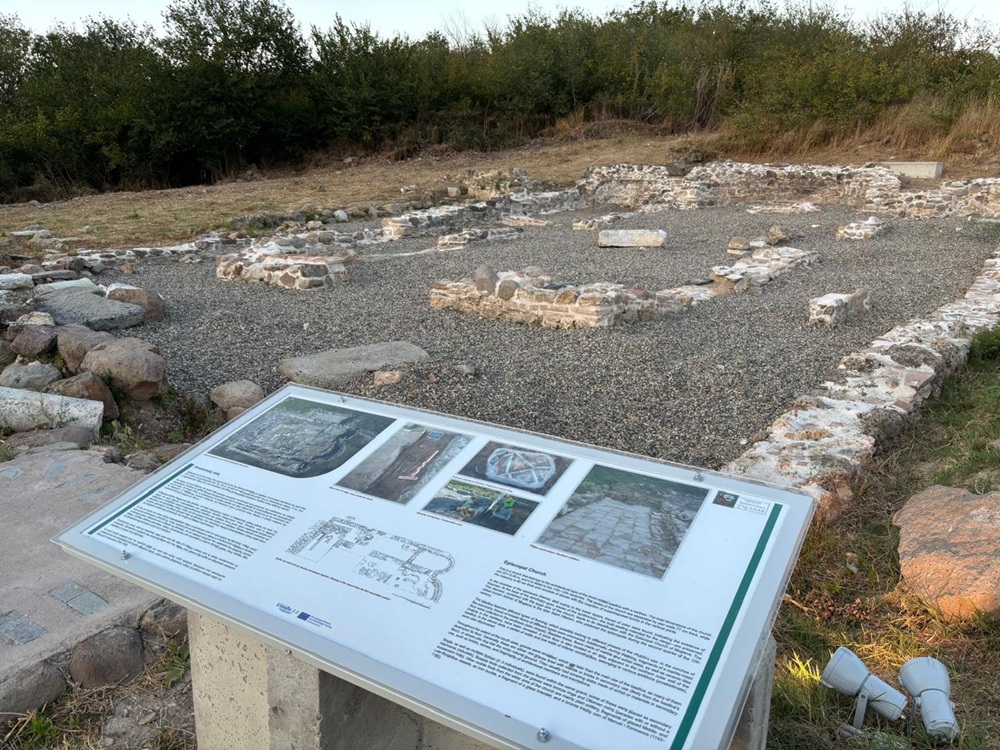
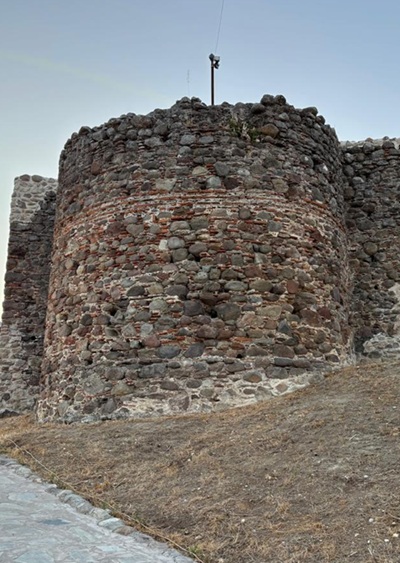
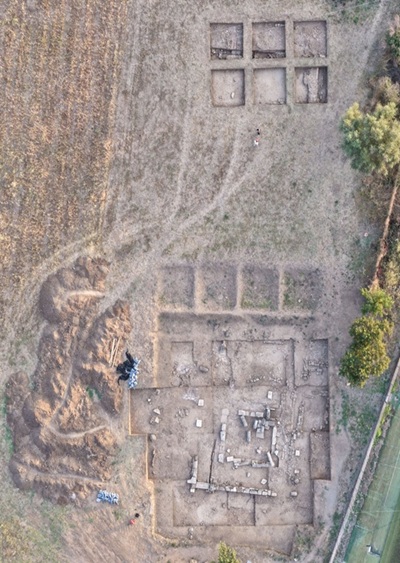
The Castle of Moglena is more widely known as the Castle of Chrysi, due to its proximity to the modern settlement of the same name. It stands in a commanding position from which it once controlled and protected the Almopia plain. In modern times, the castle was identified by 19th-century European travelers and associated with the Byzantine settlement of Moglena, an important administrative and ecclesiastical center of the region, and the seat of the military theme and diocese of the same name. It played a significant role in the effort to consolidate Byzantine rule in the region. The figure most closely associated with the history of the castle and the region is the Bishop of Moglena, later canonized as Saint Hilarion. He led the diocese during the second quarter of the 12th century, resolutely opposing the Bogomil heresy, which was established in the region. Life at the castle continued until the end of the 14th century and through the years of the Ottoman conquest of the region, after which it was gradually abandoned. The settlement was relocated to new sites on the surrounding plain. The first excavations were conducted between 1985 and 1987, during which the three-aisled basilica—identified as the episcopal church—was uncovered within the site, while outside the southern walls, a small cruciform church and part of a cemetery have been uncovered. In 2016, the Ephorate of Antiquities of Pella, in collaboration with the Municipality of Almopia and through the INTERREG program, advanced the project by conducting a series of studies on the conservation, restoration, and enhancement of the monument. New findings from the 2016–2018 excavations necessitated an update to the studies, and in early 2022, the project was included in the Recovery and Resilience Fund.
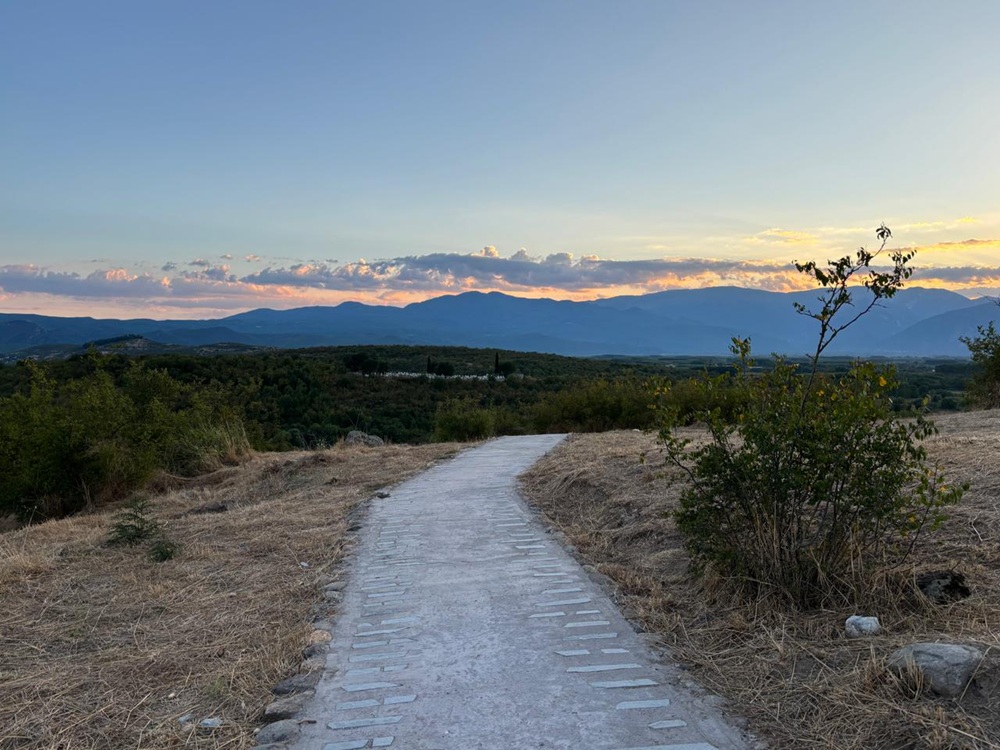
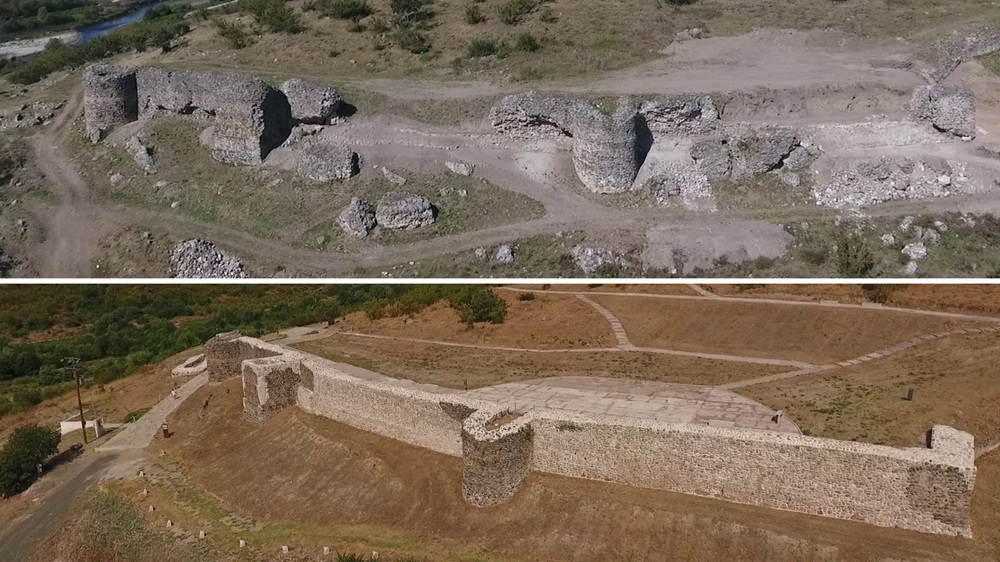
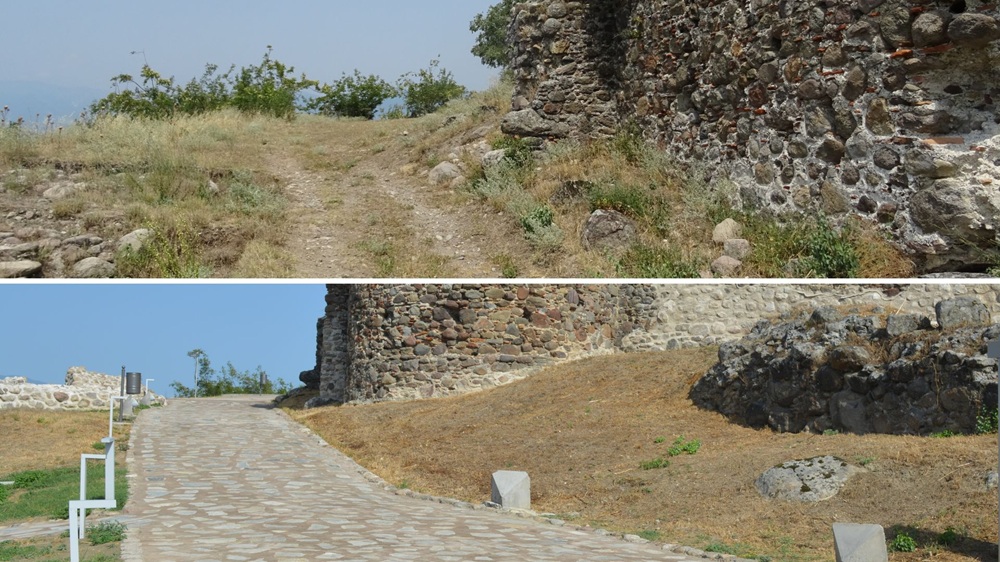
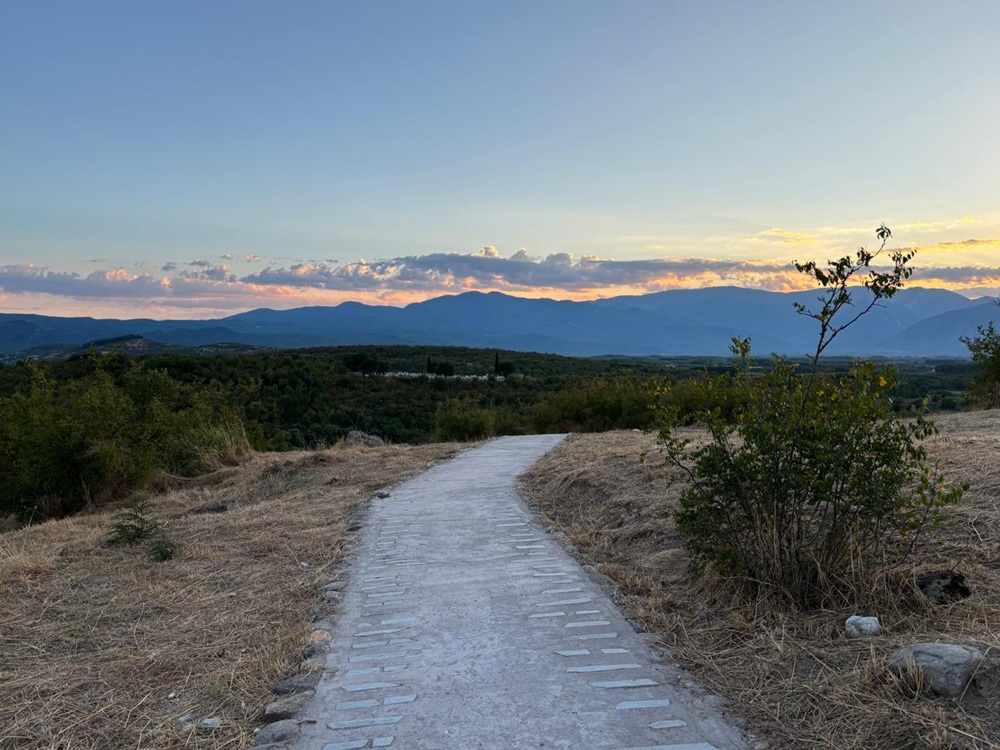
The work carried out involved—in addition to reinforcing the foundations—the repair of damage and the restoration and maintenance of a significant section of the eastern walls, as well as the gate tower of the southern walls, the filling in of facades and openings, and the conservation of the masonry of the Episcopal Basilica and the cemetery church. However, in addition to the technical work, the immediate surroundings of the monument were landscaped and enhanced, and new walking paths and restroom facilities were created to serve visitors. In certain sections of the Castle, viewing platforms were created to allow visitors to ascend and take in the surrounding area; informational signs were installed; and lighting was installed on the walls and along selected paths.


Leave A Comment