
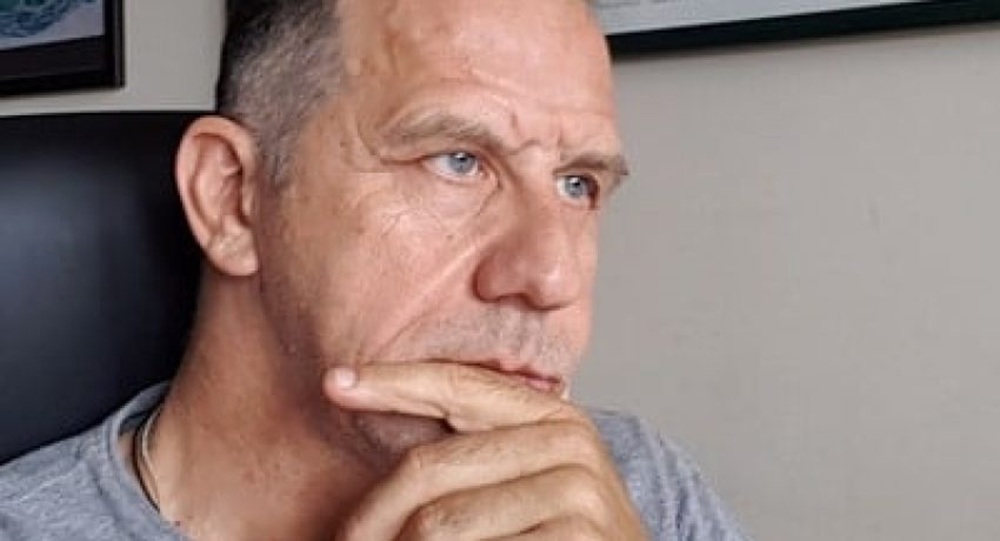
By Apostolos Vantarakis
Professor of Hygiene, Laboratory of Hygiene, Epidemiology, and Quality of Life, Department of Medicine, University of Patras
The concept of One Health recognizes that the health of humans, animals, and the environment is inextricably linked. This is not an abstract academic slogan, but a practical approach that, in Western Greece, can be translated into concrete actions with tangible benefits for local communities. We are at a critical juncture, which Western Greece must address through practical actions and interventions in the field of integrated healthcare.
Our region combines livestock farming and agriculture, rich wetlands such as the Ambracian Gulf and the Missolonghi Lagoon, as well as tourism. These characteristics create an environment where zoonotic diseases, infectious diseases, and environmental pressures can easily interact. Diseases such as leishmaniasis, West Nile fever, brucellosis, and leptospirosis are not theoretical risks, but real threats that require a coordinated response.
It is essential and urgently necessary to implement measures in our region, guided by the principle of Integrated Health, so that this concept does not remain an empty phrase devoid of substance and real meaning. Some proposed actions could include:
First, enhanced surveillance and timely reporting. The creation of local networks connecting veterinarians, doctors, municipalities, and environmental agencies enables the rapid exchange of information. When a veterinarian identifies cases in animals, the information must be immediately relayed to public health authorities to prevent transmission to humans. As a laboratory, we had requested funding from the NSRF for a program involving a surveillance system similar to the one already funded and implemented by the Region of Attica at the National and Kapodistrian University of Athens (NKUA). Unfortunately, such a program—which would provide us with significant information capabilities—remains merely a promise.
Second, the rational use of antibiotics. In livestock farming and agriculture, and in some cases in clinical medicine, the indiscriminate use of antimicrobial agents contributes to antimicrobial resistance, one of the world’s biggest health problems. Educating producers and adhering to protocols can drastically reduce this risk. In a previous study by our laboratory, we already documented the presence of many antibiotics and medications in general in the region’s wastewater.
Third, the control of mosquitoes and other vectors. In wetlands and coastal areas, mosquito control programs must be targeted, environmentally friendly, and ongoing in order to limit the risk of virus transmission without harming the sensitive ecosystem.
Fourth, the protection of water resources. Systematic monitoring of water quality in rivers, lagoons, and coastal areas protects swimmers, fishermen, and aquatic ecosystems alike. Pollution from agricultural wastewater and waste poses a common threat to everyone, especially if the waste contains resistant microorganisms. The need for a monitoring program has already been emphasized many times in the Region of Western Greece.
Fifth, educating the public. Simple messages about hygiene, safe contact with animals, protection against bites, and proper waste management can prevent many problems before they arise.
In summary, the key to One Health is collaboration. Universities, such as the University of Patras, research centers, regional authorities, healthcare professionals, and local communities must work in a coordinated manner rather than in silos. Western Greece has the human resources and expertise to serve as a model for implementing this approach.
One Health is not a luxury, but a necessity. Prevention always costs less than treatment, both in terms of human lives and financial resources. By investing today in coordinated, practical actions, we safeguard the health of people, animals, and our environment for future generations. Health is one and indivisible—and protecting it is everyone’s responsibility.





Leave A Comment