
Omolio Folk-Agricultural Showroom Marinos Antipas
Omolio Folk-Agricultural Showroom Marinos Antipas
Omolio is a historical settlement of the Municipality of Agia surrounded by great natural beauty. Located in a central location, 40 km from the capital of the Larissa regional administration, just three kilometers from the Athens-Thessaloniki national road and at a minimum distance from the sea. According to Homer, the city participated in the Amphictyony of Delphi, while the mint of Ancient Omoli was one of the greatest in central Greece. The ruins of this ancient city and citadel still remain close to current Omolio.
Conditions brought the village back close to major historical events. This is the soil in which Marinos Antipas is buried, one of the most important figures of Greece in the fight to defend civil liberties. When Antipas came to Thessaly, where he took over as caretaker of the property of his uncle, he changed social conditions in the region. Although he was in a position of strength, he deleted agricultural debts, applied Sunday as a day off and set the remuneration of tenant farmers based on 75% of production (instead of 25% as was up to then in force). His murder was the natural consequence in a place dominated by lthe andowners of the time.
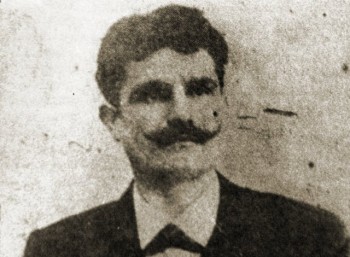
Μαρίνος Αντύπας / Marinos Antypas
Nowadays, the local community commemorates him, recognizing his contribution to changing social conditions, both in the region and across the country. It built a modest monument erected in Omolio where events are held every year in memory of the great fighter. At the same time, it gave his name to the small museum built in the village: Omolio Folk-Agricultural Showroom Marino Antipas, housed in the former Community chambers, located in the village square.
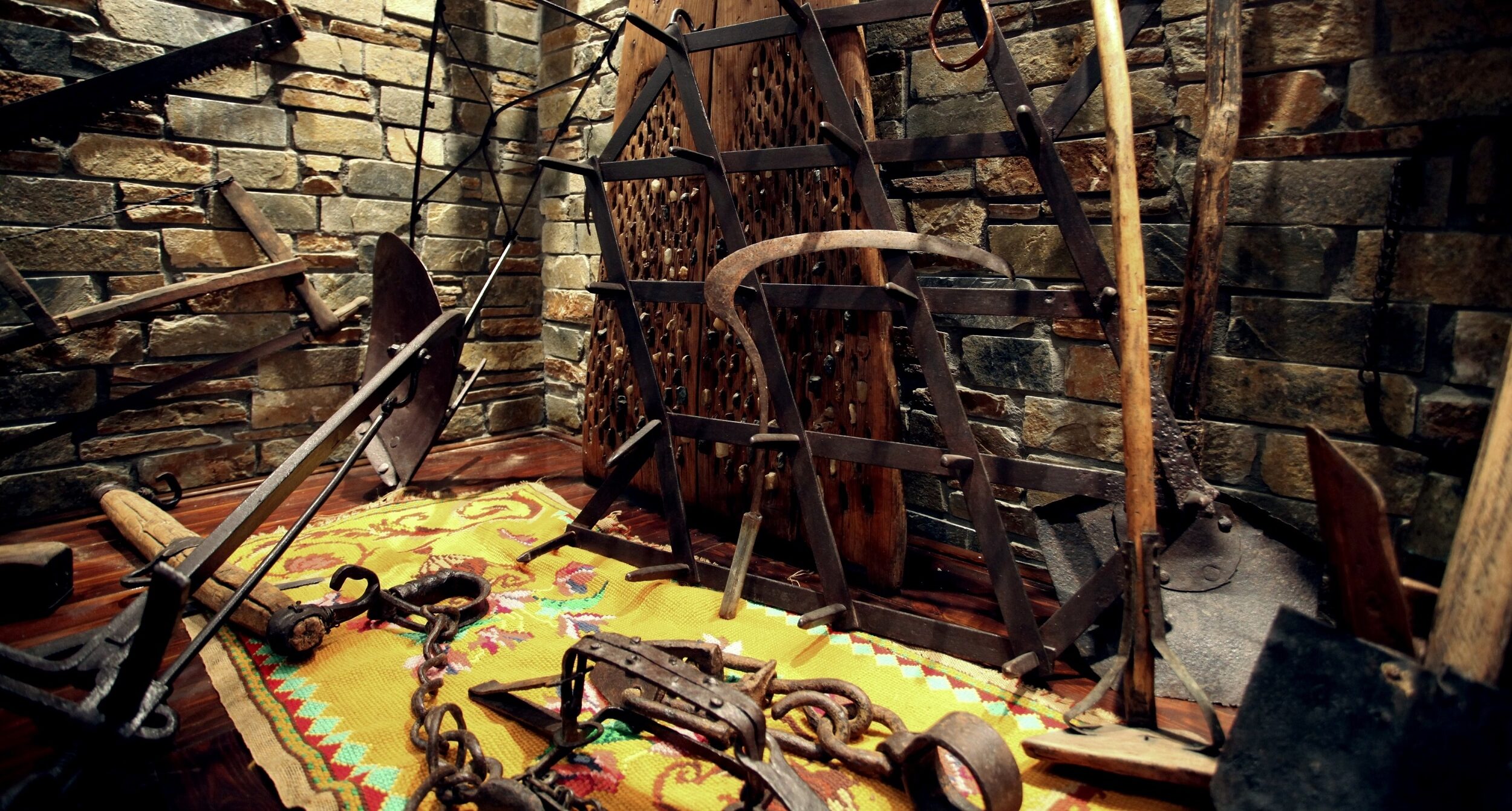
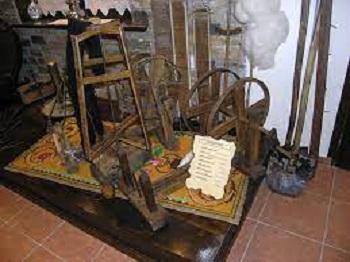
Today, the exhibition presents the tools used by the people for whom Antipas fought. Inaugurated on 18 March 2007 to mark the 100th anniversary of his death (murdered in 1907 in Pirgetos). Premechanical agricultural and foraging tools are hosted in the exhibition venue. Visitors can also admire tools of traditional occupations (fishermen, shoemakers, weavers, etc.) and objects from daily life of local people: handicrafts, embroidery and textiles, utilitarian household items (sofras (low tables), pots, pinakoti (bread levening boards)), local costumes, traditional clothing, woodwork items, postcards and engravings, coins, antique furniture, and a local bisiki (cot).
The collection includes artifacts that may be considered historical documents: a local’s military diary, which describes in detail the experience of the war in Asia Minor, but also photographs of social events and the occupations of the inhabitants. The showroom has a conference hall that holds 50-60 people.
Λαογραφικό-Γεωργικό Εκθετήριο Ομολίου Μαρίνος Αντύπας
Places like the Omolio Folk-Agricultural Showroom Marinos Antipas, although exhibiting objects from earlier times, alsoshow that traditional culture is not a static body of evidence that survives only in a museum. Because on the one hand, tools and materials actually bear witness to the immutable characteristics of an era (available resources, raw materials), however, they also reveal the basic principles of human creativity that lead to evolution. The name of the exhibition reminds us, at the same time, that this creativity should always be developed with concepts such as respecting the principles of human law and social justice.

A Tribute to Akis Panou. Municipal Choir of Agia. 12/07/2023, at the Thalassa Theater, in Platania, Velika.
A tribute to Akis Panou, one of the most important composers and lyricists of Greece, will be performed by the Municipal Choir of Agia "Dim. Tzijileris" on Wednesday, July 12, 2023 at 9:00 pm at the Thalassa Theatr, in Platania, Velika. A Tribute to Akis Panou The members of the choir, include the musicians Sdralis Panagiotis – bouzouki, Tsibanoudis Vangelis – keyboards, Magalios Giorgos – drums and Magalios Spyros - voice and guitar, and they are going to perform the songs of Akis Panou, while the philologist Odysseas Tsintjirakos will talk about his life ...More
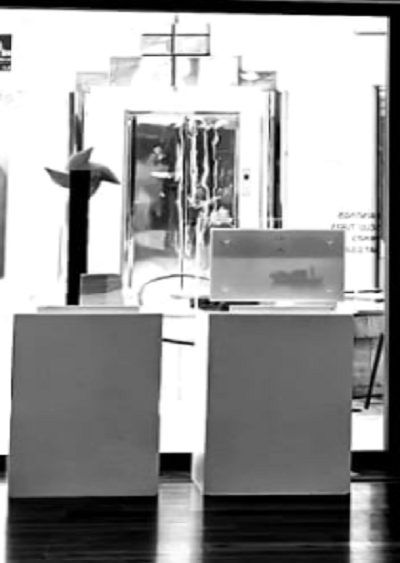
New Exhibition. Sissi’s Art Room. Summer Art Dialogues
Sissi's Art Room invites all the art lovers to the new collective exhibition, consisting of artworks and art objects from its collection for a dose of visual freshness in the summer. Dialogues between painting, sculpture and collage, between acrylic, oil and marble, between recognized artists and their younger successors. And the eternal dialogue between the work of art and the viewer, amid summer. OPENING: FRIDAY 14 JULY 12:00 – 19:00 SISSI’S ART ROOM OPENING HOURS TUESDAY – FRIDAY 11:00 – 20:00 SATURDAY 11:00 – 15:00 7 Kolokotroni Str. | Kifissia | 145 62 [email protected] | +30 ...More
Stavros Xarchakos Concert. International Festival of Patras, at the castle of Rio (on July 14th)
The great Greek composer Stavros Xarchakos compiles songs and melodies from the Pontus to Crete in his new show entitled “The sunrise rose, the west is gone”. This concert, to be held at 9.30 pm on Friday July the 14th at Rio Castle, continues the Festival’s tribute to exceptional Greek songwriters and musicians. Accompanying Stavros Xarchakos on stage, in addition to Iro Saia, known for her love and skill in folk singing, are performers - representatives of the authentic Cretan tradition, Dimitris “Chainis” Apostolakis, and of the Pontiac song, Alexis Parcharidis. The great Greek composer, ...More
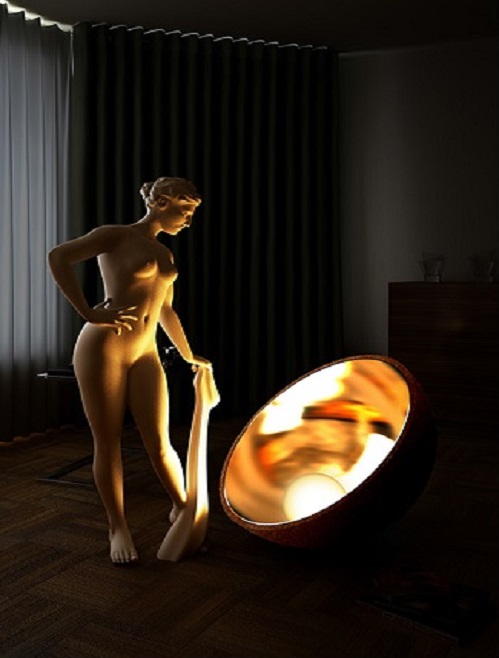
“Light Up”: Pan-Hellenic student design competition for an exemplar lighting fitting-The winners of the competition
On Sunday, July the 2nd, an event dedicated to the pan-Hellenic student design competition for an exemplar lighting fitting entitled LightUp was held at the National Research Foundation- a competition thrown by the Hellenic Institute of Architecture and the “Lighting Design” MA Program, of the School of Applied Arts and Sustainable Design of the Hellenic Open University. The aim of the competition was for the students to get familiarize with the synthetic process of designing a familiar industrial object, which has a direct effect on how we understand and perceive our space, to reflect on the ...More
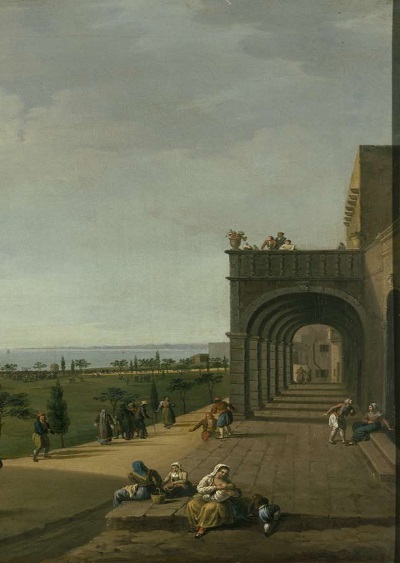
Exhibition. Benaki Museum. “Grand Tour”
In cooperation with the British Embassy Athens Benaki Museum is delighted to host ‘GRAND TOUR’ pop-up exhibition in the framework of its permanent collection in the Museum of Greek Culture and The Ghika Gallery. The exhibition includes 17 works of art, part of the UK Government Art Collection, which up until recently were housed at The British Ambassador’s Residence; they are on long term loan to be displayed in the Benaki Museum of Greek Culture and The Ghika Gallery. Fourteen of them will be exhibited at the Benaki Museum of Greek Culture and three at the ...More
Ministry of Culture and Sports. “All of Greece one culture”
The successful programme of the Ministry of Culture “All of Greece, One Culture” that has emerged as one of Greece’s most important cultural highlights over the last years and has been enthusiastically embraced by audiences all over the country, returns for a fourth run in summer 2023, offering a rare cultural experience at unique archaeological sites, monuments and museums in every corner of Greece. Revolving around climate crisis and its overwhelming effects on the planet’s present and future, this year’s ambitious and comprehensive programme of events of “All of Greece, One Culture” covers a wide spectrum ...More


Leave A Comment