
Omolio Folk-Agricultural Showroom Marinos Antipas
Omolio Folk-Agricultural Showroom Marinos Antipas
Omolio is a historical settlement of the Municipality of Agia surrounded by great natural beauty. Located in a central location, 40 km from the capital of the Larissa regional administration, just three kilometers from the Athens-Thessaloniki national road and at a minimum distance from the sea. According to Homer, the city participated in the Amphictyony of Delphi, while the mint of Ancient Omoli was one of the greatest in central Greece. The ruins of this ancient city and citadel still remain close to current Omolio.
Conditions brought the village back close to major historical events. This is the soil in which Marinos Antipas is buried, one of the most important figures of Greece in the fight to defend civil liberties. When Antipas came to Thessaly, where he took over as caretaker of the property of his uncle, he changed social conditions in the region. Although he was in a position of strength, he deleted agricultural debts, applied Sunday as a day off and set the remuneration of tenant farmers based on 75% of production (instead of 25% as was up to then in force). His murder was the natural consequence in a place dominated by lthe andowners of the time.
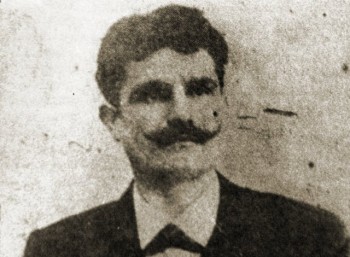
Μαρίνος Αντύπας / Marinos Antypas
Nowadays, the local community commemorates him, recognizing his contribution to changing social conditions, both in the region and across the country. It built a modest monument erected in Omolio where events are held every year in memory of the great fighter. At the same time, it gave his name to the small museum built in the village: Omolio Folk-Agricultural Showroom Marino Antipas, housed in the former Community chambers, located in the village square.
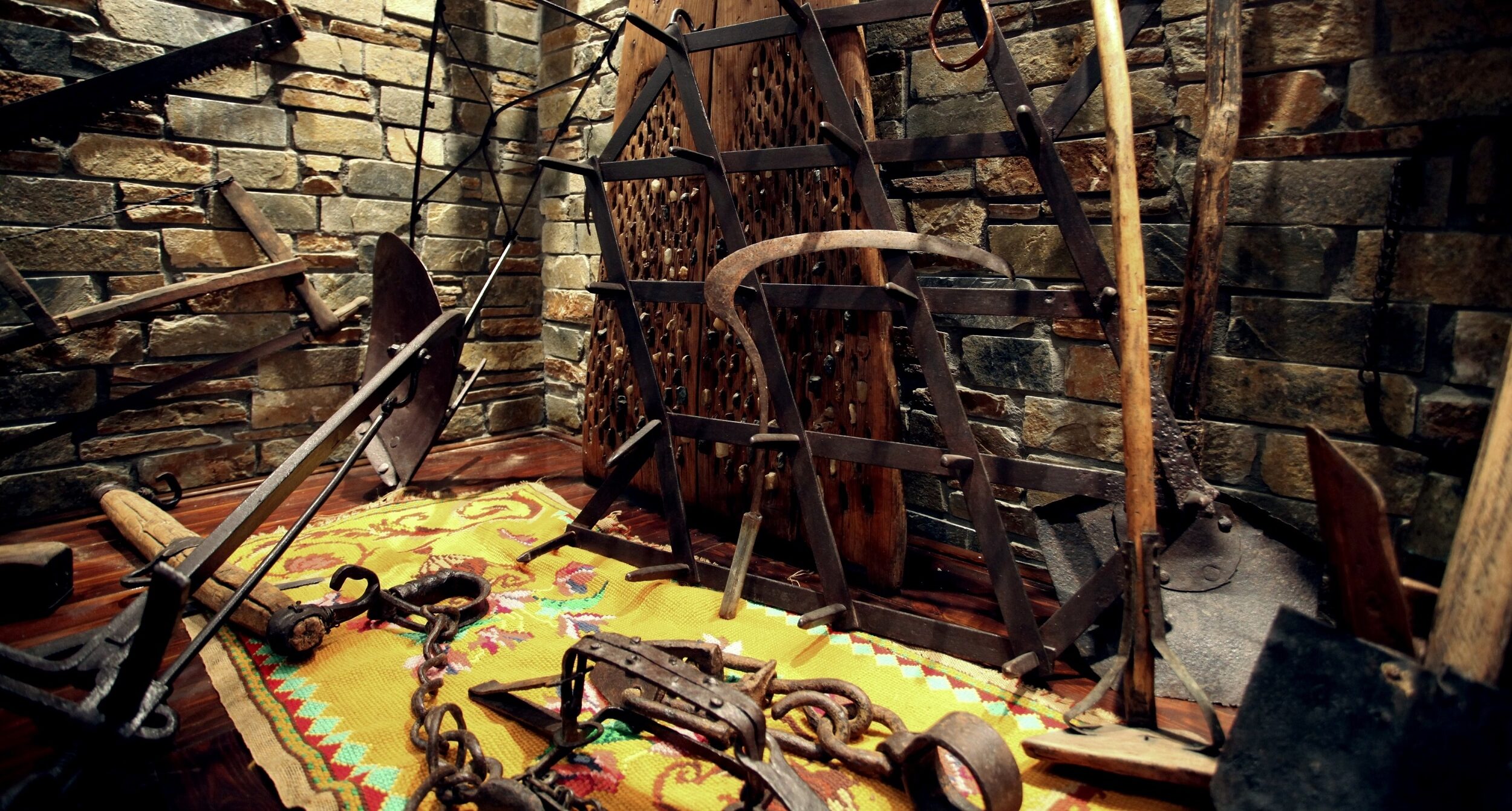
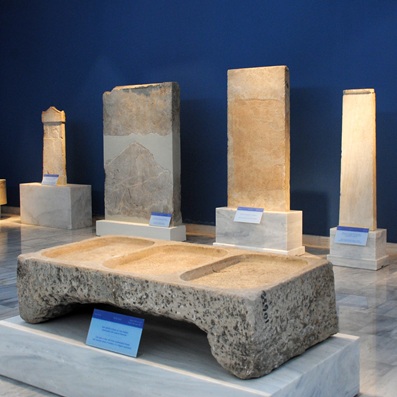
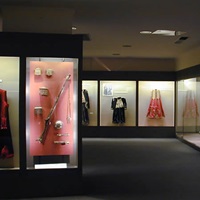
Today, the exhibition presents the tools used by the people for whom Antipas fought. Inaugurated on 18 March 2007 to mark the 100th anniversary of his death (murdered in 1907 in Pirgetos). Premechanical agricultural and foraging tools are hosted in the exhibition venue. Visitors can also admire tools of traditional occupations (fishermen, shoemakers, weavers, etc.) and objects from daily life of local people: handicrafts, embroidery and textiles, utilitarian household items (sofras (low tables), pots, pinakoti (bread levening boards)), local costumes, traditional clothing, woodwork items, postcards and engravings, coins, antique furniture, and a local bisiki (cot).
The collection includes artifacts that may be considered historical documents: a local’s military diary, which describes in detail the experience of the war in Asia Minor, but also photographs of social events and the occupations of the inhabitants. The showroom has a conference hall that holds 50-60 people.
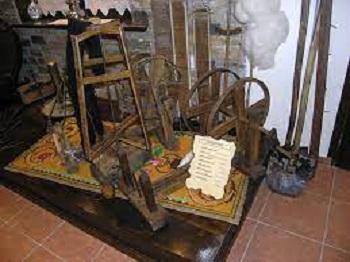
Λαογραφικό-Γεωργικό Εκθετήριο Ομολίου Μαρίνος Αντύπας
Places like the Omolio Folk-Agricultural Showroom Marinos Antipas, although exhibiting objects from earlier times, alsoshow that traditional culture is not a static body of evidence that survives only in a museum. Because on the one hand, tools and materials actually bear witness to the immutable characteristics of an era (available resources, raw materials), however, they also reveal the basic principles of human creativity that lead to evolution. The name of the exhibition reminds us, at the same time, that this creativity should always be developed with concepts such as respecting the principles of human law and social justice.
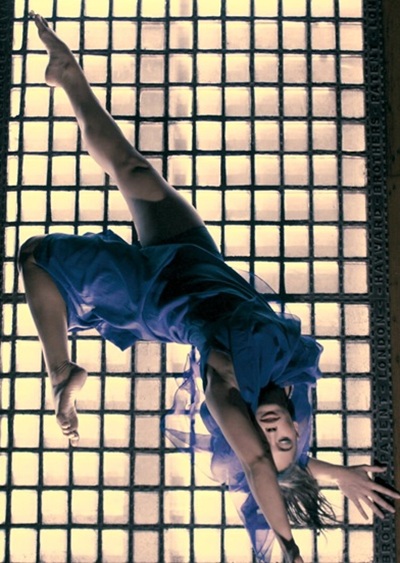
8th Loutraki International Film Festival “BRIDGES” | June 13–21, 2026: Loutraki becomes the capital of cinema this June!
At the 8th Loutraki International Film Festival “BRIDGES”... This year, the audience will have the opportunity to enjoy: 90 short and feature-length films from 26 countries, with their creators in attendance Cineart International Short Film Festival Educational seminars and film workshops Pitching & Networking Events for audiovisual professionals The painting exhibition “My Loutraki” by Arianna Bini at Beau Rivage The “NEREAS” Film Awards The grand premiere of “1st BRIDGES – Greece on Classic Wheels” The Festival kicked off on Saturday, June 13, with “1st BRIDGES – Greece on Classic Wheels,” a unique route for classic and ...More
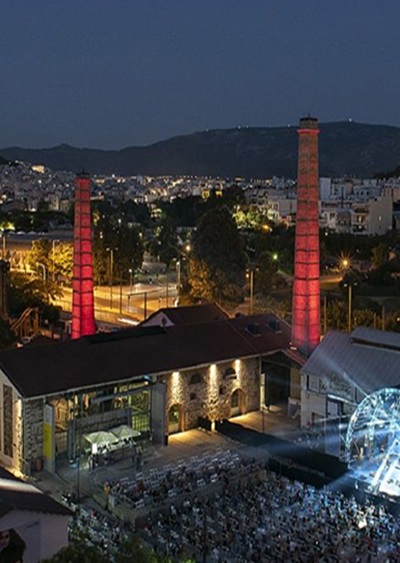
Athens Epidaurus Festival | The ATTRACTIONS we enjoy at Peiraios 260
The Athens Epidaurus Festival invites the public to a uniquely visual tour of the Peiraios 260 venue. • In an in situ installation in Space Z—which in recent years has served as a workshop for the construction of set design materials as well as a storage space for them — visitors can watch the five episodes of the project THEATER by American artists Calla Henkel and Max Pitegoff, who live and work in Berlin and Los Angeles. • In the Foyer of Space E, as part of C_Music NOW, Russian composer Sergey Khismatov’s audiovisual installation VIDEO ...More
Open Call for Artistic Proposals for the Kolonos Festival of the City of Athens
City of Athens, through ΟPANDA), is opening the doors of the Kolonos Festival and inviting artists, theater companies, and creators to submit their proposals for theatrical and musical theater performances, which will shape the artistic program at the Kolonos Theater in September 2026. Important Dates Submission of proposals: From Monday, June 15, through Wednesday, June 24, 2026, at the following web address festival.opanda.gr Announcement of results: Wednesday, July 15, 2026 With the aim of promoting contemporary artistic expression and supporting the creative community, the Kolonos Festival continues to serve as a gathering place in the heart ...More

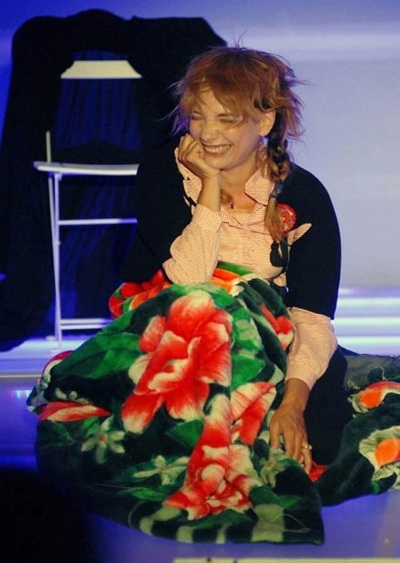
Athens Epidaurus Festival| Yorgos Valais-Stores. Beauty, Equity, Happiness| 14-15 June 2026
A clothing department store, unmistakably reminiscent of the retail chains of our time. Inside it, a chorus of people tries on garments, shops, queues, engages in small talk, rests, collides, undresses, begins again. They sing and deliver monologues. They dream of the future. Starting from this recognisable, realistic setting, the episodes, songs, and monologues fracture the linearity of realism, unfolding a mosaic of destinies – a contemporary choric tapestry of lives trapped within the limits of their own desires. A world caught in repetition, recycling gestures and behaviours, enclosed within a climate-controlled space/time whose exits gradually ...More
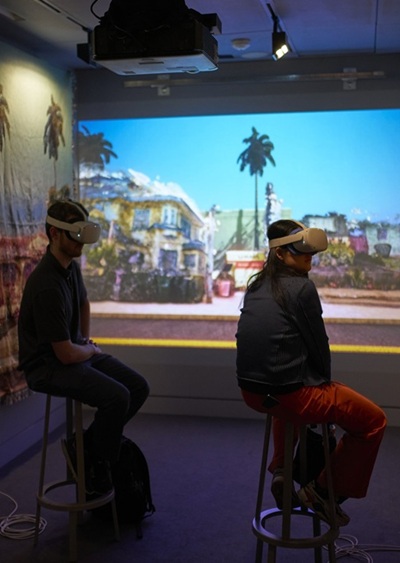
Onassis Stegi| Summer School 2026: Innovation, Tech & Culture
What worlds can we imagine when art, technology, and innovation come together? How can new technologies become tools for creation, critical thinking, and social change? The Onassis ONX and ACE Summer School: Innovation, Tech & Culture returns for its third consecutive year, inviting creative professionals to explore the harmonious coexistence of art, technology, and sustainable entrepreneurship. The Summer School: Innovation, Tech & Culture (July 1–13, 2026, at the Center for Entrepreneurship and Innovation (ACE), Athens University of Economics and Business) aims to bring together the worlds of Culture and Digital Arts with the fields of Technology, ...More
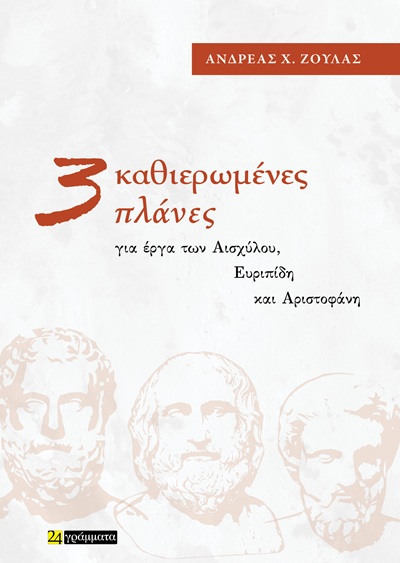
24 Grammata Publications | Andreas H. Zoulas—3 Common Misconceptions About the Works of Aeschylus, Euripides, and Aristophanes
Title: 3 Common Misconceptions About the Works of Aeschylus, Euripides, and Aristophanes Author: Andreas H. Zoulas Publisher: 24 grammata Subject: Αncient Greek Drama, Philology Year: October 2025 Pages: 113 The author of this work, Andreas H. Zoulas, notes in his preface: The subject of my research and the title of the book are… THREE ESTABLISHED MISCONCEPTIONS (regarding the works of Aeschylus, Euripides, and Aristophanes). …whether from the very beginning or from long ago. Their common feature is their general acceptance, despite the fact that they distort the letter and spirit of the Text… -Aeschylus in “Agamemnon” ...More


Leave A Comment