
Omolio Folk-Agricultural Showroom Marinos Antipas
Omolio Folk-Agricultural Showroom Marinos Antipas
Omolio is a historical settlement of the Municipality of Agia surrounded by great natural beauty. Located in a central location, 40 km from the capital of the Larissa regional administration, just three kilometers from the Athens-Thessaloniki national road and at a minimum distance from the sea. According to Homer, the city participated in the Amphictyony of Delphi, while the mint of Ancient Omoli was one of the greatest in central Greece. The ruins of this ancient city and citadel still remain close to current Omolio.
Conditions brought the village back close to major historical events. This is the soil in which Marinos Antipas is buried, one of the most important figures of Greece in the fight to defend civil liberties. When Antipas came to Thessaly, where he took over as caretaker of the property of his uncle, he changed social conditions in the region. Although he was in a position of strength, he deleted agricultural debts, applied Sunday as a day off and set the remuneration of tenant farmers based on 75% of production (instead of 25% as was up to then in force). His murder was the natural consequence in a place dominated by lthe andowners of the time.
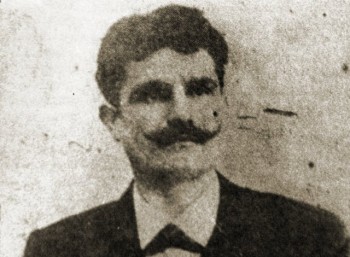
Μαρίνος Αντύπας / Marinos Antypas
Nowadays, the local community commemorates him, recognizing his contribution to changing social conditions, both in the region and across the country. It built a modest monument erected in Omolio where events are held every year in memory of the great fighter. At the same time, it gave his name to the small museum built in the village: Omolio Folk-Agricultural Showroom Marino Antipas, housed in the former Community chambers, located in the village square.
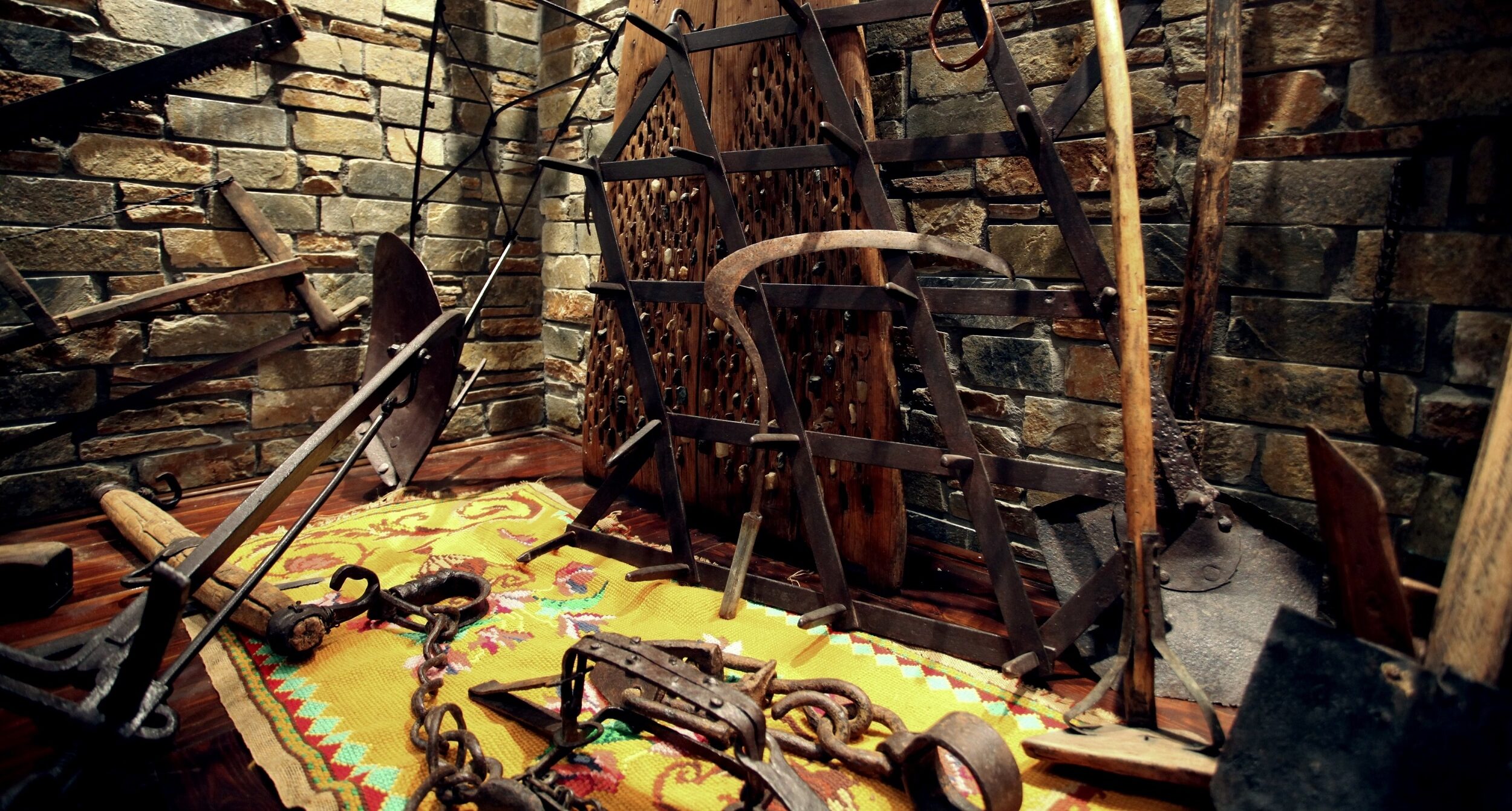
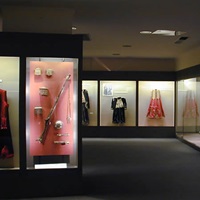
Today, the exhibition presents the tools used by the people for whom Antipas fought. Inaugurated on 18 March 2007 to mark the 100th anniversary of his death (murdered in 1907 in Pirgetos). Premechanical agricultural and foraging tools are hosted in the exhibition venue. Visitors can also admire tools of traditional occupations (fishermen, shoemakers, weavers, etc.) and objects from daily life of local people: handicrafts, embroidery and textiles, utilitarian household items (sofras (low tables), pots, pinakoti (bread levening boards)), local costumes, traditional clothing, woodwork items, postcards and engravings, coins, antique furniture, and a local bisiki (cot).
The collection includes artifacts that may be considered historical documents: a local’s military diary, which describes in detail the experience of the war in Asia Minor, but also photographs of social events and the occupations of the inhabitants. The showroom has a conference hall that holds 50-60 people.
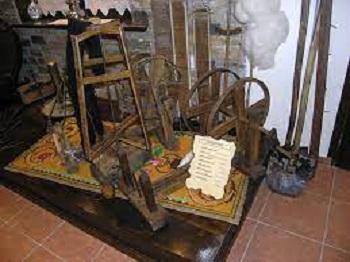
Λαογραφικό-Γεωργικό Εκθετήριο Ομολίου Μαρίνος Αντύπας
Places like the Omolio Folk-Agricultural Showroom Marinos Antipas, although exhibiting objects from earlier times, alsoshow that traditional culture is not a static body of evidence that survives only in a museum. Because on the one hand, tools and materials actually bear witness to the immutable characteristics of an era (available resources, raw materials), however, they also reveal the basic principles of human creativity that lead to evolution. The name of the exhibition reminds us, at the same time, that this creativity should always be developed with concepts such as respecting the principles of human law and social justice.
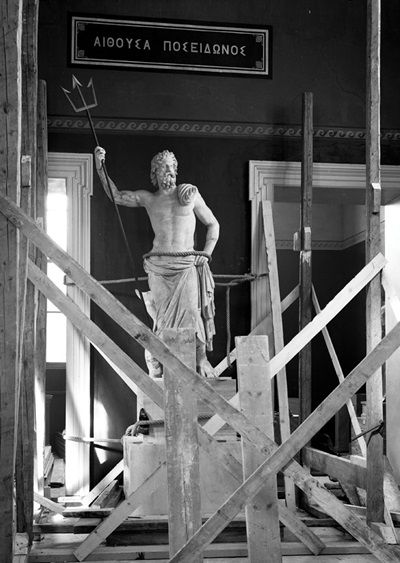
1940. Resistance of the archaeologists
another story was added to the vast history that these masterpieces carry… After the summer of 1940, it had become clear that sooner or later Greece would be forced to get involved in the war. All preparations had to be completed quickly, efficiently, but also in secret, since it should not be obvious that the country was preparing for war. Among other things, it was deemed necessary to ensure the safekeeping of the antiquities from the Museums of Greece in order to protect them from possible bombing and looting in case of conquest. Ποσειδώνας / Poseidon ...More
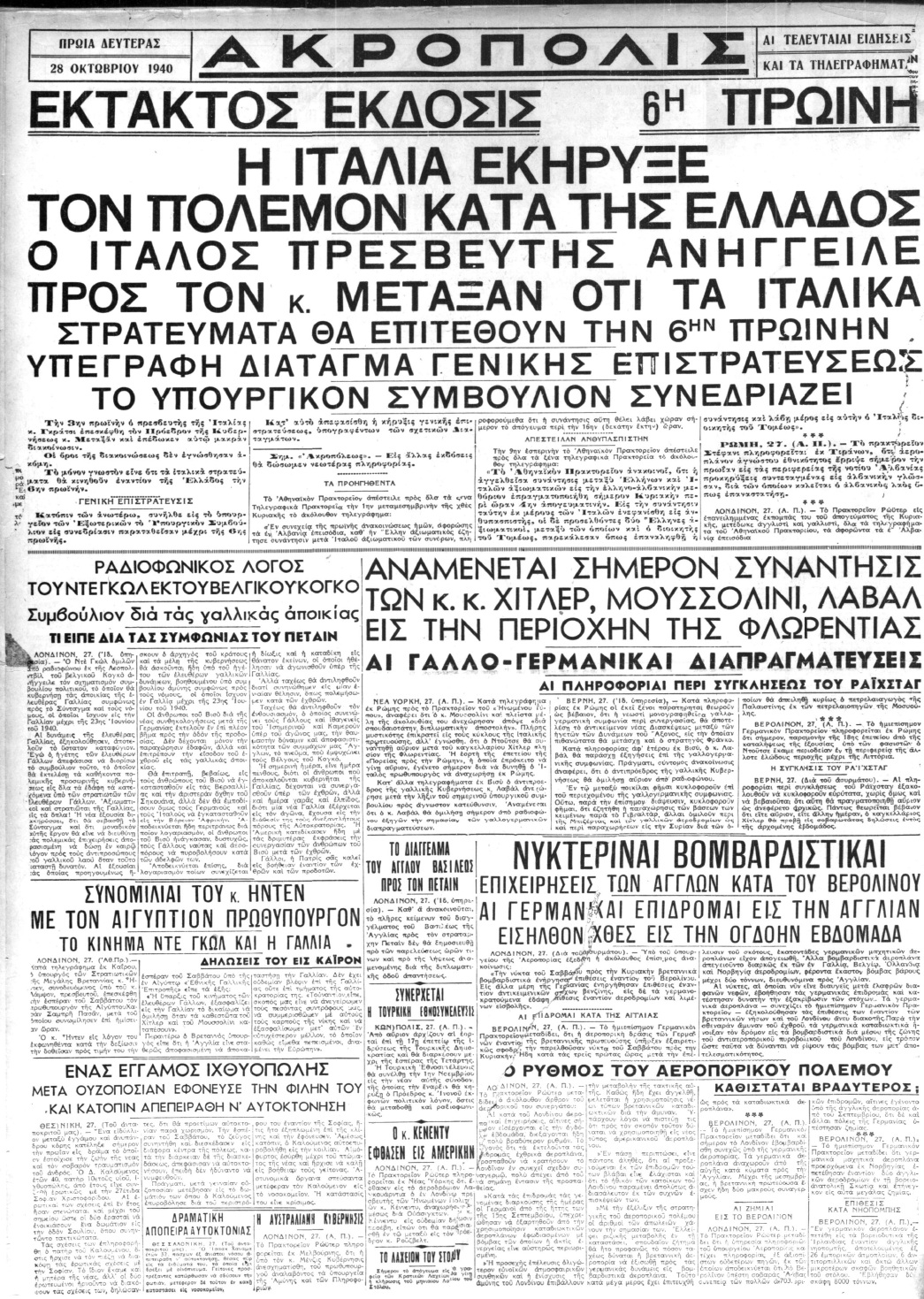
“The new conditions of our lives.” The first days of the war in Athens through the pages of the newspaper “Akropolis”. Βy Giannis Loukas.
To a greater or lesser extent, through school celebrations and commemorative events, the enthusiasm with which the Greeks enlisted in the army at the outbreak of the Greco-Italian War, the successes of the army, and the advance on the front are well known. However, the distance from the events, the study of history through books, and the reproduction of public history through official anniversary speeches leave out the citizens who continued to live in cities and villages. The pages of the daily press reveal how people's lives changed with the outbreak of war. Focusing on the ...More
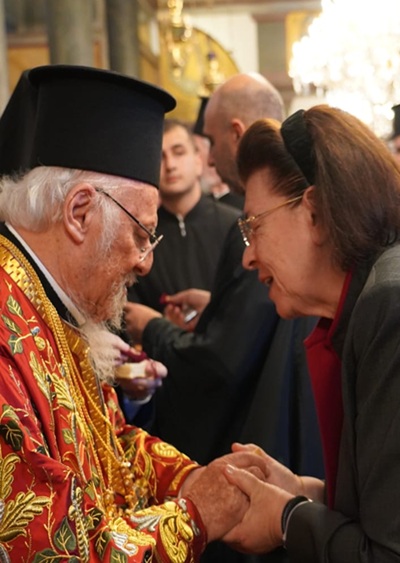
Fener| Thirty-five Years of the Patriarchate of His All-Holiness Bartholomew
The 35th anniversary of the blessed ministry of His All-Holiness Bartholomew in the Holy and Great Church of Christ in Constantinople was celebrated at the Fener not only with the appropriate ecclesiastical splendor, but also provided an occasion for people of all ages to express their love for the Ecumenical Patriarch and their unwavering faith in the Orthodox Christian Tradition. The Ecumenical Patriarchate of Constantinople, first in rank among the ancient churches, is a living repository of memory, faith, and culture. Beyond its spiritual, pastoral, and ecclesiastical role, it has historically been one of the most ...More
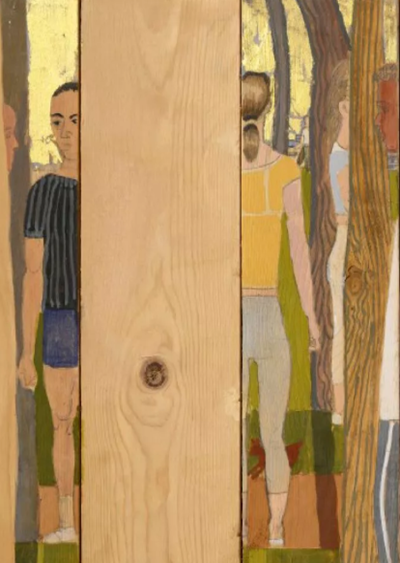
Digital Exhibition from the National Library of Greece | Kostas Papanikolaou: Four Seasons
The National Library of Greece presents a digital exhibition by painter Kostas Papanikolaou titled “Four Seasons” on its digital exhibitions website. The sections of the exhibition, structured around the (constructed) framework of the four seasons, reflect the thematic themes that preoccupy the painter: a) landscape and b) contemporary genre painting, whether in the city or the countryside. In each of the four sections, a central work serves as a point of reference, around which a collection of paintings, drawings, and watercolors unfolds, composing a multidimensional dialogue of images and narratives. Through this framework, the following questions ...More
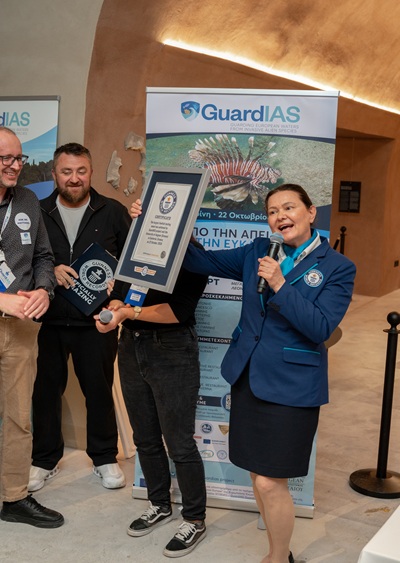
University of the Aegean | Guinness World Record in Santorini: 370 people tasted lionfish
A highly successful event took place on Thursday, October 22, 2026, at Santo 1911 in Vlychada, Santorini, the University of the Aegean’s major culinary and environmental event, held as part of the European research project GuardIAS, focused on the lionfish (Pterois miles). The lionfish is an invasive alien species that is spreading throughout the Mediterranean and preys on native fish and invertebrates, affecting marine ecosystems. Promoting its consumption can create incentives for targeted fishing, helping to locally control its populations and mitigate its impacts. The event marked the culmination of a significant effort to inform and ...More
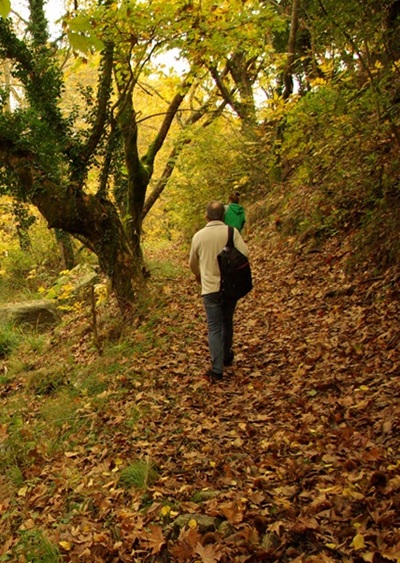
The 10th Mushroom Festival in Skithro, Agia, on Sunday
On Sunday, October 25, 2026, Skithro Agia will be decked out in its autumn colors and will host the 10th Mushroom Festival, an event dedicated to the richness of Thessalian nature, the world of mushrooms, and the promotion of the region’s natural and cultural heritage. The event is organized by the Municipality of Agia, the Region of Thessaly, the Skithro Cultural and Recreational Association, and the Community of Skithro, inviting residents and visitors to participate in a special day of learning, exploration, and culinary experiences, set against the backdrop of the region’s stunning natural environment. The ...More


Leave A Comment