
Omolio Folk-Agricultural Showroom Marinos Antipas
Omolio Folk-Agricultural Showroom Marinos Antipas
Omolio is a historical settlement of the Municipality of Agia surrounded by great natural beauty. Located in a central location, 40 km from the capital of the Larissa regional administration, just three kilometers from the Athens-Thessaloniki national road and at a minimum distance from the sea. According to Homer, the city participated in the Amphictyony of Delphi, while the mint of Ancient Omoli was one of the greatest in central Greece. The ruins of this ancient city and citadel still remain close to current Omolio.
Conditions brought the village back close to major historical events. This is the soil in which Marinos Antipas is buried, one of the most important figures of Greece in the fight to defend civil liberties. When Antipas came to Thessaly, where he took over as caretaker of the property of his uncle, he changed social conditions in the region. Although he was in a position of strength, he deleted agricultural debts, applied Sunday as a day off and set the remuneration of tenant farmers based on 75% of production (instead of 25% as was up to then in force). His murder was the natural consequence in a place dominated by lthe andowners of the time.
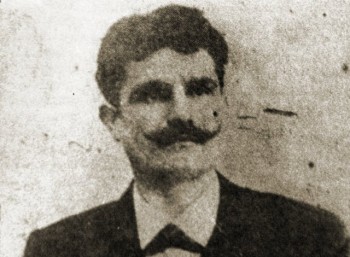
Μαρίνος Αντύπας / Marinos Antypas
Nowadays, the local community commemorates him, recognizing his contribution to changing social conditions, both in the region and across the country. It built a modest monument erected in Omolio where events are held every year in memory of the great fighter. At the same time, it gave his name to the small museum built in the village: Omolio Folk-Agricultural Showroom Marino Antipas, housed in the former Community chambers, located in the village square.
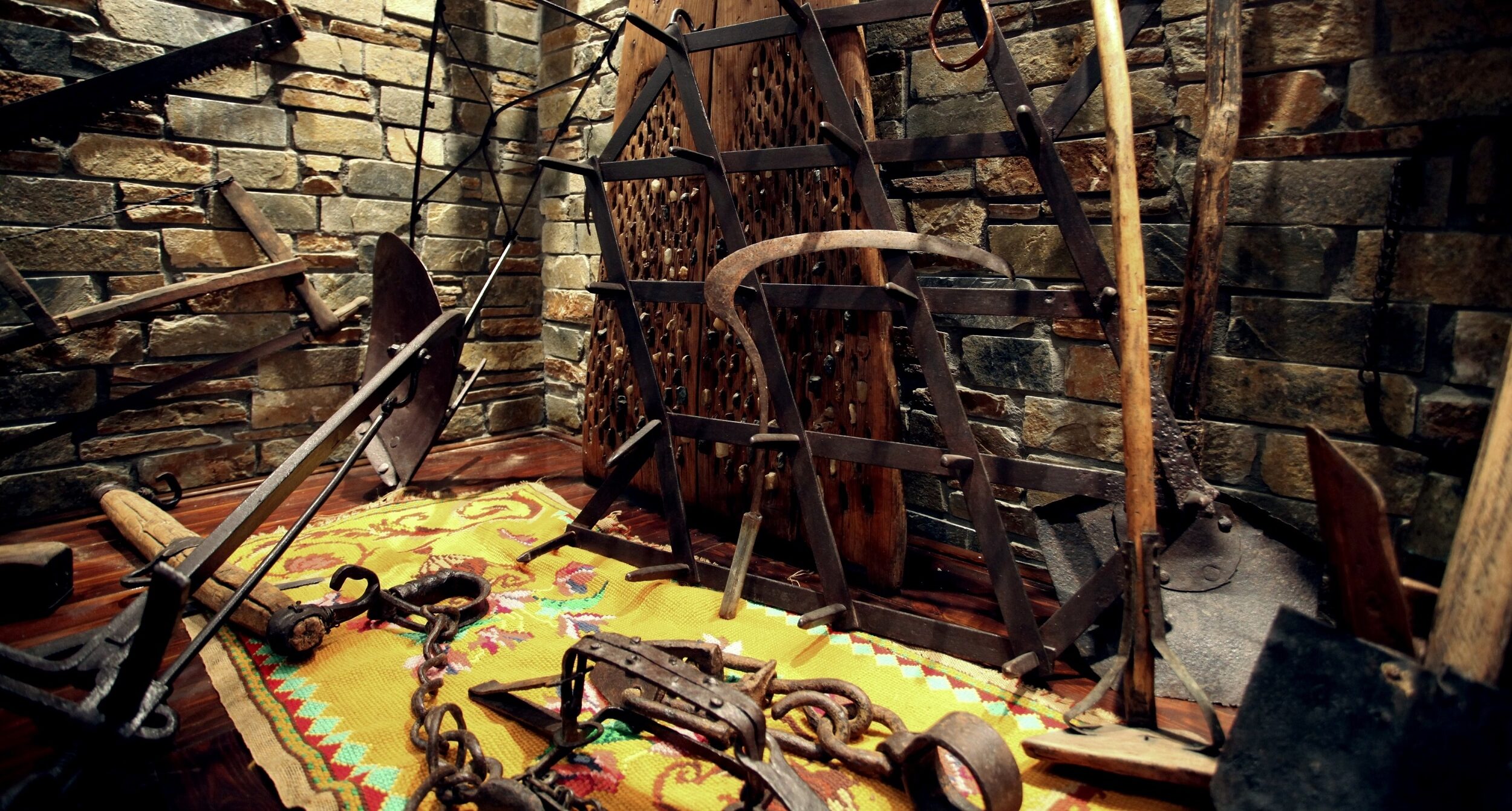
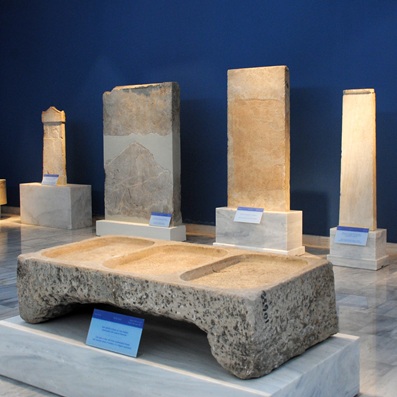
Today, the exhibition presents the tools used by the people for whom Antipas fought. Inaugurated on 18 March 2007 to mark the 100th anniversary of his death (murdered in 1907 in Pirgetos). Premechanical agricultural and foraging tools are hosted in the exhibition venue. Visitors can also admire tools of traditional occupations (fishermen, shoemakers, weavers, etc.) and objects from daily life of local people: handicrafts, embroidery and textiles, utilitarian household items (sofras (low tables), pots, pinakoti (bread levening boards)), local costumes, traditional clothing, woodwork items, postcards and engravings, coins, antique furniture, and a local bisiki (cot).
The collection includes artifacts that may be considered historical documents: a local’s military diary, which describes in detail the experience of the war in Asia Minor, but also photographs of social events and the occupations of the inhabitants. The showroom has a conference hall that holds 50-60 people.
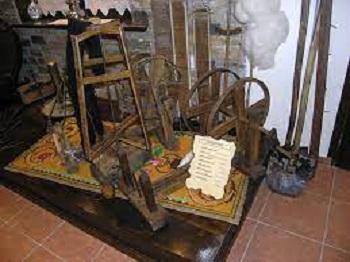
Λαογραφικό-Γεωργικό Εκθετήριο Ομολίου Μαρίνος Αντύπας
Places like the Omolio Folk-Agricultural Showroom Marinos Antipas, although exhibiting objects from earlier times, alsoshow that traditional culture is not a static body of evidence that survives only in a museum. Because on the one hand, tools and materials actually bear witness to the immutable characteristics of an era (available resources, raw materials), however, they also reveal the basic principles of human creativity that lead to evolution. The name of the exhibition reminds us, at the same time, that this creativity should always be developed with concepts such as respecting the principles of human law and social justice.
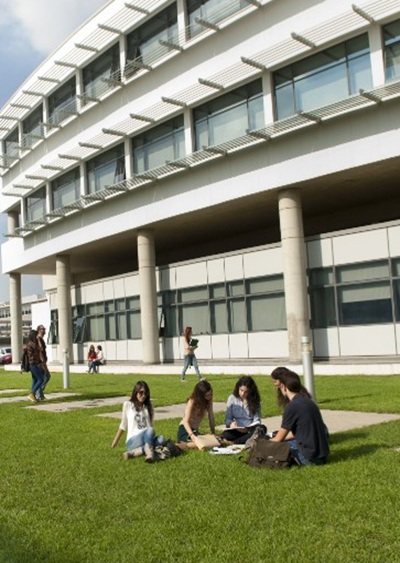
Open University of Cyprus: New application cycle for programs beginning in the spring semester of 2026–2027
The new year can mark the beginning of a new chapter in your academic and professional life. The Open University of Cyprus (OUC) has opened a new application cycle for the spring semester, with a deadline of November 10, 2026, and classes commencing in January 2027. This is a new opportunity for those who want to invest in their knowledge, skills, and personal growth without having to put their work, family, or other daily responsibilities on the back burner. With more than two decades of experience in open and distance education, OUC has developed a modern ...More
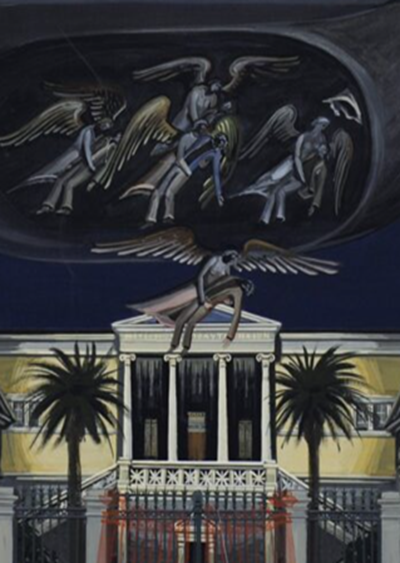
Educational Programs and Guided Tours at the National Glyptotheque | November 2026
November 17, 1973 - The Storm of Youth Educational program for children How can a work of art serve as a starting point for expressing what concerns us and what we want to change? Drawing inspiration from Ioanna Spiteri’s work, “Niki” (1961), children explore the events of November 17, 1973, and discover the power of art as a means of expression and a call for freedom. In the art workshop that follows, we’ll create our own slogans, giving visual and vocal expression to what we consider important. Design & Facilitation: Fryni Karzi, Museum Educator at EPMA ...More
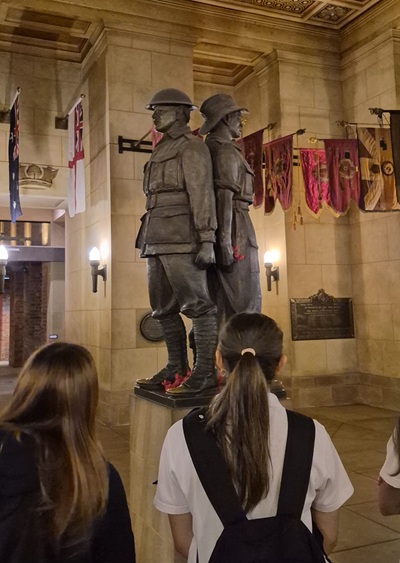
Greek Community of Melbourne students at the Shrine of Remembrance| A lesson in history and the shared struggles of Greeks and Australians
On Saturday 24 October, secondary students from the Greek Community of Melbourne’s Language and Culture Schools visited the Shrine of Remembrance, Melbourne’s iconic war memorial, as part of the school’s educational activities marking the Greek National Day of 28 October, known as Ohi Day. The visit aimed to help students explore important moments in Greek and Australian history and better understand the historical connections between the two countries, particularly during the Second World War. The students were welcomed and guided by Steve Kyritsis OAM, a Vietnam War veteran, former President of the Greek Sub-Branch of the ...More
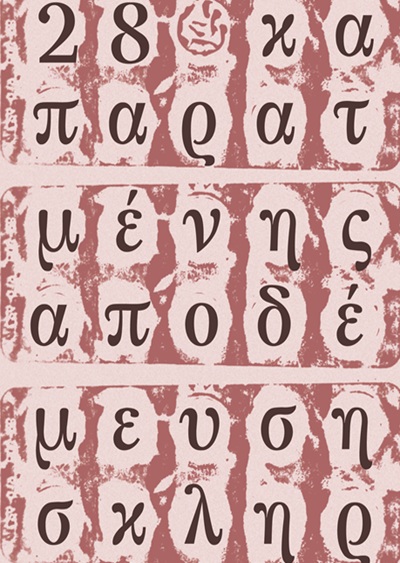
Mammot Art Space | Naya Magaliou—28 extended-release capsules, hard | October 23–November 30, 2026
Can the medicated subject speak? ░2░8░ ░κ░α░ψ░ά░κ░ι░α░ ░π░α░ρ░α░τ░ε░τ░α░μ░έ░ν░η░ς░ ░α░π░ο░δ░έ░σ░μ░ε░υ░σ░η░ς░,░ ░σ░κ░λ░η░ρ░ά░ enacts a vibrant, maximalist encounter with medication. It challenges the psychopharmacological power at the heart of late capitalism and its appropriation of the affects and desires of the present. In the neoliberal context, pharmaceutical drugs emerge as highly valuable commodities through which the very structures that produce personal and political despair also capitalise on it. Naya Magaliou approaches this collective distress as a pandemic, exposing the depoliticizing fallacy that contemporary mental health is merely an individual concern, while ironically confronting the cruel optimism of healing, immunity, ...More

The Veils (UK/NZ) Live in Athens | November 7, 2026
Following the rave reception of “Asphodels” in 2025, Finn Andrews’ band returns with the brand-new Fragile World, set for release on June 19 via V2 Records. Just one year after their previous album, The Veils present a record that marks a dramatic shift in their sound and energy—more direct, more raw, more urgent. Recorded live on film in New Zealand by Paddy Hill and produced by Tom Healy (Tiny Ruins, The Chills), Fragile World captures the band at a moment of creative risk and instinct. With minimal pre-determined arrangements and Andrews sharing most of the instruments ...More
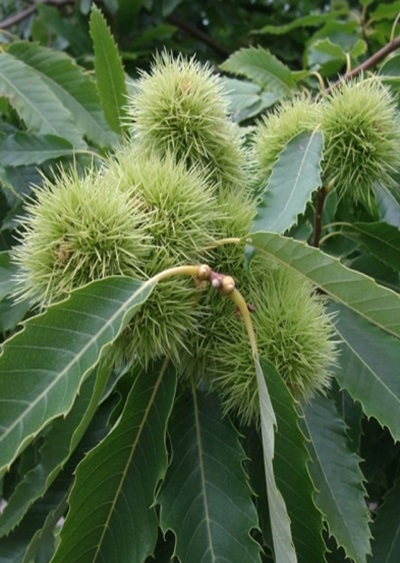
Melivοia Chestnuts and Beer Come Together in Larissa | October 27, 2026
The Melivοia Agricultural Cooperative and the Pinios Brewery are organizing a unique culinary experience featuring Melivoia chestnuts and the local microbrewery, on Tuesday, October 27, at 3:00 p.m., at the Pinios Brewery facilities at the 7th kilometer of the Larissa–Sykourio highway. The event takes place a few days before the big Melivoia Chestnut Festival, which will be held on October 30, 31, and November 1, and represents yet another effort to promote this local product and showcase its creative uses. The event will center on LoChes, the unique chestnut beer created two years ago by the ...More


Leave A Comment