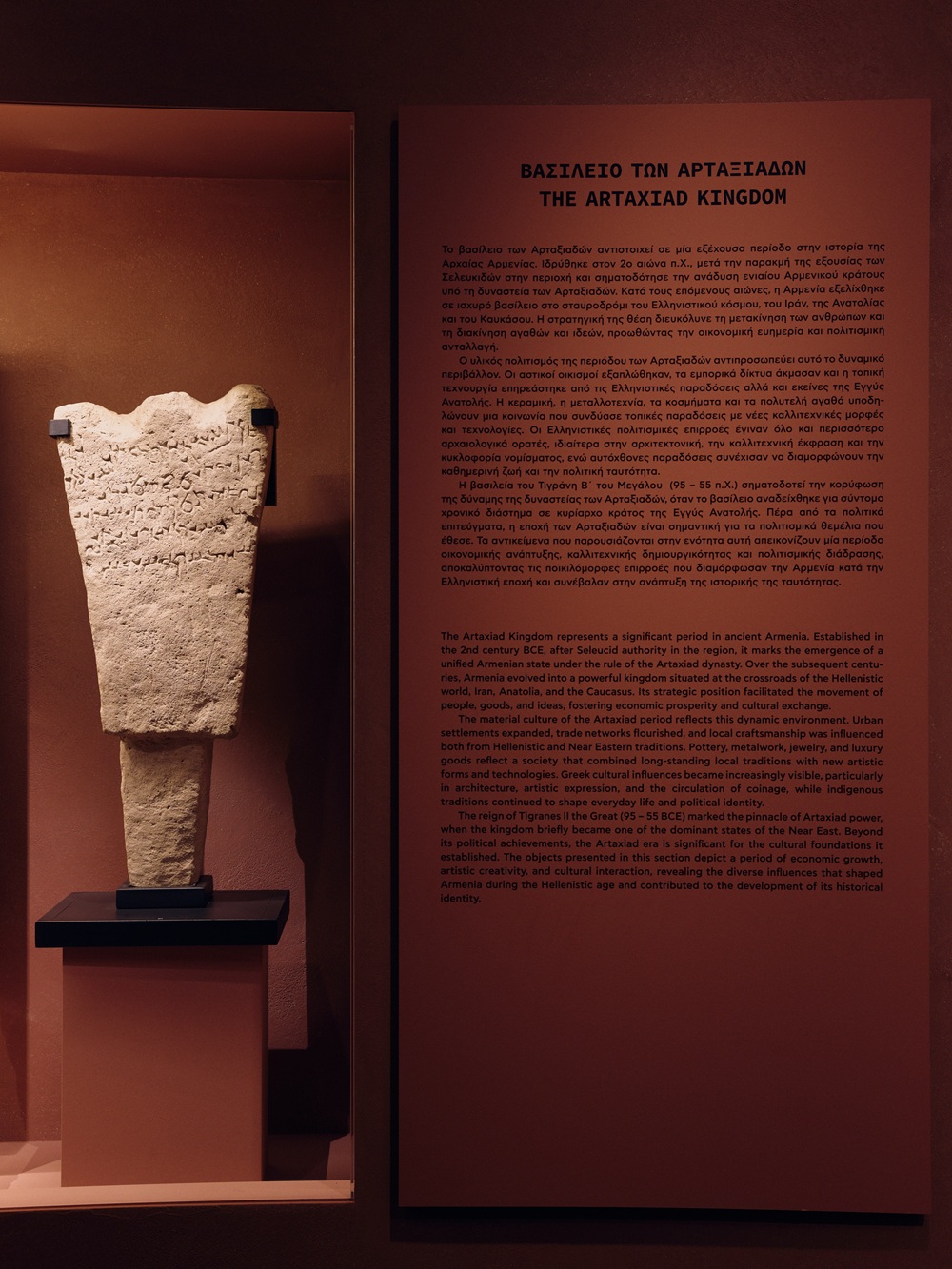
Although the history of Armenia during the Byzantine and modern periods is fairly well known, we know very little about the country’s ancient history. A history that spans the 2nd millennium B.C. and is characterized by relations with the Assyrian Empire that were at times hostile and at times peaceful. During the Hellenistic period, the country came into contact with the Seleucid Kingdom, and this mutual influence is reflected in the art.
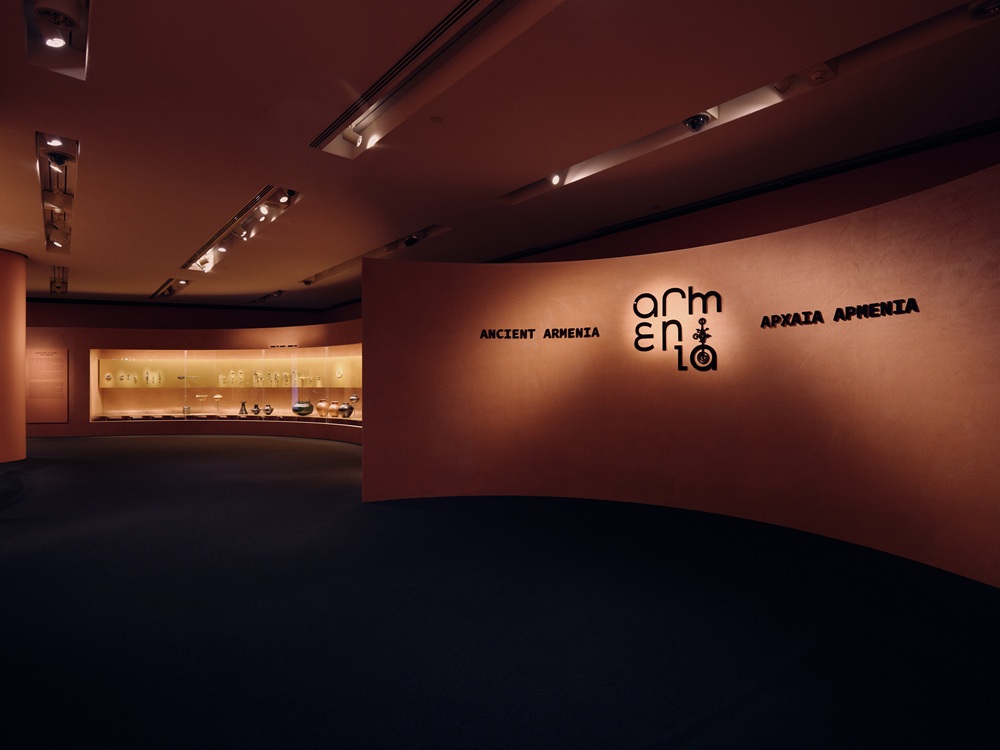
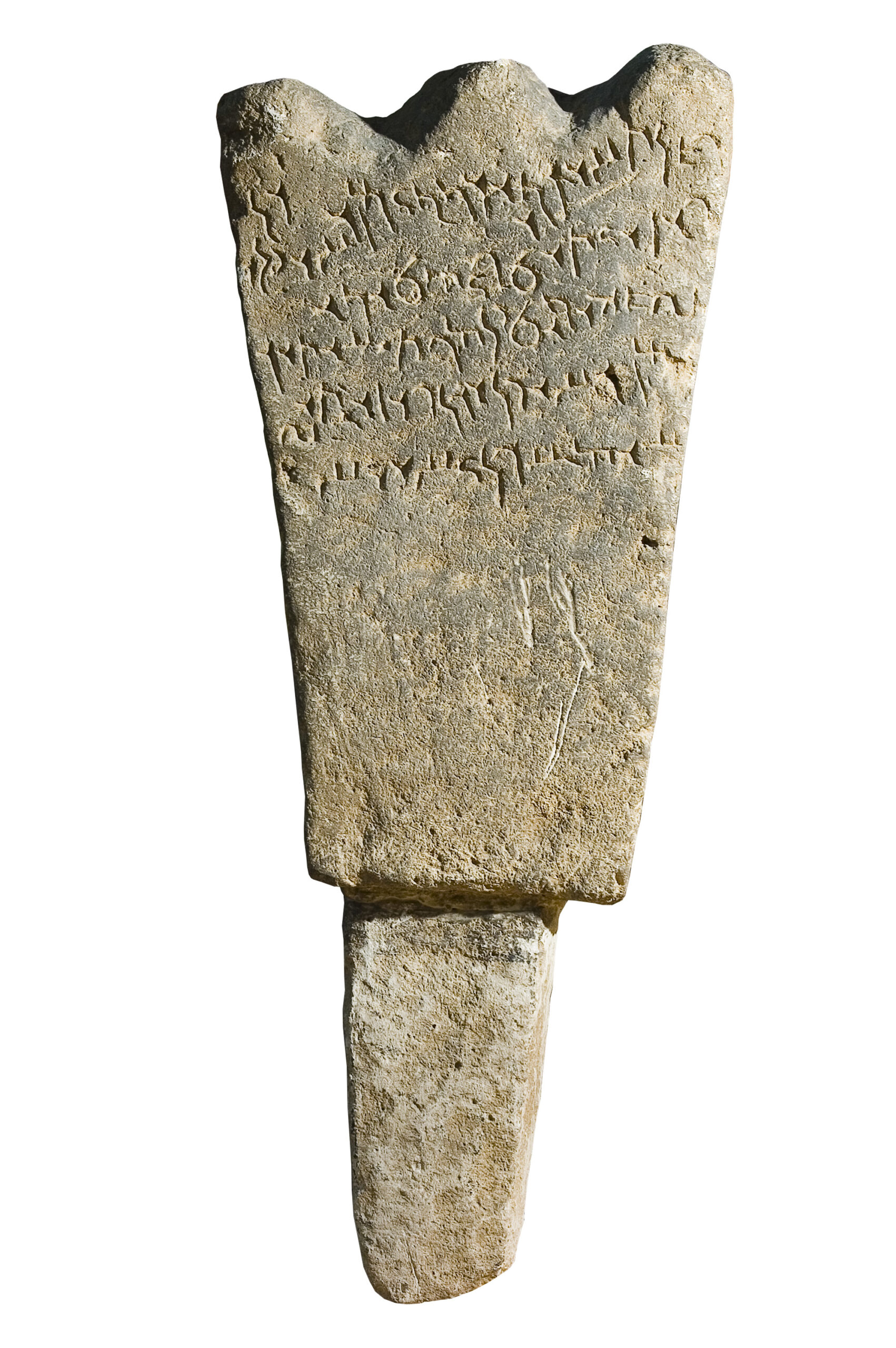
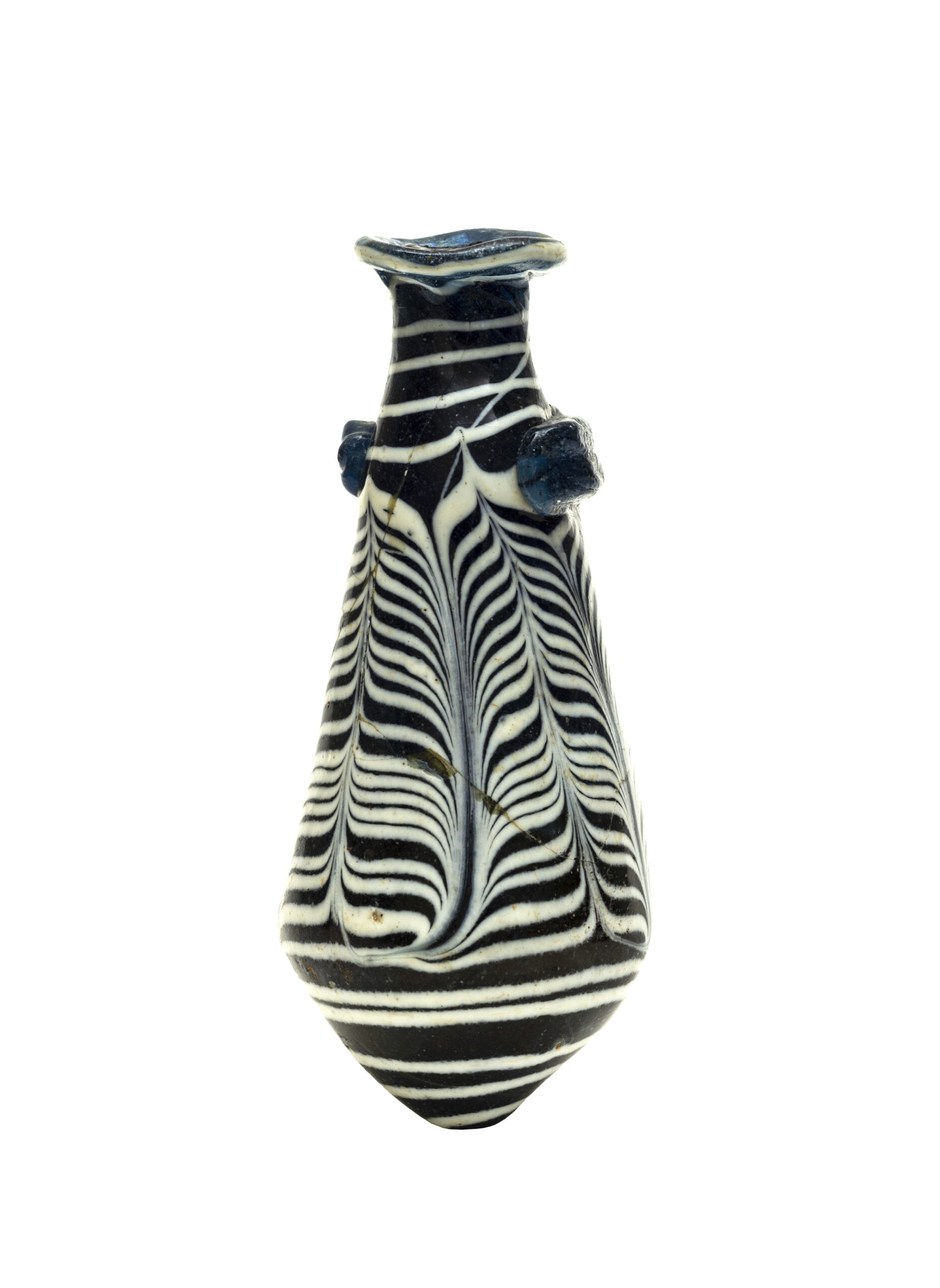
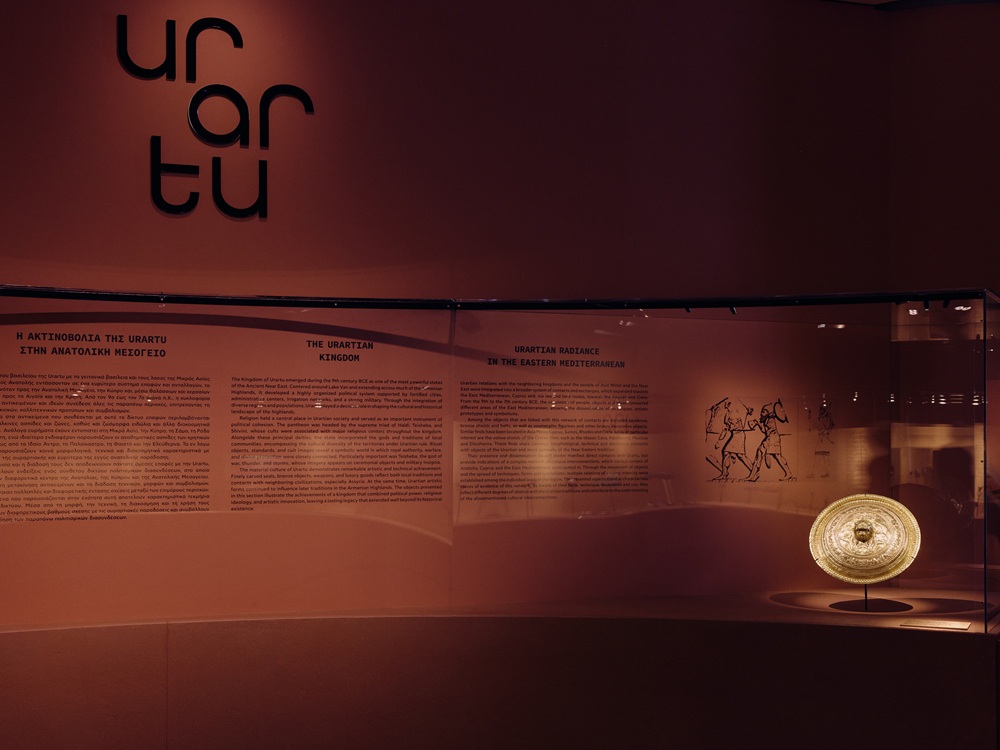
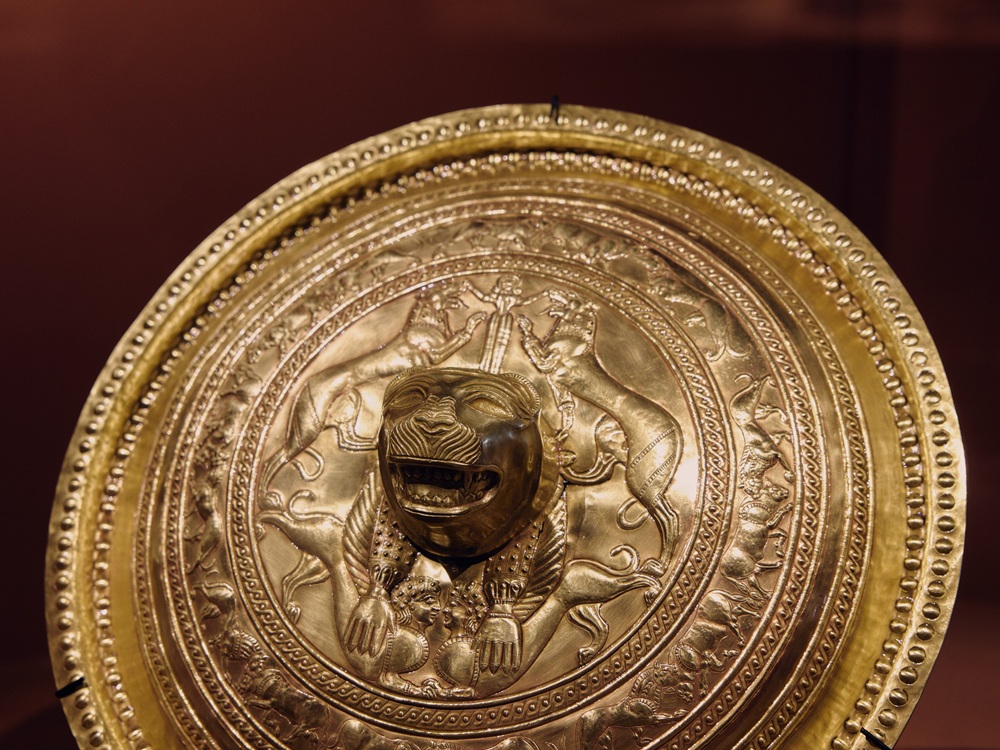
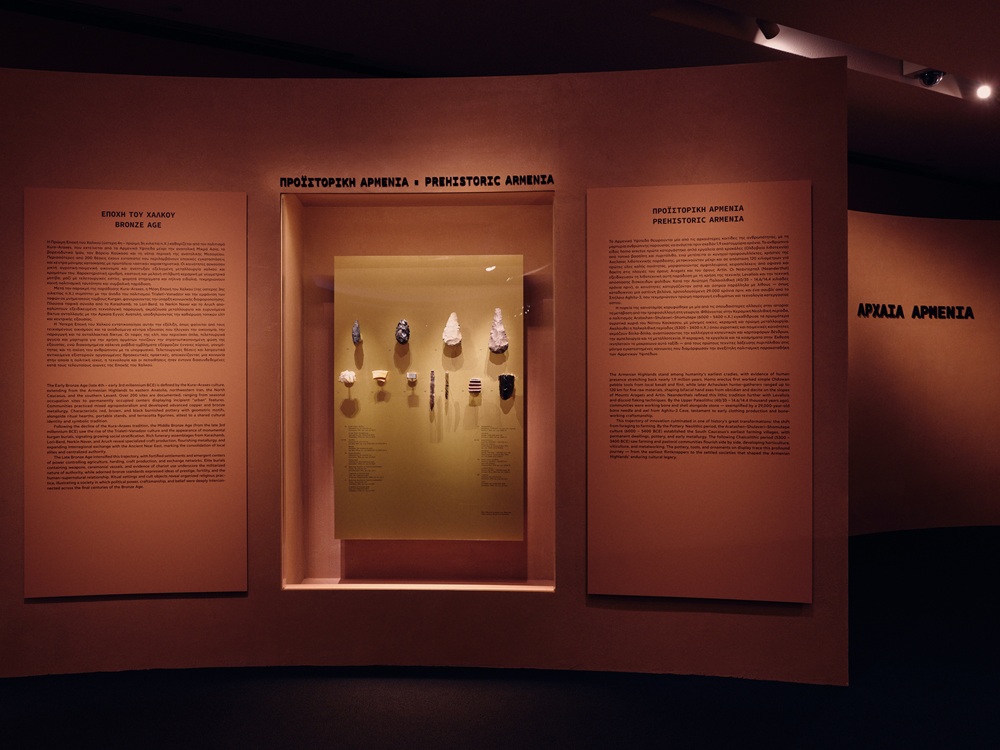
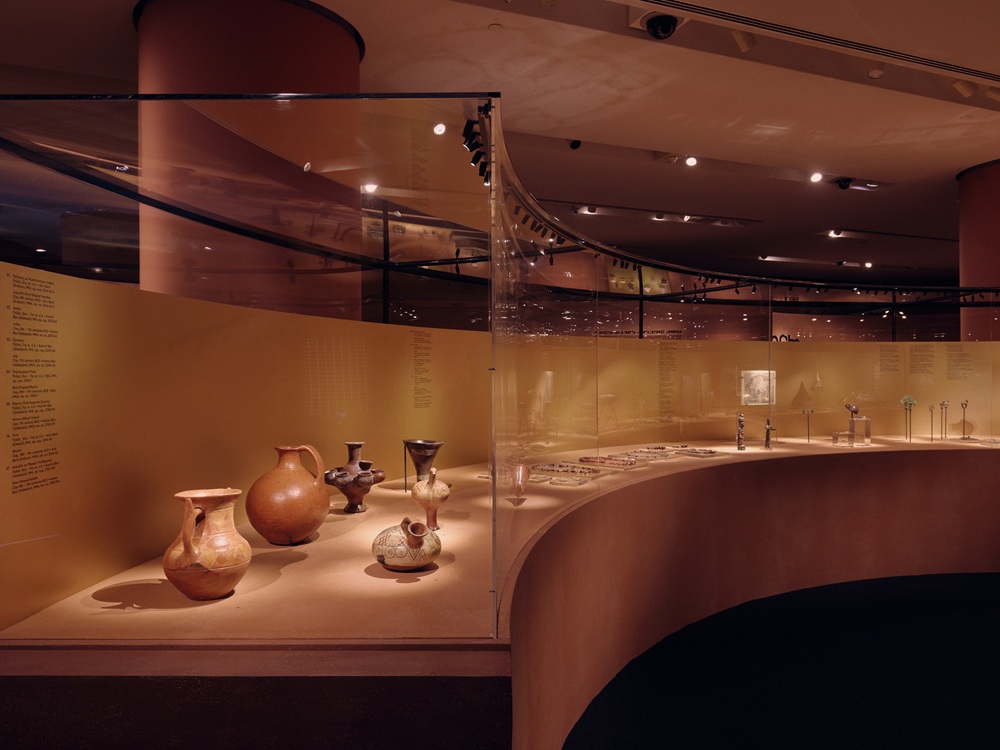
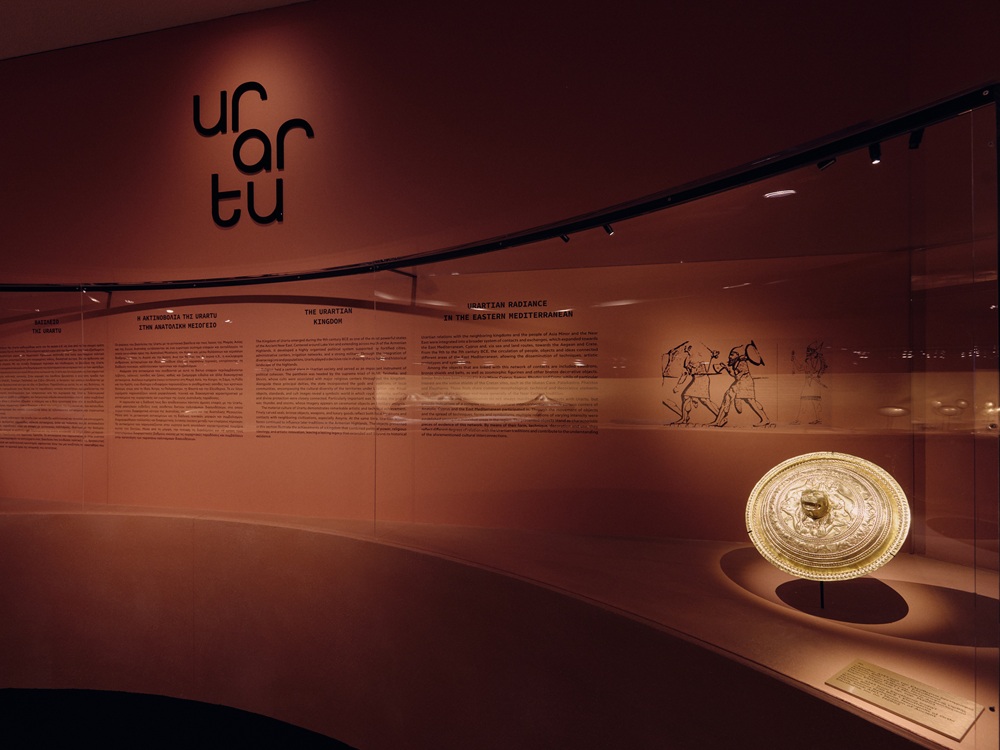
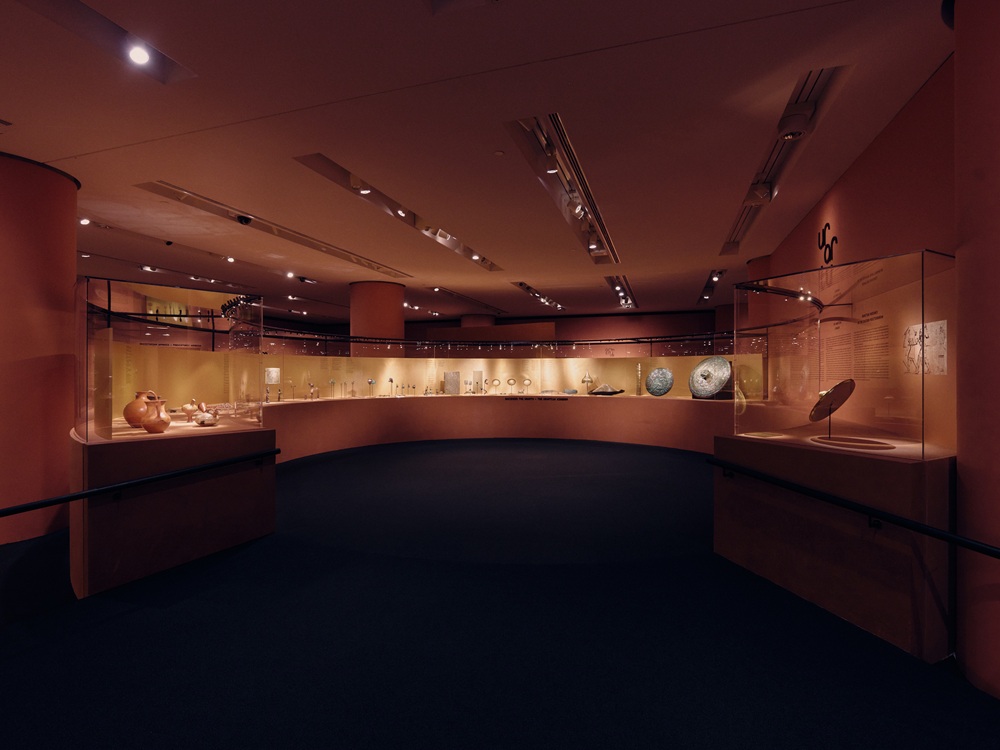
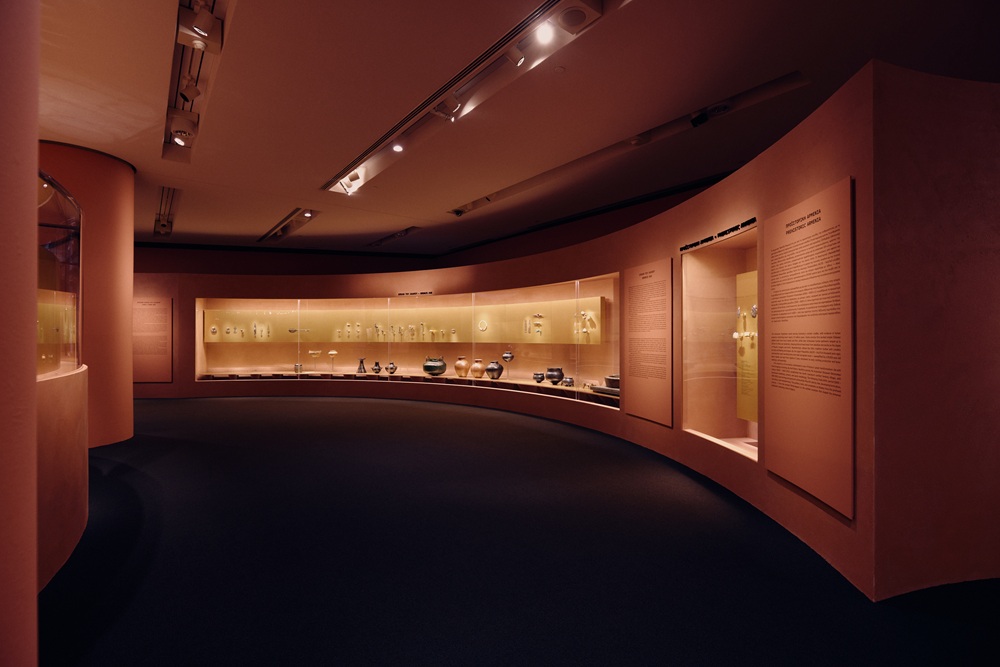
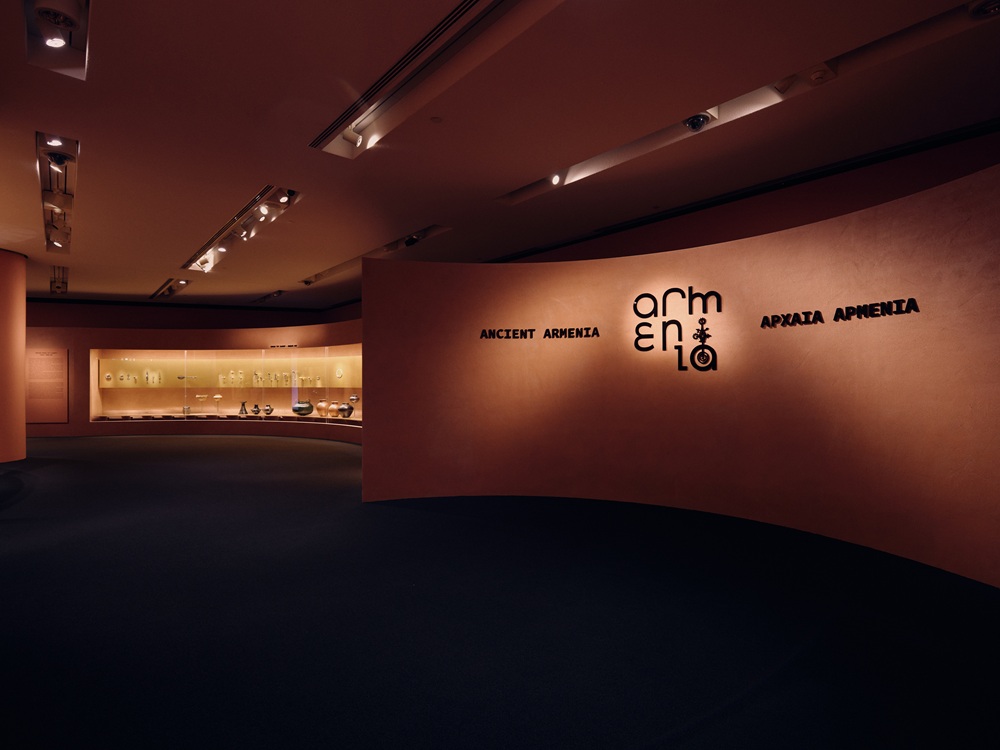
The exhibition “Ancient Armenia” is organized by the Acropolis Museum in collaboration with the Museum of the History of Armenia. It features approximately 200 artifacts spanning the country’s history from the Paleolithic period to the advent of Christianity. Military life, religion, daily life, burial customs, and intercultural relations are highlighted through the exhibits. Many of the artifacts brought to Greece have left the country for the first time and are among the most valuable in Armenia.
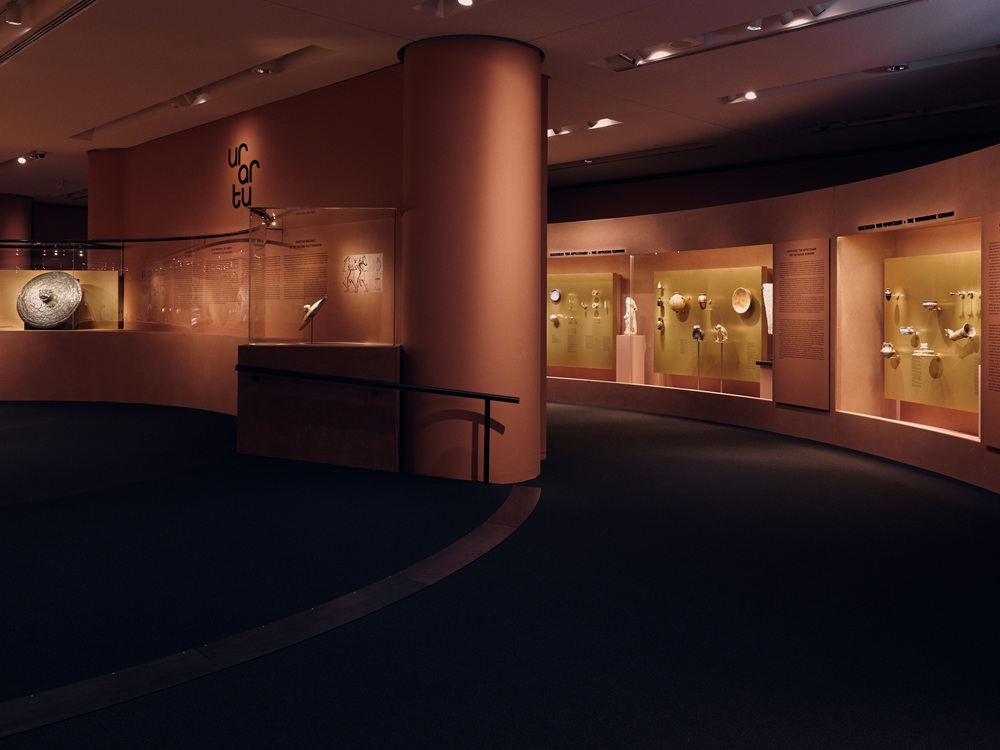
The exhibition hall is dominated by the orange hue of terracotta, a characteristic feature of the volcanic stone found in abundance in Armenia’s subsoil and in the country’s architecture. The tour certainly introduces the public to Armenia’s high art and rich ancient history.
The “Ancient Armenia” exhibition is the first in a series of exhibitions highlighting ancient civilizations that did not develop around the Mediterranean.
The exhibition is accompanied by a rich program of related events, including guided tours, traditional dances, and music.



Leave A Comment