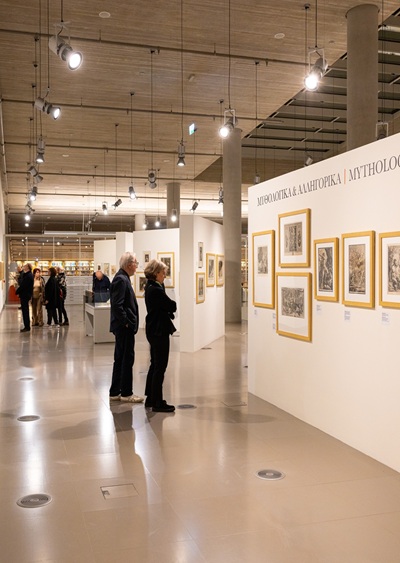
The House of Cyprus presents the group art exhibition “Mother of All ,Gaia,” curated by art historian Stratis Pantazis.
House of Cyprus – Cultural Center | 2A Xenophontos St., Athens 105 57
Opening: Tuesday, December 1, 2026 | 6:30–9:30 p.m.
Duration: December 1–December 22, 2026
Hours:
Monday & Wednesday 10:00 a.m.–7:00 p.m.
Tuesday, Thursday, Friday 10:00 a.m.–3:00 p.m.
Saturday 11:00 a.m.–4:00 p.m.
Curator: Stratis Pantazis
Coordinator: Maria Ragia – The House of Cyprus
The Artists:
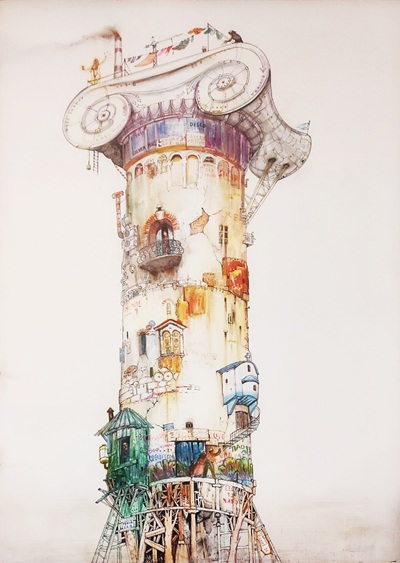
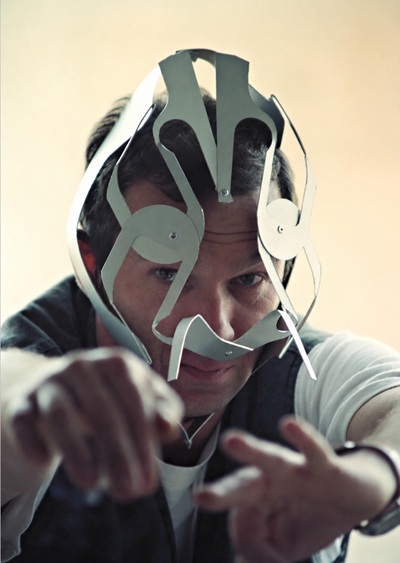
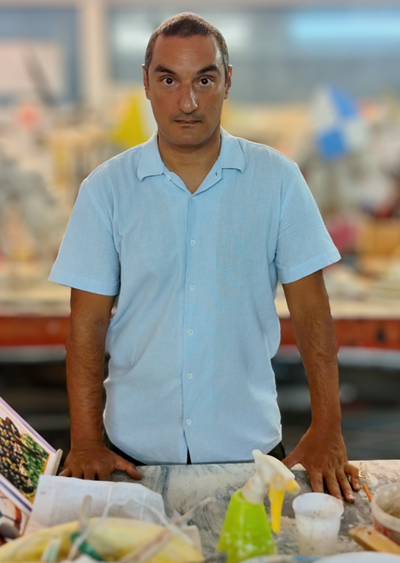
Mandy Albani (Greece), Andreas Vais (Greece), Penny Geka (Greece), Andria Zachariou (Cyprus), Christina Georgiana Karagianni (Greece and Cyprus), Stefanos Kouratzis (Greece and Cyprus), Marianna Konstantis (Cyprus), Eusevia Michaelidou (Greece), Eleanna Balesi (Greece), Yiannos Oikonomou (Cyprus), Apostolos Papageorgiou (Greece), Vangelis Savvas (Greece), Dimitris Skourogiannis (Greece), Gioula Hatzigeorgiou (Cyprus and Greece), Maria Hatziloizou (Cyprus), and Stefi Cherouveim (Cyprus).
“The ancient Greeks regarded the goddess Gaia as the mother of all things and of humankind itself. They saw plants and animals being born ceaselessly on the earth’s surface, multiplying and thriving, and finally, upon their death, returning to her—to her soil. As in many different cultures, they attributed a divine nature to the Earth, since it is the place where life is born, evolves, and dies.
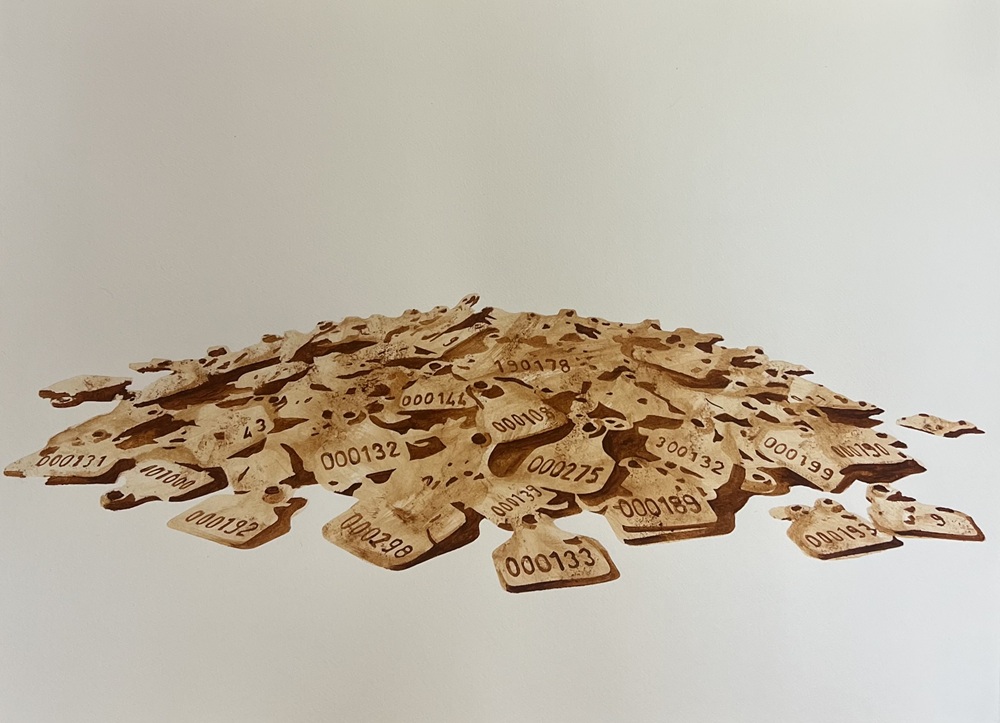
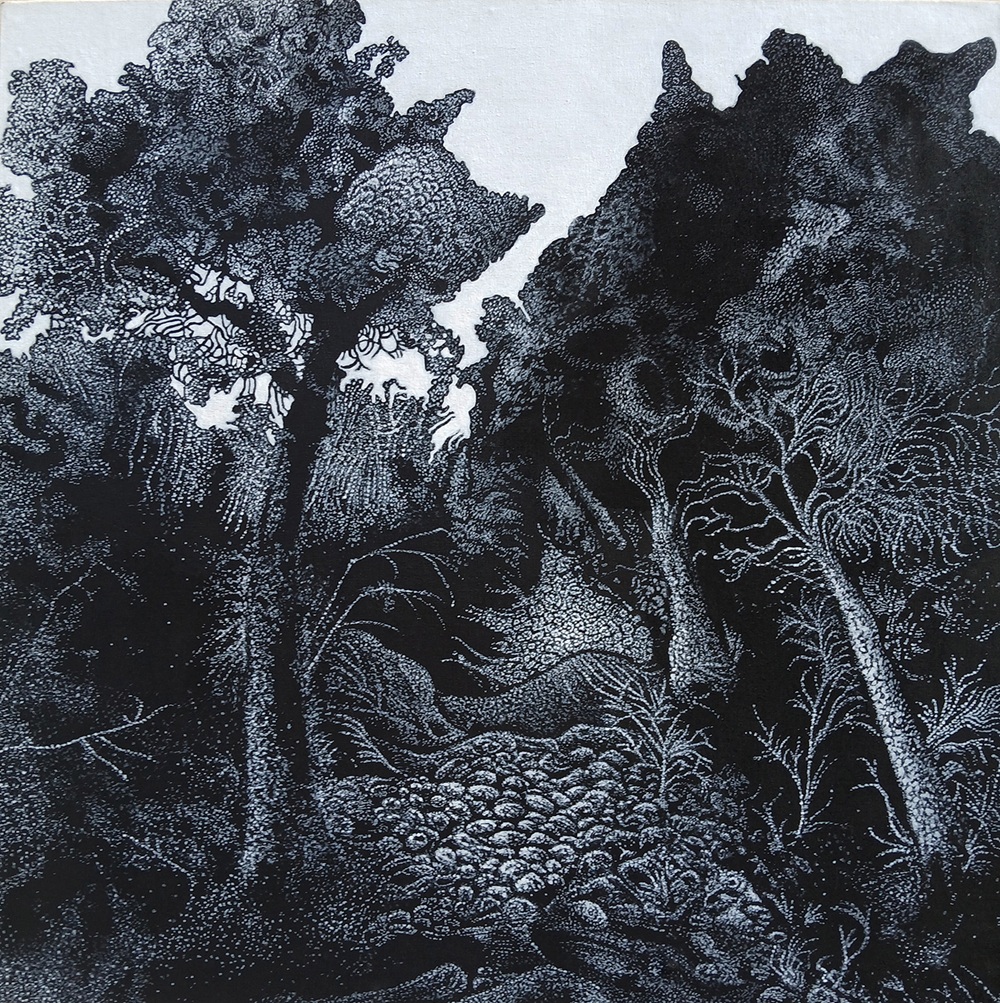
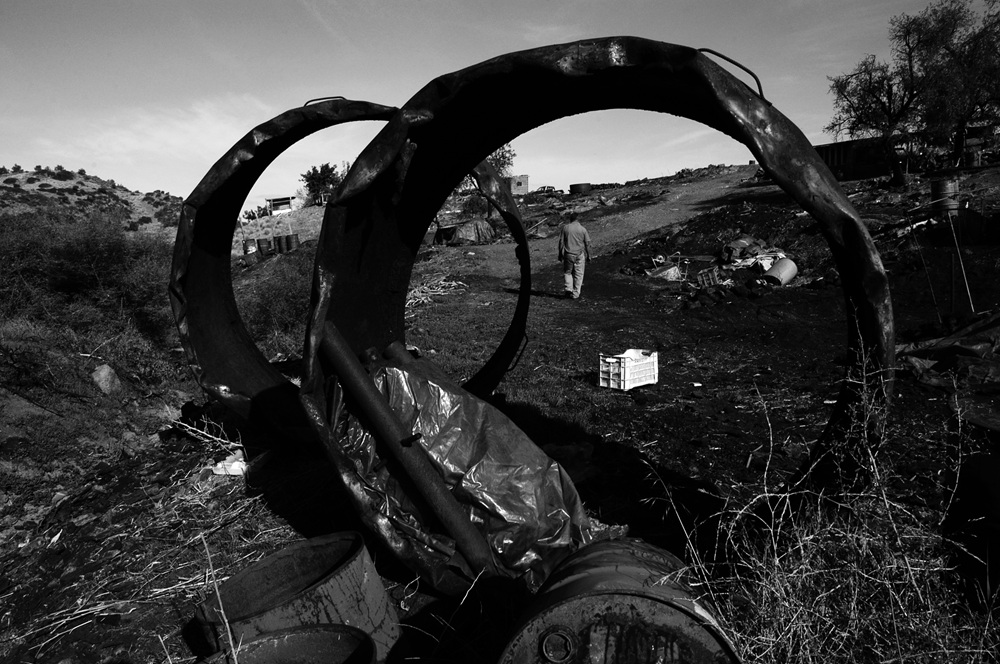
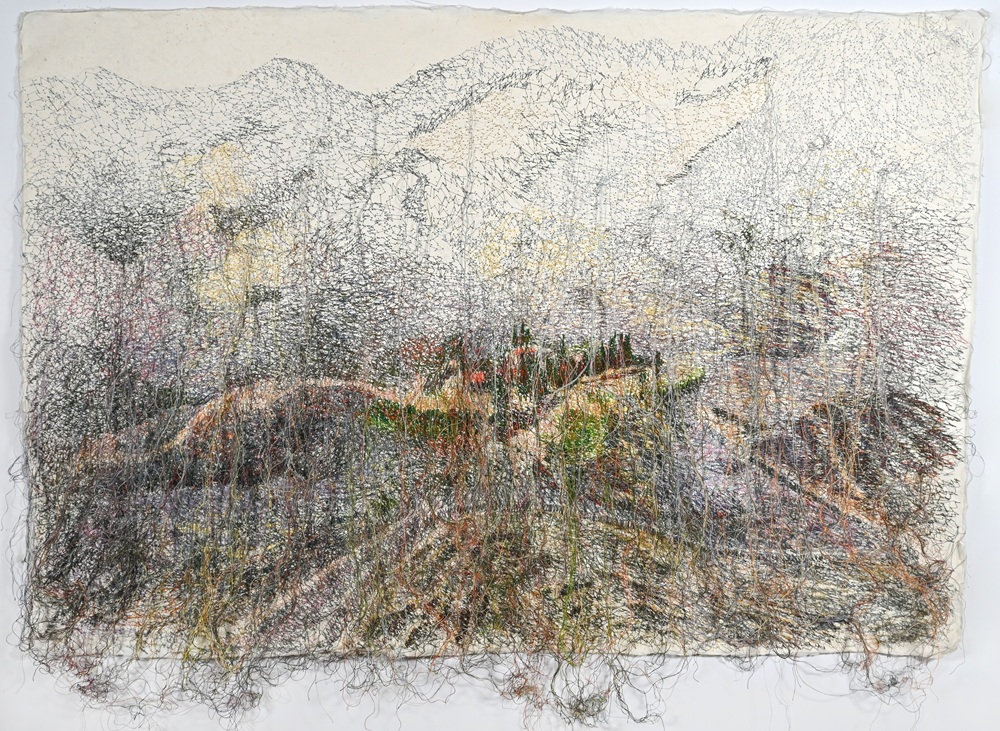
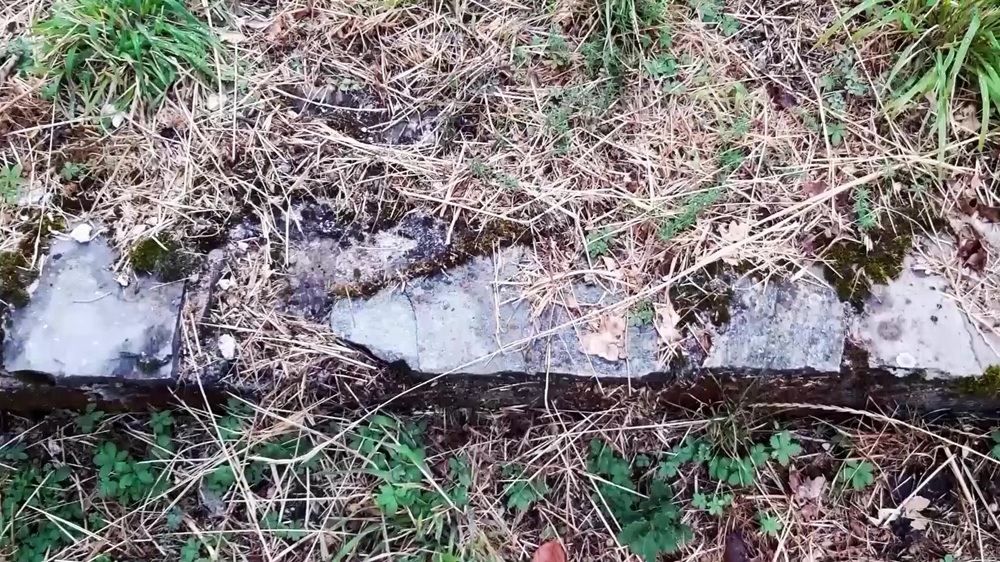
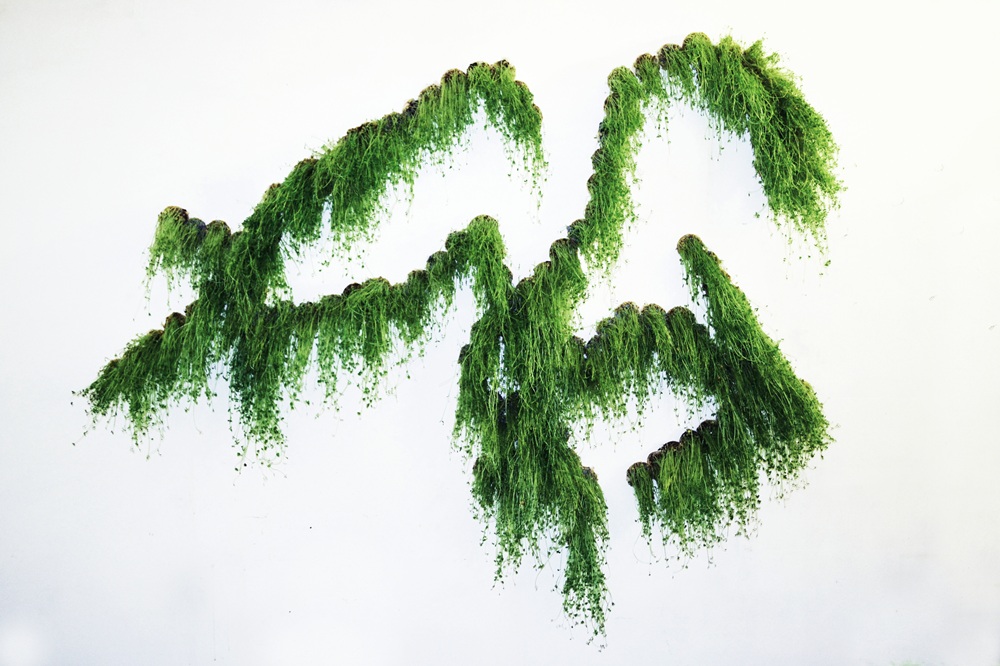
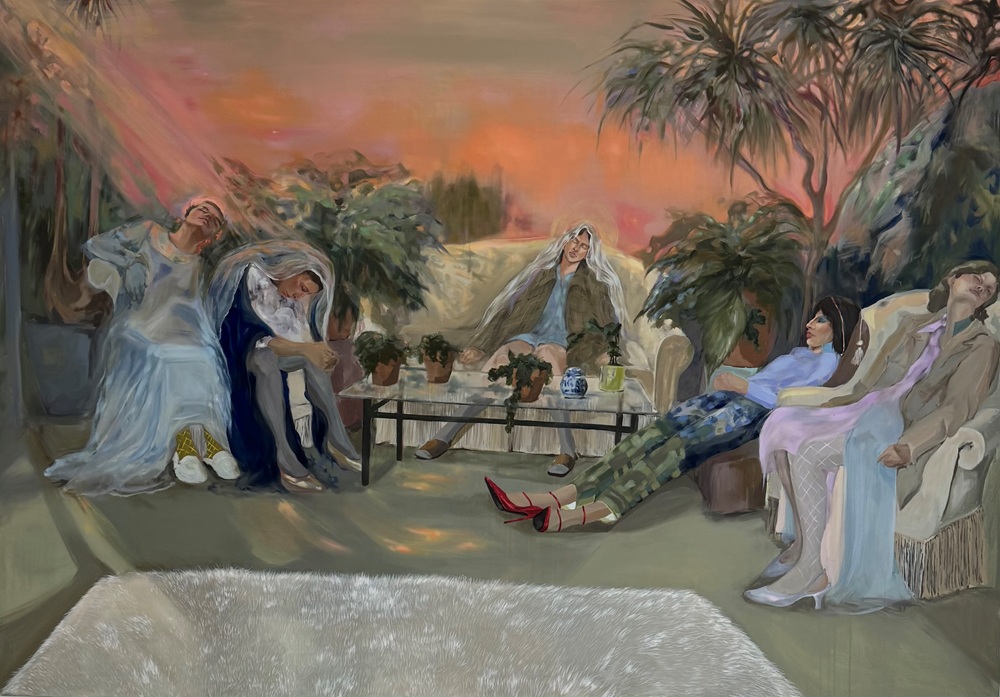
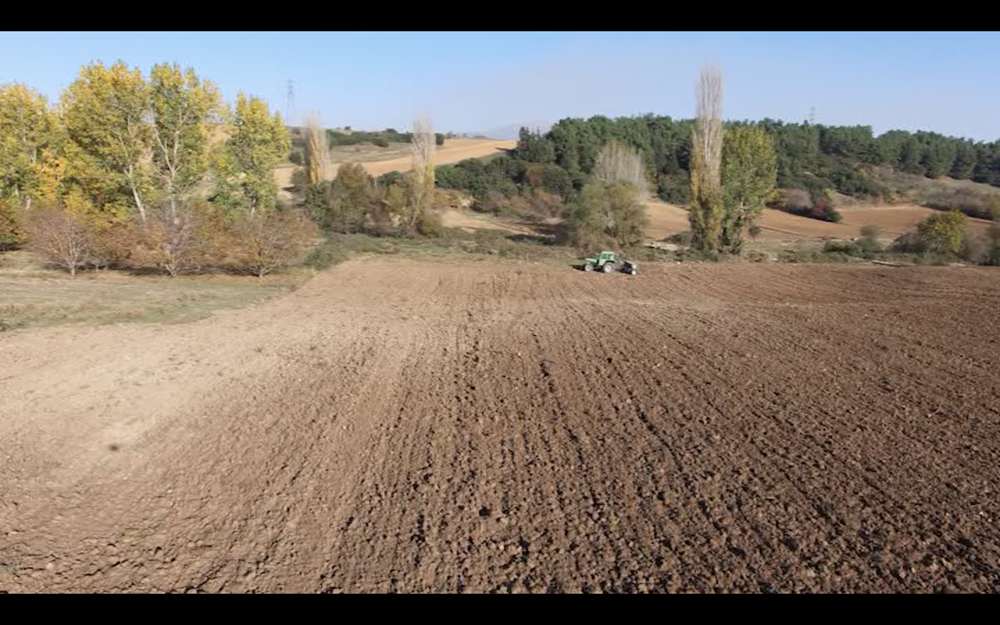
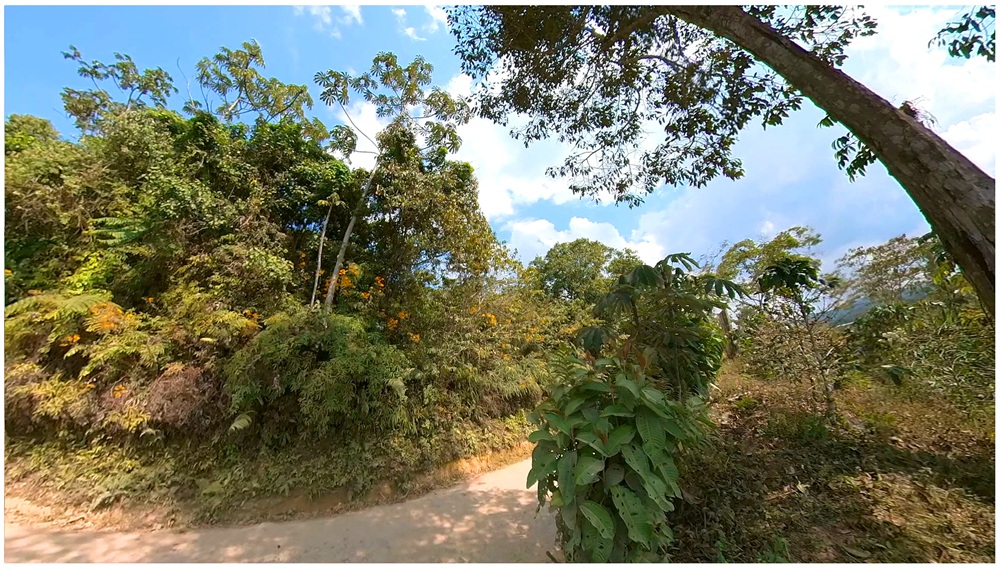
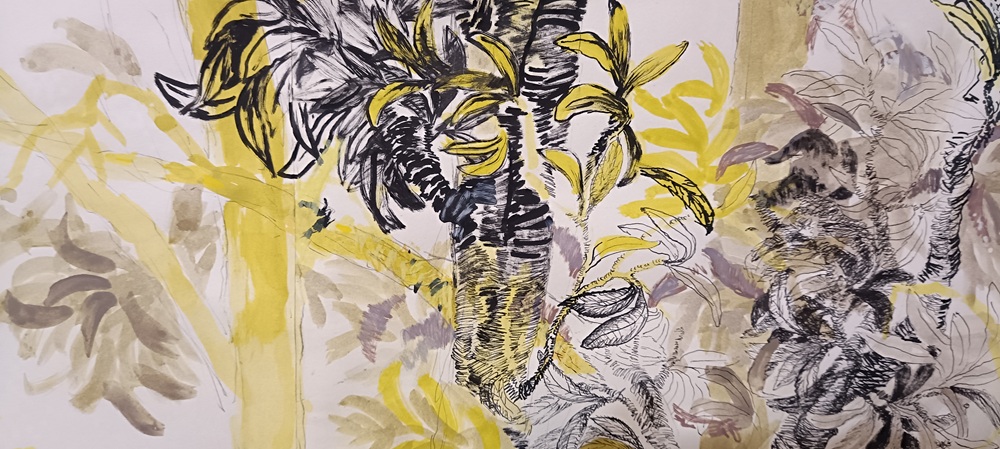
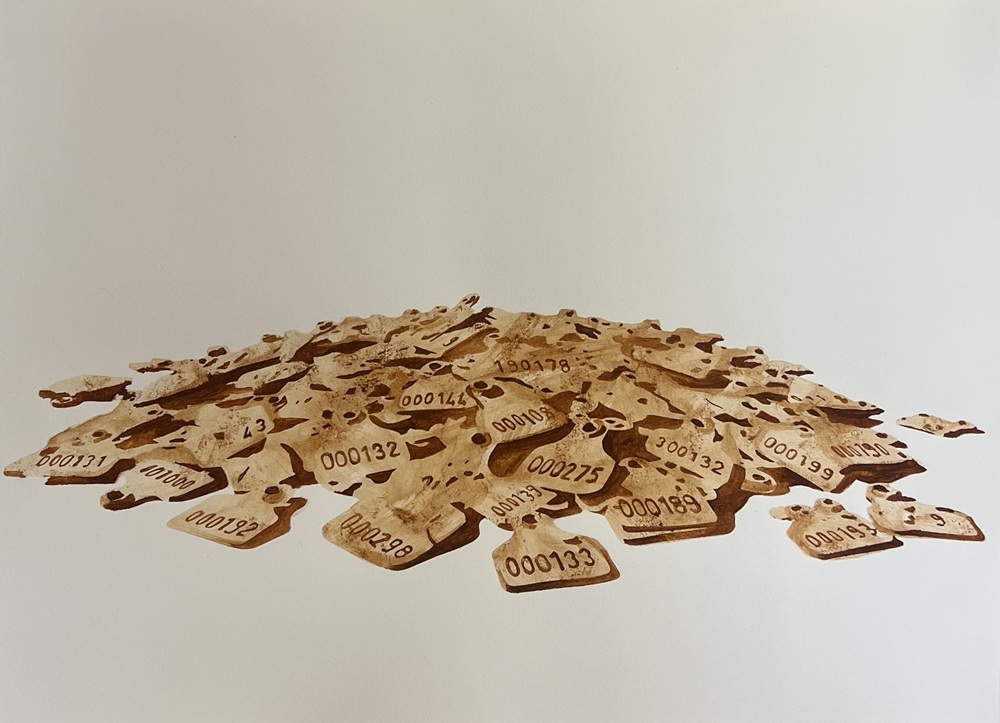
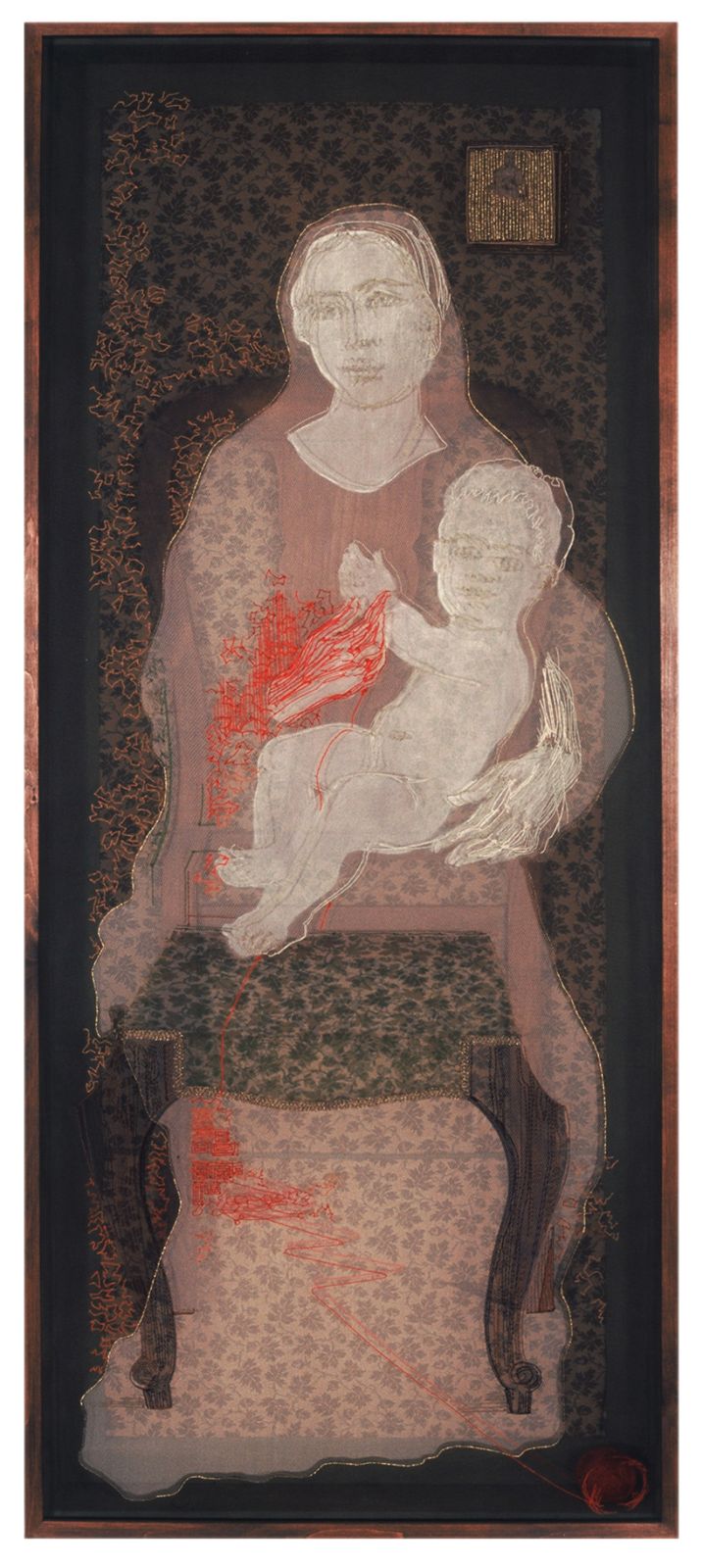
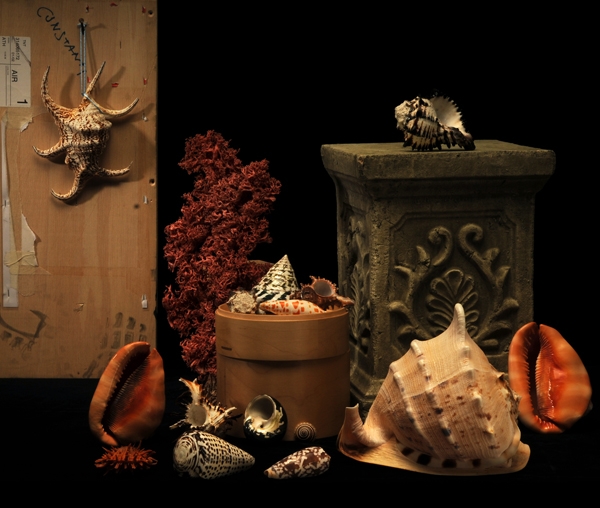
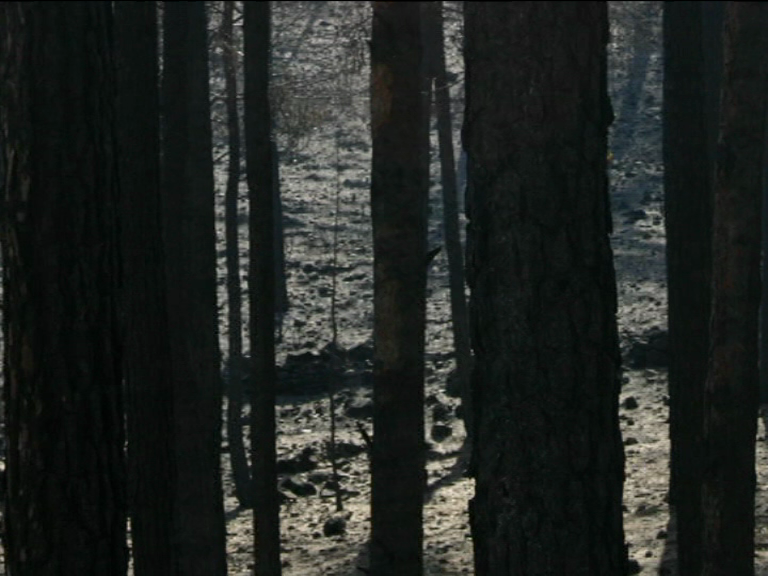
The exhibition “Mother of All, Gaia” at the House of Cyprus continues the dialogue between Cypriot and Greek artists that began last year at the exhibition space in Ibrahim’s Han in Paphos, and is enriched with new works and more artists from different generations. In their works, we discover images, concepts, symbols, and materials connected to the Earth and nature. They bring to the forefront the eternal questions that preoccupy humanity and concern life, birth, death, catharsis, and rebirth. Issues are raised regarding humanity’s unchecked use and exploitation of nature and the consequences for the ecosystem; the gradual transformation of the landscape; humanity’s relationship with nature; territorial sovereignty; what is natural and what is artificial in the digital age; the conservation of natural resources and the gradual elimination of land-based professions due to environmental factors, government restrictions, and the free market and movement of goods, which have an impact on the sustainability of local production units.
The exhibition, directly or indirectly, sounds the alarm for us, as our ties to Mother Earth have gradually weakened on a global scale. It urges us to reflect on our own position and responsibility. We certainly cannot correct or dominate nature. The only thing we can do is to love and respect Mother Earth—a love and respect that will also extend to our fellow human beings and to ourselves.”
Stratis Pantazis
Art Historian and Curator


Leave A Comment