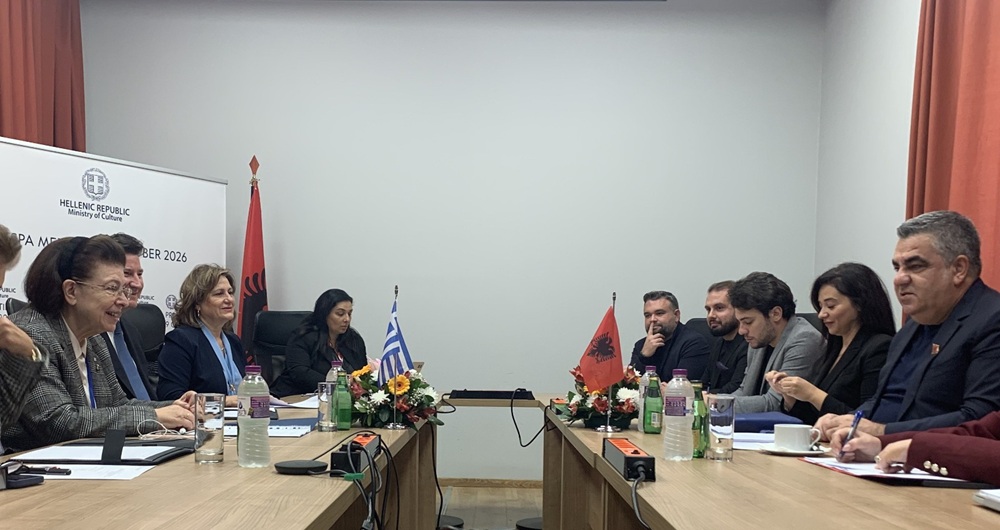
The shared commitment of Greece, Albania, and North Macedonia to further strengthen their cooperation in order to protect and promote their shared cultural heritage, as well as in the fields of education for cultural professionals and contemporary creativity, was reaffirmed during bilateral meetings between Minister of Culture Lina Mendoni and her counterparts, Blendi Gonxhja, Minister of Tourism, Culture and Sports of Albania and the Minister of Culture, Tourism, Sports, and Youth of the Republic of North Macedonia, Sedat Sulejmani. Building on the positive atmosphere established during the trilateral Prespa Meeting, which aimed to submit a joint nomination for the inscription of the Prespa region on the UNESCO World Heritage List, the meetings also highlighted opportunities for developing new joint initiatives and strengthening cultural ties among the three countries.
Reopening of the Church of St. George in Kurbinovo
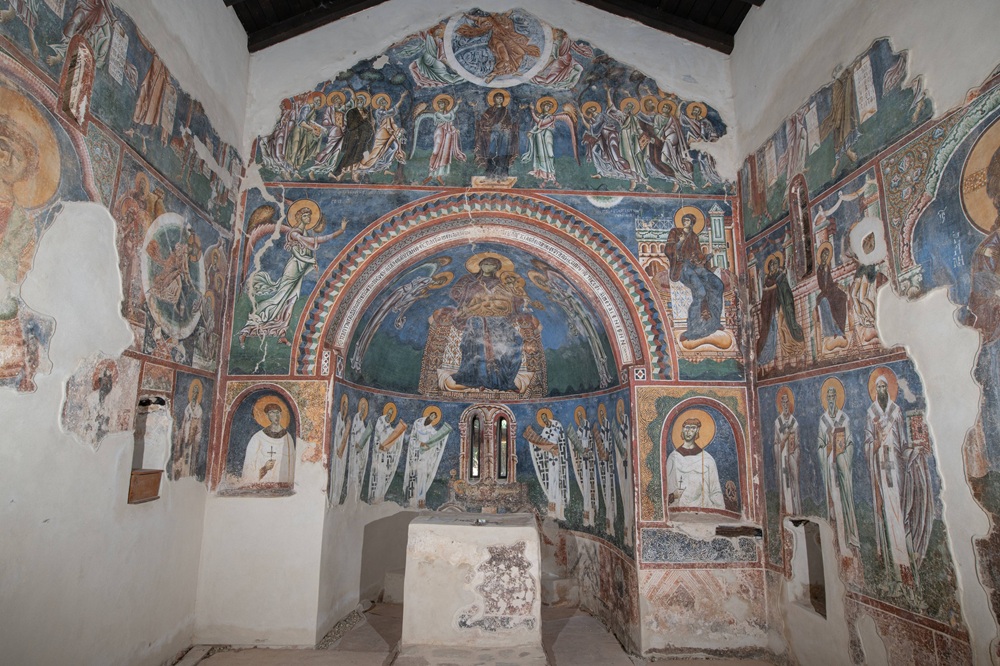
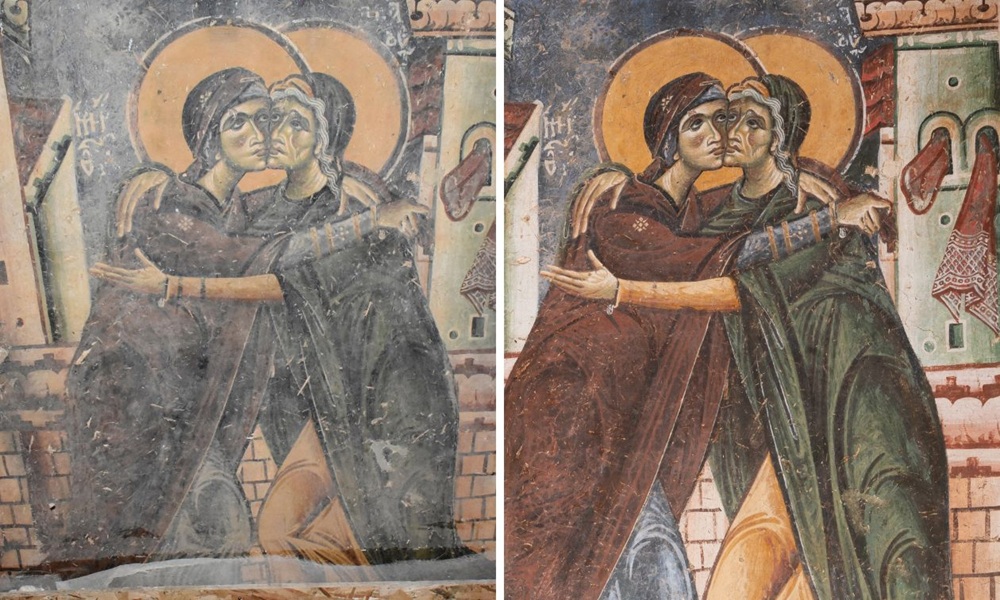
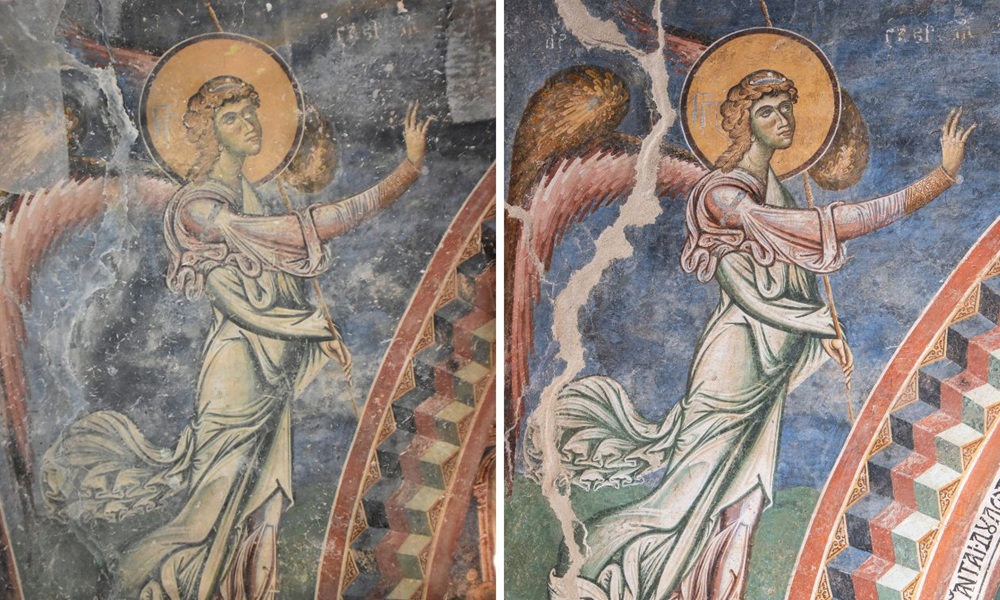
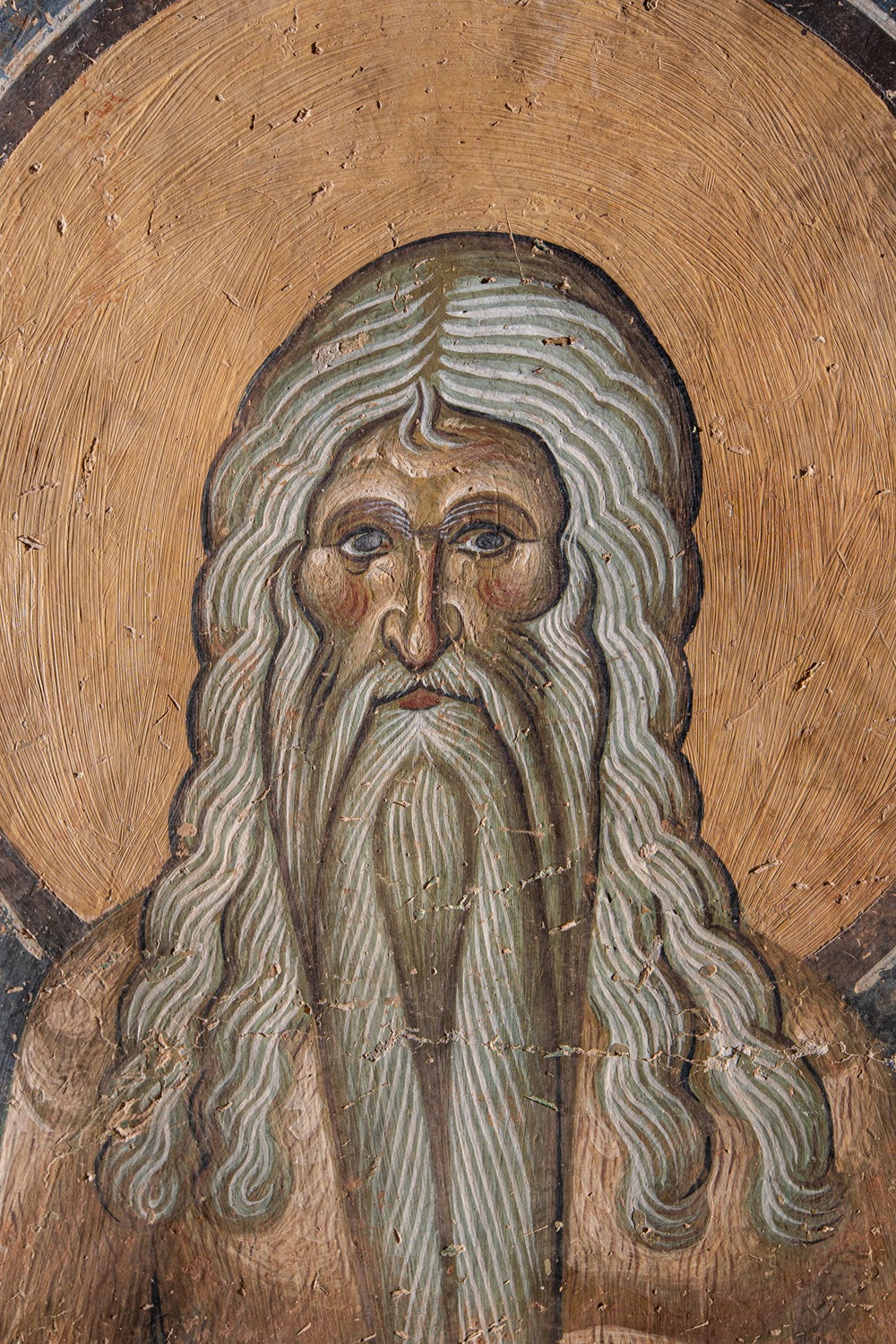
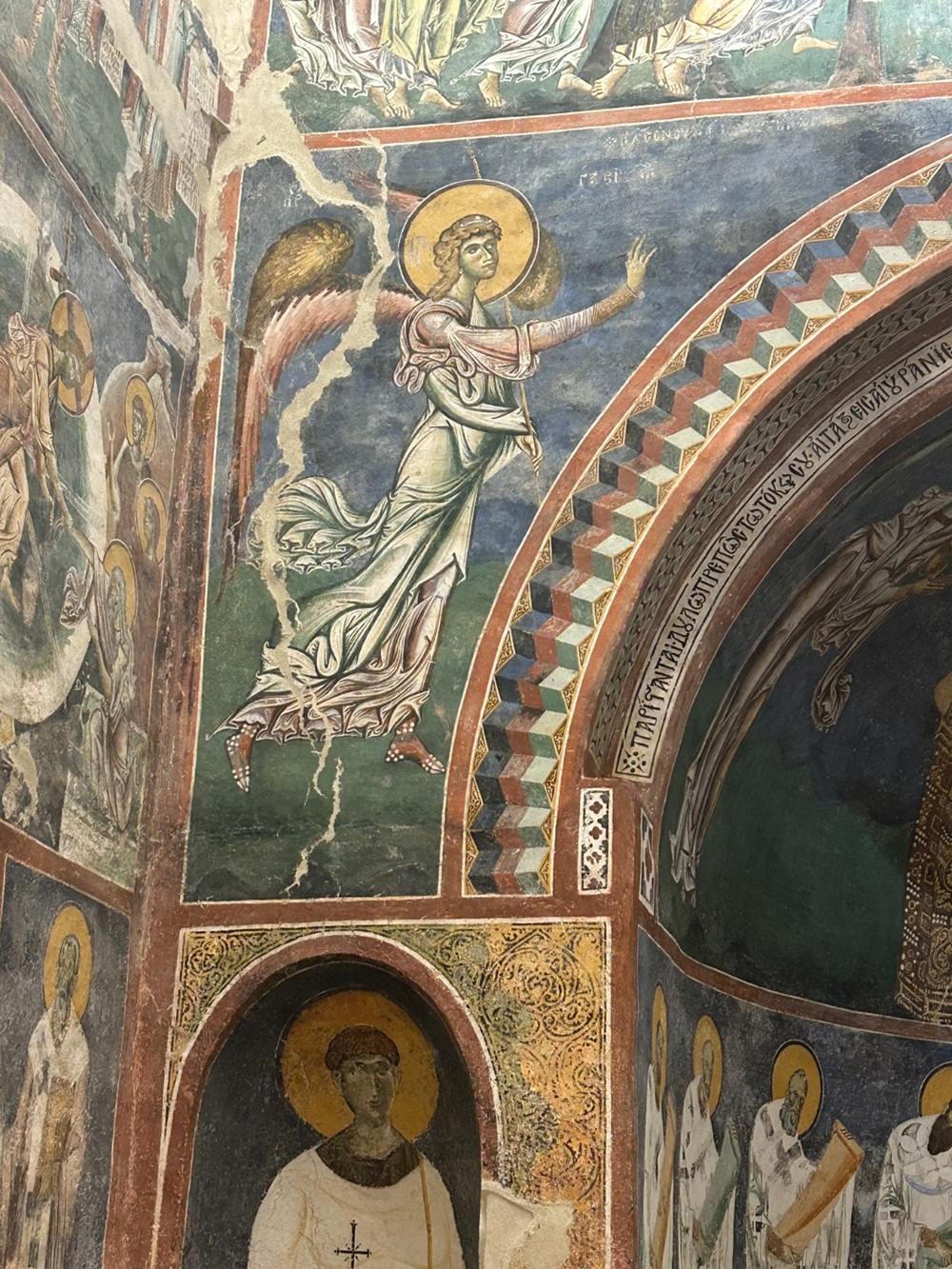
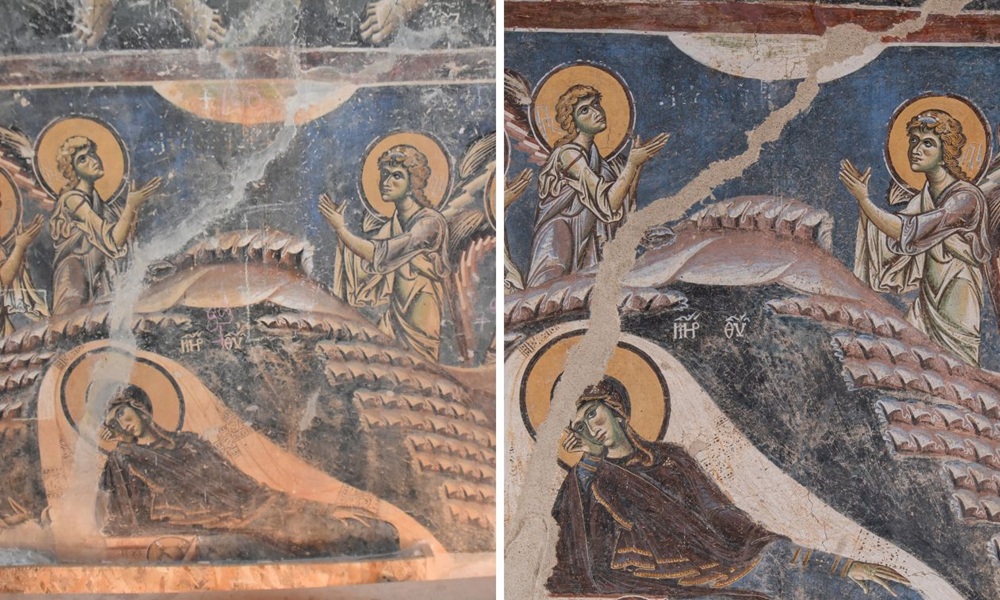
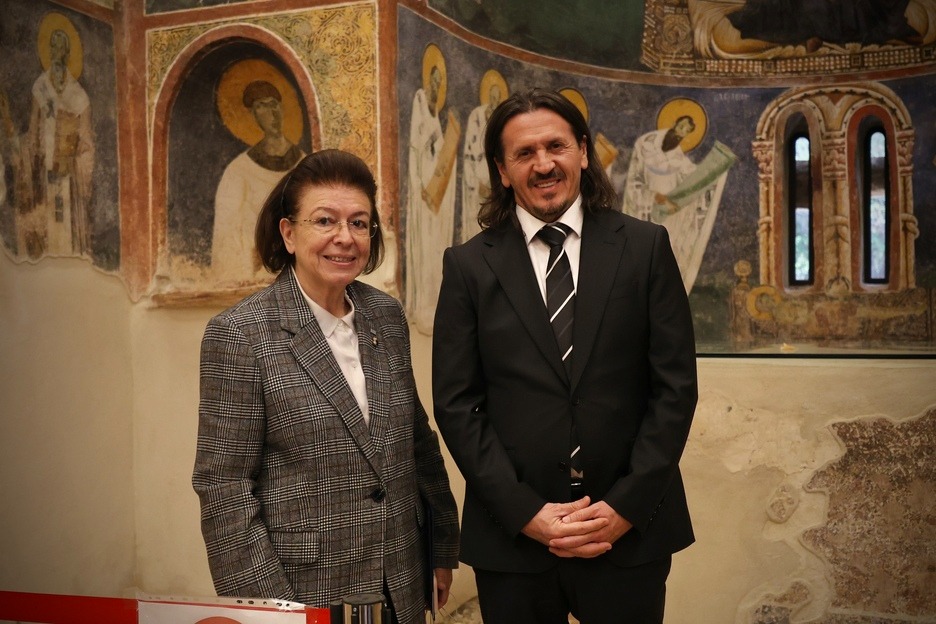
A special expression of the cooperation between Greece and North Macedonia was the reopening by the two Ministers of Culture of the Byzantine Church of St. George, in Kurbinovo, following the completion of conservation and restoration work on its frescoes by the European Center for Byzantine and Post-Byzantine Monuments (ECBM) with funding from the Greek Ministry of Culture, underscoring the importance of transnational cooperation for the preservation and promotion of monuments of exceptional historical and artistic value.
The Ministers of Culture of Greece and North Macedonia traveled to Kurbinovo to mark the completion and unveiling of the conservation and restoration project of the frescoes in the Byzantine Church of St. George, carried out by the European Center for Byzantine and Post-Byzantine Monuments, with co-funding from the Greek Ministry of Culture. The preservation of this monument, of exceptional artistic and historical value, highlighted the potential of cultural cooperation as a means of bringing the two countries closer together.
In 2021, the European Center for Byzantine and Post-Byzantine Monuments (EKEVYM) signed a Memorandum of Cooperation with the Ministry of Culture of North Macedonia, with the aim of conserving the frescoes. This was followed by the preparation of a specialized study by EKEVYM conservators, with the goal of systematically documenting the pathologies and damage to the painted decoration, as well as planning appropriate interventions based on modern scientific conservation methods. The project was carried out in two phases, in 2023 and 2024, highlighting the role of scientific collaboration between the two countries in the protection of Byzantine cultural heritage. At the same time, a study was conducted on the conservation of the exterior frescoes, which was implemented in 2026. All work was completed in September of that same year, allowing the monument to be restored to its former glory. Throughout the project, there was close cooperation with the Institute for the Protection of Cultural Monuments and Museums in Bitola.
The two Ministers of Culture had the opportunity to exchange views on further strengthening cooperation in the field of culture, protecting their shared cultural heritage, and developing new transnational initiatives. In a region where history and culture have long connected peoples, this project highlights the role of culture in building trust, maintaining open channels of communication, and fostering good neighborly relations. The completion of this project is not only a significant achievement in the field of cultural heritage but also a tangible example of the possibilities offered by cooperation between Greece and North Macedonia.
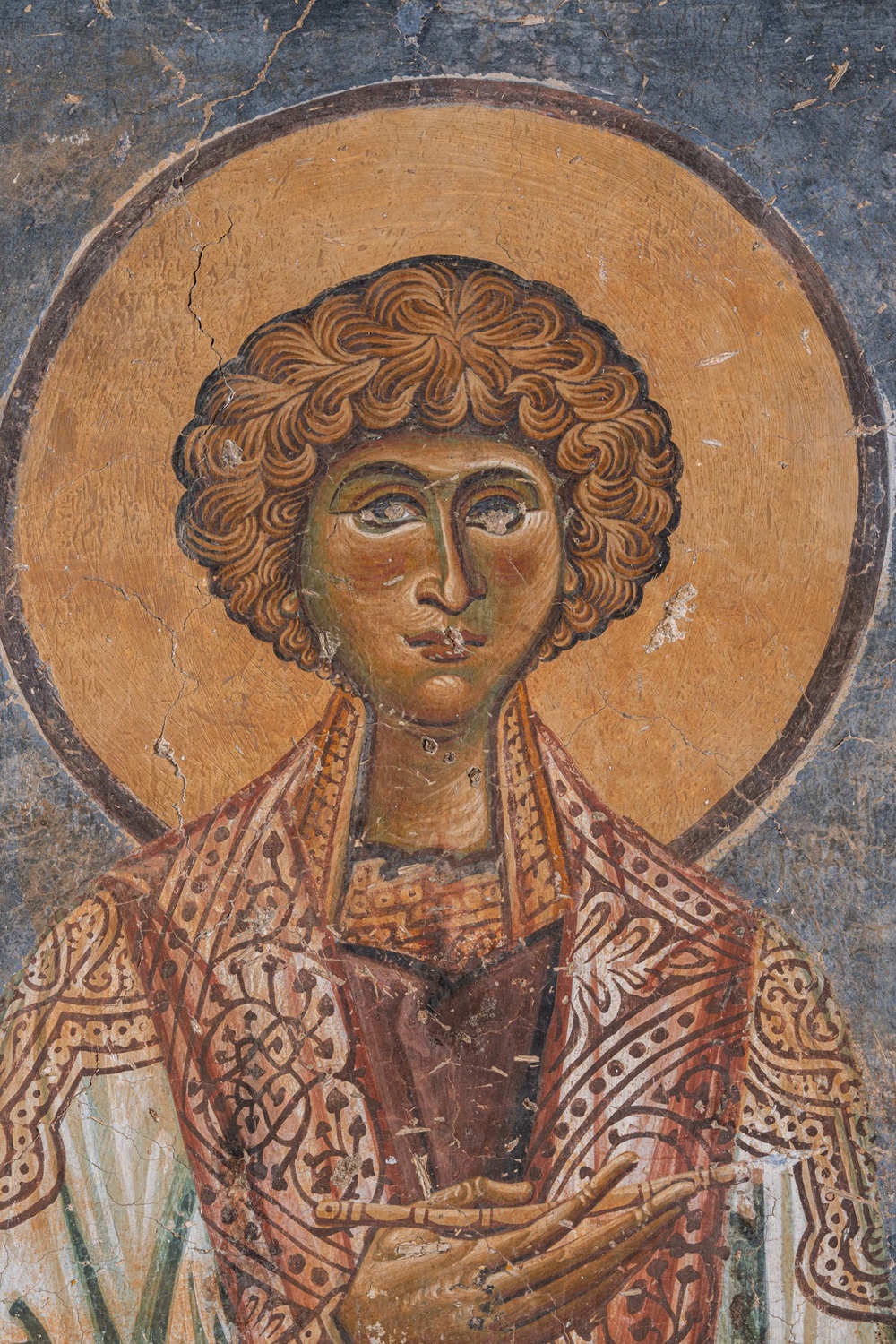
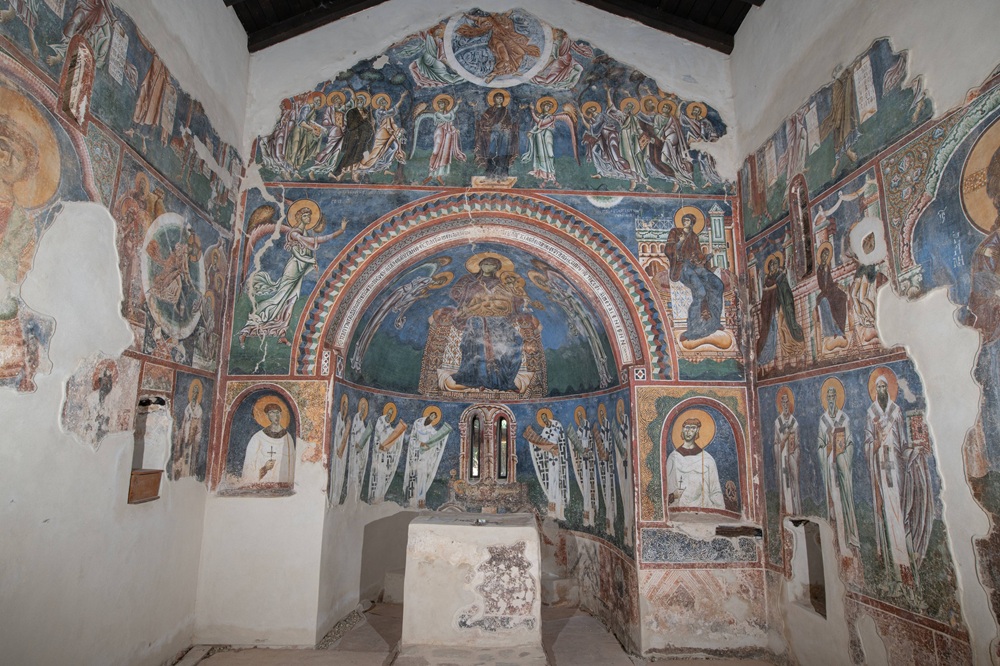
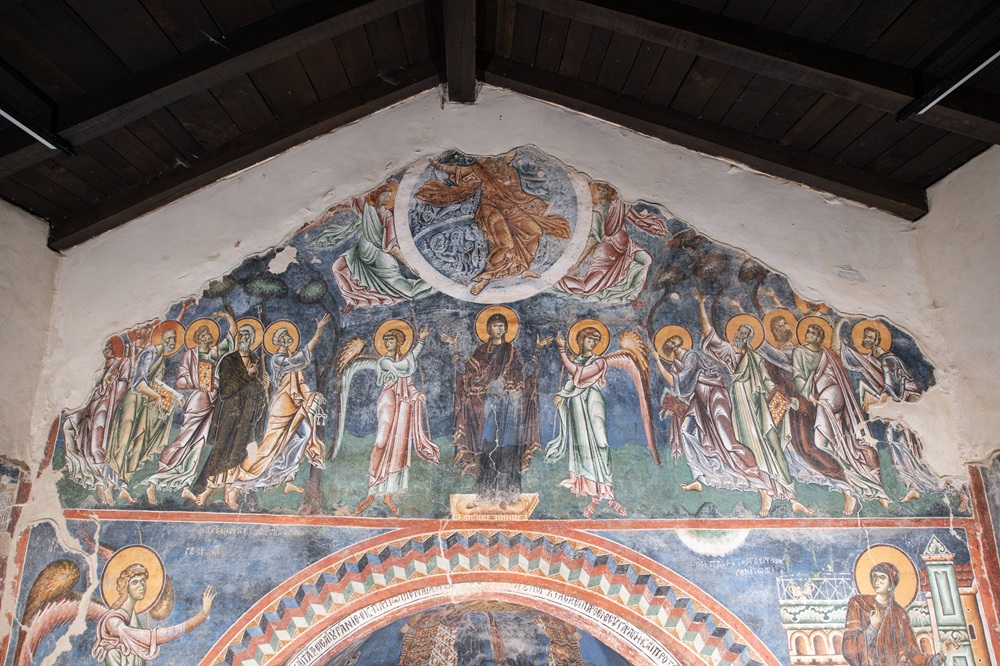
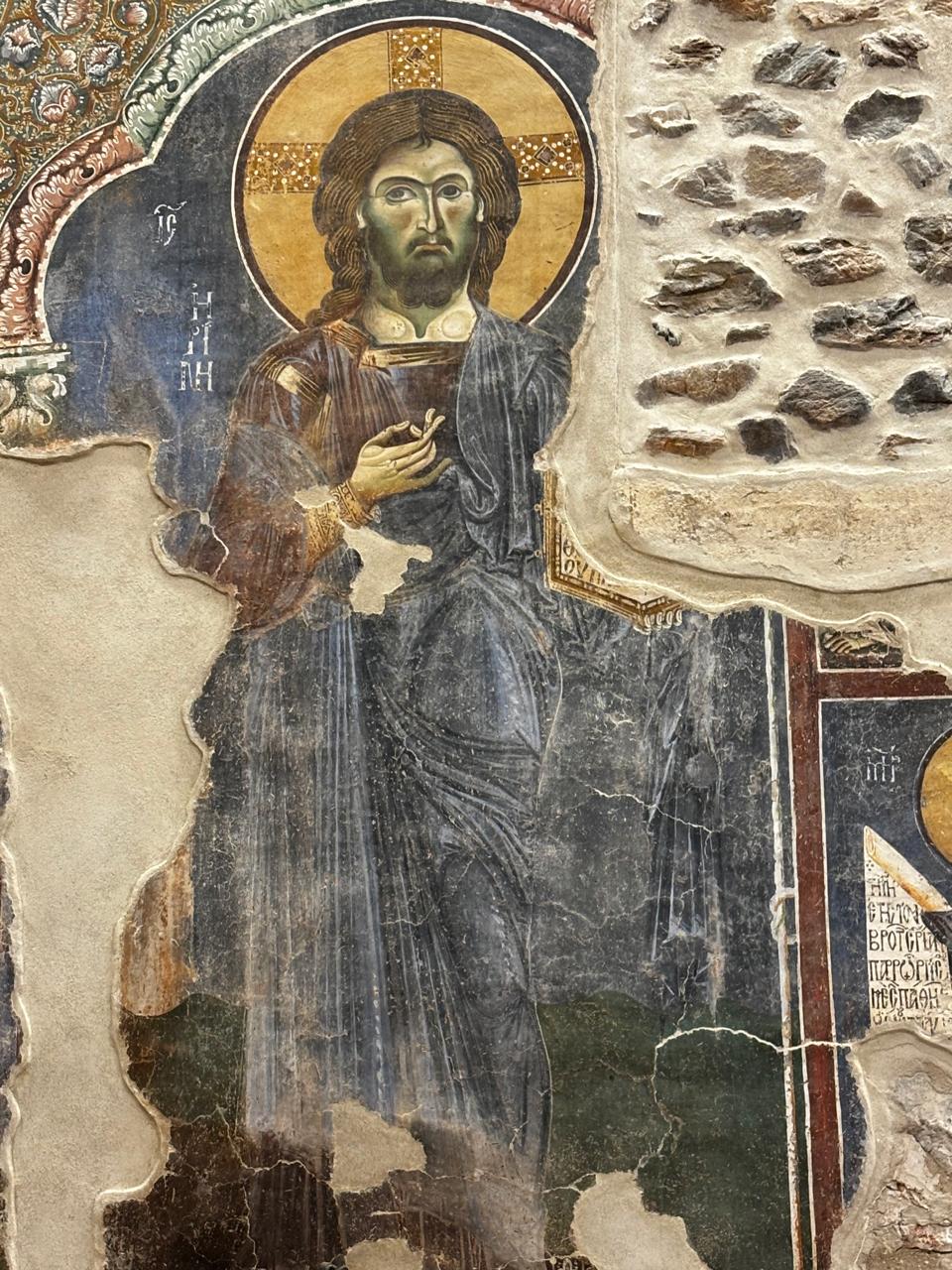
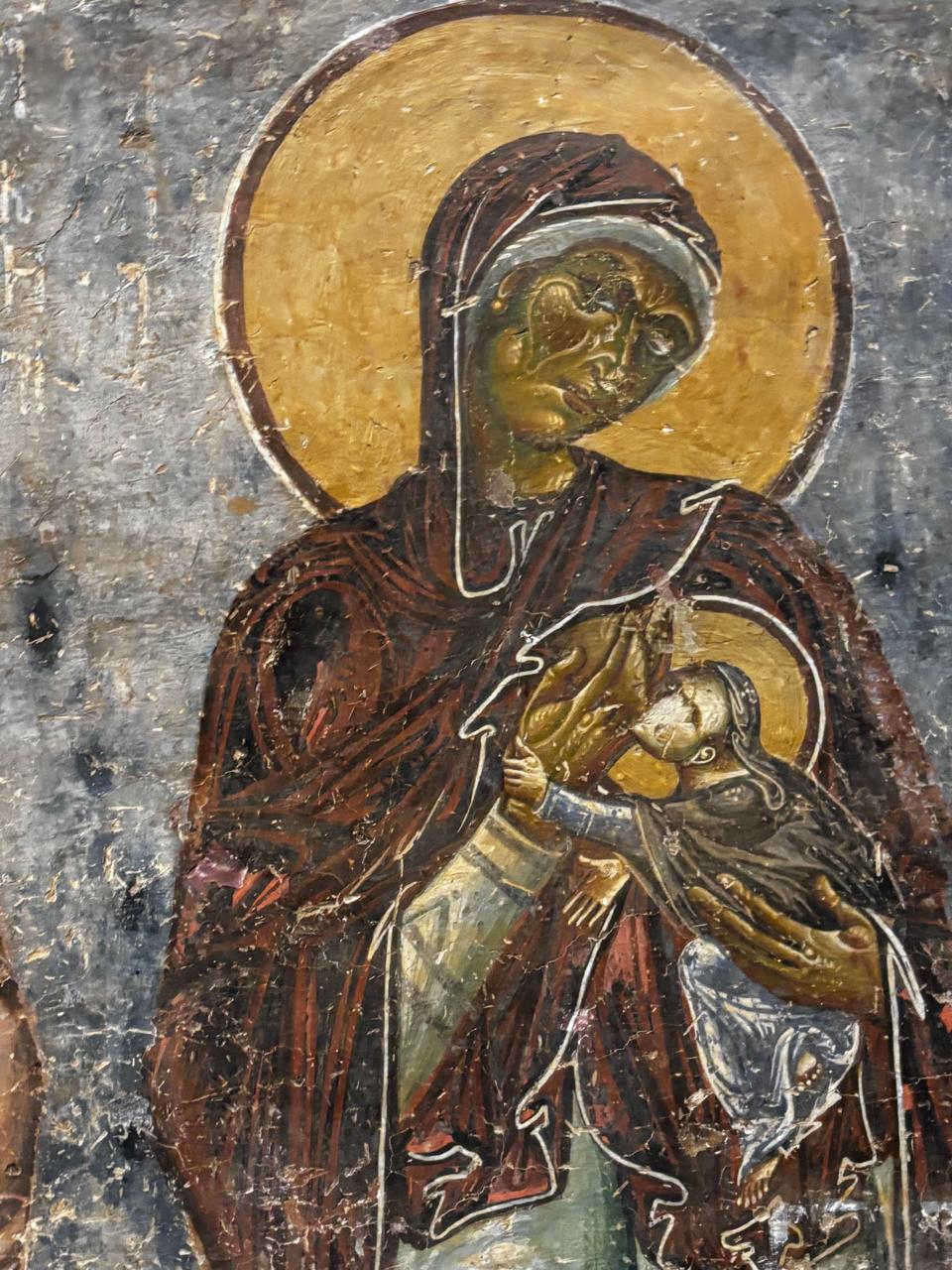
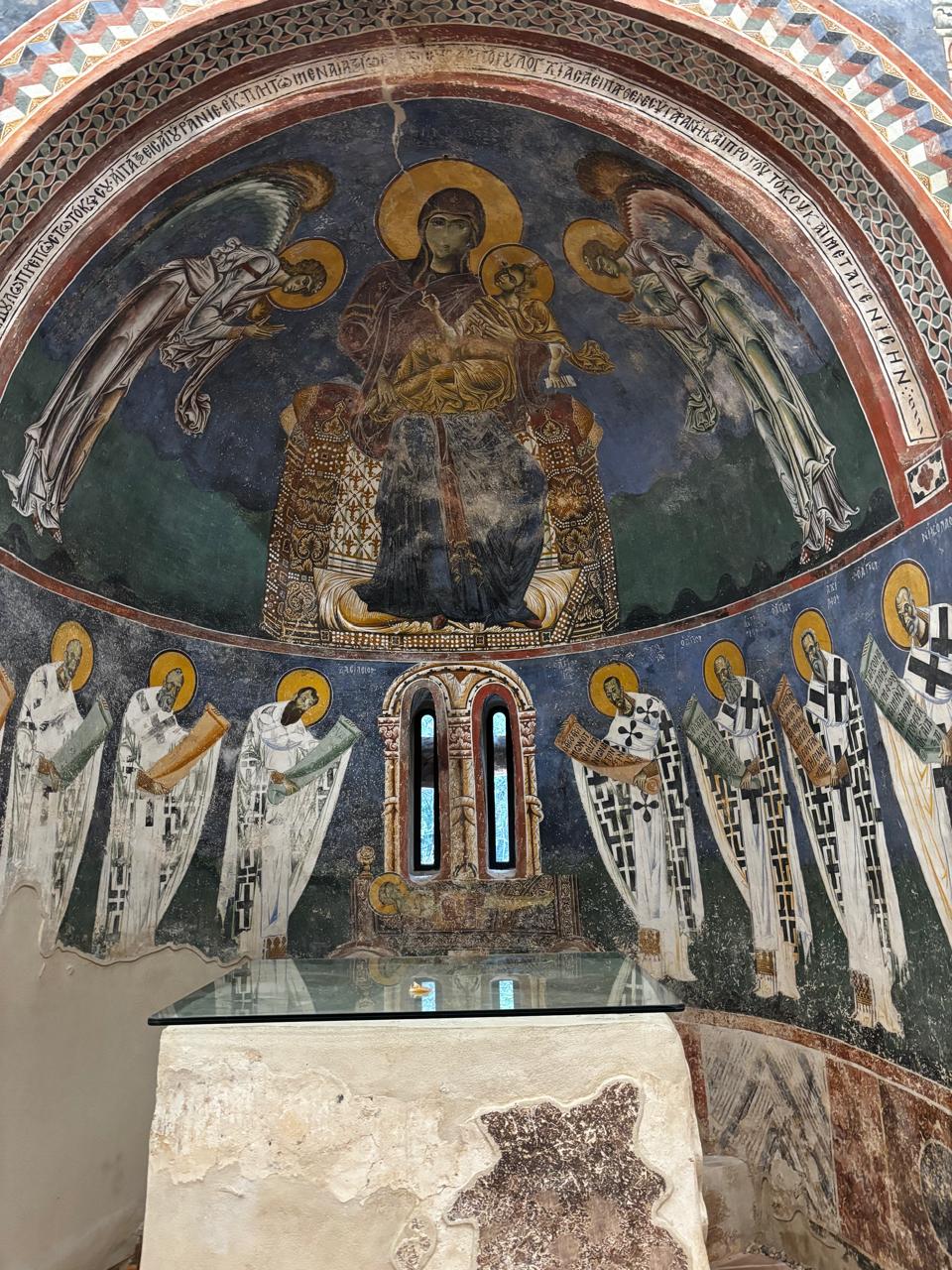
The Byzantine church of Saint George in Kurbinovo, near the Prespa region in North Macedonia, is one of the most important monuments of Byzantine art in the Balkans. It dates to 1191, according to its dedicatory inscription, and is particularly renowned for its frescoes of exceptional artistic value. Its iconographic decoration is an exceptional example of Byzantine monumental painting from the era of the Komnenos emperors (12th century), distinguished by the expressiveness of the figures, the vibrancy of the colors, and the richness of the iconographic themes. The church has a single nave and is distinguished by the architectural simplicity of its exterior, in contrast to the richness of the high Byzantine art found in its interior frescoes. They depict scenes from the lives of Christ and the Virgin Mary, saints, and ecclesiastical figures, with particularly expressive gestures, elongated proportions, and a striking rendering of the garments. The depiction of the Annunciation in the apse of the sanctuary holds a special place and is considered one of the most significant works of Byzantine monumental painting. This particular depiction of the Archangel Gabriel is especially well-known in Byzantine art. The church appears to have been abandoned in the 17th century and regained attention in the 19th century. Its cultural value extends beyond the geographical boundaries of the region, as it is an important part of the shared cultural heritage of the Balkans. Since 2020, it has been included on UNESCO’s Tentative List of World Heritage Sites.
The completion of this project highlights the importance of scientific documentation and transnational cooperation for the protection and preservation of monuments of exceptional historical and artistic value, while also contributing to the preservation of the shared cultural heritage of the broader Balkan region.
At the handover ceremony, the two ministers were accompanied by the Greek Ambassador to North Macedonia, Yannis Maloukos; the Greek Consul General in Bitola, Despoina Ipoti; the European Union Ambassador to North Macedonia, Michalis Rokas; the Head of the North Macedonia Team at the European Commission’s Directorate-General for Enlargement and Eastern Neighborhood (DG ENEST), Frederick Swinnen; Secretary General for Culture Olympia Vikatou, President of EKEVYM Prof. Taxiarchis Kollias, Director of EKEVYM Flora Karagianni, as well as officials from both delegations.
Collaboration between Minister of Culture Lina Mendoni and Albania’s Minister of Tourism, Culture, and Sports, Blendi Gonxhja
Strengthening bilateral cultural cooperation between Greece and Albania, strengthening the cultural ties between the two countries, and developing joint initiatives and collaborations were the focus of the meeting between Minister of Culture Lina Mendoni and her Albanian counterpart. Particular emphasis was placed on the prospect of signing an agreement to combat illicit trafficking and repatriate cultural property to its countries of origin, as well as on the reactivation of the Memorandum of Cooperation signed in 2021 by the two countries regarding the restoration and conservation of monuments. The restoration of the frescoes in the Byzantine church of Saint Nicholas in Mesopotamos with the assistance of the European Center for Byzantine and Post-Byzantine Monuments and funding from the Greek Ministry of Culture. Regarding the promotion of Byzantine works of art, the Albanian side stated that the possibility of establishing a Byzantine Museum in southern Albania is being considered, requesting Greece’s assistance in the form of experience and expertise to house Byzantine artifacts from the wider region.
As part of the exchange of expertise, the possibilities for developing cooperation with the Greek Ministry of Culture to organize seminars and training programs in the field of antiquities conservation were discussed. The focus was on contemporary culture, as well as opportunities for joint initiatives in the fields of contemporary creation. For the first time this year, Greece—represented by the Hellenic Foundation for Books and Culture—will participate in the International Book Fair in Tirana next month. The restoration of the Faik House in Konitsa, which has been designated a protected monument by the Greek Ministry of Culture, was also discussed. The restoration of the monument has already been set in motion by the Directorate for the Restoration of Byzantine and Post-Byzantine Monuments of the Ministry of Culture.


Leave A Comment