
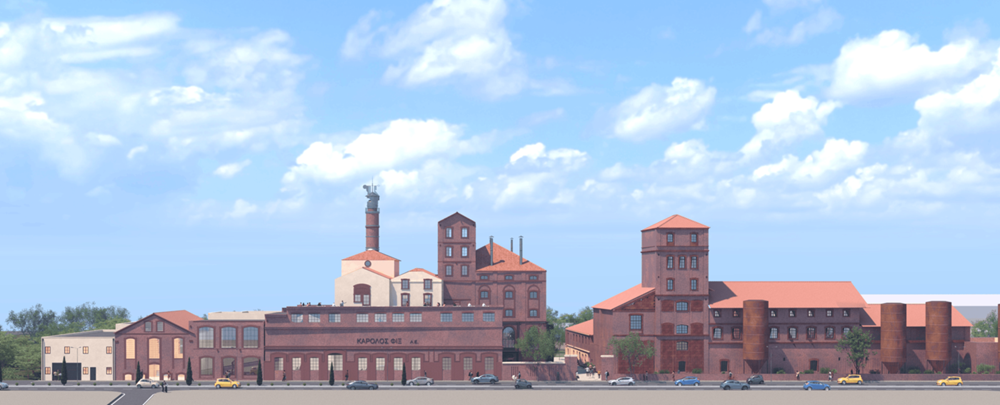
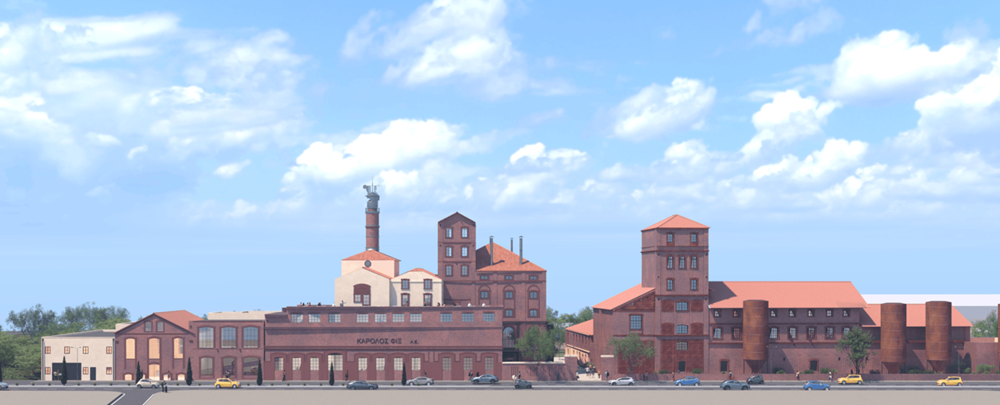
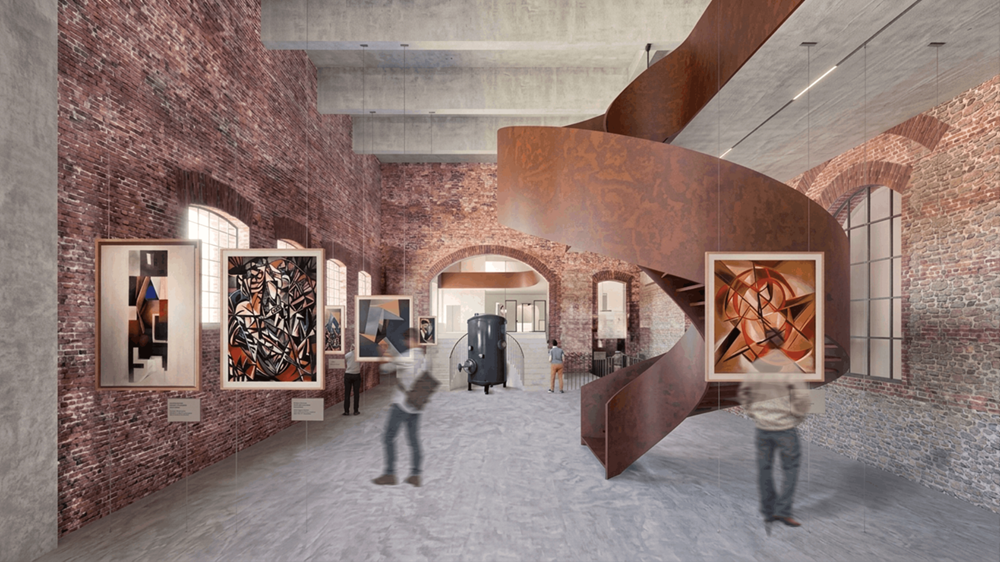
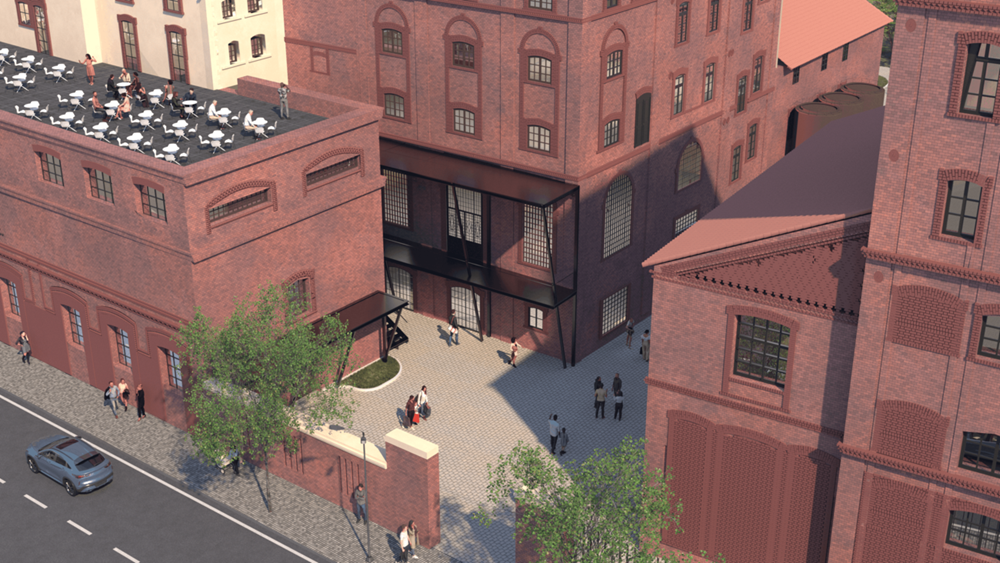
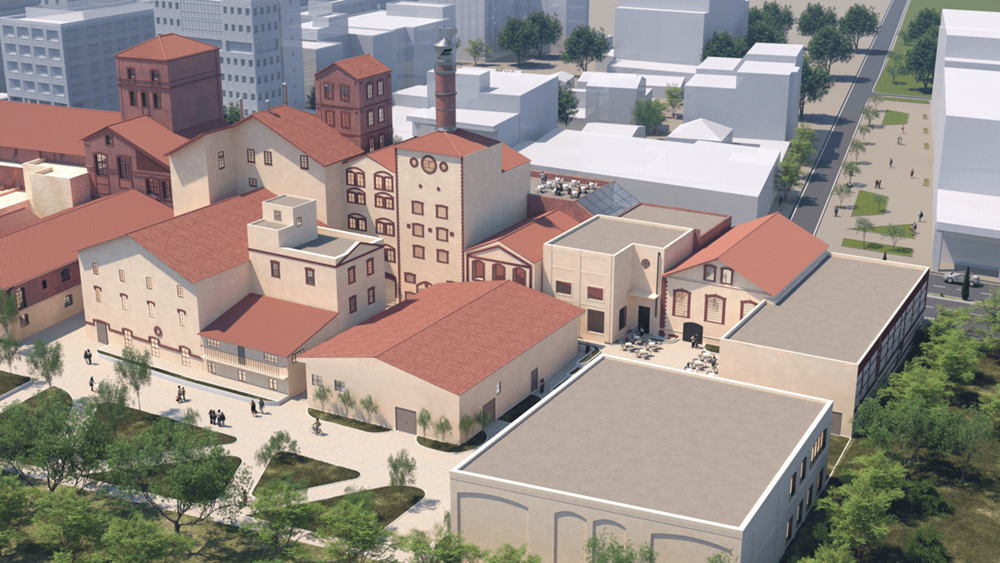
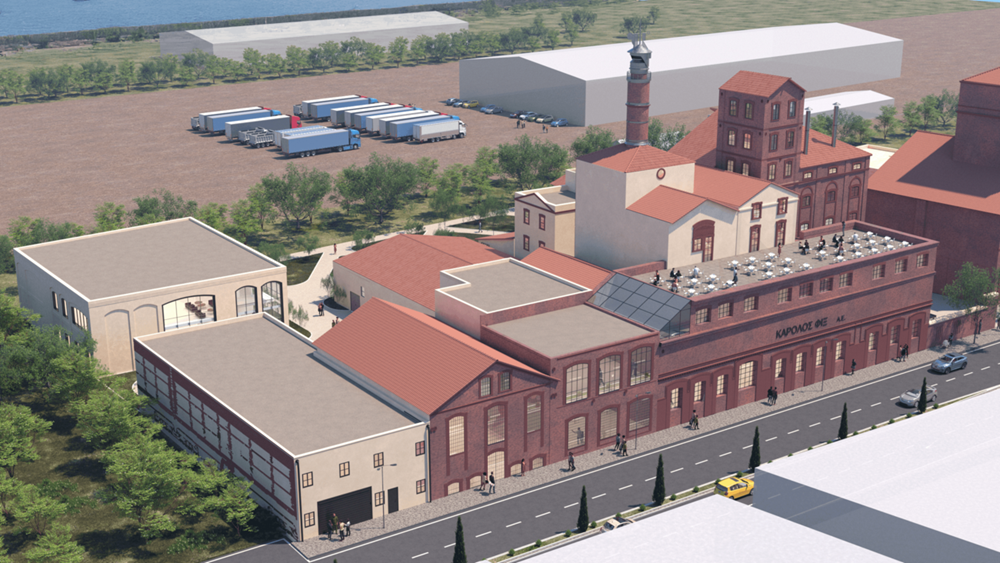
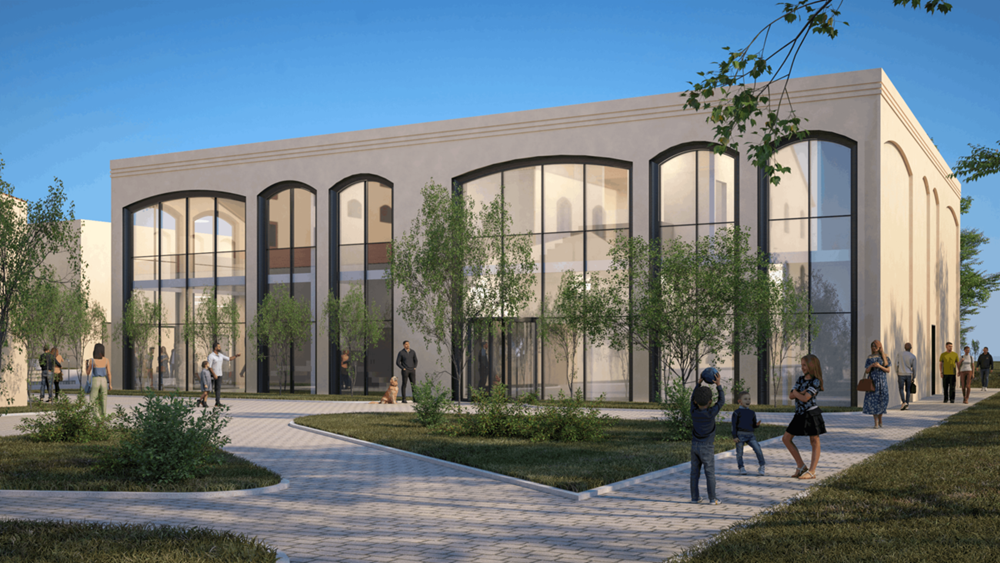
An important step toward the preservation, restoration, and adaptive reuse of one of the most iconic monuments of Thessaloniki’s modern industrial heritage is the completion of the preliminary studies for the restoration and adaptive reuse of the building complex “Complex 2” of the former FIX Brewery, as well as the preliminary study for the conservation of the building materials, the notable decorative and architectural elements, and its mechanical equipment. The industrial complex at the western entrance to Thessaloniki, designated a historic landmark, is owned by the Ministry of Culture and is intended to become part of Thessaloniki’s contemporary cultural life, by housing the MOMus, the Thessaloniki State Symphony Orchestra, and the Thessaloniki State Conservatory.
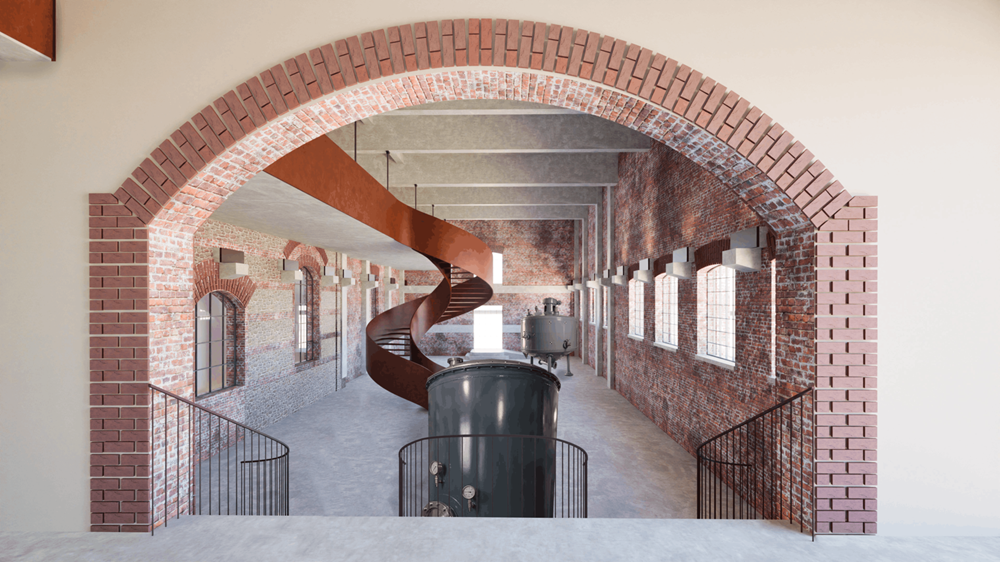
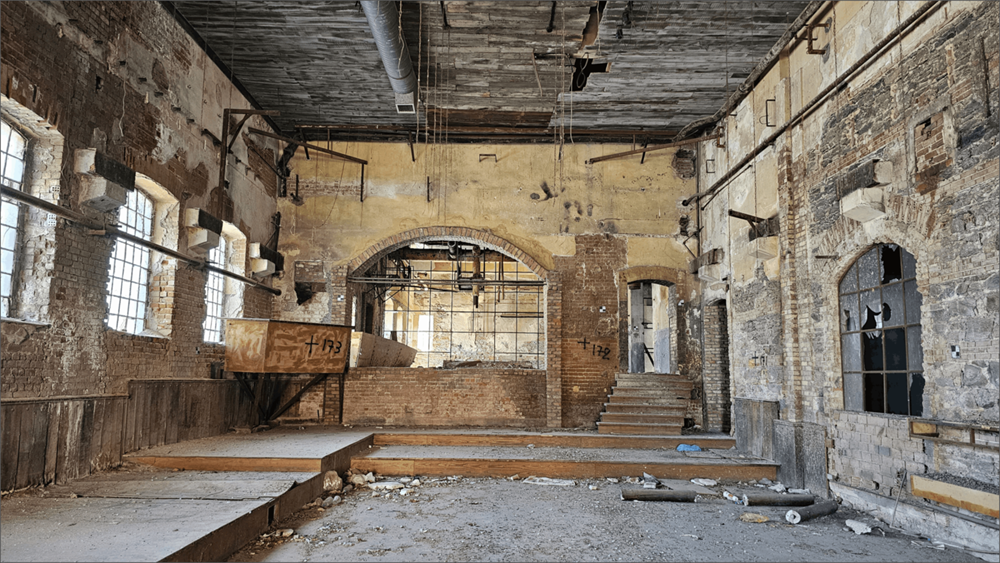
The S2 complex is a multifaceted industrial complex that developed gradually around the original core of the Misrachi, Allatini, and Fernández Distillery. The older buildings are early examples of brick expressionism, featuring a simple form, while the individual structures are arranged around tall, tower-like constructions. The labyrinthine interior layout reflects the different stages of malt and beer production, as well as the need for vertical expansion of the storage and mechanical facilities. Of particular importance are the brewhouse and the brewing kettle room, where the wort was produced; the space retains a distinctive architectural and decorative character reminiscent of 19th-century German and French brasseries.
The preliminary studies—architectural, structural, electromechanical, and conservation—focus on the restoration of the historic building envelope and the protected mechanical equipment, as well as the integration of the necessary electromechanical systems to accommodate new uses.
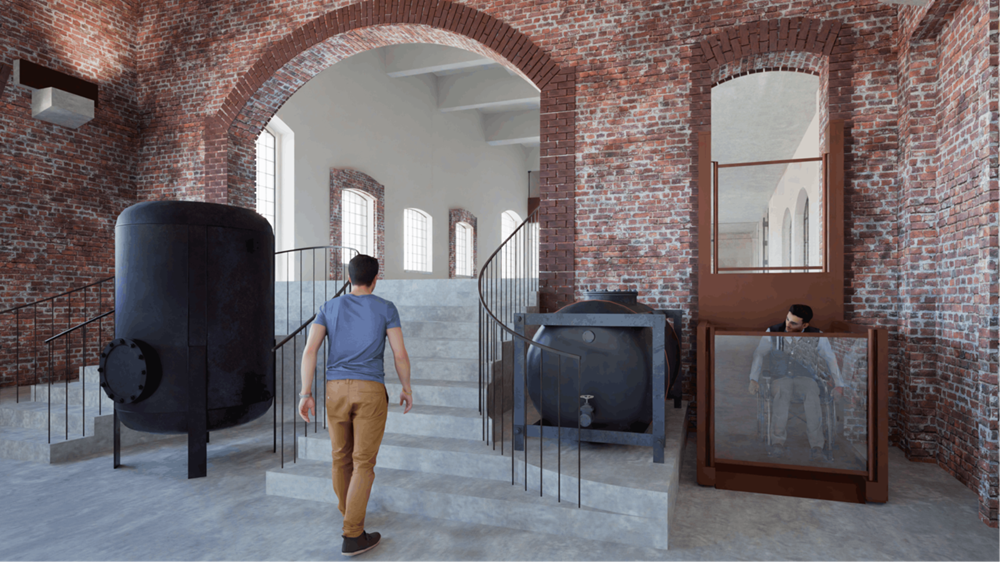
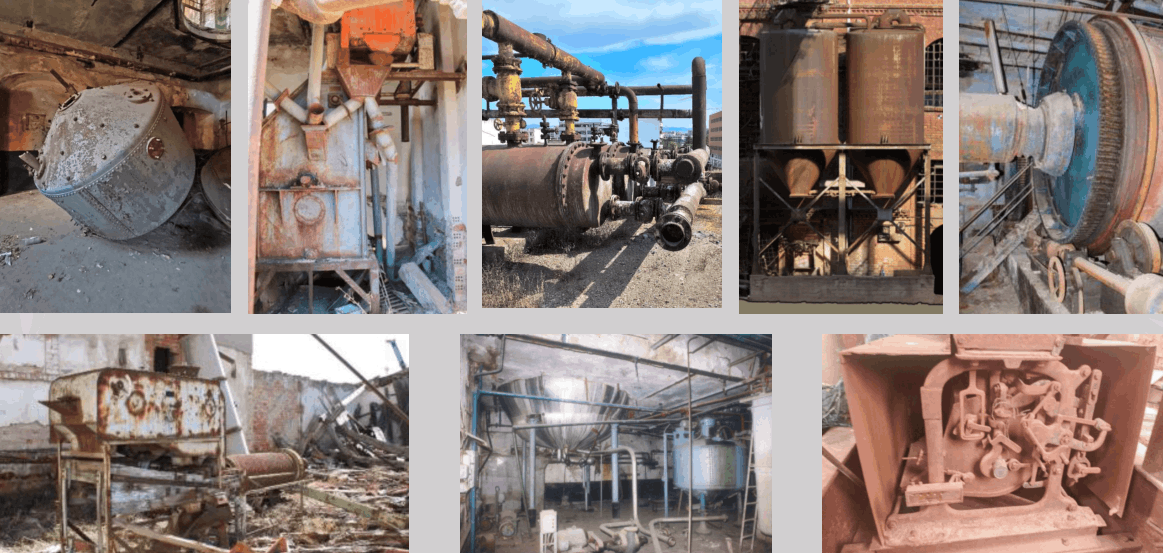
The restoration study for the complex proposes preserving all of its buildings and repairing, restoring, and generally reconstructing the sections that have collapsed. The complex’s notable architectural and industrial elements will be preserved and restored, with particular emphasis on the brewhouse, the brick ovens, and its historic mechanical equipment, all of which will be integrated into the building’s new uses while preserving the memory and recognizability of its original function as a brewery. The conservation proposals aim to preserve, restore, and highlight the authentic elements of Complex S2, both externally and internally, with the goal of maintaining its authenticity and showcasing the complex’s industrial character. The new air conditioning, ventilation, electrical, and fire protection systems are planned to be integrated in a way that minimizes interventions in the historic building envelopes and does not alter the monument’s main facades, while ensuring accessibility for people with disabilities.
A prominent landmark of industrial Thessaloniki
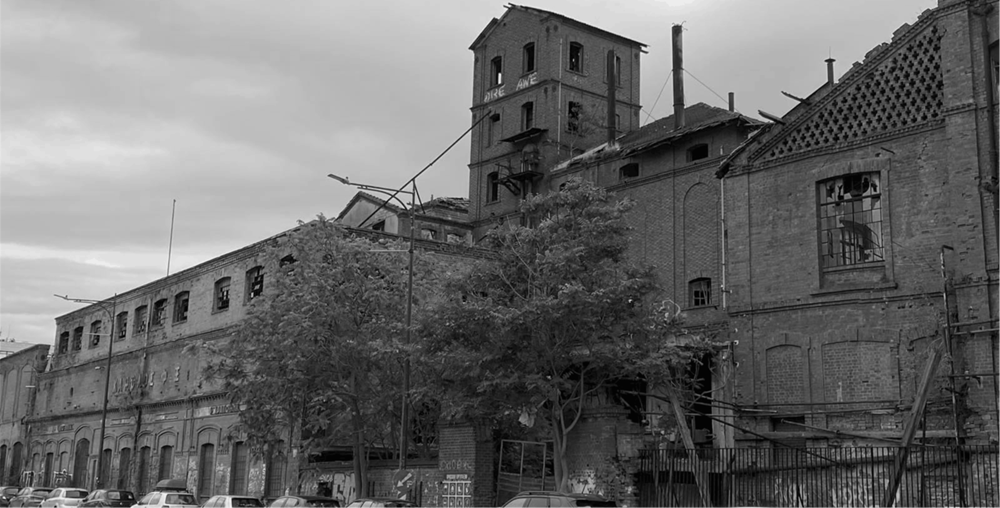
The former FIX Brewery complex has been Thessaloniki’s largest industrial complex since the second half of the 19th century, featuring buildings from different periods with varying architectural and construction characteristics. Its history began in 1882 with the founding of the “Olympos – Allatini Freres” distillery, which was converted into a brewery in 1892 and, in 1927, was acquired by the Athens-based company “Karolos Fix S.A.” The complex expanded gradually and remained in operation until 1983, when it was abandoned following the company’s bankruptcy. In 1992, the building was designated by the Ministry of Culture as a historic monument worthy of preservation, along with its equipment, as an important testament to the city’s industrial, architectural, and economic history. After a long period of neglect and significant deterioration, in 2025 the eastern section of the complex, S2, along with its protected equipment, was acquired by the Ministry of Culture. The site covers approximately 6,900 square meters, with listed buildings totaling 7,715.90 square meters in floor area. The central principle of the preliminary designs is the preservation and restoration of all the historic structures, while simultaneously incorporating new functions that meet the contemporary needs of cultural organizations.


Leave A Comment