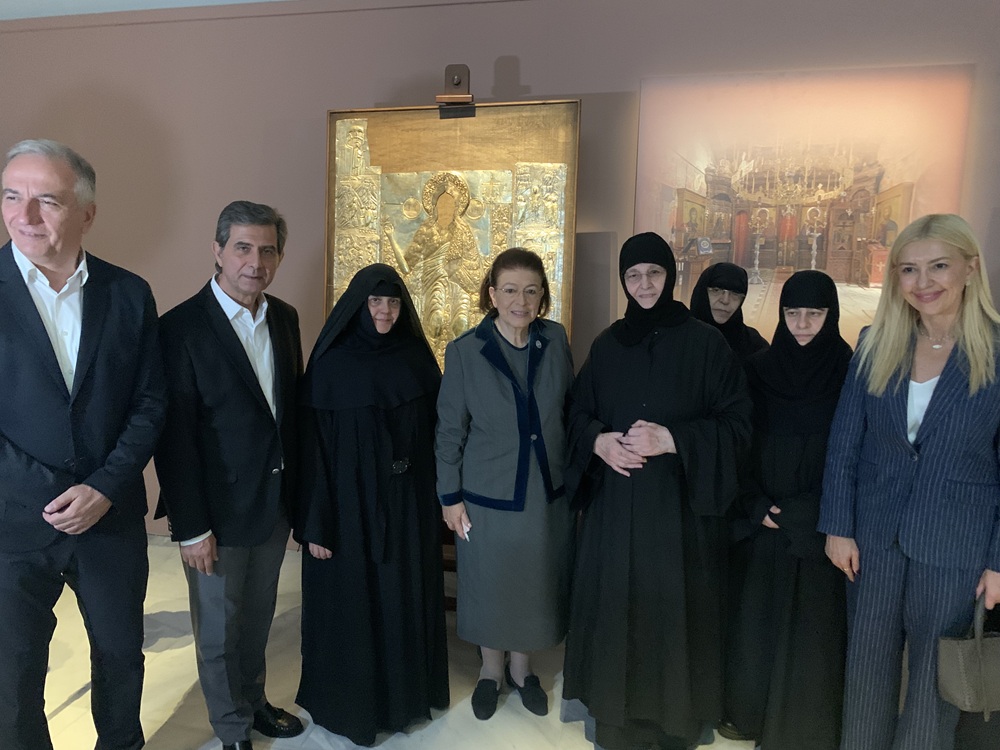
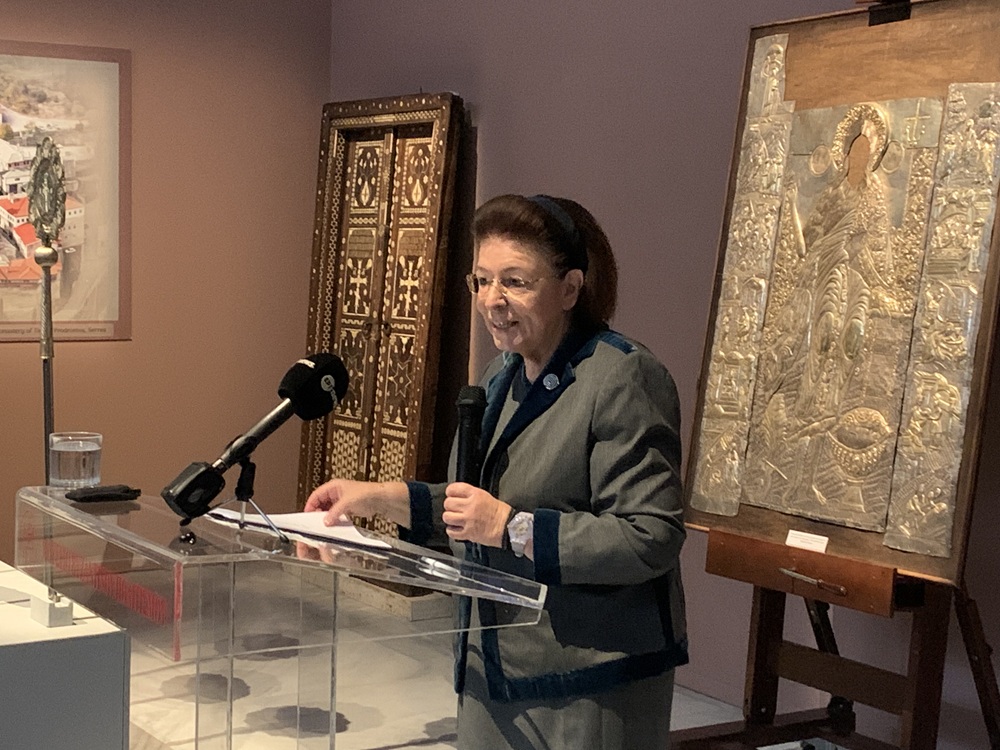
In an atmosphere of emotion, historical vindication, and moral satisfaction, Minister of Culture Lina Mendoni inaugurated the temporary exhibition of 48 ecclesiastical relics at the Museum of Byzantine Culture in Thessaloniki, which were removed, in 1917 from holy monasteries in Macedonia and transported to Bulgaria.
After 109 years, these precious artifacts of the Orthodox faith, spiritual tradition, and cultural heritage of the region have returned to Greece, reestablishing a historical bond that was never severed in our collective memory. Their return and their first exhibition at the Museum were welcomed with evident emotion and satisfaction by institutional representatives, hierarchs, representatives of the clergy and the monastic community, recognizing this as an act of historical restoration and vindication, as well as the reunification of precious ecclesiastical relics with their historic monasteries. The relics were returned pursuant to the Memorandum of Understanding signed on September 29, 2026, between the Ministers of Culture of Greece and Bulgaria.
The 48 relics, originating from the Holy Monastery of Panagia Eikosiphoinissa, the Holy Monastery of St. John the Baptist in Serres, and the Holy Metropolis of Serres and Nigrita, and the Holy Monastery of the Transfiguration of the Savior in Naoussa, were transported to Sofia in 1917 and were either on display or in storage at the National Museum of Bulgarian History. For its part, Greece handed over to Bulgaria the remains discovered in the Basilica of Saint Achilles in 1965 by Professor Nikolaos Moutsopoulos, which have been identified as belonging to Czar Samuel of Bulgaria (997–1014), along with the other anthropological material found in a total of four sarcophagi inside the basilica, which are likely associated with his relatives. These remains have been housed in recent years at the Museum of Byzantine Culture in Thessaloniki. Their transfer to the Bulgarian Ministry of Culture is in line with contemporary international practice, which recognizes the significance of human remains not only as archaeological finds but also as elements of cultural identity, historical memory, and continuity.
Flora Karagianni, Director of the Byzantine Museum of Thessaloniki, presented the exhibition’s concept and the objects on display from their respective monasteries of origin. The attribution of the objects to their historical locations was documented based on the inscriptions on the objects themselves, as well as the available literature.
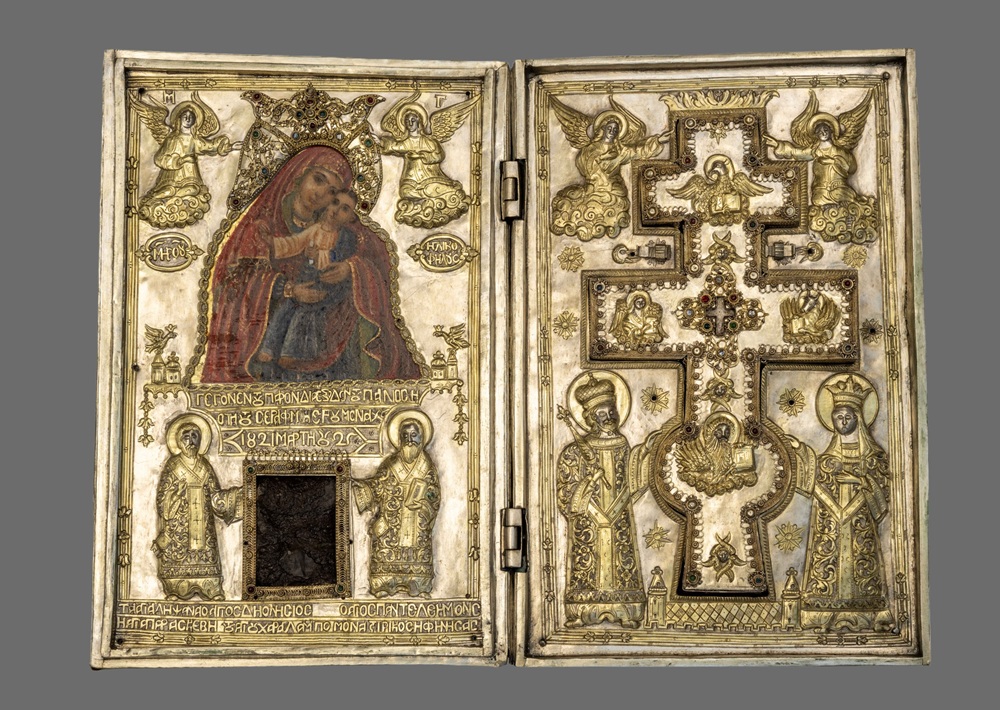
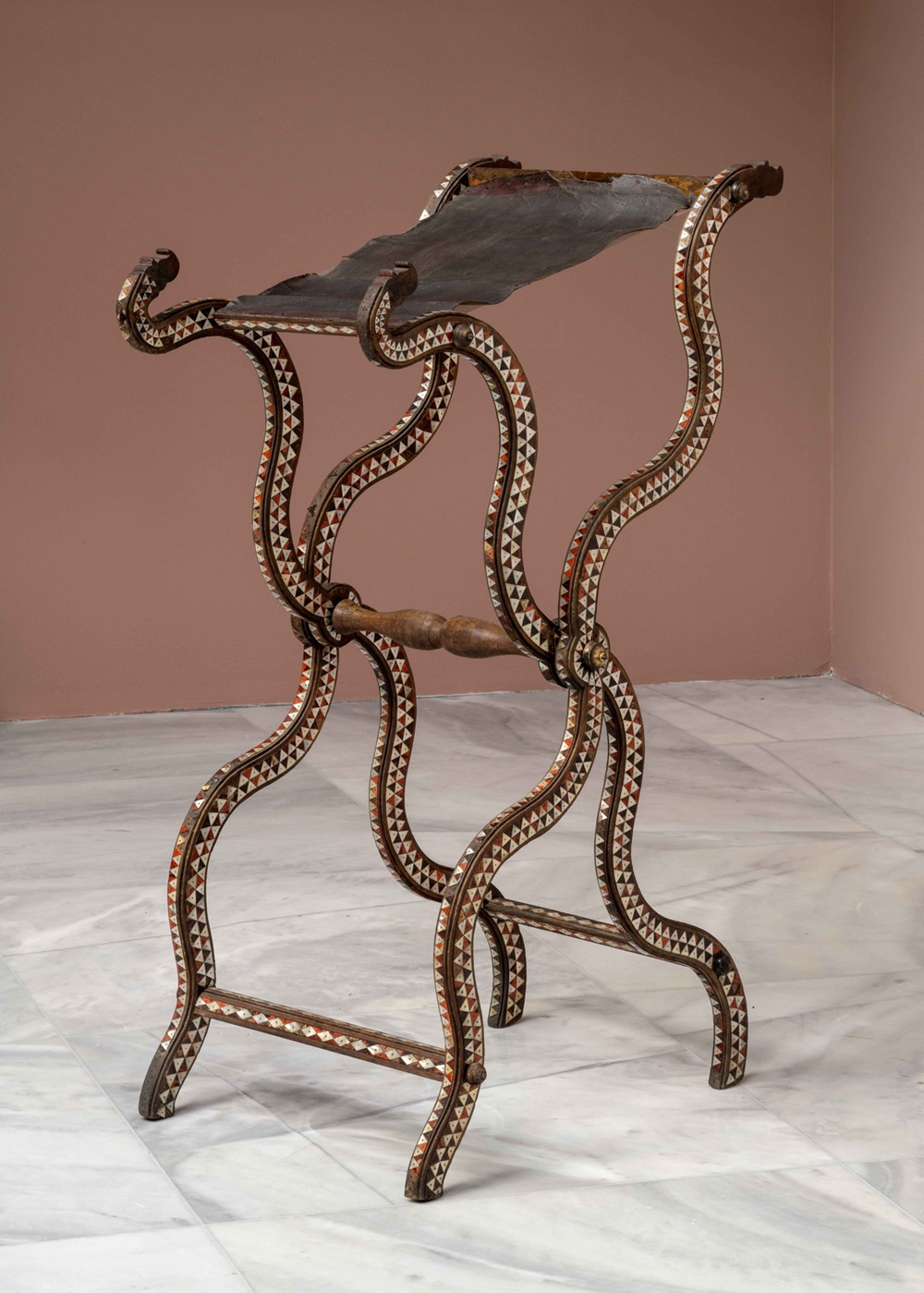
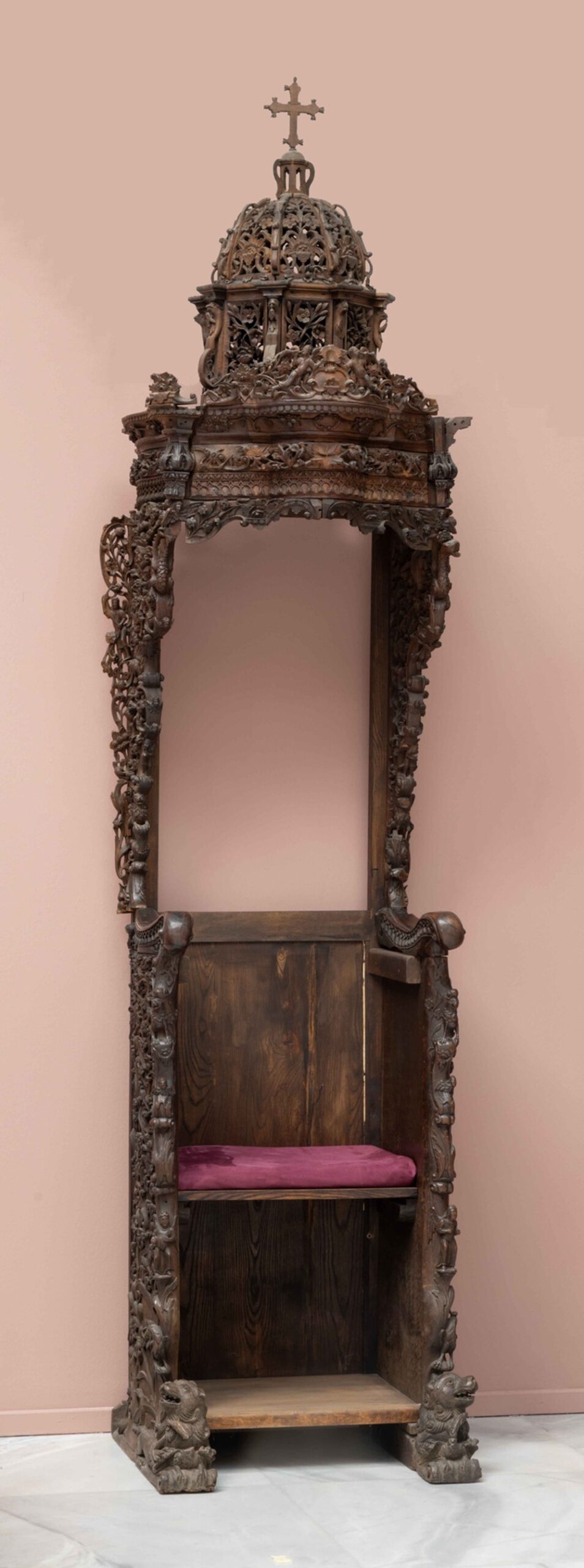
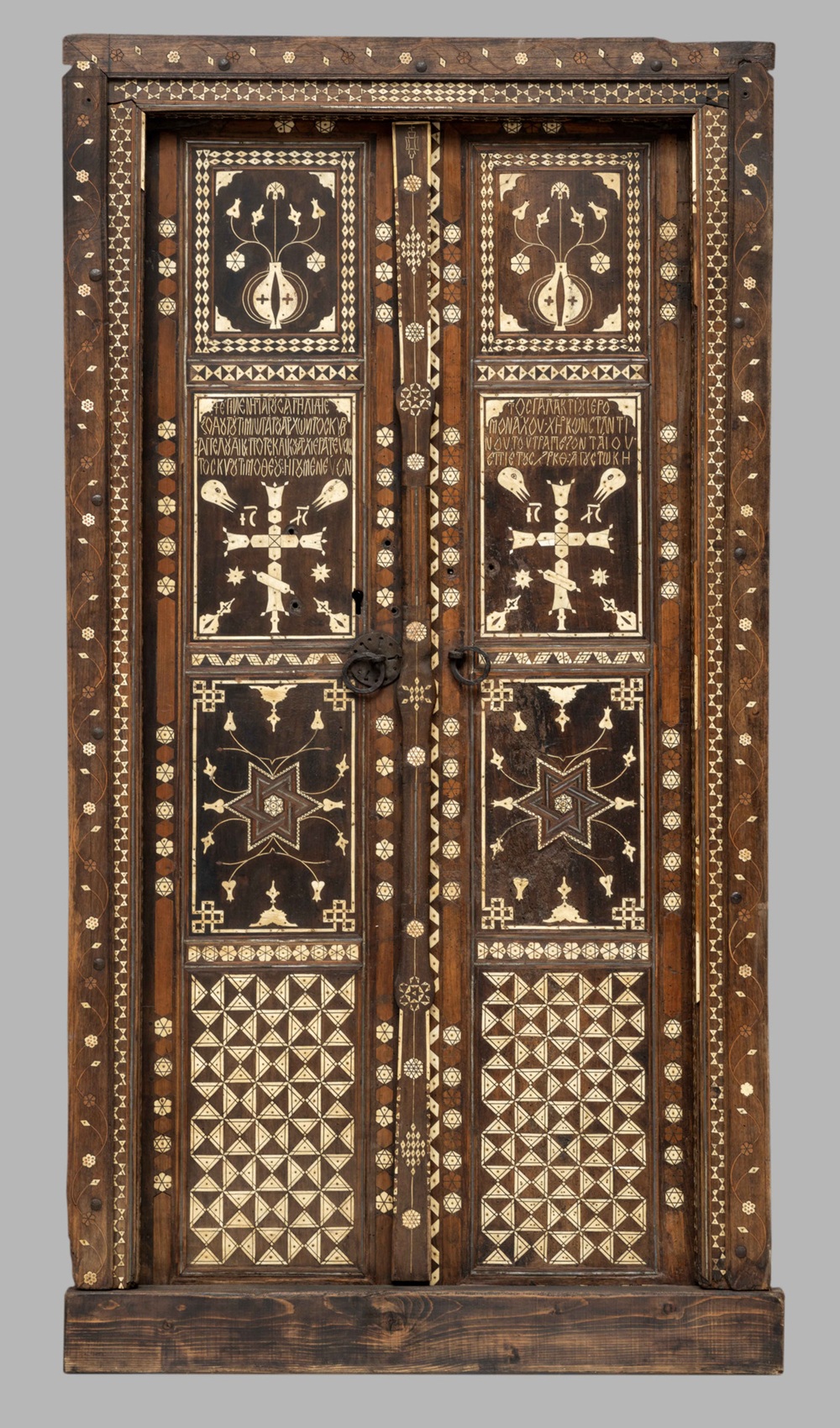
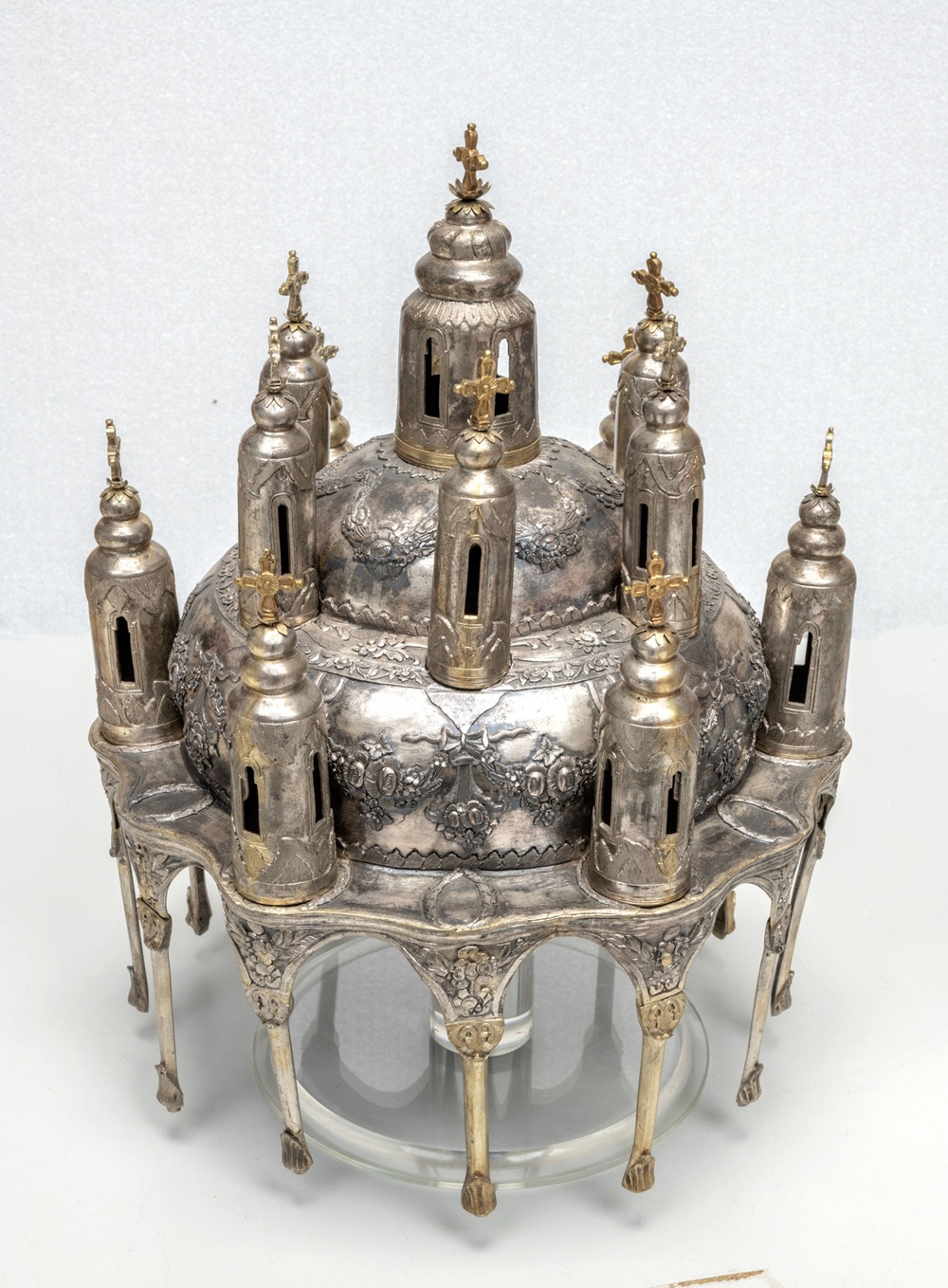
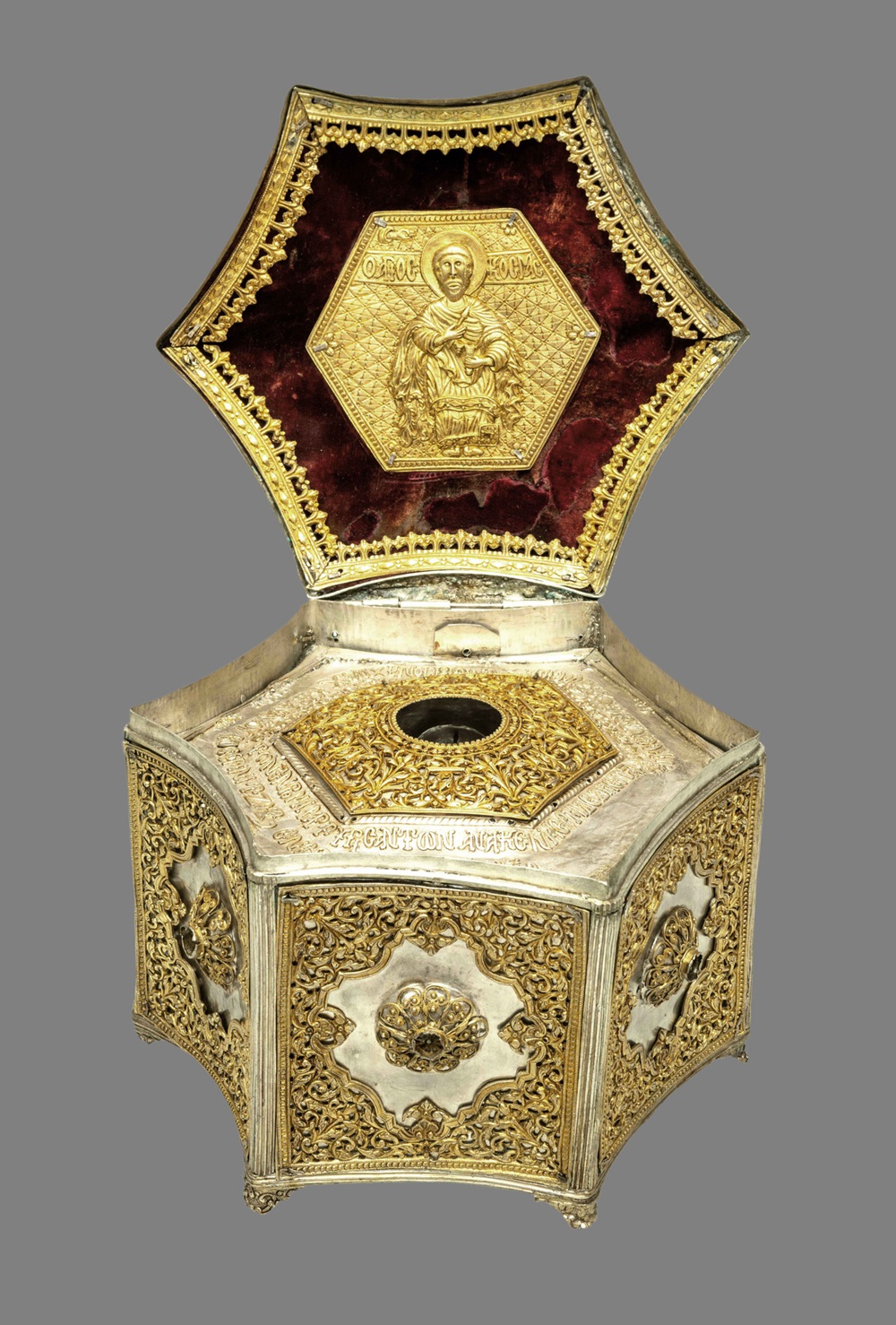
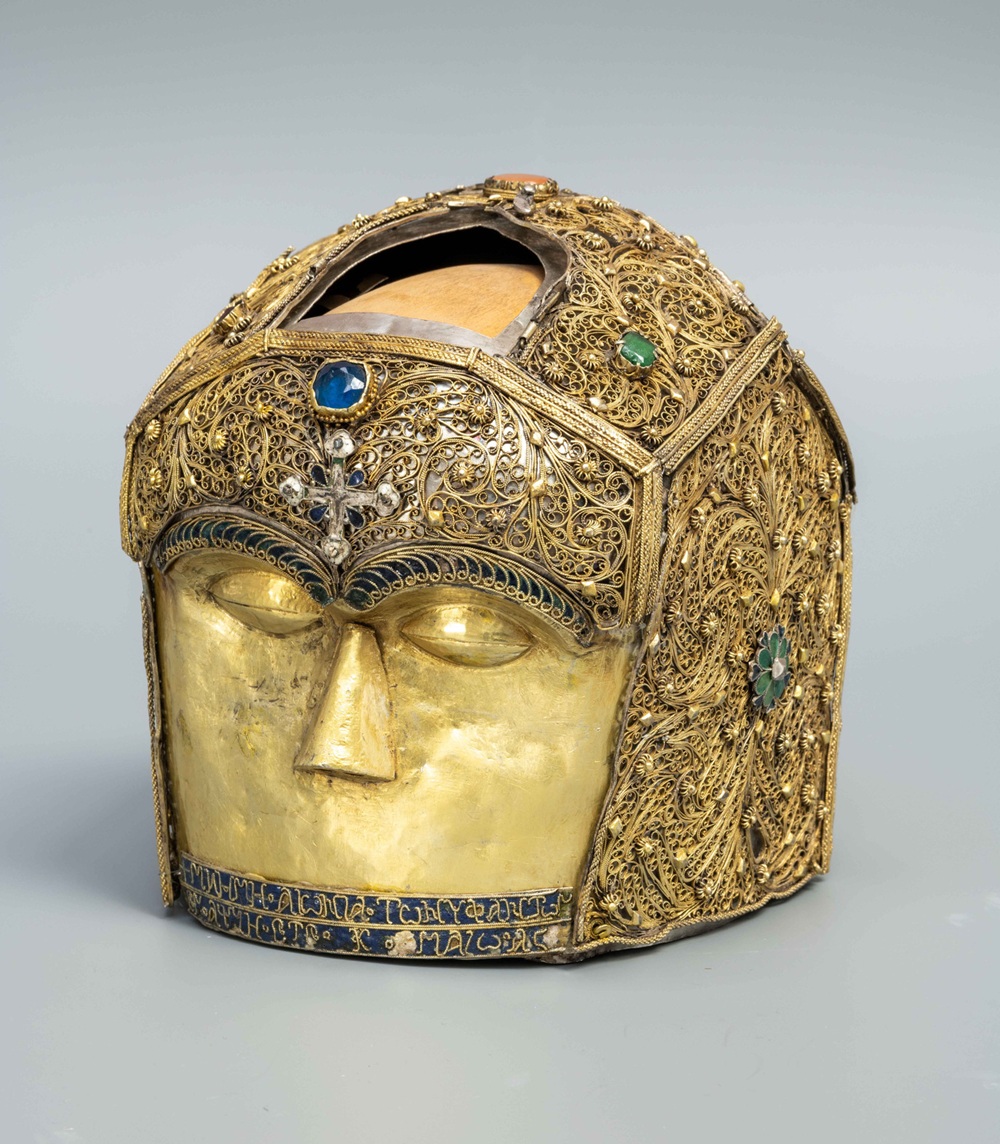
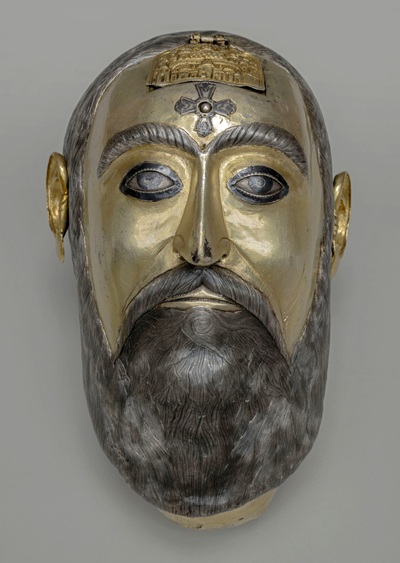
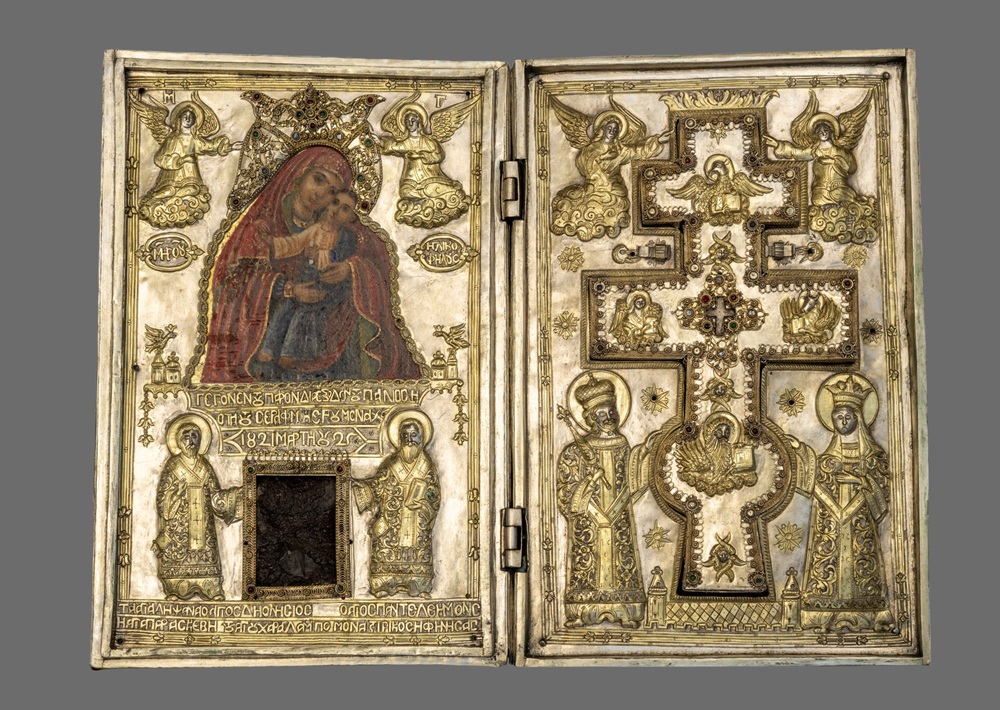
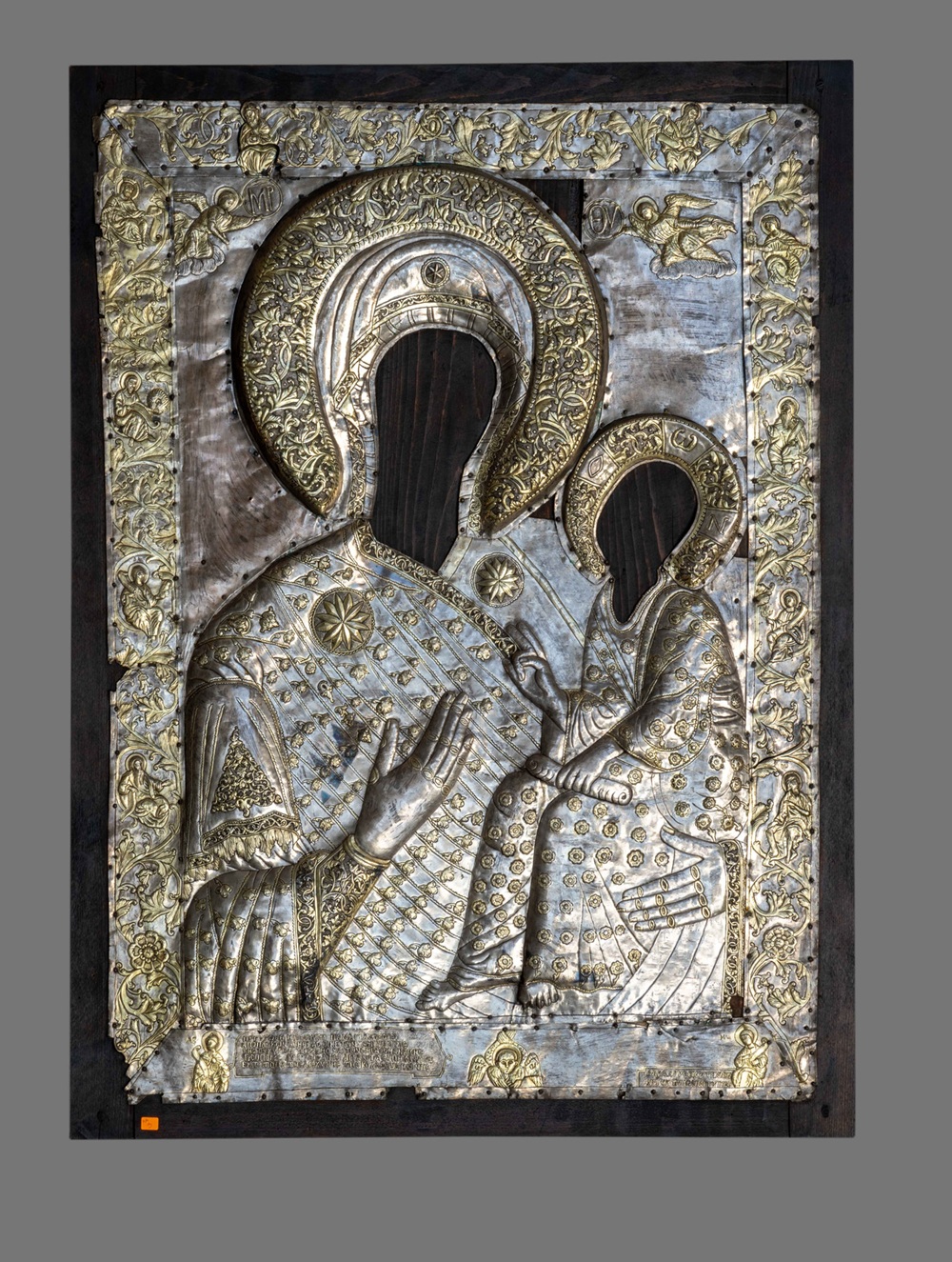
The objects belong to various categories and span a wide chronological range. They consist of liturgical items originating primarily from the two historic monasteries: the Monastery of St. John the Baptist in Serres and the Monastery of Panagia Eikosifoinissa. It consists of liturgical vessels, patens, a chalice, reliquaries, icons, vestments, a complete episcopal throne, a gate, and a lectern. Chronologically, this collection dates to the post-Byzantine period, from the 16th to the 19th century. More specifically, the exceptional exhibits include:
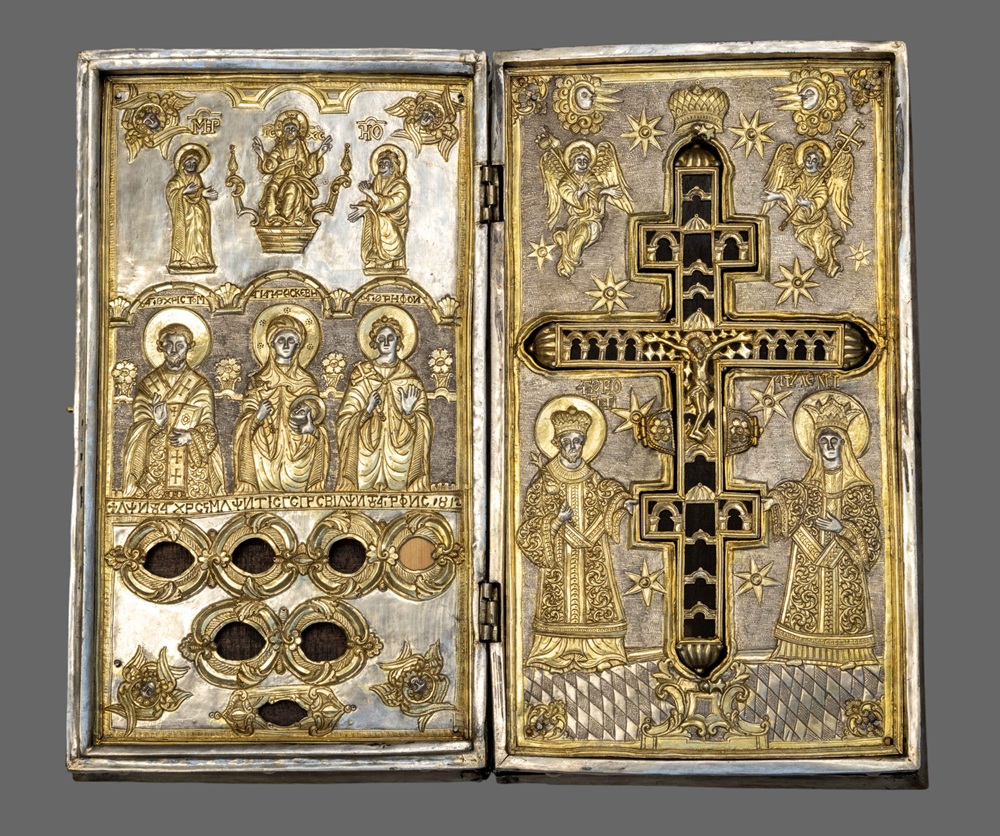
Liturgical vessels and objects of worship: crucifixes, reliquaries (many of which bear inscriptions and are attributed to the Monastery of Eikosifoinissa), processional and holy water crosses, as well as a chalice. Of particular note are the exceptional altar cloths from the Metropolis of Serres and the Monastery of St. John the Baptist, featuring enclosed enamel work, as well as the impressive wooden door from the same church.
Portable icons and vestments: Sacred icons (including their covers/“shirts”) and rare archiepiscopal vestments. Among these, two exceptional knee-length veils from the Monastery of Eikosifoinissa stand out; one bears an inscription attesting to its origin, as well as the name of the artisan, Argyrou, from Constantinople.
Silverwork: Impressive, signed pieces of silverwork crafted by renowned silversmiths from the Epirus region, particularly from Linotopi.
The Museum of Byzantine Culture is hosting these artifacts in its temporary exhibition hall. After November 5, they will be returned to the historic monasteries and churches to which they belong.


Leave A Comment