
The Minister of Culture, Lina Mendoni, presented the residents and visitors of the Regional Unit of Kavala with significant cultural projects, thereby completing a multifaceted initiative aimed at the protection, promotion, and outreach of the cultural heritage of the wider region.
In Philippi, an archaeological site of global significance inscribed on the UNESCO World Heritage List, work was completed to upgrade the archaeological site, install a fire suppression and fire protection system, and restore Basilica II (Phase I). In the Lower Town of Kavala, a significant section of the historic fortifications, including Gate 12, was uncovered and restored. The surrounding area has been integrated into the city’s contemporary cultural life. This is a comprehensive policy that links the protection of monuments with climate resilience, accessibility, and digital technology with the development and preservation of historical identity, highlighting culture as an active force for the present and an investment in the future of Kavala and Eastern Macedonia. At the same time, the systematic cataloging and digital presentation of the Cappadocian Collection “The Nazianzos” were showcased.
Archaeological Site of Philippi
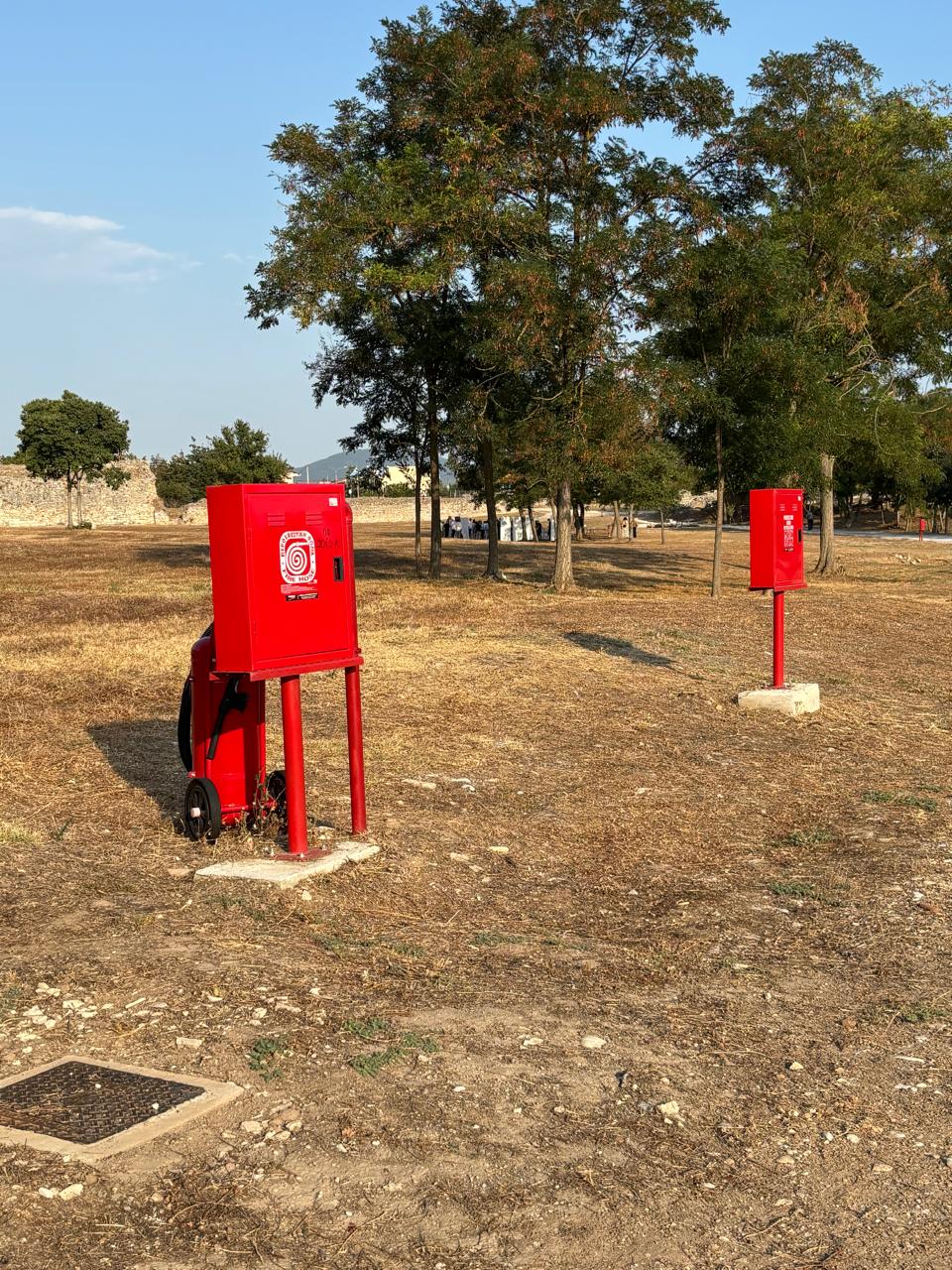
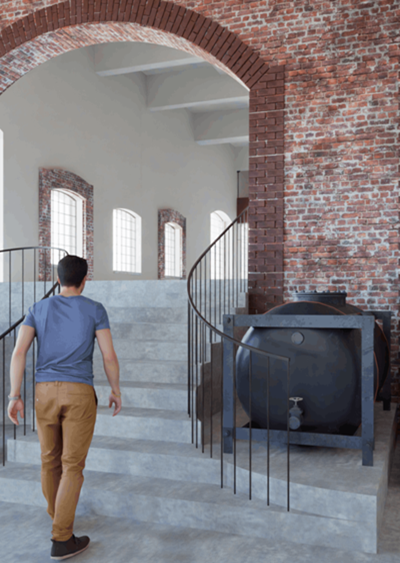
The project to upgrade the archaeological site, with a budget of 2,537,189 euros and funding from the Development Fund, included the consolidation and reorganization of the archaeological site, improving accessibility and visitor flow, as well as the conservation and enhancement of a section of the lowland fortifications. The firefighting and fire protection project, completed in April 2026, creates a safety net against the growing risks of the climate crisis. It includes two reservoirs with a total capacity of 200 cubic meters, along with their respective pumping stations; an additional pumping station connecting to the Lydia water supply network; as well as the installation of 34 fire hydrants at the archaeological site, 4 in the museum, and 16 fire hydrants and 9 fire stations.
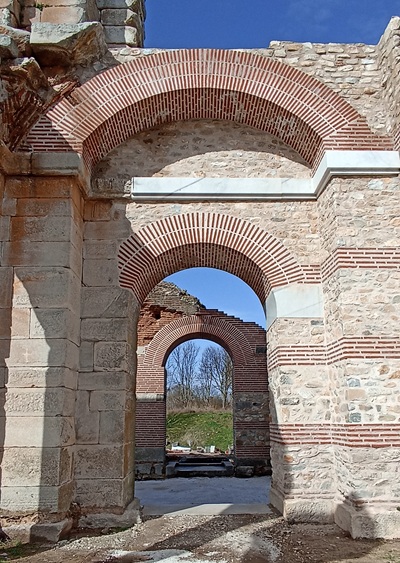
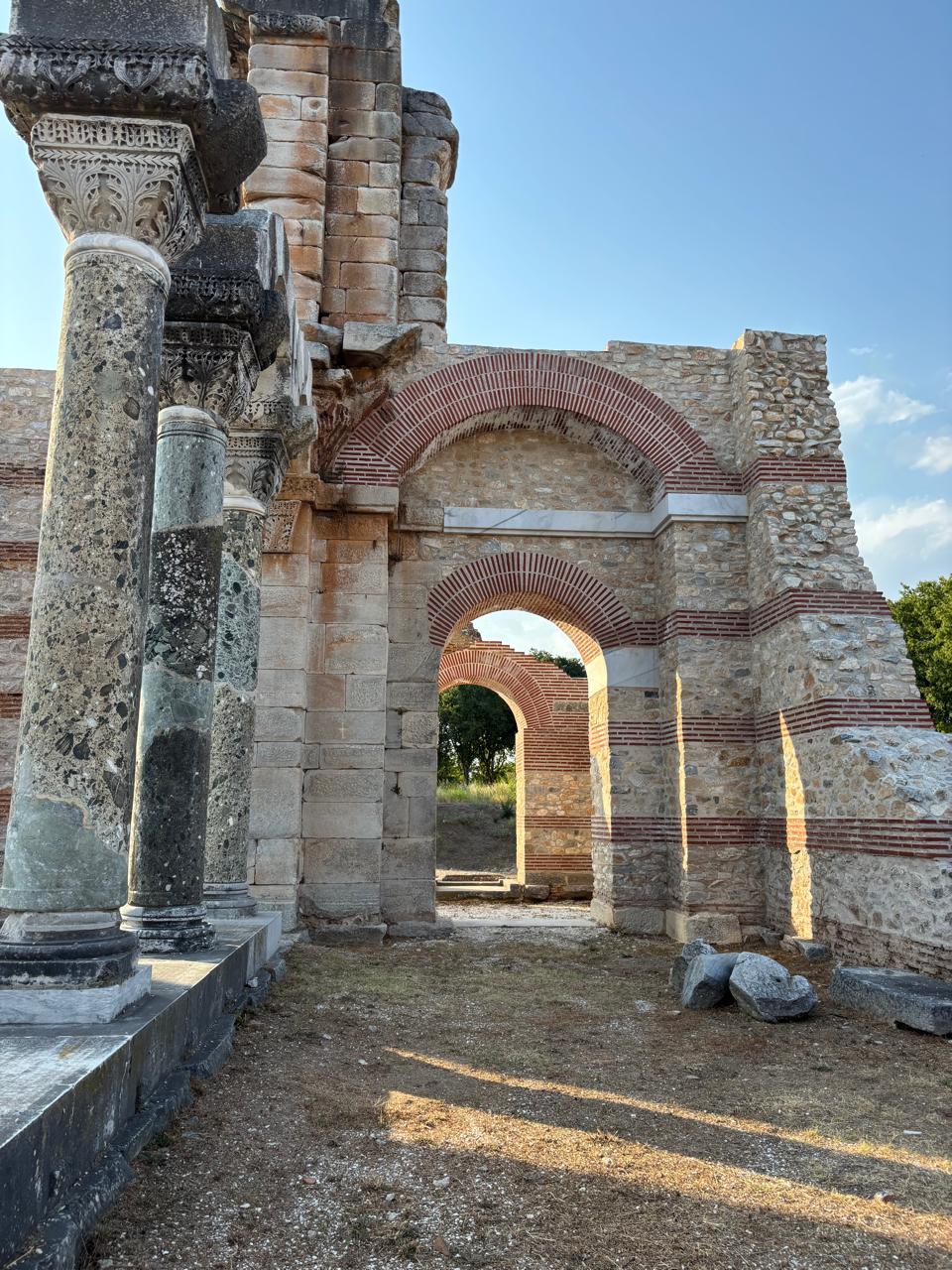
The Basilica II is one of the most important Byzantine monuments in Philippi, occupying a special place in the history of early Byzantine basilica architecture. The project was put out to bid in 2019 and completed in 2024, with funding from the “Eastern Macedonia–Thrace 2014–2020” Operational Program, with a budget of 740,000 euros. The restoration work in the first phase of the project focused on stabilizing and protecting the surviving sections and highlighting the monument’s architectural form, while respecting its authenticity. Work was also carried out on the west wall and the central entrance, the transverse walls of the aisles, selected arches and critical structural elements, as well as the narthex. The next phase of the work focuses on the tall columns of Basilica II, which are its most vulnerable structural elements.
Completion of Projects in Kavala
During the unveiling of the restored fortifications in the Lower Town of Kavala, which included the landscaping of the surrounding area, as well as the presentation of the project to catalog and digitize the collection of the “Nazianzos” Center for Cappadocian Studies, Culture Minister Lina Mendoni stated: “I feel particular joy and satisfaction in inaugurating a project that we have watched unfold through various phases and that, over time, required significant decisions, perseverance, and collaboration. Kavala boasts a unique fortification system, an integral part of its historical identity. Its integration into the modern urban fabric, however, also presents unique challenges. An area that was once associated with problems and neglect has now been restored and is being returned to the citizens as a vibrant hub of culture and openness. This outcome is the result of collaboration between the Ministry of Culture and its agencies, the Regional Authority, the Municipality, and the local community to preserve and transform Kavala’s unique cultural heritage into a catalyst for the development of the city and its society. The systematic cataloging, documentation, and digital presentation of the Cappadocian Collection—which we have presented and made available in digital form—also serves this purpose. It is a project that defines our identity, because through its objects and artifacts, the historical memory and cultural character of Cappadocian Hellenism are preserved. A unique cultural treasure that helps us understand who we are, where we come from, and what we pass on to future generations. This, ultimately, is the core of our cultural heritage policy: It is not a burden of the past, but an asset that nourishes the present and guarantees the future. It adds value to our cities, strengthens their identity, and creates new opportunities for growth and openness to the world.”
Restoration of the Fortifications of Kavala’s Lower Town
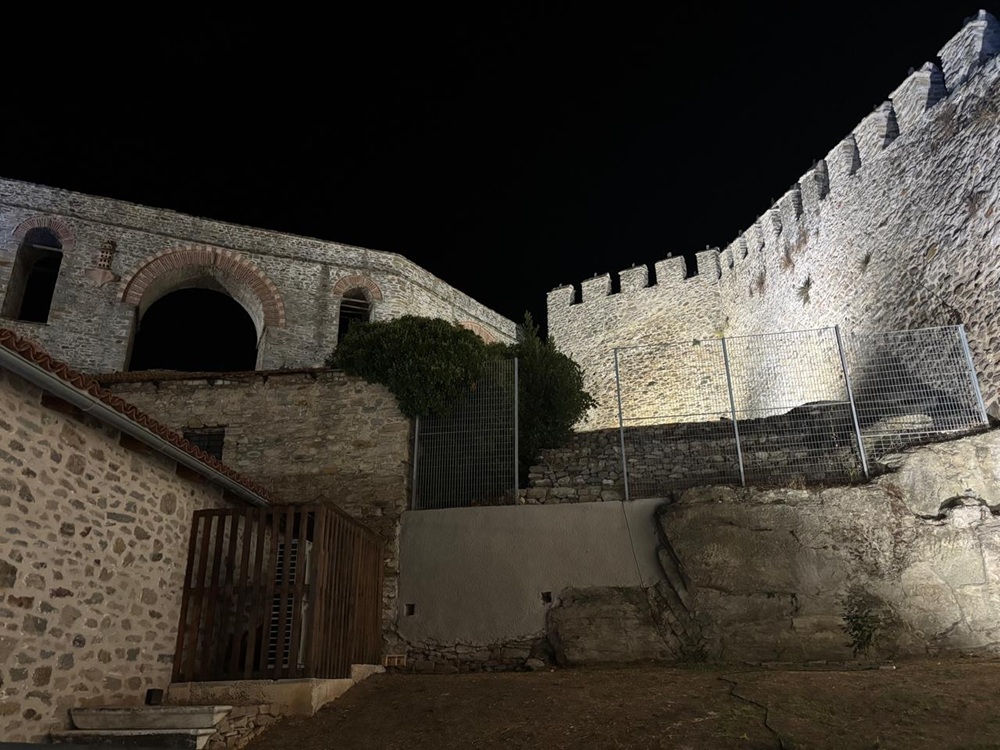
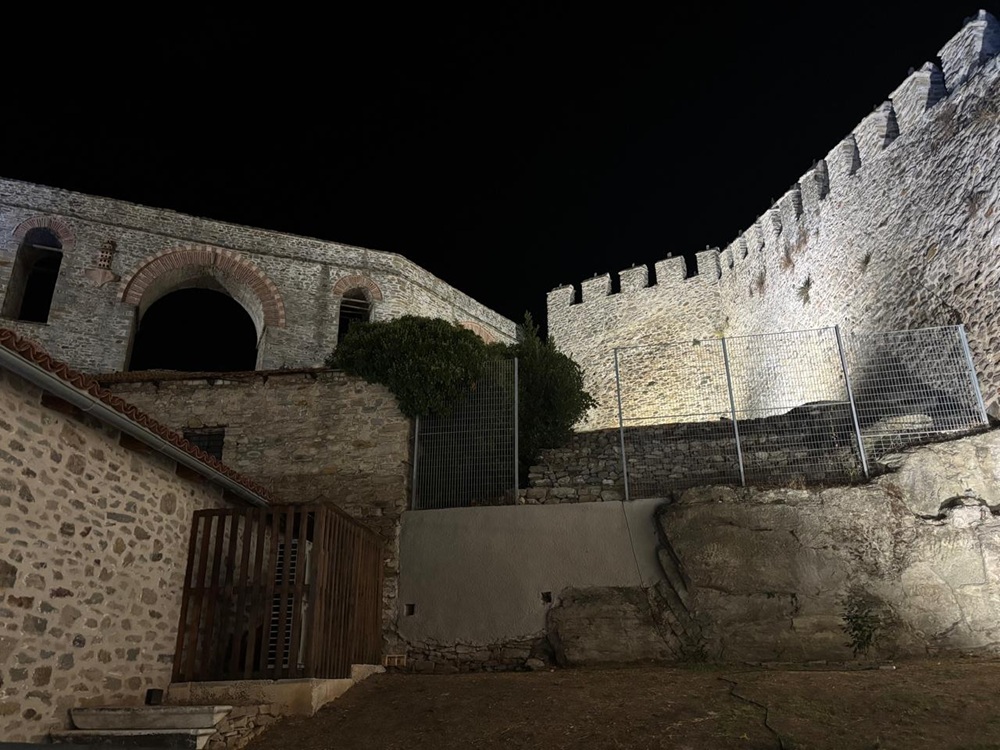
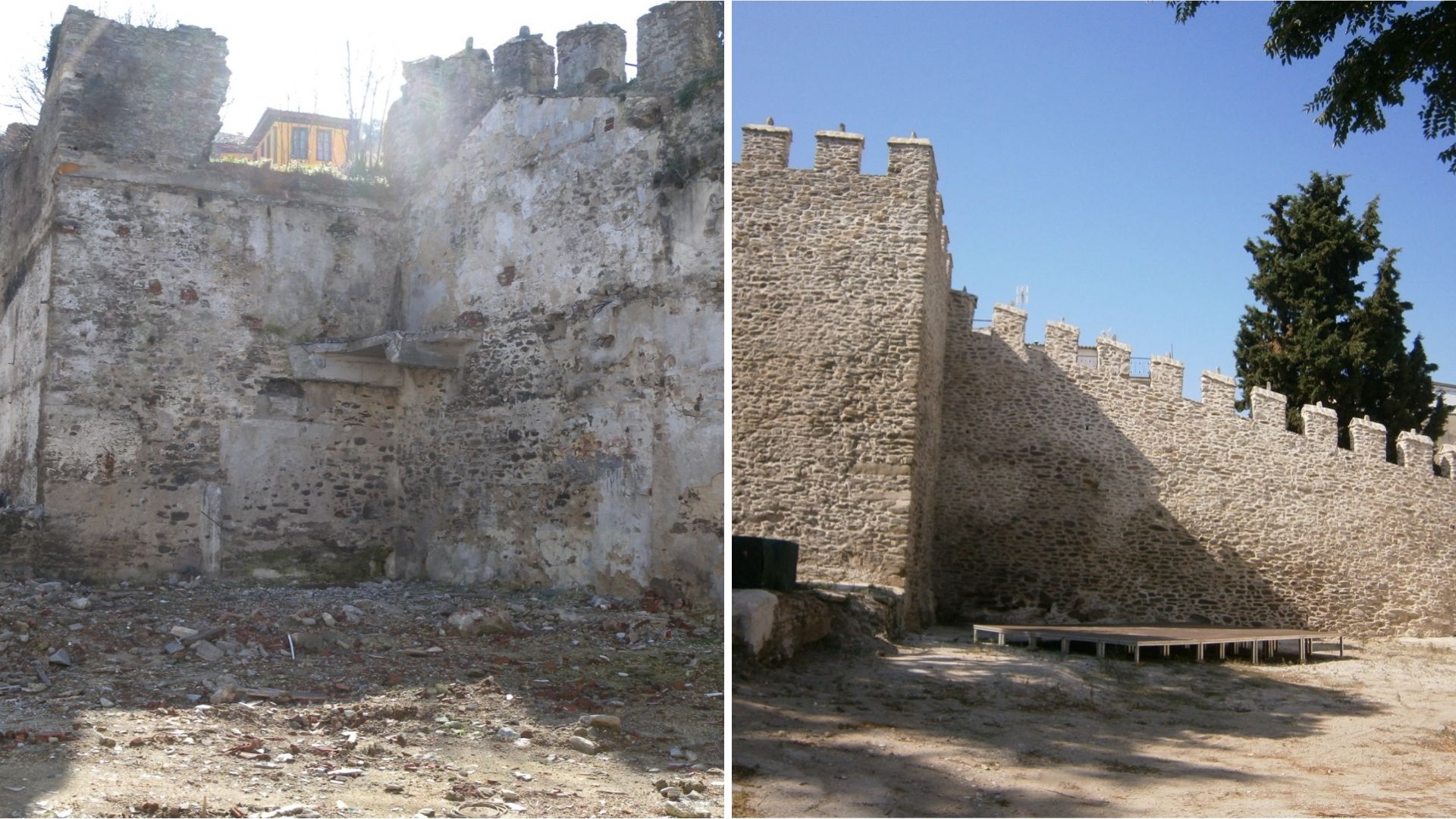
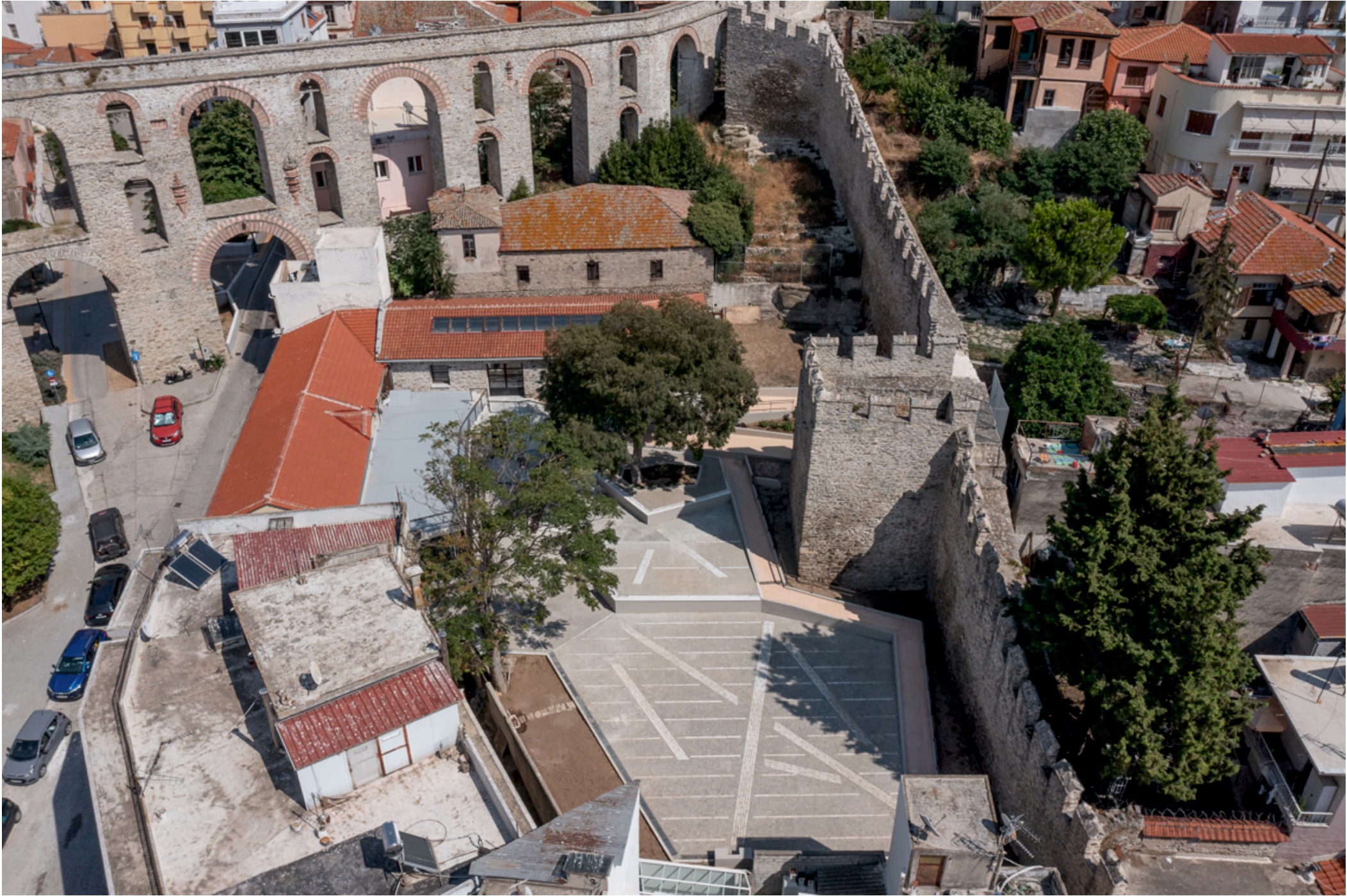
The project to restore the fortifications of Kavala’s Lower Town, which includes the northeastern Gate 12, the triangular tower, and a section of the parapet, with a total budget of 691,795 euros, was carried out in two phases through the NSRF programs for 2007–2013 and 2014–2020. The project highlighted a particularly significant section of the city’s historic fortification wall, involving maintenance and stabilization of the stonework, restoration of damaged sections, and reinforcement of its structural integrity. Of particular significance was the discovery, during the first phase of the work, of a gate previously unknown in the scientific literature, which was identified as “Gate 12.” In the second phase, its arch was restored based on the original remains, with respect for the monument’s historical and morphological characteristics. At the same time, the surrounding area was transformed into a safe and accessible outdoor space for cultural events, organically integrated into the modern urban fabric and the historic axis of Kavala’s monuments and landmarks.
Collection of the Center for Cappadocian Studies
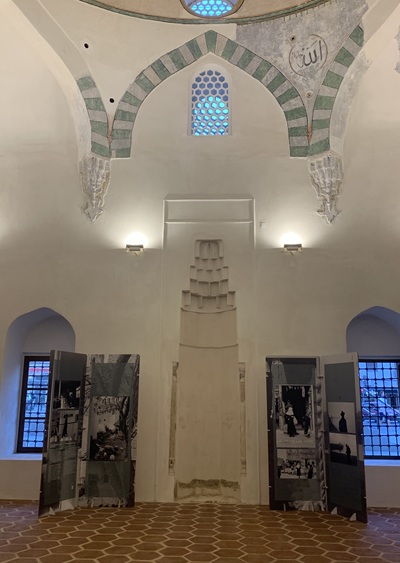
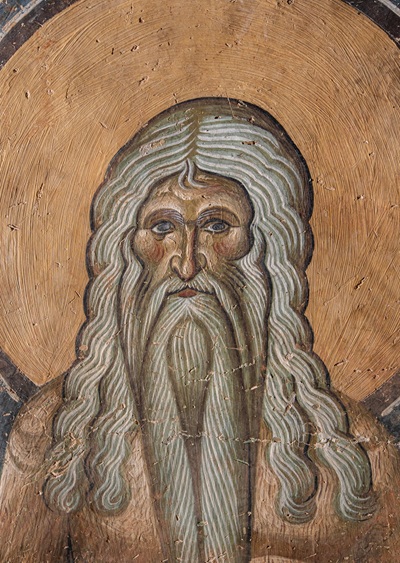
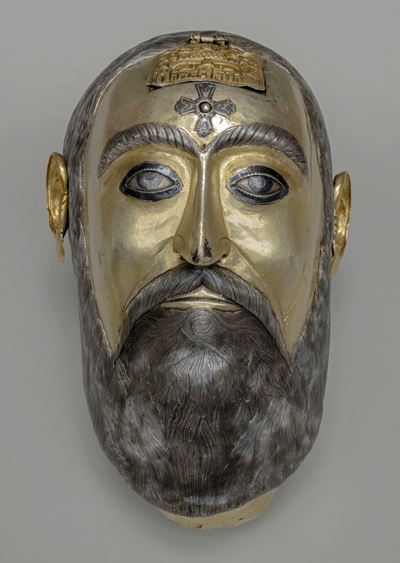
As part of the Memorandum of Cooperation signed in 2024 between the Ministry of Culture and the Center for Cappadocian Studies “Nazianzos,” a comprehensive program is underway to catalog, document, and digitally showcase the Center’s collections. More than 2,000 objects have already been cataloged in the National Archive of Monuments, while the documentation of approximately 700 textile objects and a significant archive containing 5,000 documents, 700 photographs, 150 engravings, and 600 audio recordings. The collection, which includes rare ecclesiastical and monastic relics, historical artifacts, and objects of daily life, constitutes a unique repository of the memory of Cappadocian Hellenism, with artifacts dating back to the Middle Byzantine period. Its digitization ensures its preservation, scholarly documentation, and accessibility to future generations through the Ministry of Culture’s digital applications.
The ceremonies marking the handover of projects by the Minister of Culture to the Regional Unit of Kavala were attended by the Metropolitan of Philippi, Neapolis, and Thasos, His Eminence Stefanos, the Regional Governor of Eastern Macedonia and Thrace, Christodoulos Topsidis, the Secretary General for Culture, Olympia Vikatou; the Mayor of Kavala, Theodoros Mouriadis; the Members of Parliament for Kavala, Nikos Panagiotopoulos and Ioannis Paschalidis; Efi Chorafa, Head of the Projects Department of the Directorate for the Restoration of Byzantine and Post-Byzantine Monuments; Maria Xeni Garezu, Deputy Head of the Directorate for the Management of the National Archive of Monuments; Stavroula Dadaki, Head of the Ephorate of Antiquities; Spyros Antonopoulos, Head of the Department of Museum and Cultural Building Projects; as well as a team of senior officials.


Leave A Comment