
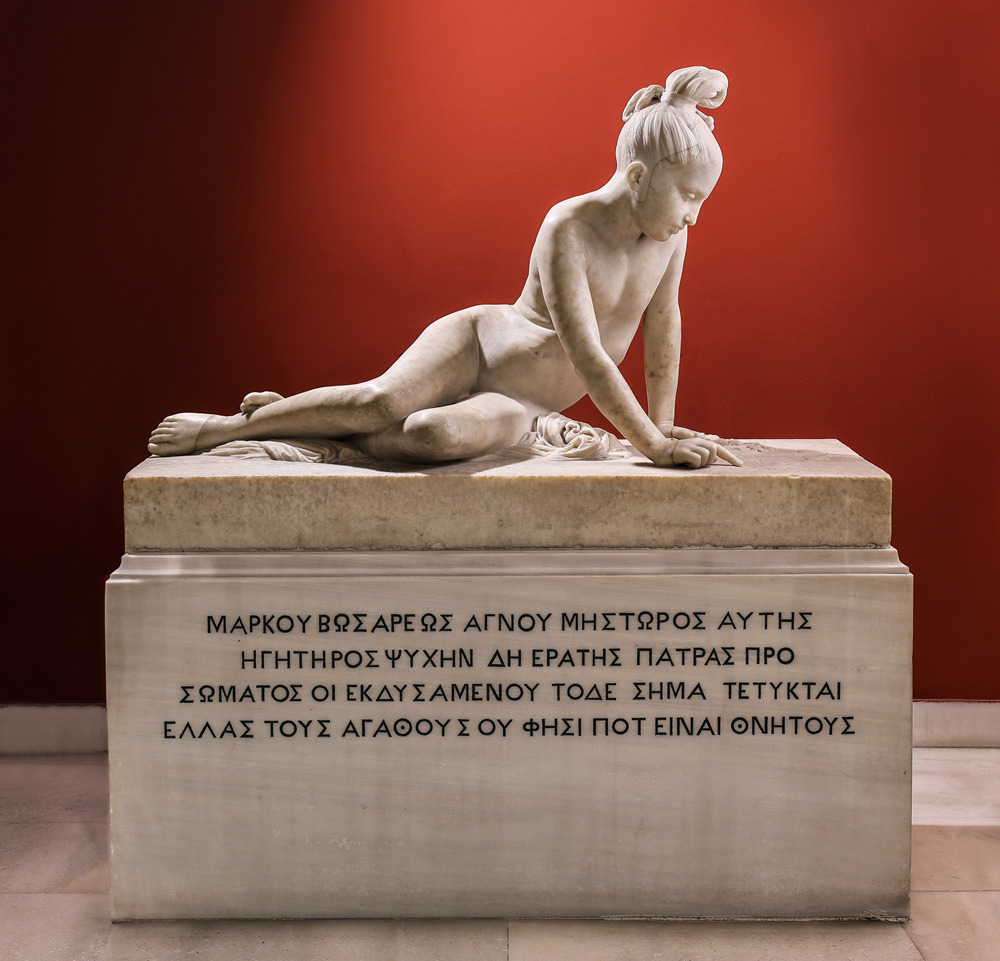
The Ministry of Culture and the National Historical Museum are co-organizing the exhibition “Echoes of the Exodus: The ‘Daughter of Greece’ and Relics of Konstantinos Xenokratis.” From the National Historical Museum to the Xenokrateio, the exhibition will be hosted at the Xenokrateio Archaeological Museum in the second half of 2026, as part of the 200th anniversary of the Exodus from Messolonghi. The exhibition aims to shed light on the multiple facets of the historical memory of the Exodus, while highlighting the philhellenism, national benefaction, and the power of symbols that contributed to the formation of modern Greek identity.
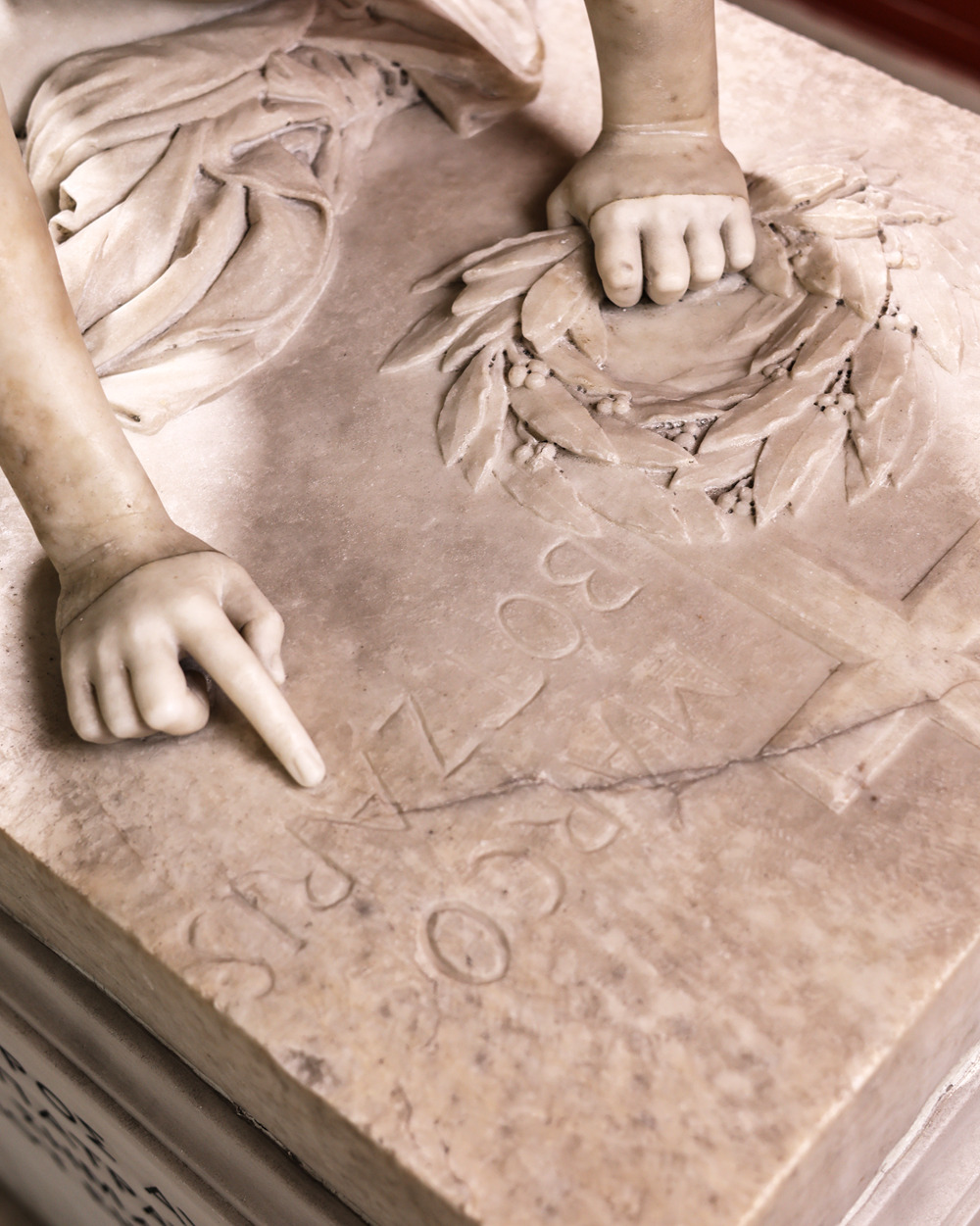
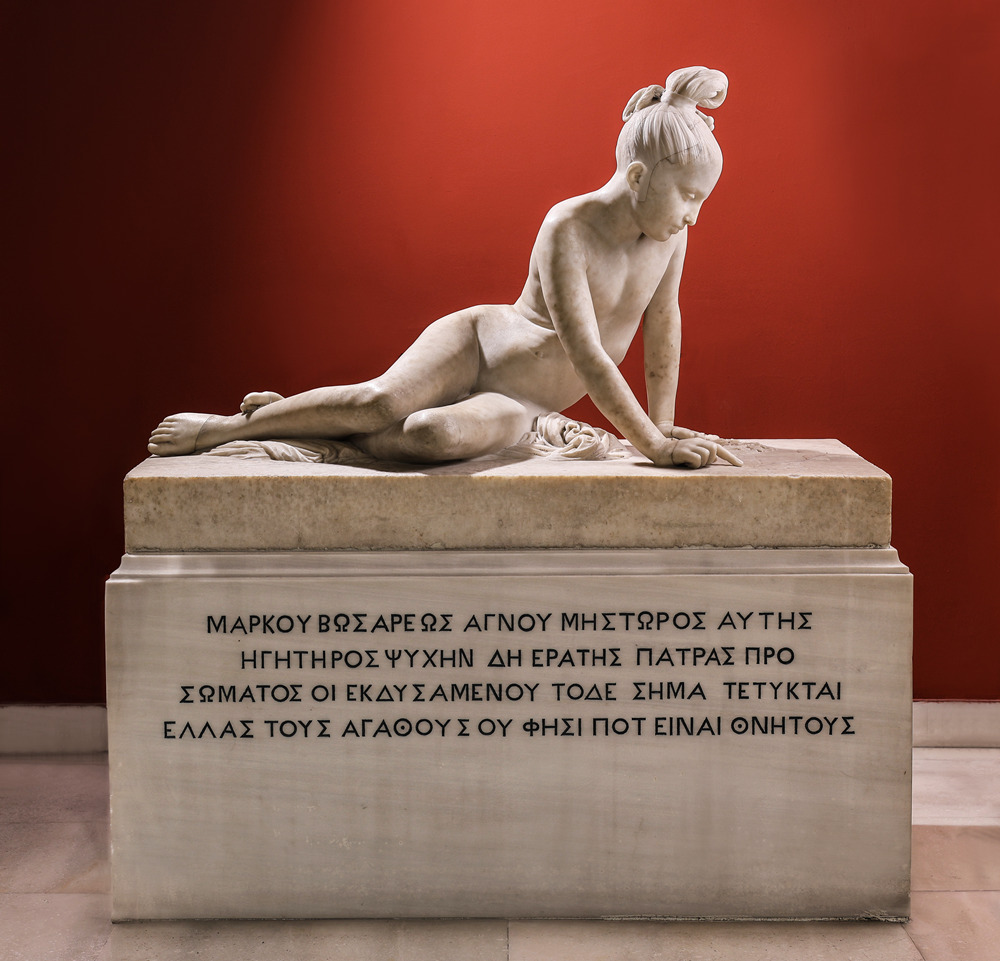
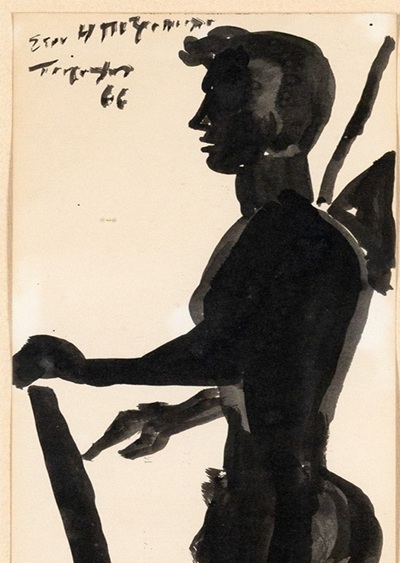
The original marble sculpture by the renowned French philhellene sculptor David d’Angers, the famous “Daughter of Greece” or “Greek Girl,” occupies a central position. This iconic work, created to adorn the tomb of Markos Botsaris in the Garden of Heroes and now part of the collections of the National Historical Museum, is returning to Missolonghi for the first time since 1852, following its violent vandalism and transfer to France for restoration. Its temporary return, as part of the bicentennial anniversary of the Exodus from Messolonghi, to the place with which its creation and symbolism are inextricably linked, holds special historical significance, underscoring the enduring influence of the Exodus and the philhellenic movement.
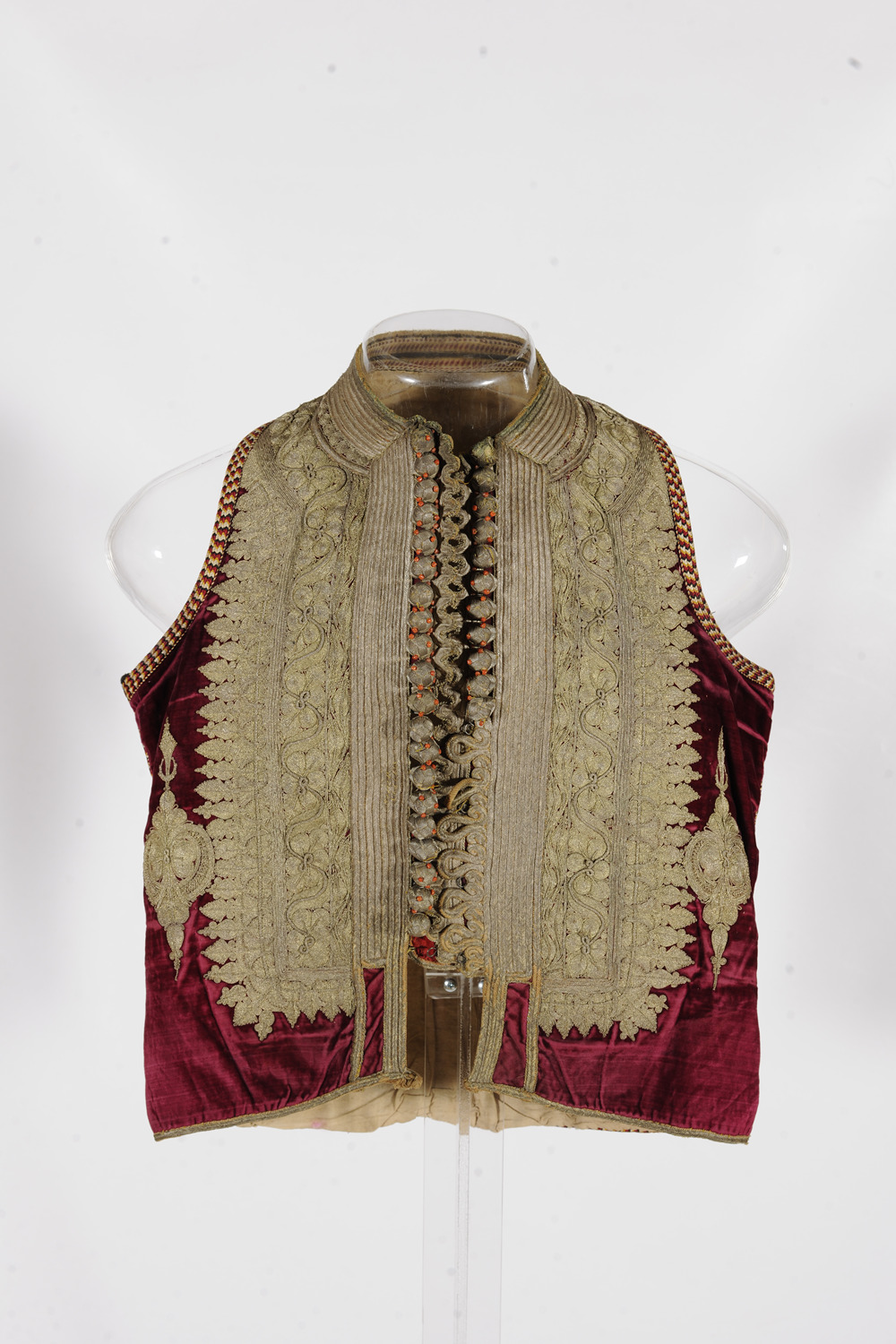
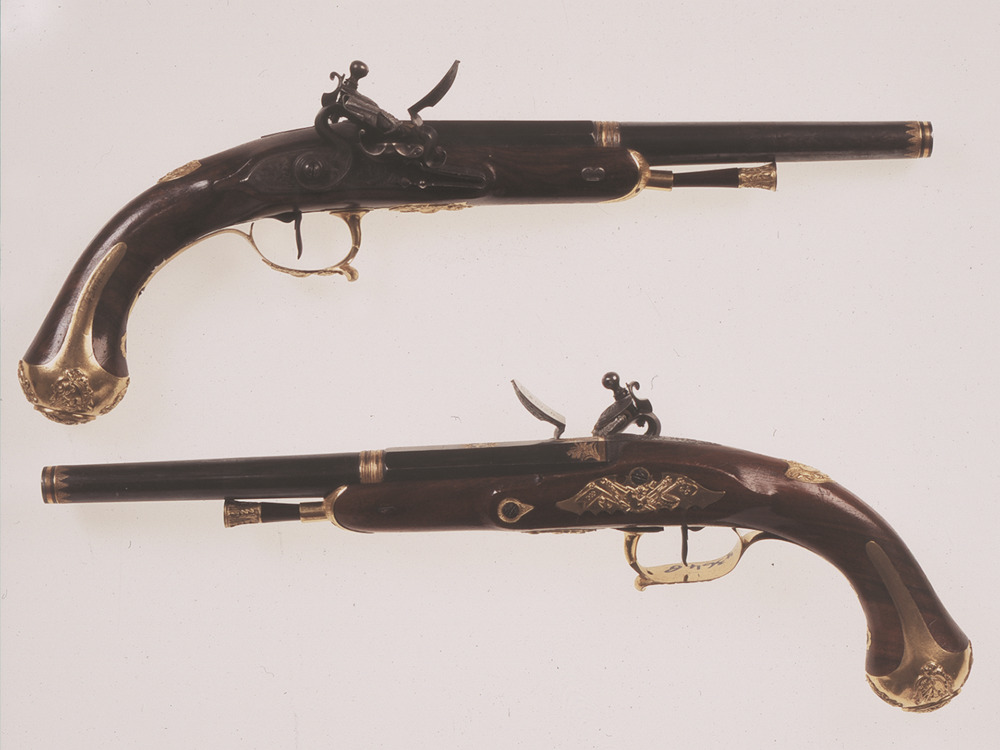
The exhibition also focuses on Konstantinos Xenokratis, a fighter in the Greek Revolution and a great national benefactor. Through the display of his uniform—the only surviving uniform of the Sacred Battalion of 1821— as well as other personal items of his—precious relics of the National Historical Museum—this historical figure, forever linked to Messolonghi, is brought to light. These rare artifacts are on display for the first time at the Xenokrateio, the imposing building erected between 1885 and 1889, thanks to the generous bequest of K. Xenokratis. As one of Missolonghi’s oldest educational institutions, it played a significant role in shaping the city’s intellectual and social life, and today it serves as the central archaeological museum of Aetolia-Acarnania. Through this exhibition, artifacts reflecting the life and work of this benefactor are on display until the end of the year at the very place where Mr. Xenokratis left his lasting legacy.
The exhibition will be open to the public during the museum’s hours of operation, daily except Tuesdays, from 8:30 a.m. to 3:30 p.m.




Leave A Comment