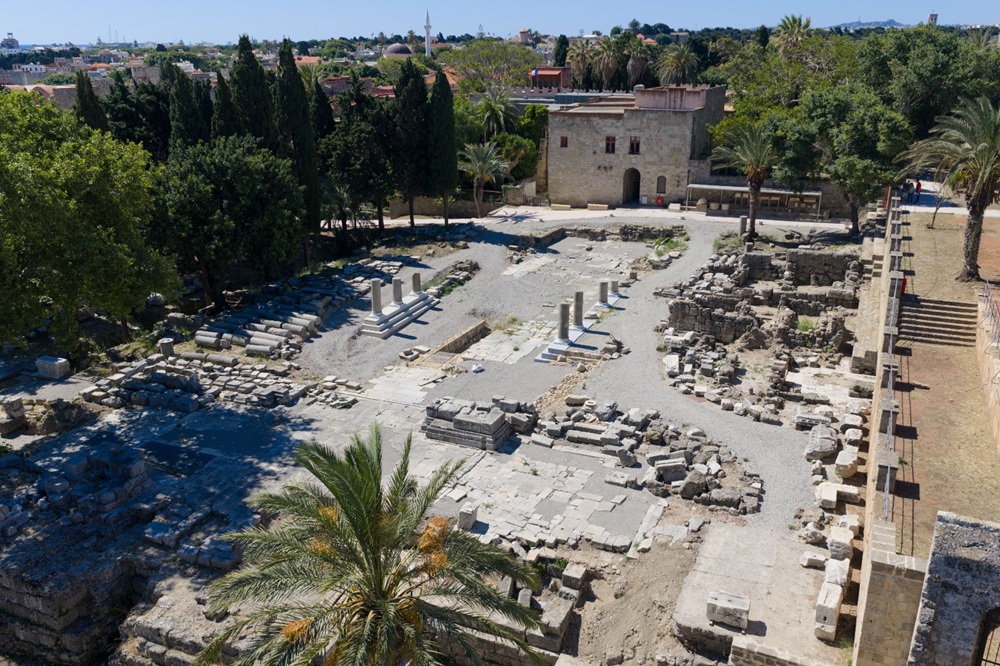
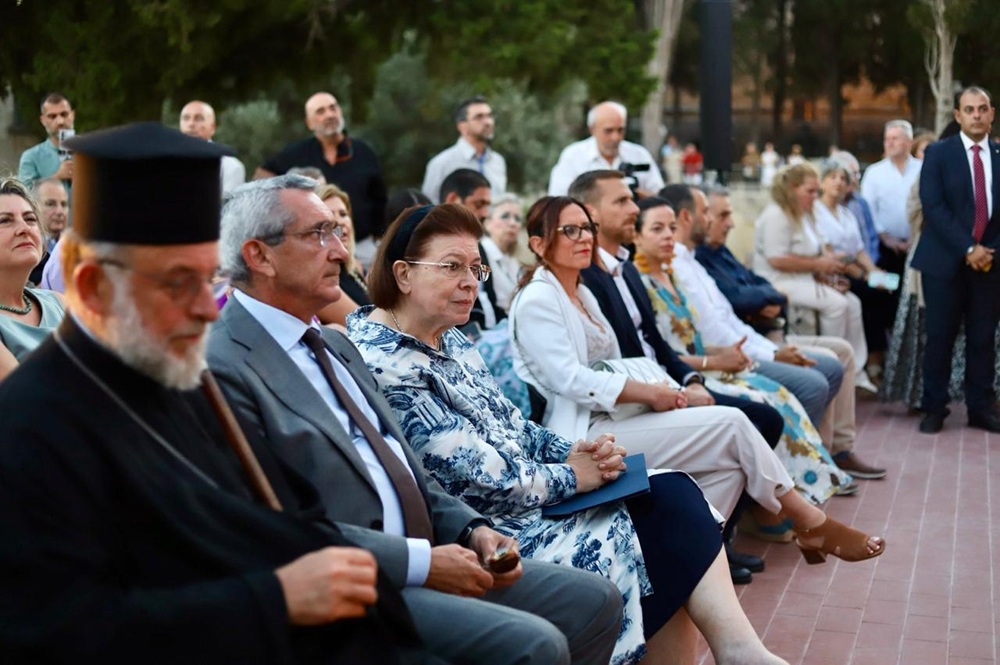
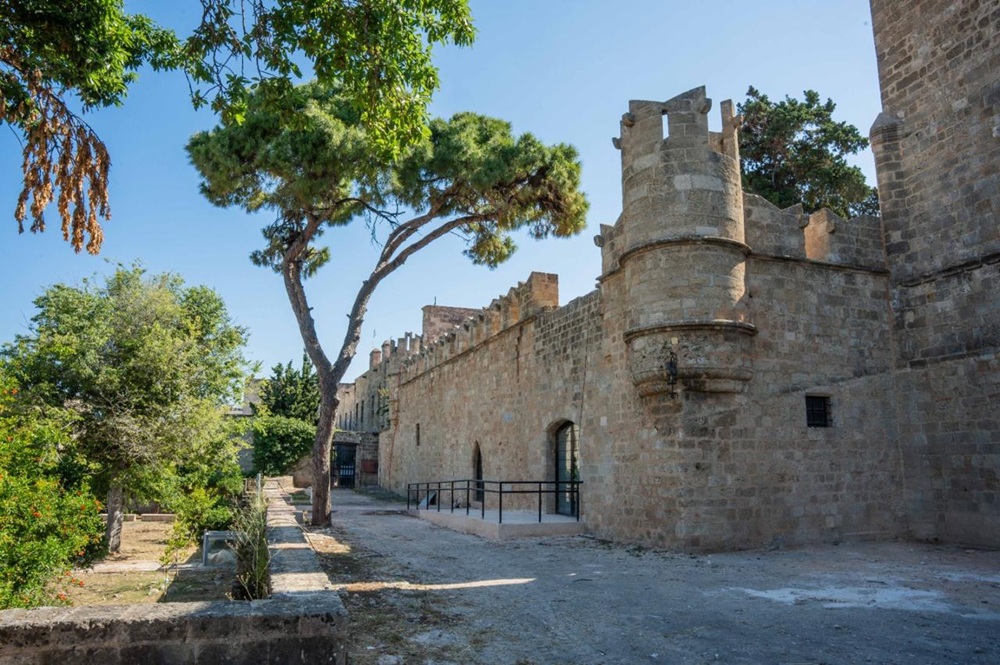
The Minister of Culture, Lina Mendoni, presided over, in Rhodes, the opening of the archaeological site of the Hellenistic Neoria, the Medieval Gardens of the Palace of the Grand Master, as well as the new open-air sculpture gallery, which is organically integrated into the “Pervola,” an area of approximately twenty acres in the heart of the Medieval City, directly adjacent to the Palace. The groundwork for this monumental technical and scientific project was laid during Lina Mendoni’s on-site inspection on November 5, 2021, when an archaeological site, forgotten for 75 years, was revealed behind a closed door.
The first visitor to Pervola was Prime Minister Kyriakos Mitsotakis, who was given a tour by the Minister of Culture of the iconic archaeological site, which reflects the long historical continuity of Rhodes and its pivotal importance as a gateway for maritime trade in the Eastern Mediterranean. At the same time, it showcases its unique cultural heritage in the most scholarly manner, serving as a key hub for the island’s development and prosperity.
Pervola had remained, for at least 75 years, an overlooked site—unheralded and inaccessible for decades—serving as a storage facility for thousands of artifacts from excavations conducted by the Rhodes Antiquities Authority on the island, as well as a carpentry shop, machine shop, maintenance workshop, and even a garage for active and damaged vehicles and heavy machinery. The enhancement of this monumental complex and its functional connection to the gardens of the Palace of the Grand Master, which extend across different terraces, creating an open-air, timeless museum, was a visionary goal for the Ministry of Culture.
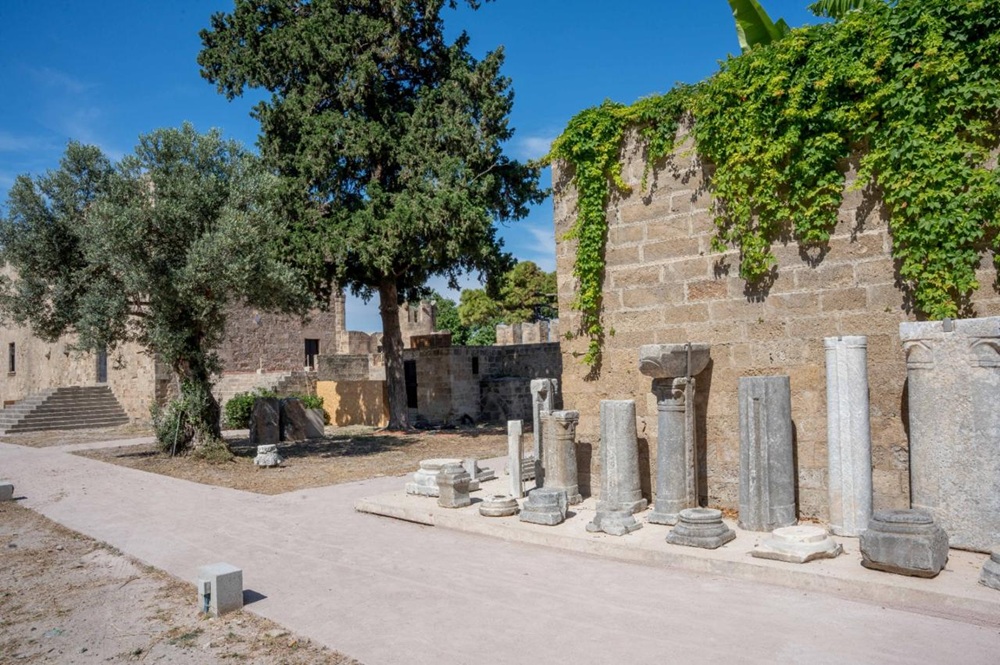
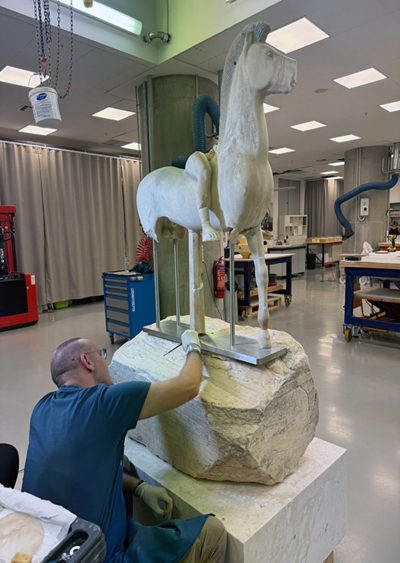
To ensure the comprehensive protection of Pervola, more than 4,000 stone artifacts were identified, over 8,500 architectural and sculptural elements were documented, and nearly 18,000 objects were relocated. At the same time, 5,000 square meters were cleared for the development of a multi-thematic outdoor exhibition and sculpture garden, featuring 700 exhibits, while the historic Governor’s Gardens were also restored. Following the completion of the work, the twenty-acre site has been transformed into an open, accessible, timeless museum, harmoniously connecting the city’s Hellenistic, Roman, Medieval, and Ottoman history.
The Ministry of Culture, firmly committed to the strategic principle of universal accessibility and inclusive culture, has created accessible pathways for wheelchairs at the Pervola archaeological site, wheelchair-accessible pathways, installing lifts to ensure free access for people with disabilities to all terraces. For visually impaired individuals, a tactile model was created to help them form a comprehensive understanding of the site. New interpretive materials were also developed for the site, which was equipped with modern infrastructure.
“By returning to the people of Rhodes and to the thousands of visitors to the island this new archaeological site, which also serves as a recreational and walking area, we reaffirm our commitment to a living, accessible culture open to society,” said Lina Mendoni. “The development of Pervolá proves that investment in cultural heritage is not merely about identity markers. It is a strategic advantage for pride as well as competitiveness. A model of development that does not exhaust a place’s resources but protects and showcases them. The monumental wealth is integrated into citizens’ everyday life, strengthening collective self‑confidence and the chain of our national power. We invest in Culture because we invest in people. We invest in History because we invest in the future. We invest in monuments as living cells of development, education, outreach and creativity.”
Following the completion of the work, the twenty-acre site has been transformed into an open, accessible, timeless museum. The restoration of these iconic spaces marks a new era for Rhodes, strengthening its position on the global cultural map. Concluding her speech before the large audience, Lina Mendoni emphasized: “Culture plays a pivotal role in collective self-awareness, sustainable development, and social cohesion. With this strategic vision, over the past seven years we have implemented the largest and most targeted investment policy in culture that the country has ever seen. Investments that cover archaeological sites and monuments, museums and all kinds of cultural infrastructure, contemporary creation, and the cultural and creative industries. These investments create jobs, strengthen local entrepreneurship, and enhance the urban and natural environment, shaping new development prospects for local communities. The results of this policy are now becoming visible.”
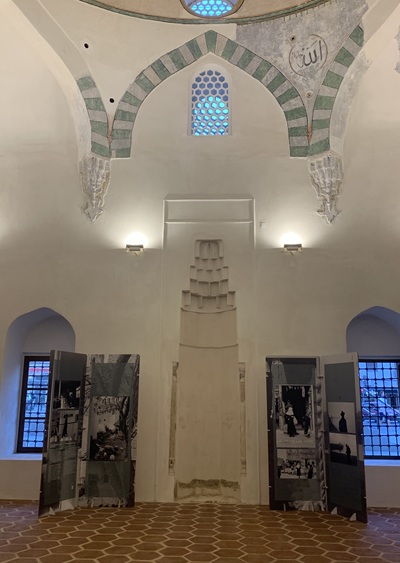
Lina Mendoni also gave the Prime Minister a tour of the restored historic cemetery of Murat Reis. The restoration and preservation of the Ottoman monuments, carried out by the Dodecanese Ephorate of Antiquities, was a complex project involving the structural reinforcement of the mosque and the tekke’s residential quarters, conservation work on the eight funerary mausoleums, which had suffered severe damage, and the display of the funerary stelae. Visitor facilities were created, and new lighting and security systems were installed. The project, with a budget of 700,000 euros, was opened to the public on June 12.


Leave A Comment