
Δήμος Μήλου
Adress: Plaka, Milos, 84800
Tel.: +30 22873 60105
Εmail:[email protected]
milos.gr
Mayor of Milos

Mayor
Manolis Mikelis
He studied Electrical Engineering in TEI of Piraeus. For the last 27 years he worked in PPC.
Milos is one of the most popular tourist destinations in Greece. The infrastructure, the high-level accommodation, combined with the sights, the natural beauty and the wonderful beaches, have contributed to a steady rise in tourist inflow.
However, tourism is hardly the only “industry” on the island. The island’s volcanic subsoil is rich in minerals and there are dozens of active mines scattered throughout the island.
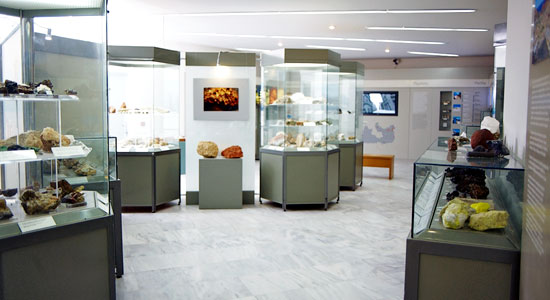
Since the Paleolithic Age, Milos has been well-known for obsidian, a glass-like volcanic rock formed when lava extruded from a volcano cools rapidly. It is so highly sought after that traces of it have been discovered in excavations throughout the Eastern Mediterranean. The islanders were skilled not only in the extraction of obsidian but also in its processing. They constructed weapons, delicate works of art and even tools suitable for surgery. The mining history of the island is presented at the Mining Museum in Adamas.
Nevertheless, Milos is universally known not for its minerals, but for one of the most recognizable and famous statues in the world. The “Aphrodite of Milos” (commonly referred to as “Venus de Milo”) was discovered by a farmer in 1820, just a few months before the proclamation of the Revolution. The news of the discovery spread quickly and many wished to obtain the statue. Eventually, it ended up on a French ship and was transported to Paris as a gift from the French ambassador in Constantinople to King Louis XVIII. It is displayed at the Louvre Museum and it is one of its most beloved and valuable exhibits.
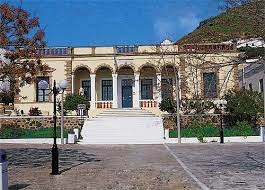
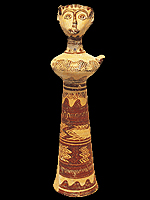
The rich history of Milos is also highlighted in the Archaeological Museum located in Plaka. The Museum is housed in a building from 1870, designed by architect E. Ziller. The prehistoric figurine of the Lady of Phylakopi and the copy of Aphrodite of Milos stand out among the exhibits.
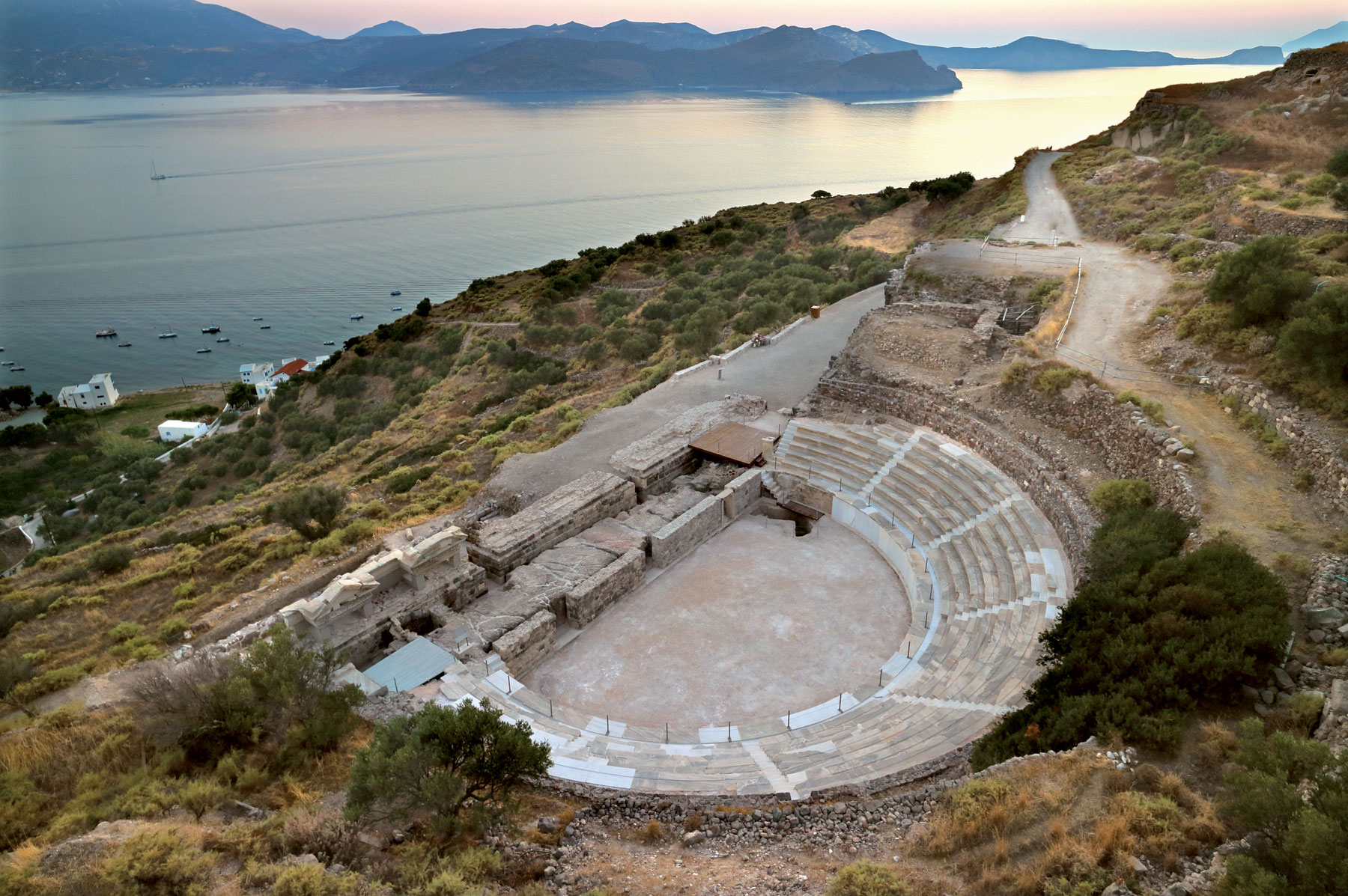
The Ancient Theater of Milos is located between the settlements of Tripiti and Klima. After restoration and promotion works that were completed in previous years, the Theater is once again hosting cultural events.
The catacombs are among the most visited attractions in Milos. They are communal cemeteries, originally used as places of worship in the early Christian centuries. More than 140 churches and chapels are scattered throughout the island as well, in beautiful locations. The Ecclesiastical Museum of Milos, with its rich collection, is housed in the Byzantine church of Holy Trinity in Adamas, which dates back to the 9th century.
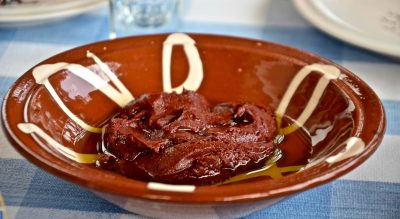
The climate of the Cyclades favors the production of famous agricultural and livestock products. Cheese, caper, tomato paste, honey, herbs and vegetables, have been produced in Milos for centuries, constituting the island’s culinary treasure.
Milos is one of the most popular tourist destinations in Greece. The infrastructure, the high-level accommodation, combined with the sights, the natural beauty and the wonderful beaches, have contributed to a steady rise in tourist inflow.
However, tourism is hardly the only “industry” on the island. The island’s volcanic subsoil is rich in minerals and there are dozens of active mines scattered throughout the island.
Since the Paleolithic Age, Milos has been well-known for obsidian, a glass-like volcanic rock formed when lava extruded from a volcano cools rapidly. It is so highly sought after that traces of it have been discovered in excavations throughout the Eastern Mediterranean. The islanders were skilled not only in the extraction of obsidian but also in its processing. They constructed weapons, delicate works of art and even tools suitable for surgery. The mining history of the island is presented at the Mining Museum in Adamas.
Nevertheless, Milos is universally known not for its minerals, but for one of the most recognizable and famous statues in the world. The “Aphrodite of Milos” (commonly referred to as “Venus de Milo”) was discovered by a farmer in 1820, just a few months before the proclamation of the Revolution. The news of the discovery spread quickly and many wished to obtain the statue. Eventually, it ended up on a French ship and was transported to Paris as a gift from the French ambassador in Constantinople to King Louis XVIII. It is displayed at the Louvre Museum and it is one of its most beloved and valuable exhibits.
The rich history of Milos is also highlighted in the Archaeological Museum located in Plaka. The Museum is housed in a building from 1870, designed by architect E. Ziller. The prehistoric figurine of the Lady of Phylakopi and the copy of Aphrodite of Milos stand out among the exhibits.
The Ancient Theater of Milos is located between the settlements of Tripiti and Klima. After restoration and promotion works that were completed in previous years, the Theater is once again hosting cultural events.
The catacombs are among the most visited attractions in Milos. They are communal cemeteries, originally used as places of worship in the early Christian centuries. More than 140 churches and chapels are scattered throughout the island as well, in beautiful locations. The Ecclesiastical Museum of Milos, with its rich collection, is housed in the Byzantine church of Holy Trinity in Adamas, which dates back to the 9th century.
The climate of the Cyclades favors the production of famous agricultural and livestock products. Cheese, caper, tomato paste, honey, herbs and vegetables, have been produced in Milos for centuries, constituting the island’s culinary treasure.
Μήλος
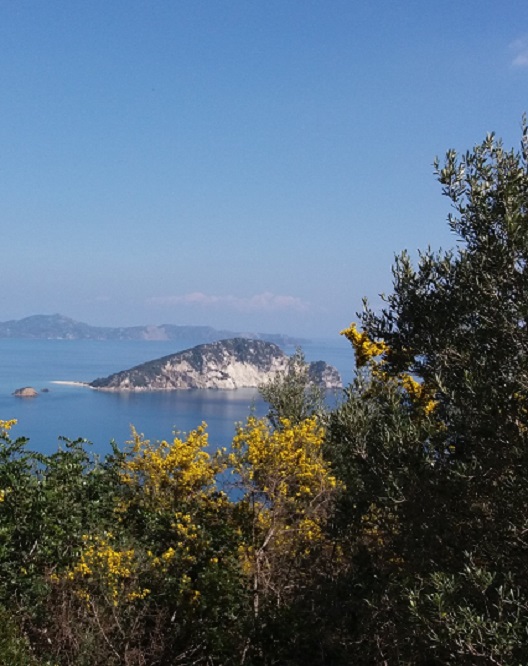
Spring hiking Crossing The Mountain Marathia on Sunday, March 5th from the Natural History Museum Helmis
Next Sunday, March 5th, the hiking ...More
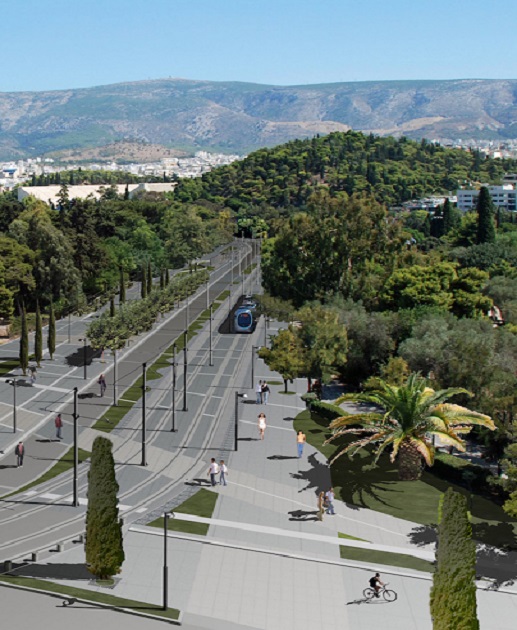
Municipality of Athens: Work begins on the redevelopment of Vasilissis Olgas Avenue
Ready in 12 months one of the most ...More

15th Acceleration Cycle OK!Thess – Submission of applications for startups
OK!Thess continues dynamically its actions to ...More
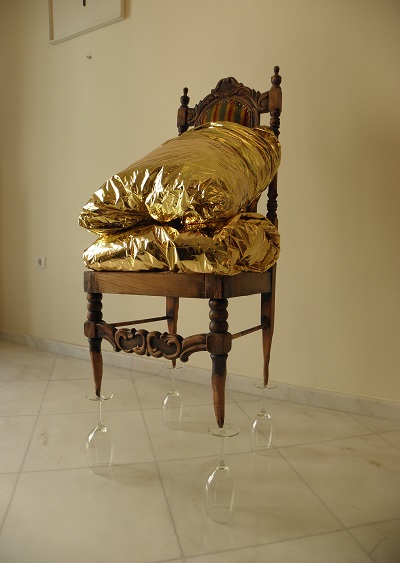
Group exhibition entitled “The unusual, usual” at the “Oratos” art space until March 14
The art space "Oratos" where experimentation, ...More

Εκδηλώσεις
Spring hiking Crossing The Mountain Marathia on Sunday, March 5th from the Natural History Museum Helmis
Next Sunday, March 5th, the hiking ...More
Municipality of Athens: Work begins on the redevelopment of Vasilissis Olgas Avenue
Ready in 12 months one of the most ...More
15th Acceleration Cycle OK!Thess – Submission of applications for startups
OK!Thess continues dynamically its actions to ...More
Group exhibition entitled “The unusual, usual” at the “Oratos” art space until March 14
The art space "Oratos" where experimentation, ...More
Φεστιβάλ
Spring hiking Crossing The Mountain Marathia on Sunday, March 5th from the Natural History Museum Helmis
Next Sunday, March 5th, the hiking ...More
Municipality of Athens: Work begins on the redevelopment of Vasilissis Olgas Avenue
Ready in 12 months one of the most ...More
15th Acceleration Cycle OK!Thess – Submission of applications for startups
OK!Thess continues dynamically its actions to ...More
Group exhibition entitled “The unusual, usual” at the “Oratos” art space until March 14
The art space "Oratos" where experimentation, ...More




Leave A Comment