Ancient “Lemnian earth,” a medicinal soil with a history of use dating back more than 2,500 years, will be the focus of a lecture by Dr. Effie Photos-Jones at the British School of Athens on Wednesday, November 18, at 6:00 p.m. The talk will examine whether this long-standing tradition can provide a reliable foundation for contemporary biomedical research.
Lemnian earth and the sealed preparation made from it, known as “Lemnian seal” or terra sigillata, were used as an antidote for poisoning and as a remedy for hemoptysis and hemorrhages. During the Ottoman period, it also gained a reputation as a treatment for the plague.
The research conducted by Dr. Photos-Jones’s team—which has been ongoing for over 20 years in Britain and Greece—focuses on an intriguing hypothesis: the ritual “blessing” of the soil, as described by Galen in the 2nd century AD, may have introduced a vital ingredient into the clay—wheat or barley contaminated with fungi.
From Antiquity to the Laboratory
Based on this hypothesis, the researchers co-cultured Lemnian clay types with the fungus Penicillium purpurogenum and tested the resulting products against common pathogenic microorganisms, with varying results.
In experiments with healthy mice, successful co-cultures appear to have increased gut microbial diversity and the production of short-chain fatty acids—substances linked to immune system enhancement and reduced inflammation. The research is still ongoing, but, as the speaker points out, Lemnian soil may not simply be a “mythical cure,” but rather a substance of interest to modern biomedicine.
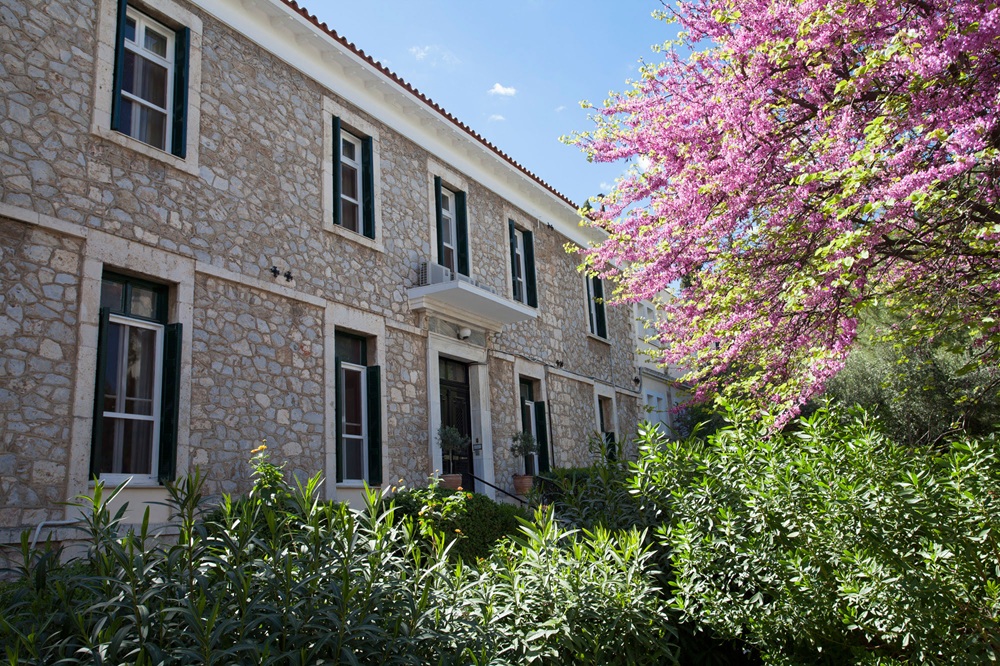
The event is a hybrid event and will be held at the Upper House of the British School of Athens, at 52 Suedias Street, with the option to attend both in person and online via pre-registration.


Leave A Comment