After 20 years, the “Old Acropolis Museum” is once again opening its doors to a new chapter in its history. It was the first museum of the modern Greek state, designed by architect Panagiotis Kalkos, and was created specifically to house the artifacts uncovered during excavations at the Acropolis.
The “Old Acropolis Museum,” as it is more widely known, remained open until 2007, when its exhibits were transferred to the new Acropolis Museum. Although the initial plan called for converting it into office and storage space, it was ultimately decided to preserve its original function. The restoration and renovation work was a long and complex process, transforming a 19th-century building, with the unique distinction of being adjacent to the Parthenon and the other structures on the Acropolis Rock, could be transformed into a modern museum.
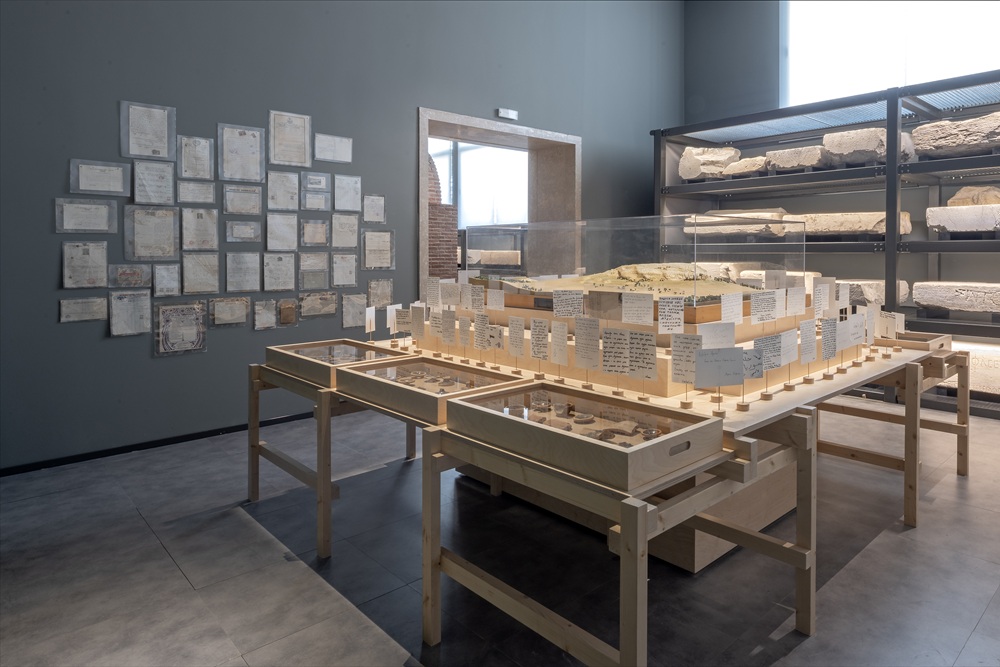
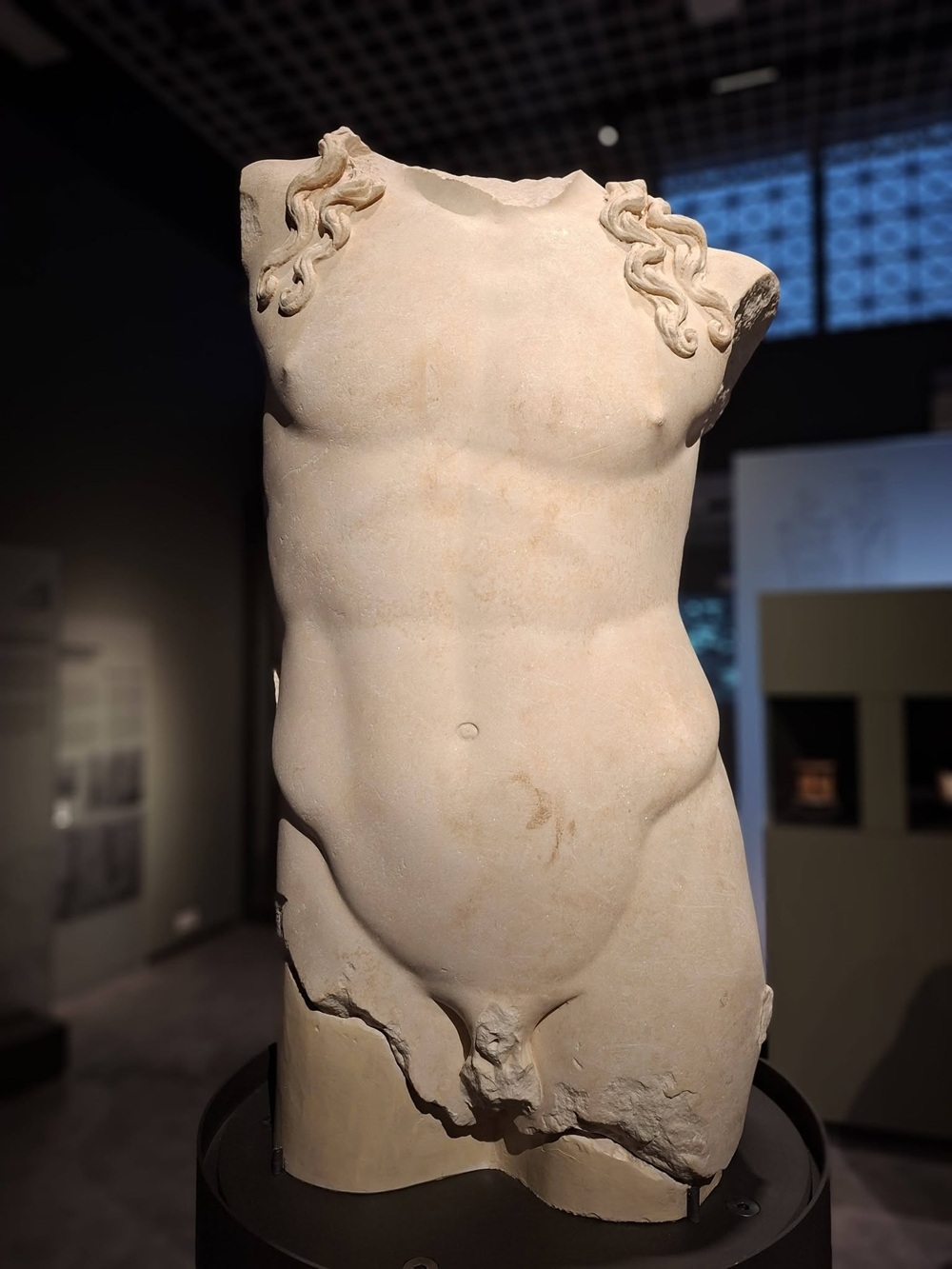
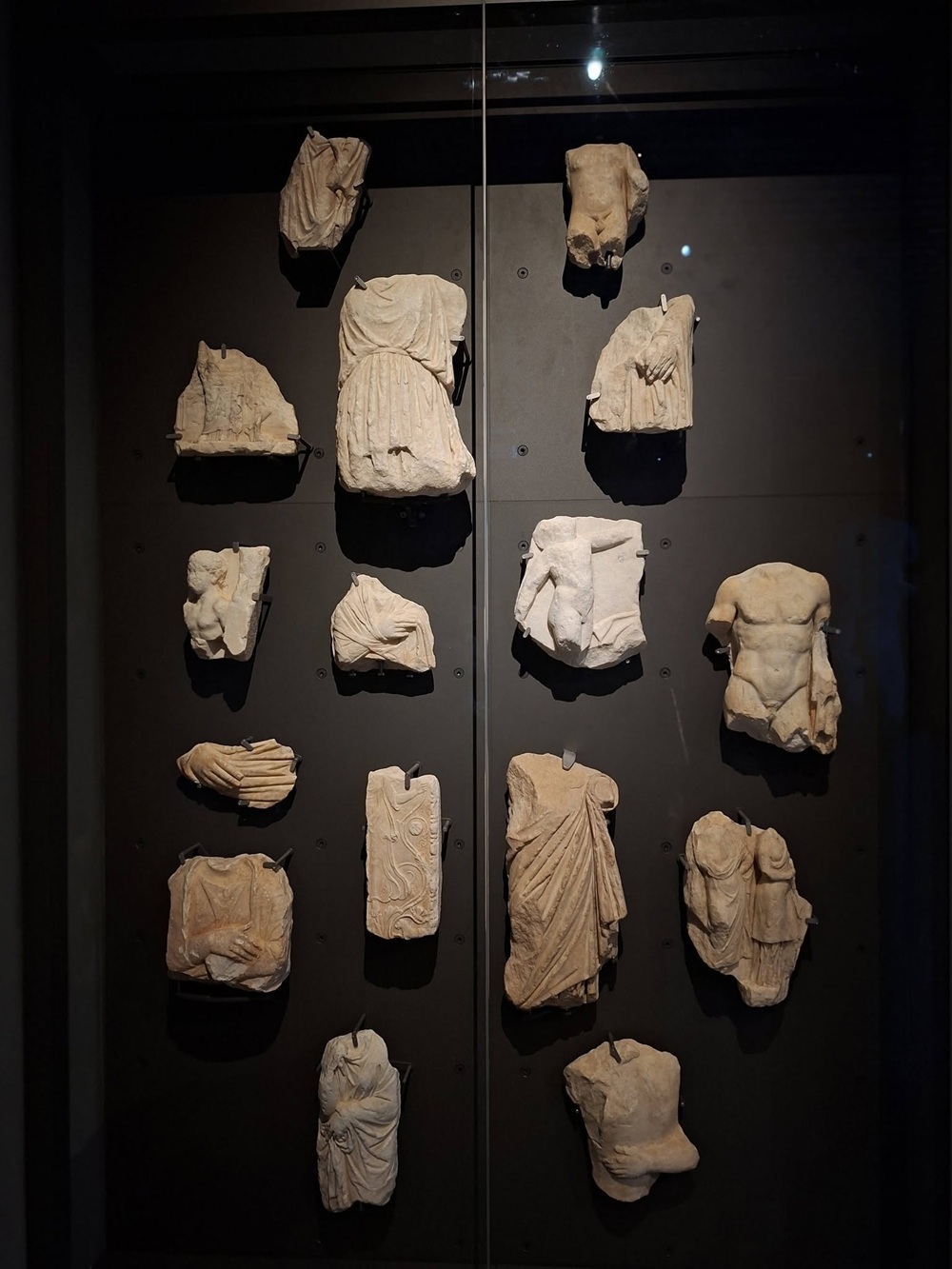
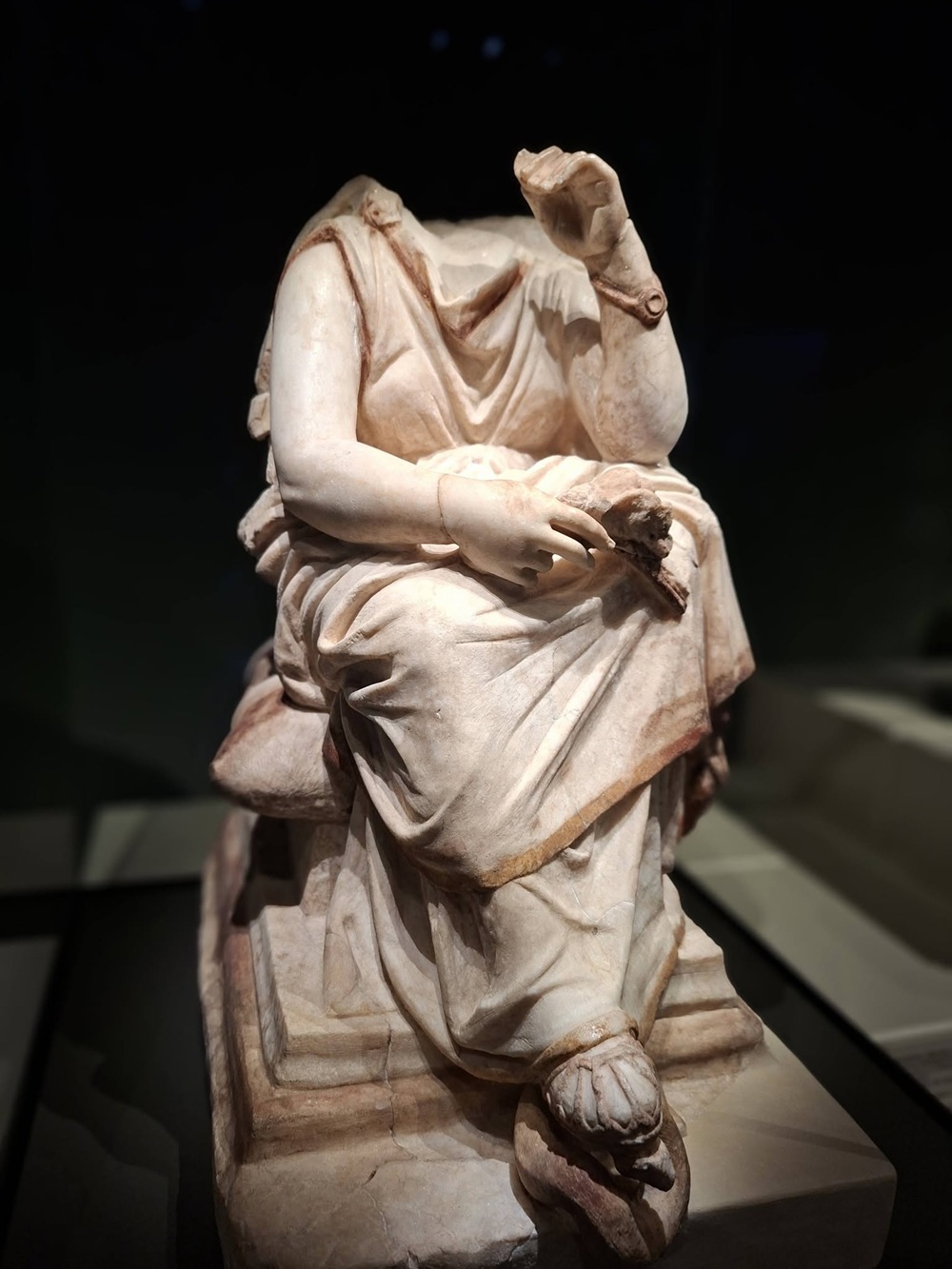
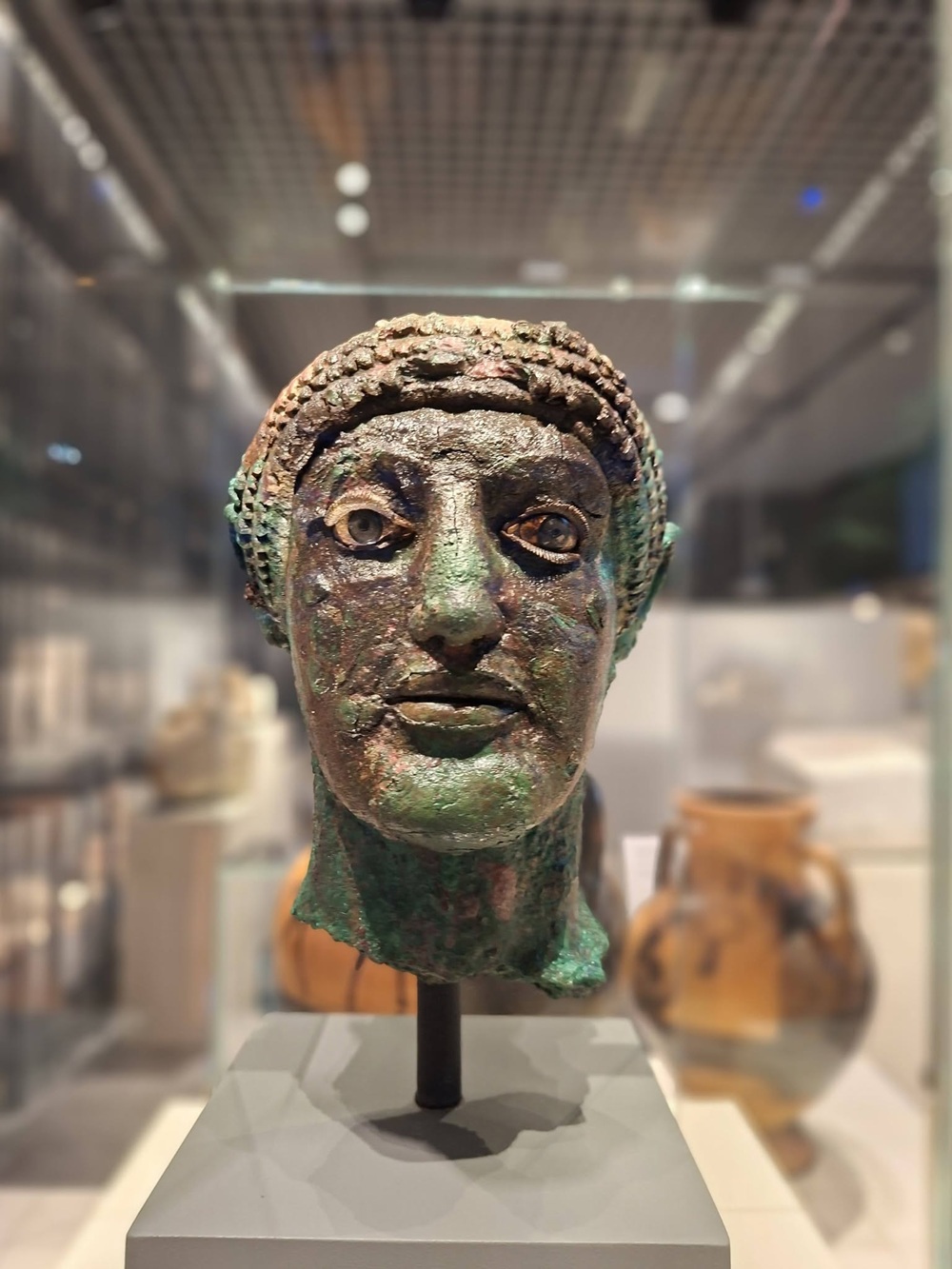
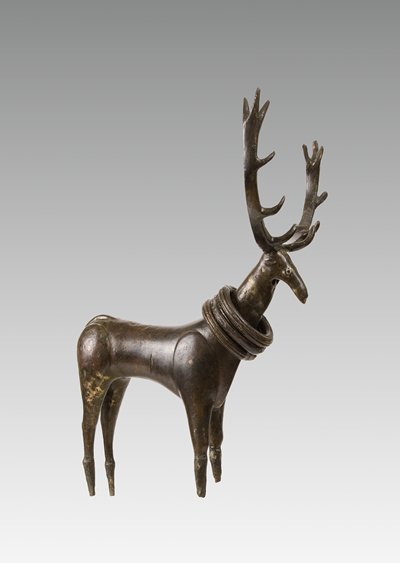
The first temporary exhibition hosted at this Museum is titled “ATHENS: CITY AND IDEA.” It features over 750 archaeological finds from excavations in Attica, spanning the history of Athens from the Neolithic era. Through three themes—the place, organized society, and the idea across time—it sheds light on the city’s political, economic, and artistic life. The archaeological exhibition will be updated every three years, incorporating new findings and research data.
A striking addition to the Museum is “Parthenon Alive,” a digital cultural experience that utilizes artificial intelligence and 3D renderings to bring the Parthenon frieze to life with the Panathenaic Procession. The gods, horsemen, and musicians march, move, and “come to life” right beside the visitor.
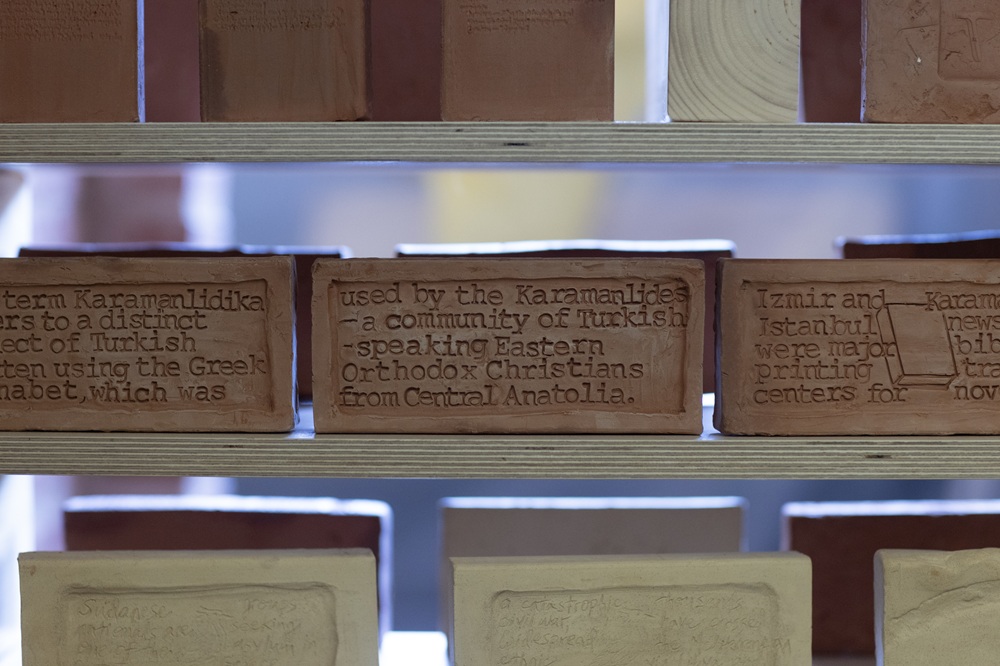
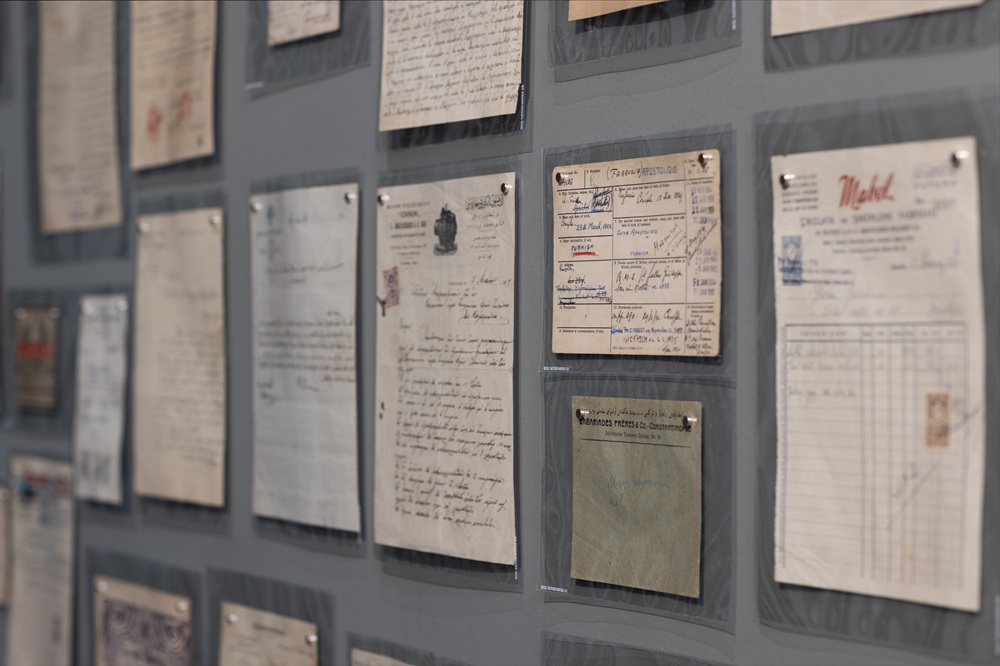
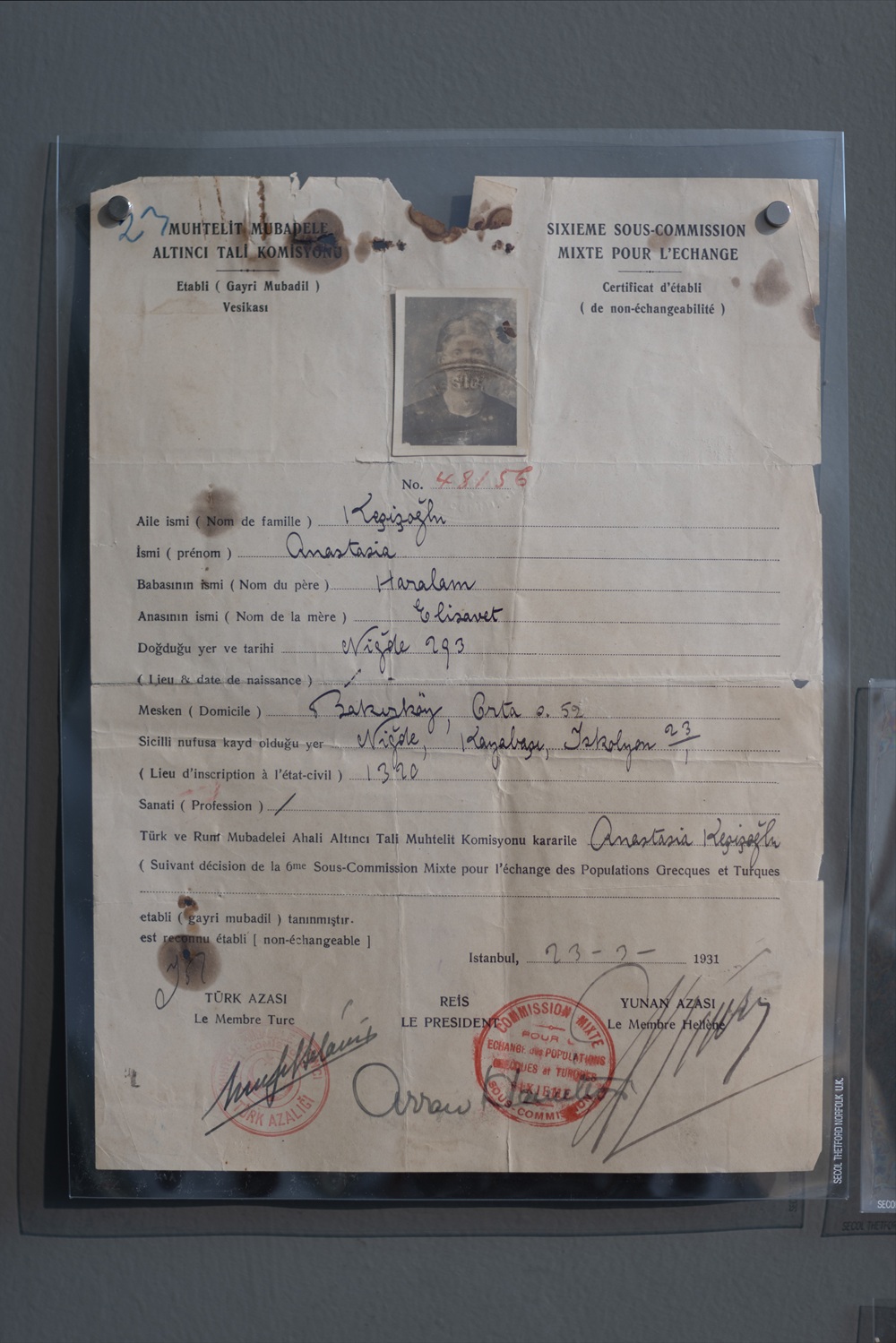
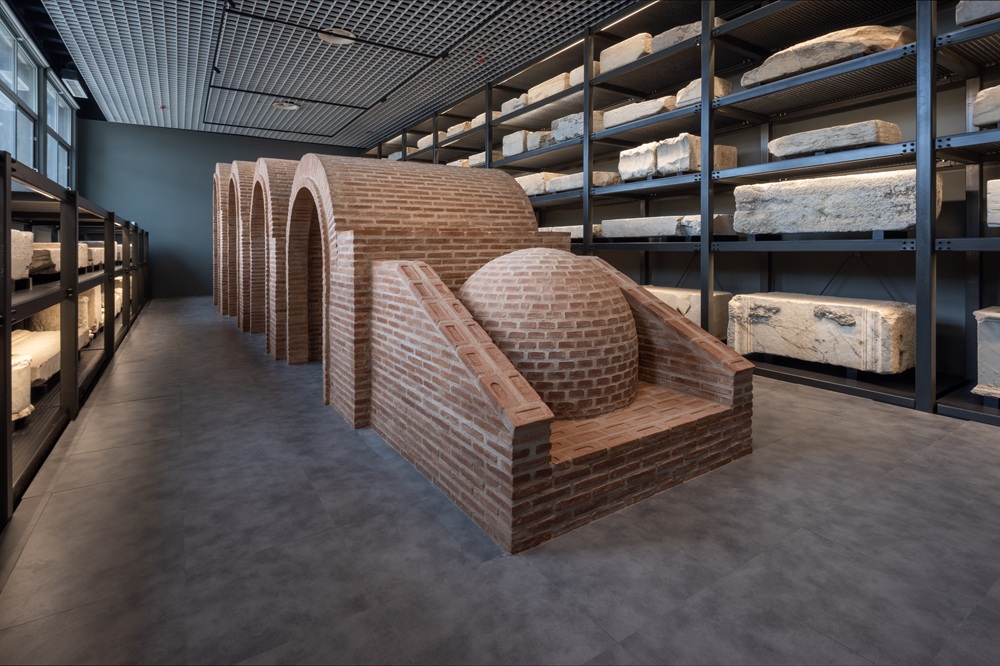
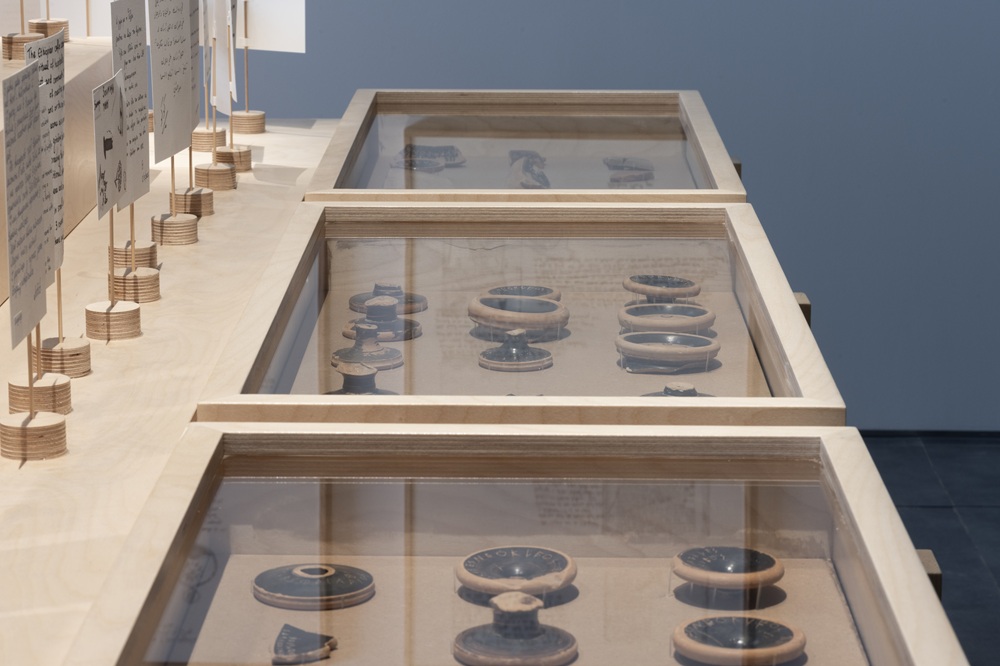
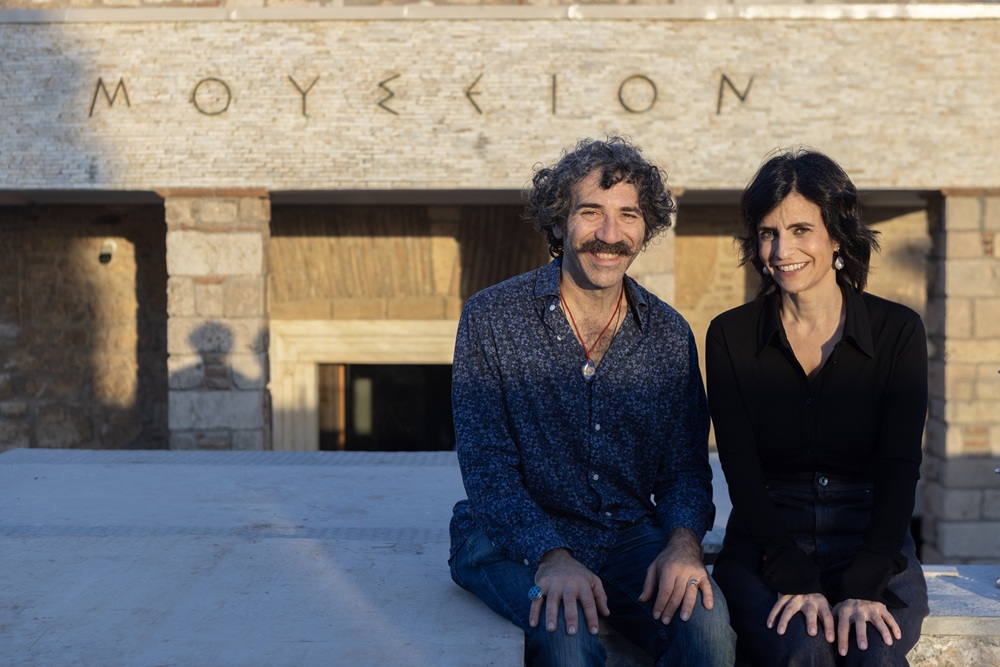
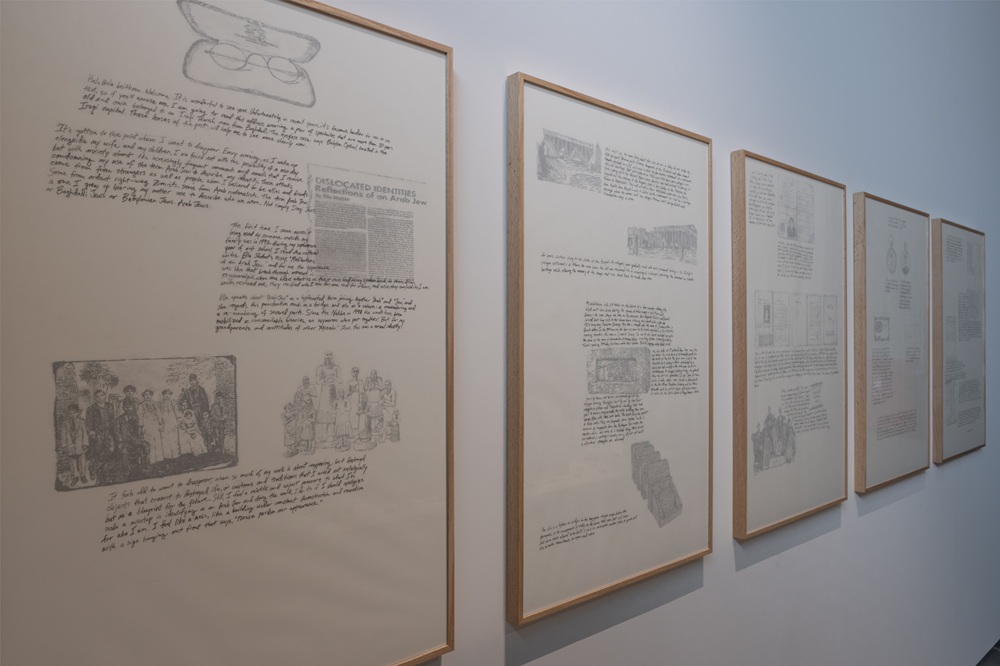
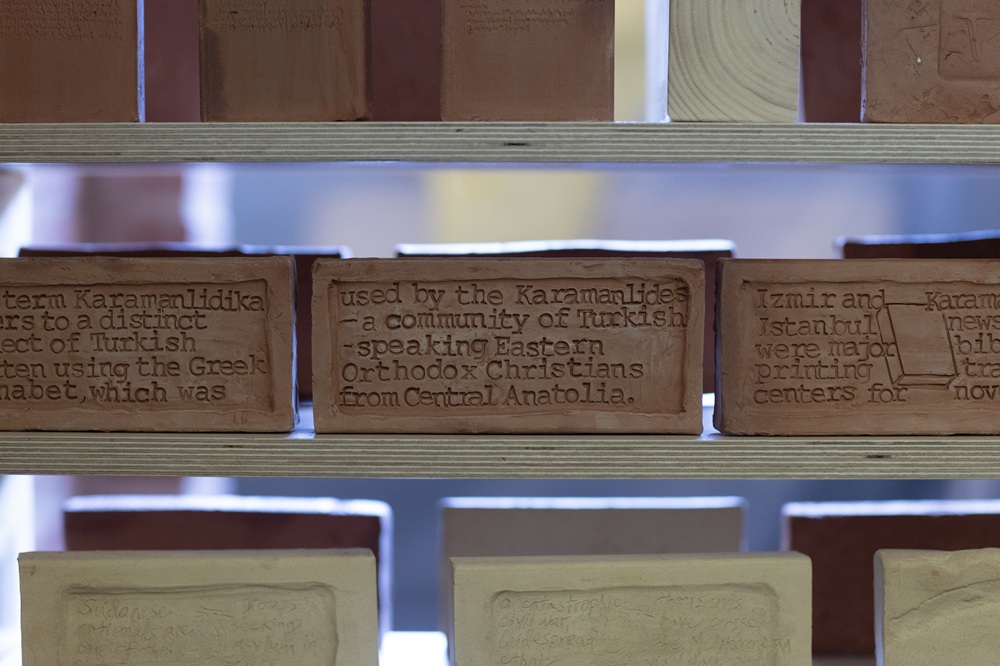
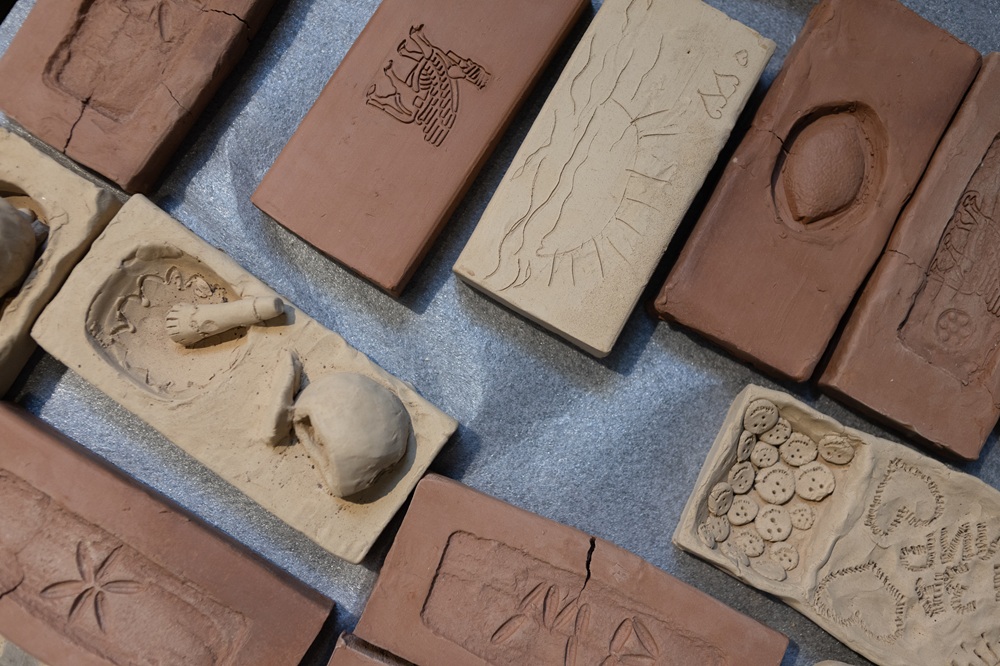
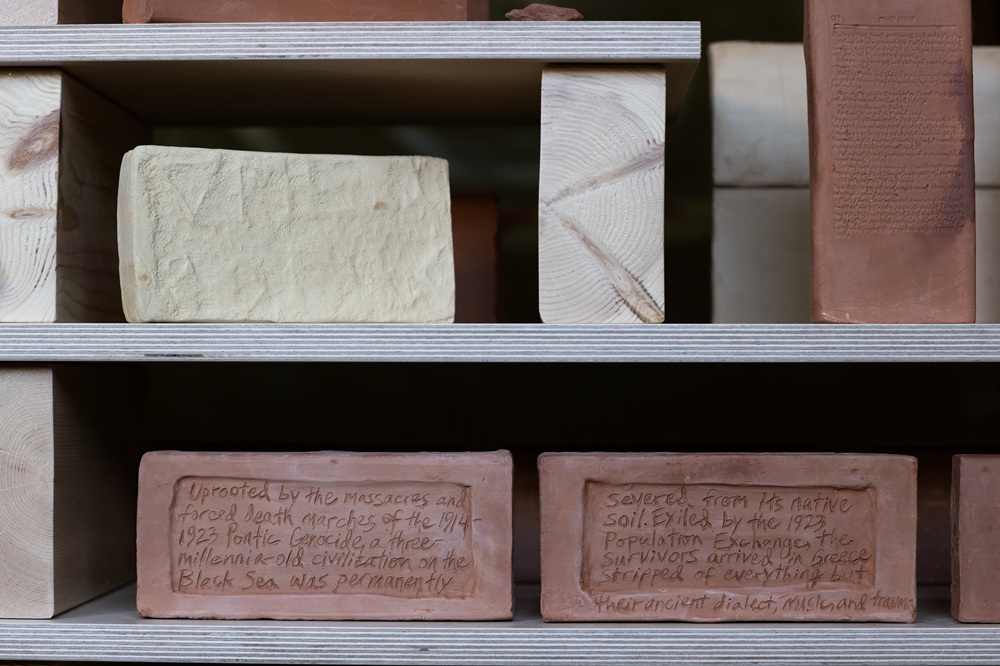
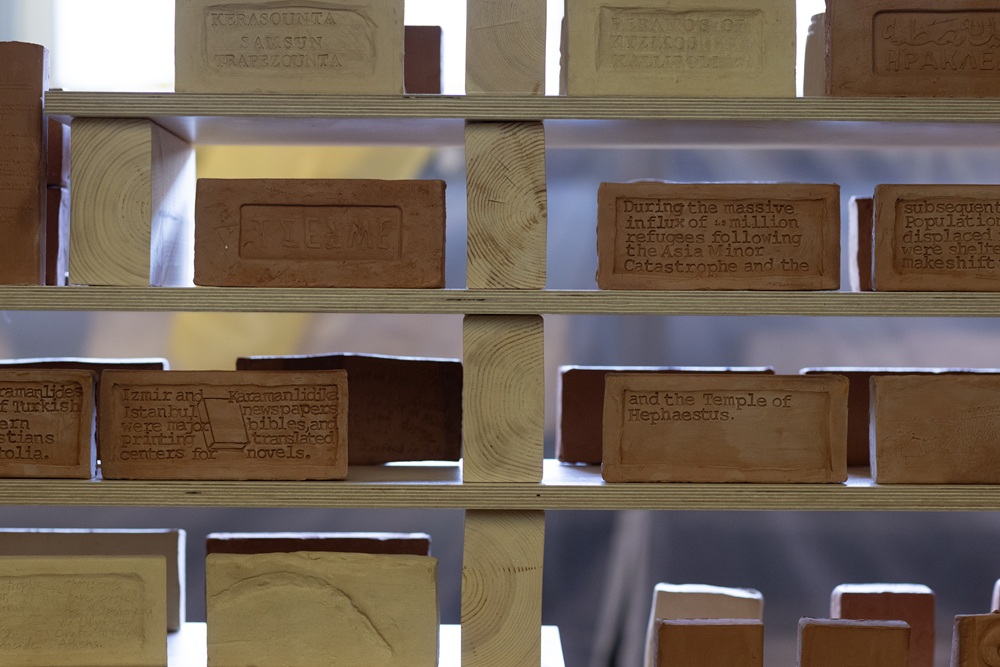
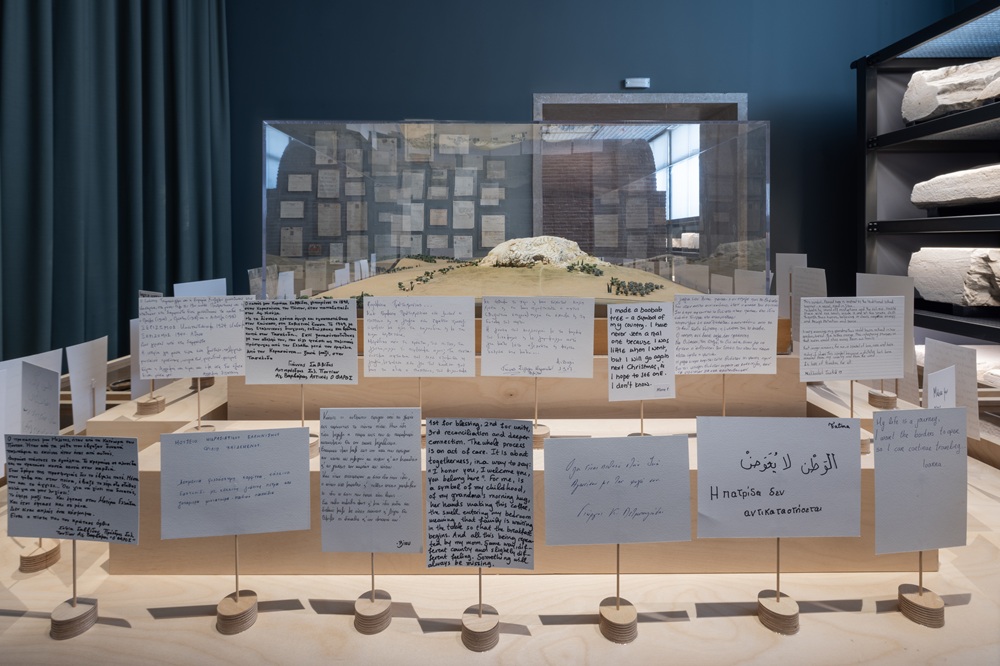
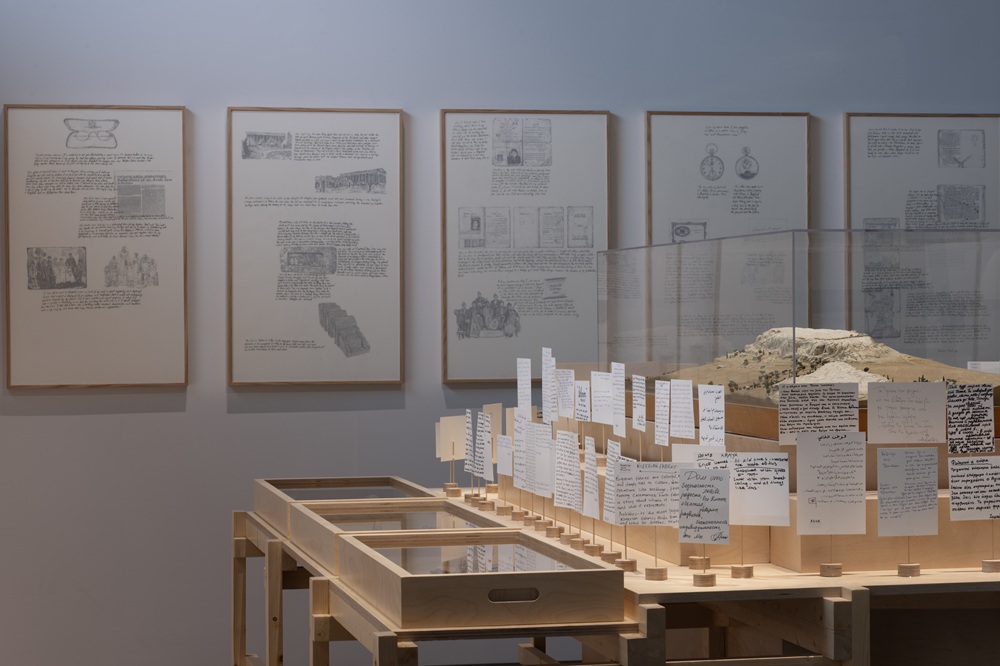
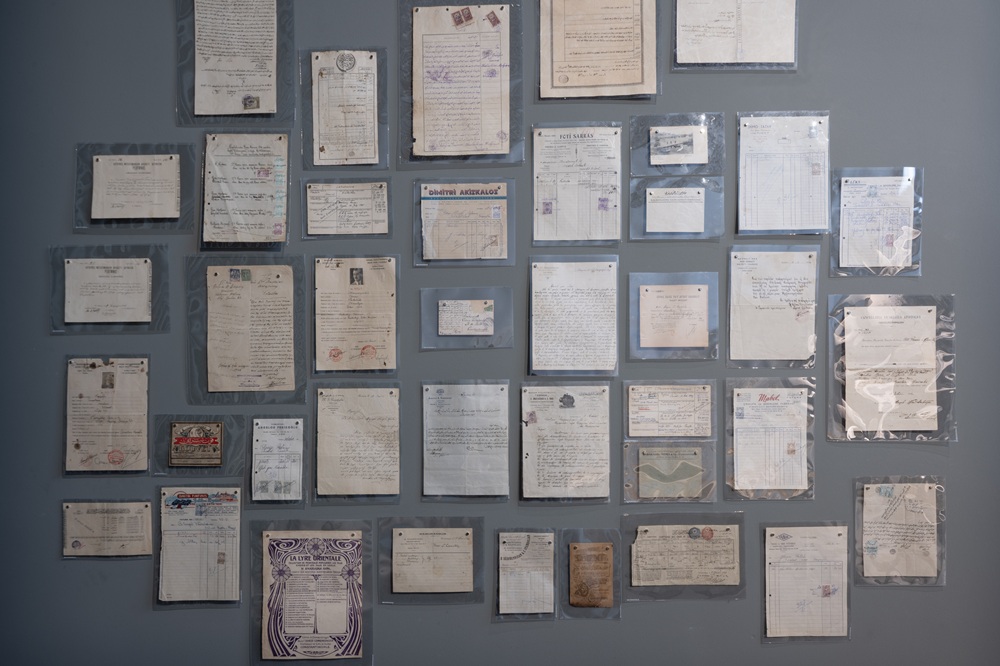
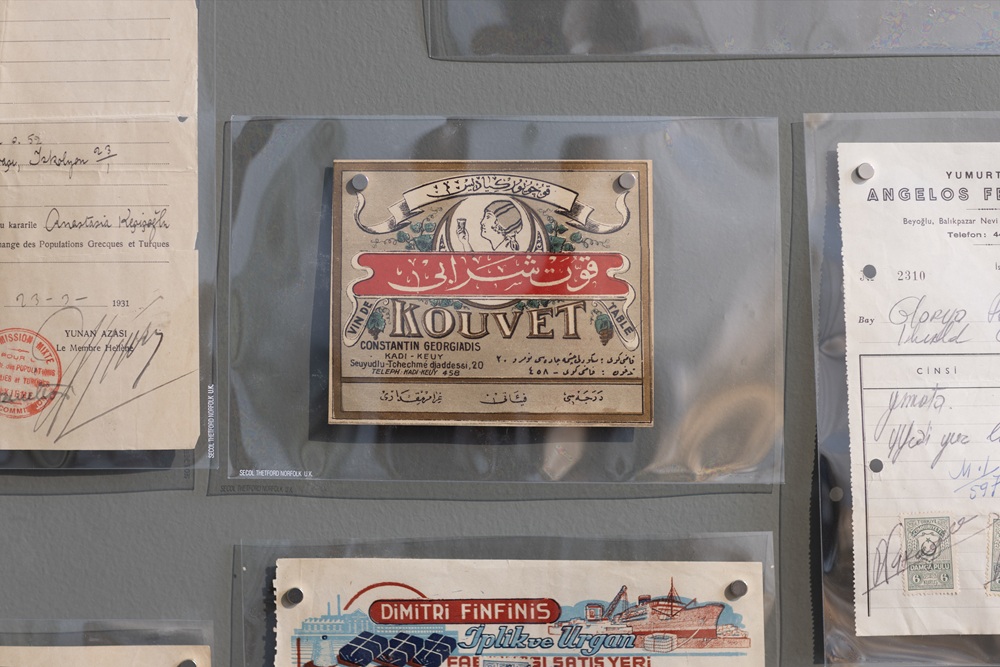
The reopening of the Museum and the new chapter it ushers in also mark the end of the NEON Organization’s journey, which concludes with Michael Rakowitz’s exhibition “What You Leave Behind Is Not What Is Engraved,” curated by NEON Director Elina Kountouri.
The title refers to Pericles’ Funeral Oration (430 B.C.) for the first casualties of the Peloponnesian War: “For great men, the whole earth becomes their tomb. Their memory is preserved not only in the inscriptions on the monuments of their homeland, but also in the hearts of people in every foreign land. And this memory concerns not so much what they did, but the greatness of their spirit.”
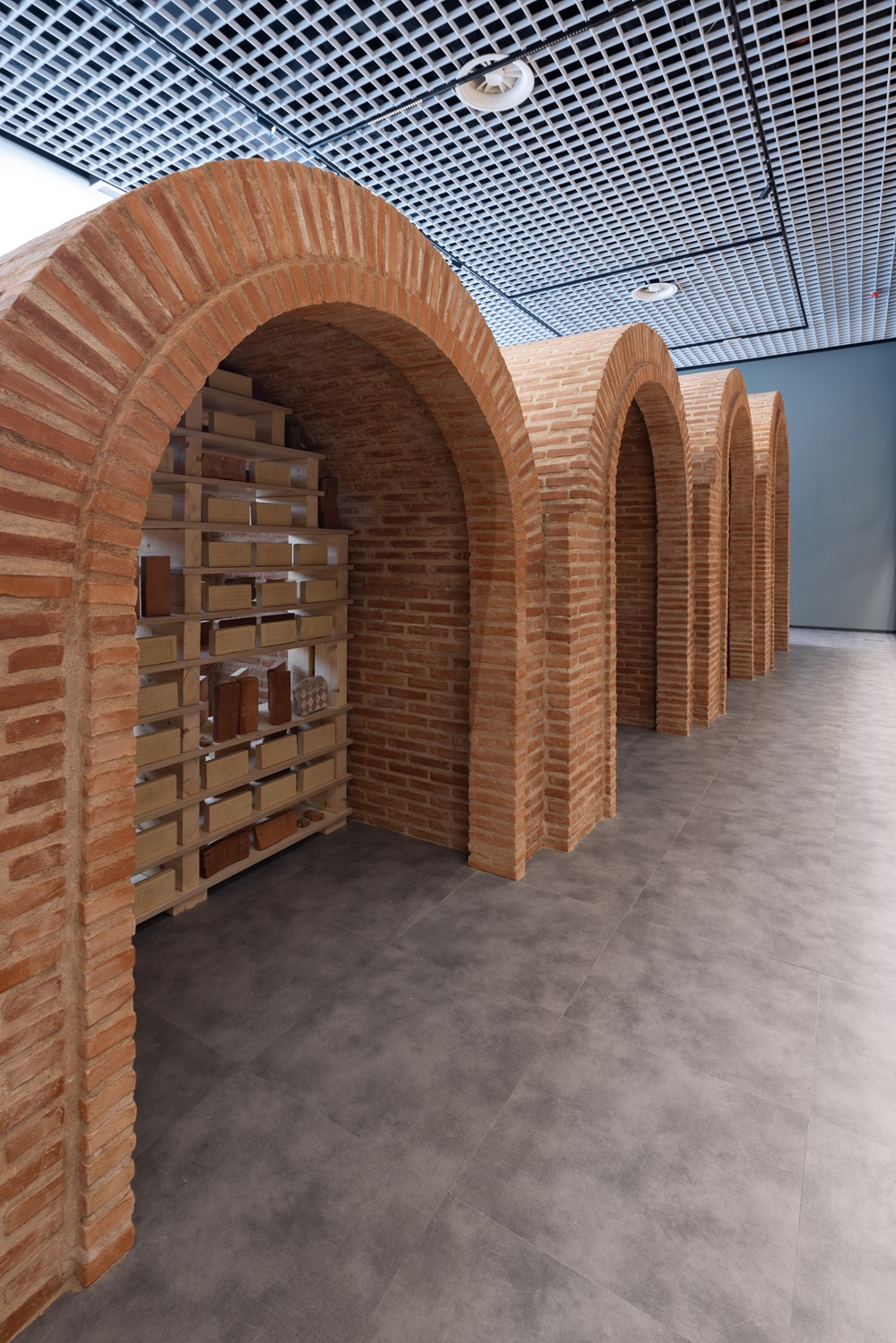
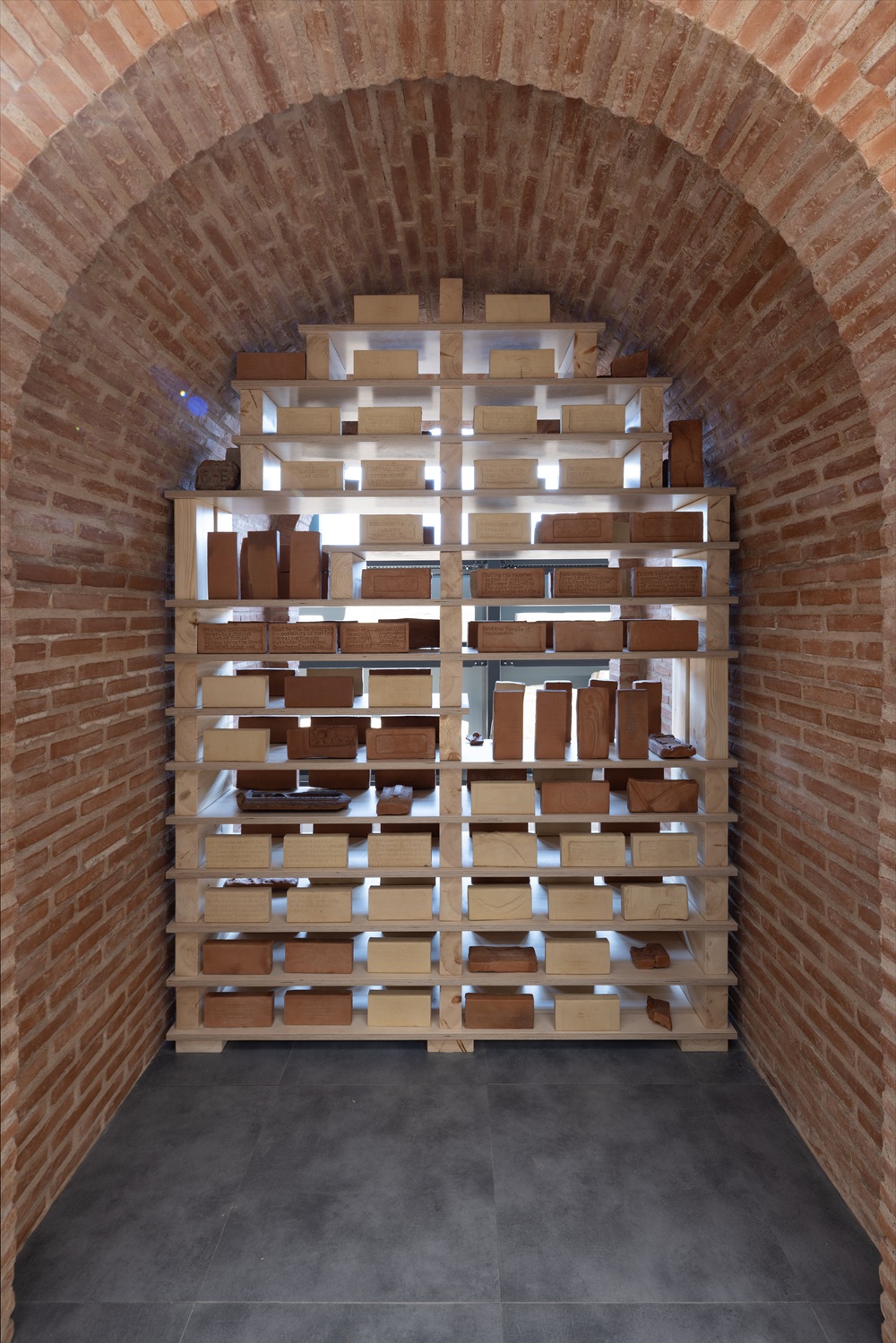
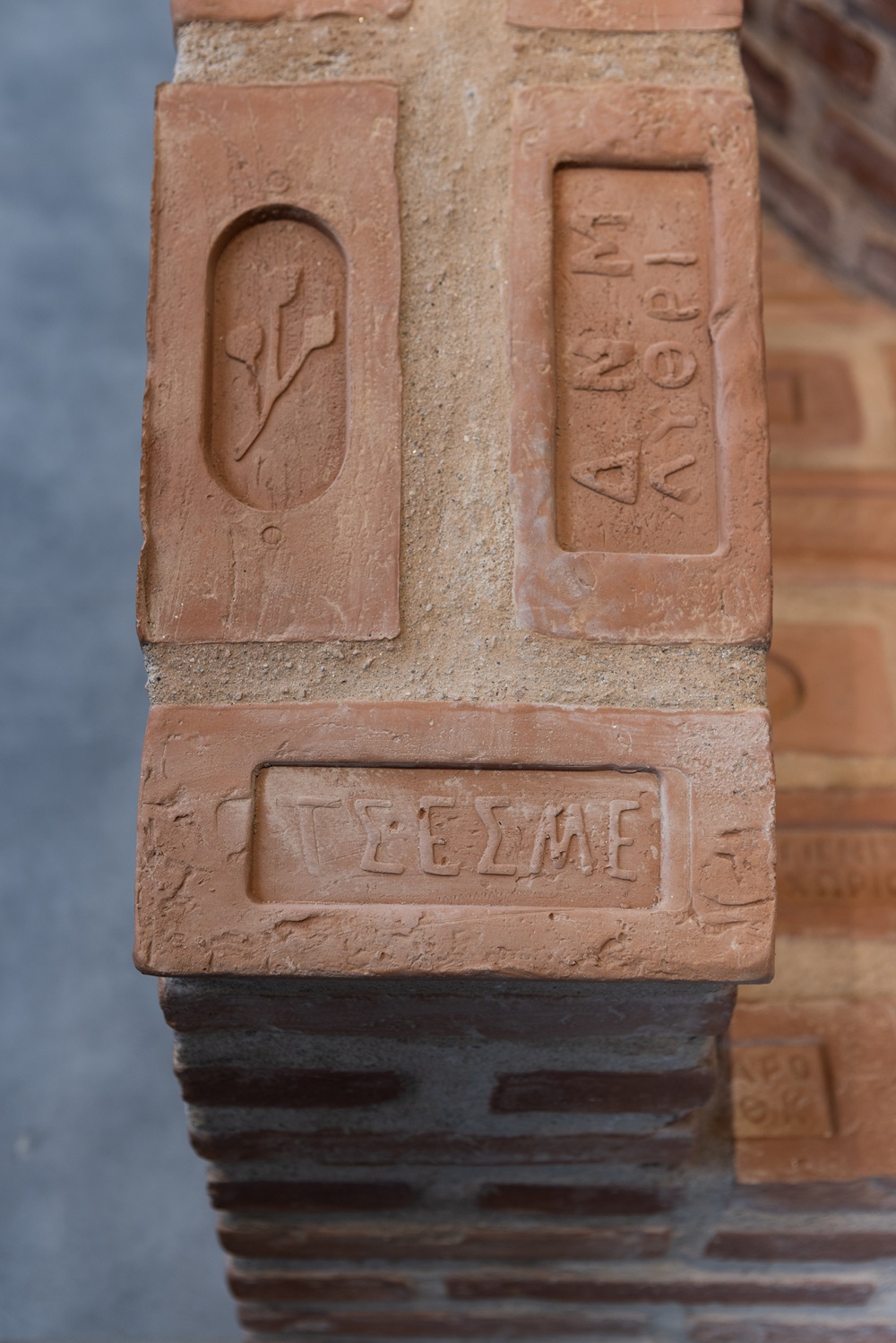
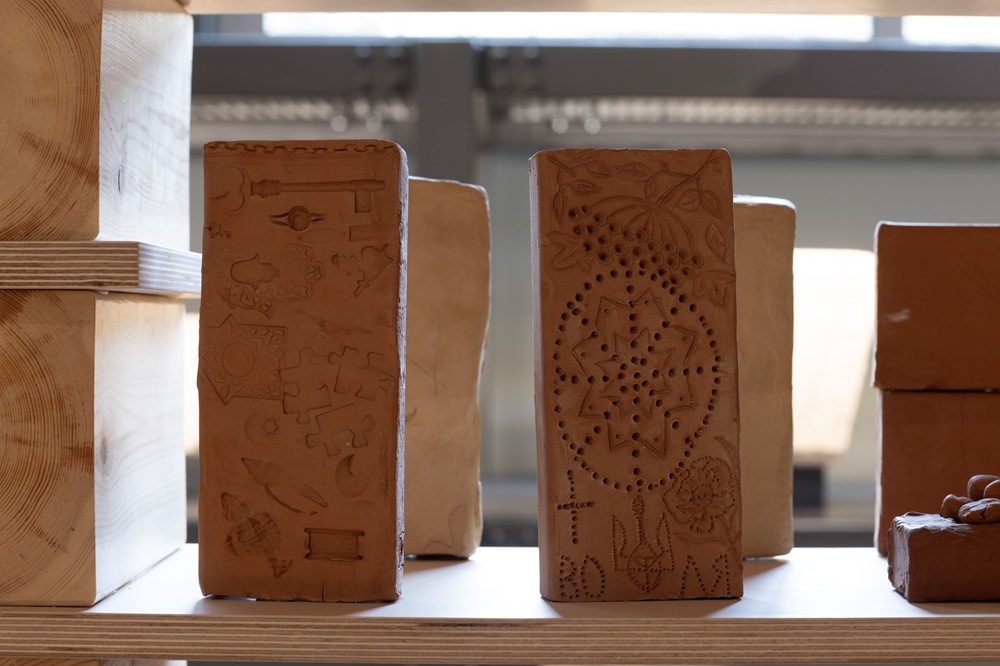
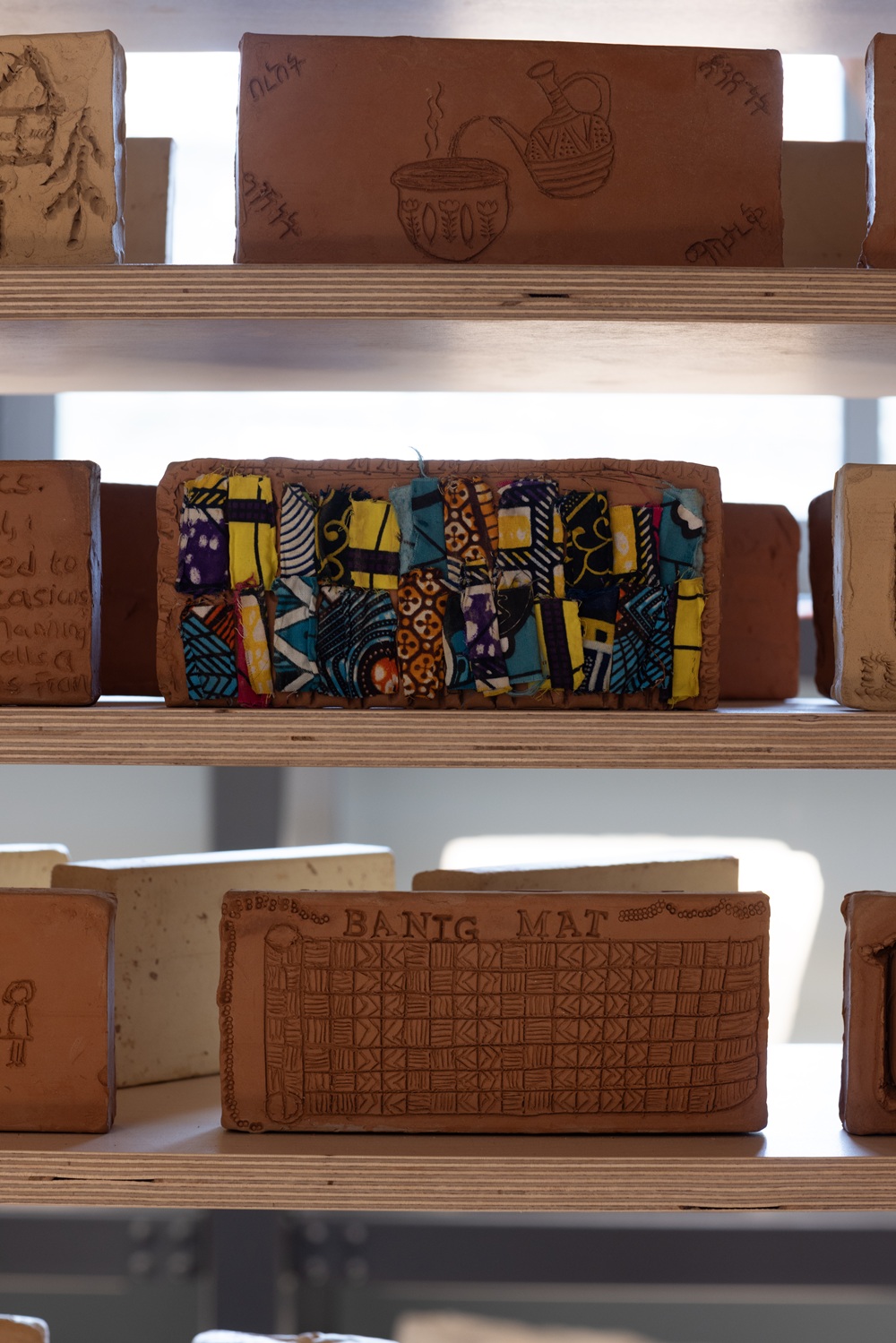
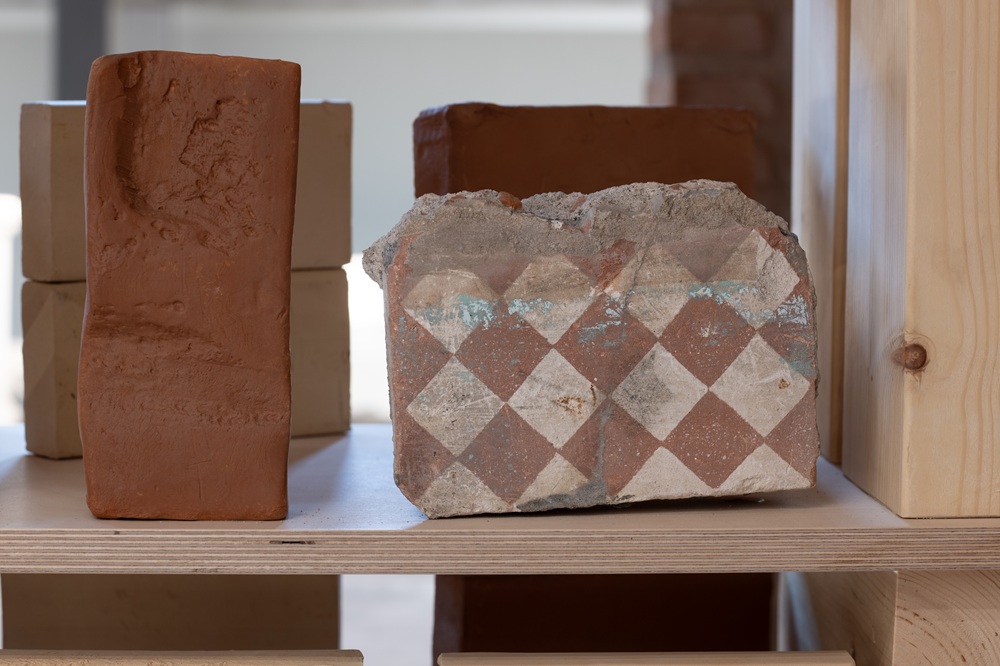
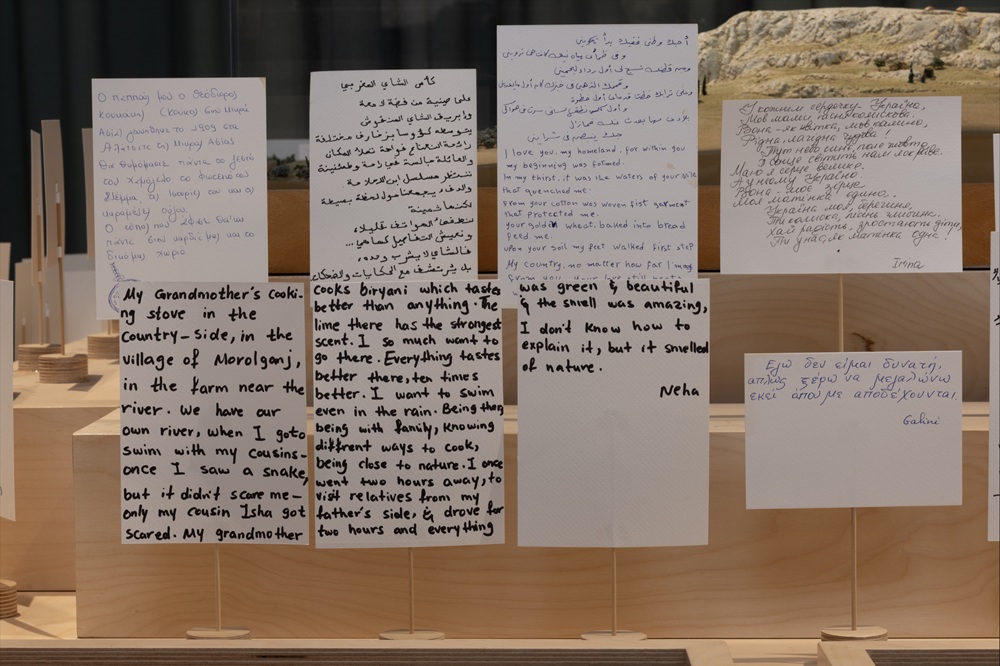
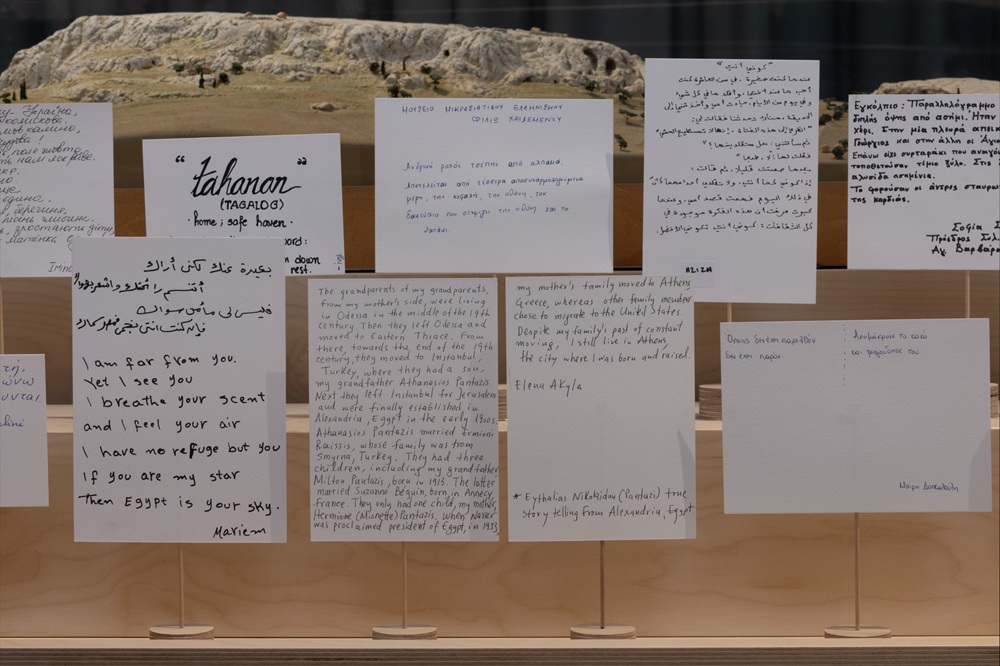
Rakowitz’s work explores, through materials, objects, and personal testimonies of people who have experienced uprooting and migration across time, issues of memory, identity, and loss. Bricks play a central role as a symbolic and tangible object: both rubble and a material for reconstruction, a vessel of memory and a link to the homeland.
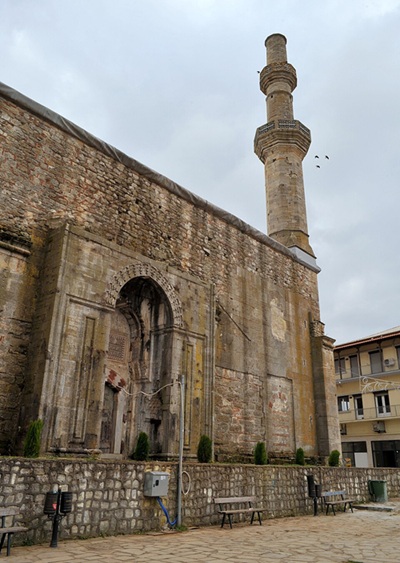
As NEON founder Dimitris Daskalopoulos emphasized: “The contemporary art exhibition presented here by the Ministry of Culture and NEON marks two historic firsts. It is the first exhibition to be held in the renovated Old Acropolis Museum and, at the same time, the first contemporary art exhibition to take place on the Acropolis Rock.”


Leave A Comment