
The Ministry of Culture is implementing a comprehensive plan of projects and initiatives in Western Macedonia that links the protection and promotion of cultural heritage with the region’s sustainable development prospects. The tour of Minister of Culture Lina Mendoni in the Regional Unit of Florina began in Prespes, a site of exceptional historical and archaeological significance, reaffirming the Ministry of Culture’s strategic policy choice to invest in culture as a force for development, outreach, and cooperation. Focusing on the islet of Agios Achilleios and Agios Germanos, the Ministry of Culture, in close collaboration with the Region of Western Macedonia, is planning and implementing a program of projects aimed at protecting, restoring, and showcasing important monuments and elements of the cultural heritage of Prespa, as well as creating a strong cultural and developmental impact for the local community.
Agios Achilleios Islet
The islet of Agios Achilleios in Mikri Prespa combines a unique natural environment with a significant archaeological and Byzantine heritage. Remains of a Hellenistic and Roman settlement, identified as ancient Lyka, have been discovered on the western and southwestern coasts, while numerous architectural elements, sculptures, inscriptions, and other artifacts have been found at various locations on the island, often reused in Byzantine monuments, attesting to the area’s continuous habitation over time. During the Middle and Late Byzantine periods, the present-day islet was a walled peninsula with an acropolis at the site known as “Kale,” highlighting the strategic, geographical, and historical significance of Agios Achilleios over the centuries.
The Basilica of Saint Achilles
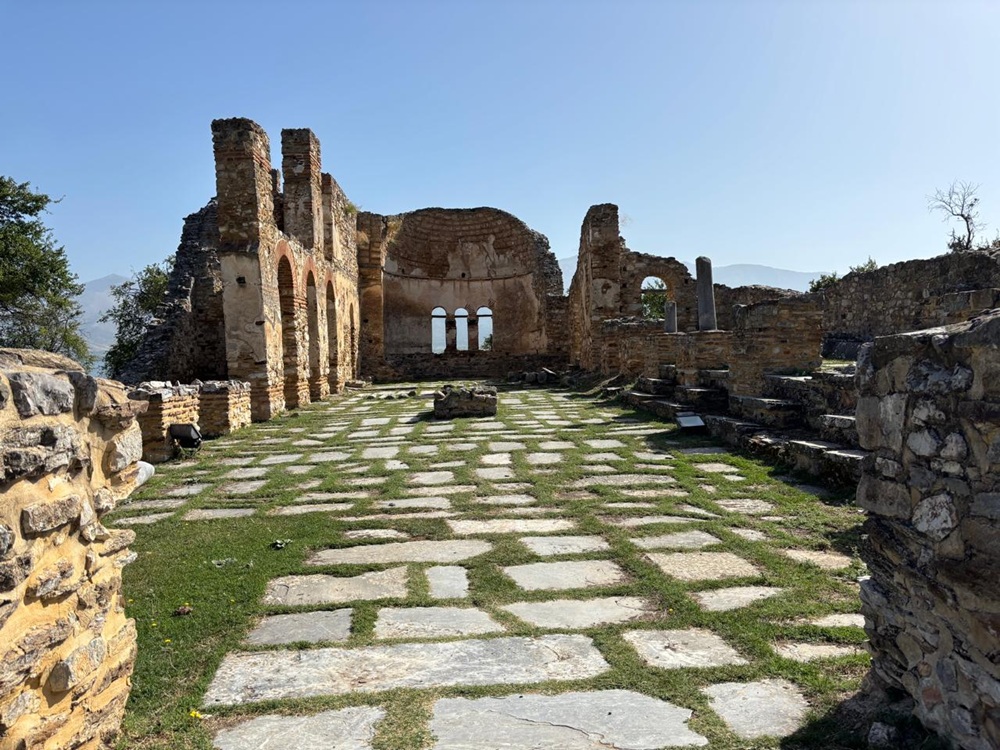
The Basilica of Saint Achilles, built in the late 10th century and serving as a cathedral until the early 15th century, is one of the most important Byzantine monuments in the Prespa region. The three-aisled basilica with a narthex preserves its original choir with 18 painted apses dating from the early 11th century, fragments of 12th-century frescoes, as well as stone slabs from Hellenistic tombs in ancient Lyka. The area surrounding the church was used as a cemetery from the 12th century until the early 15th century.
Monastery of Panagia Porfyra
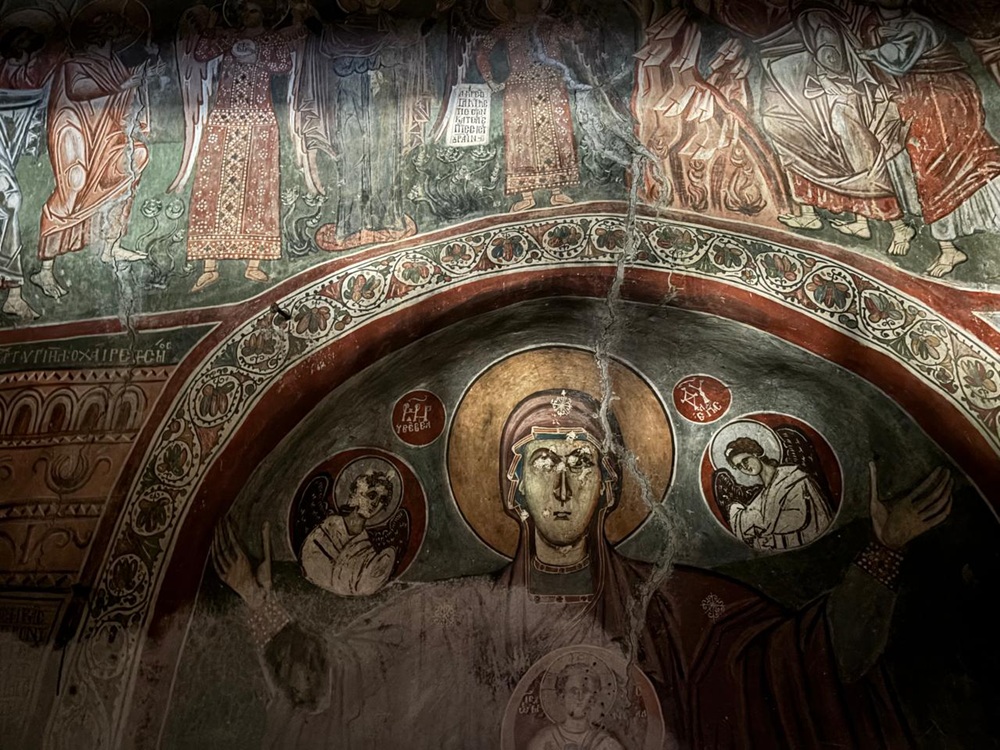
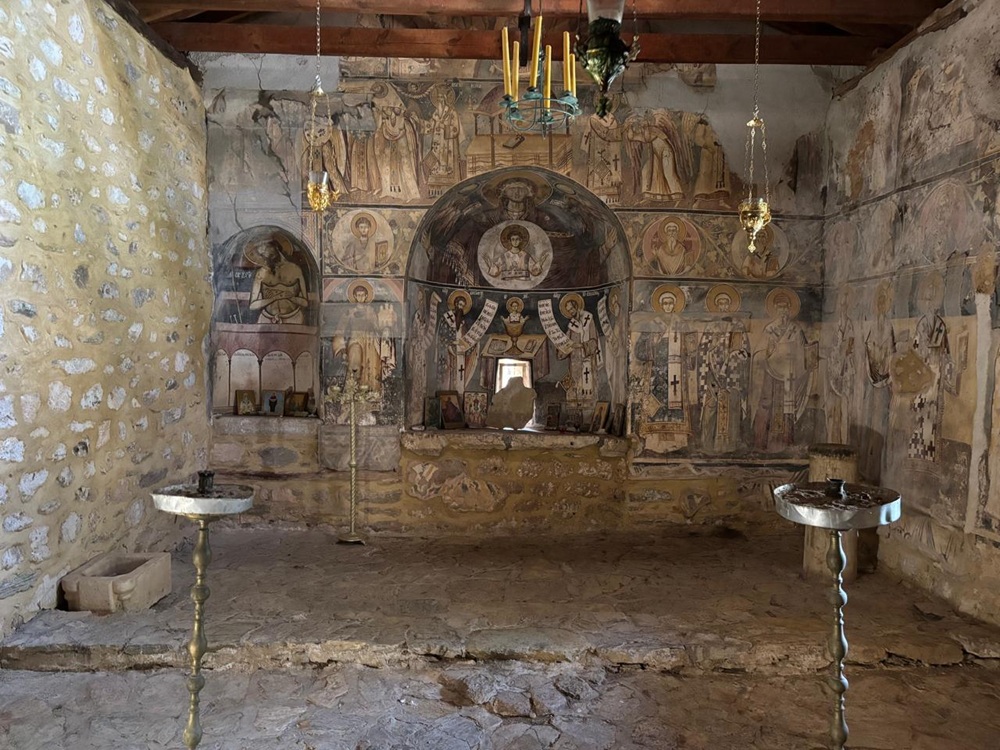
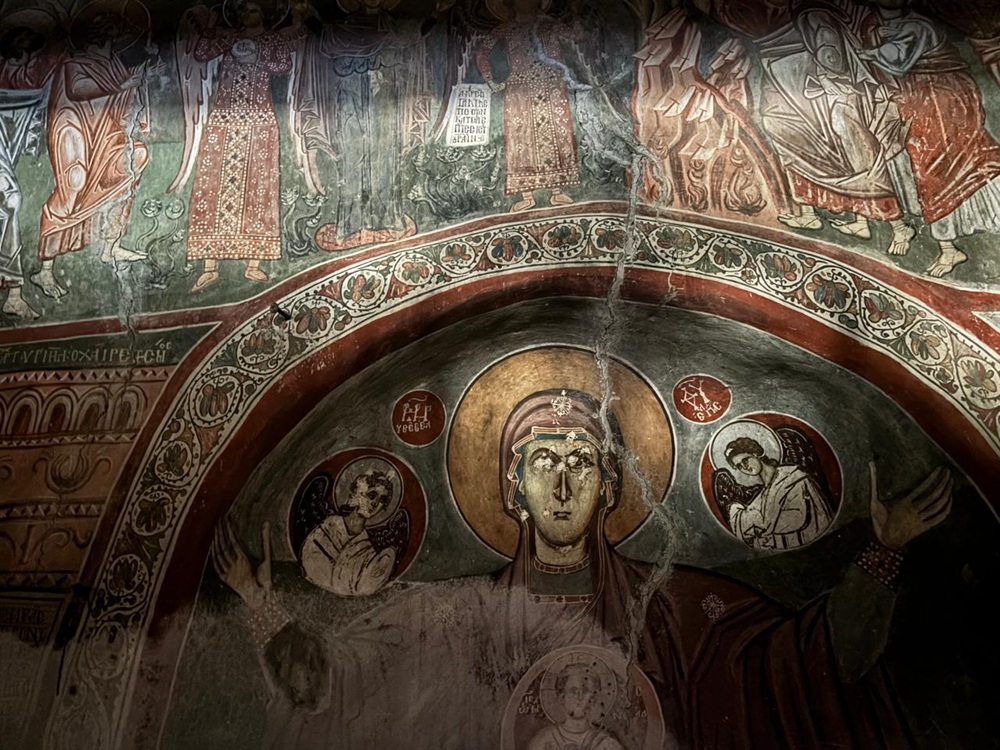
It was founded in the early 16th century, during a period when monasticism was flourishing in the wider region. It is an important monument of the Byzantine and post-Byzantine heritage of the Prespa region. According to an inscription, the church’s main hall dates to 1524. The fresco decoration of the main hall is considered one of the earliest examples of refined post-Byzantine painting, in which influences from the schools of Kastoria and Ohrid are discernible, including the exceptional depiction of the Virgin Mary Glykofilousa, as well as a later phase of iconography from 1741, which follows the models of the Macedonian School. Until World War II, the monastery functioned as a men’s monastery. Approved plans exist for the restoration and enhancement of the architectural remains of the monumental complex, as well as for the conservation of the frescoes, with a total budget of 950,000 euros, to be implemented by the Florina Ephorate of Antiquities and funded by the Region of Western Macedonia and the Ministry of Culture under a relevant Programmatic Agreement for Cultural Development.
Church of the Holy Apostles
The Church of the Holy Apostles, on the western side of the islet, is an important monument with construction phases dating from Roman to Middle Byzantine times. Its initial phase likely dates to around 1000, while in the 13th century it was converted into a three-aisled basilica, with elements from an earlier structure having been reused. Architectural and structural studies, as well as an investigation into the monument’s earliest phases, have been approved for its restoration and enhancement. The project, with a budget of 450,000 euros, is part of the Integrated Territorial Intervention plan for the development of the lakes and rivers of Western Macedonia, with the corresponding call for funding from the Managing Authority of the Region of Western Macedonia expected in September 2026.
Church of Saint George
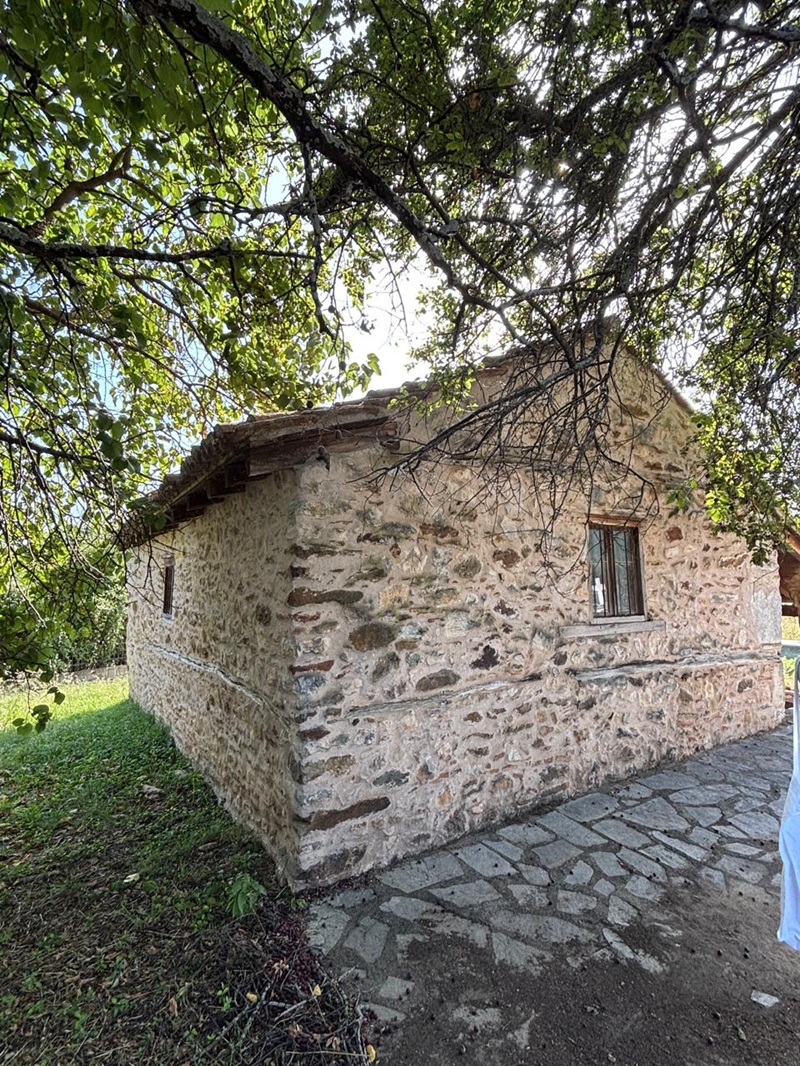
Repair and cleaning work is planned for this 15th-century single-nave church, which dates from the period following the abandonment of the Basilica of Saint Achilles, with the aim of protecting and highlighting the monument.
Old Elementary School of Agios Achilleios
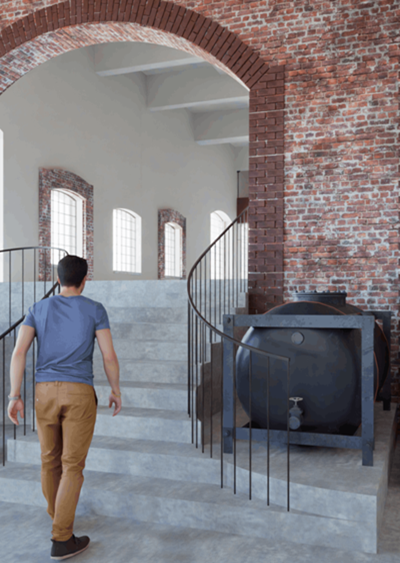
The Municipality of Prespa has a detailed study, with a budget of 400,000 euros, for the restoration and repurposing of the old Agios Achilleios Elementary School, with the goal of creating an information center for the islet and its monuments. The proposal is expected to be included in the LEADER program and implemented through a Cultural Development Program Agreement with the Ministry of Culture. For the islet of Agios Achilleios, the Ministry of Culture is considering the development of a comprehensive management plan, with the goal of highlighting and utilizing the region’s significant cultural heritage, funded by the Ministry of Culture.
Trails and Connecting Routes
The Municipality of Prespa has completed a detailed study on the improvement and promotion of trails and connecting routes in the area, with a budget of 120,000 euros, funded by the Region of Western Macedonia. Implementation of the project, led by the Municipality of Prespa, is expected to begin in September 2026, enhancing accessibility and connectivity between the region’s key sites of cultural and natural interest.
Hermitages and Rock Paintings
The Minister of Culture toured the lakeside area of Psarades, where a particularly significant collection of hermitages and rock paintings has been preserved, bearing witness to the enduring presence of monasticism and the spiritual and artistic flourishing of the Prespa region. Among the most significant monuments are the 15th-century rock paintings of Panagia Vlachernitissa, Panagia Panton Chara—which bears an inscription from 1372—and Saint Nicholas (1827), as well as the hermitages of the Little Ascension and Panagia Eleousa (designated monuments), Saint Athanasius, and the Transfiguration of the Savior, featuring chapels, cells, and significant remnants of frescoes dating from the 15th to the 17th centuries. This is a unique cross-border cultural landscape, as similar hermitages and monuments also extend into the wider Prespa region.
Agios Germanos Archaeological Collection
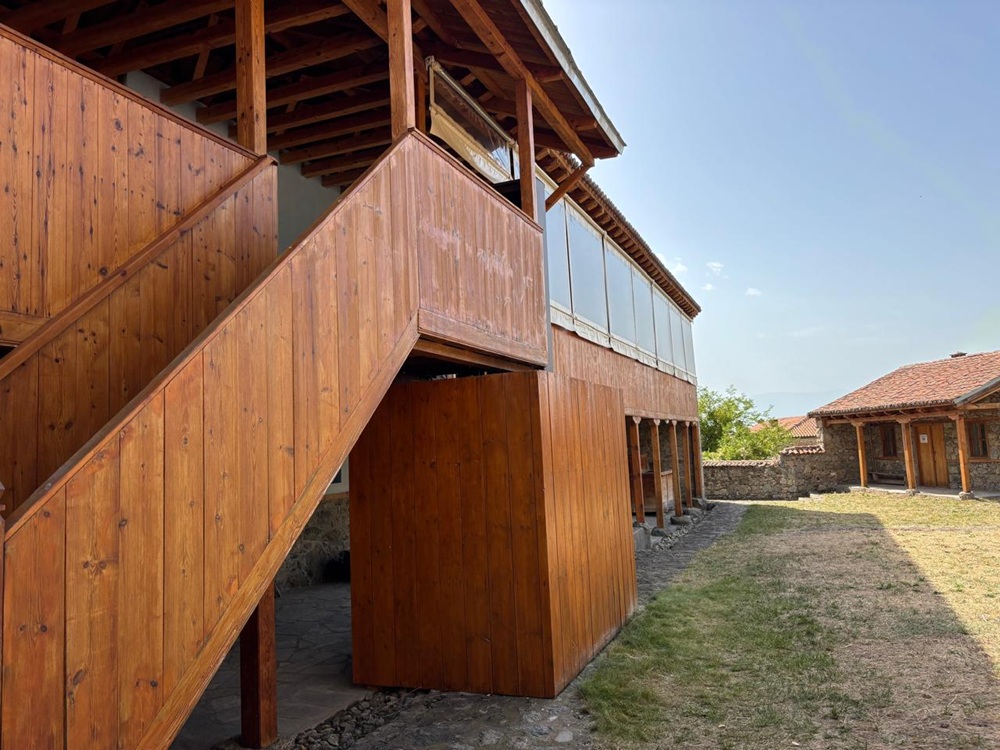
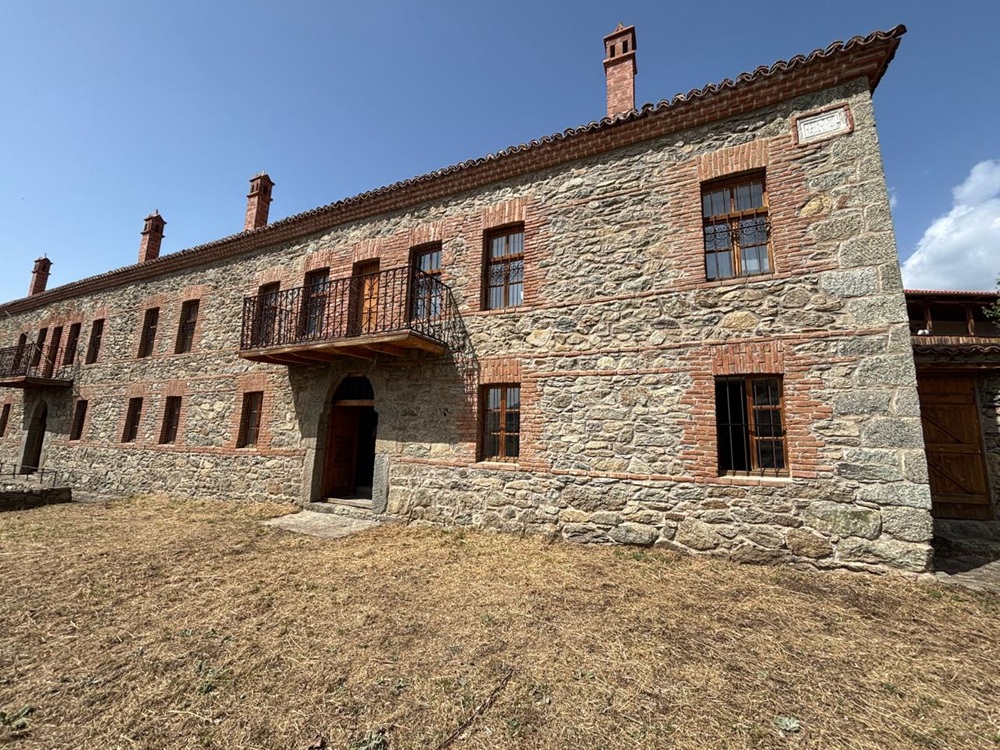
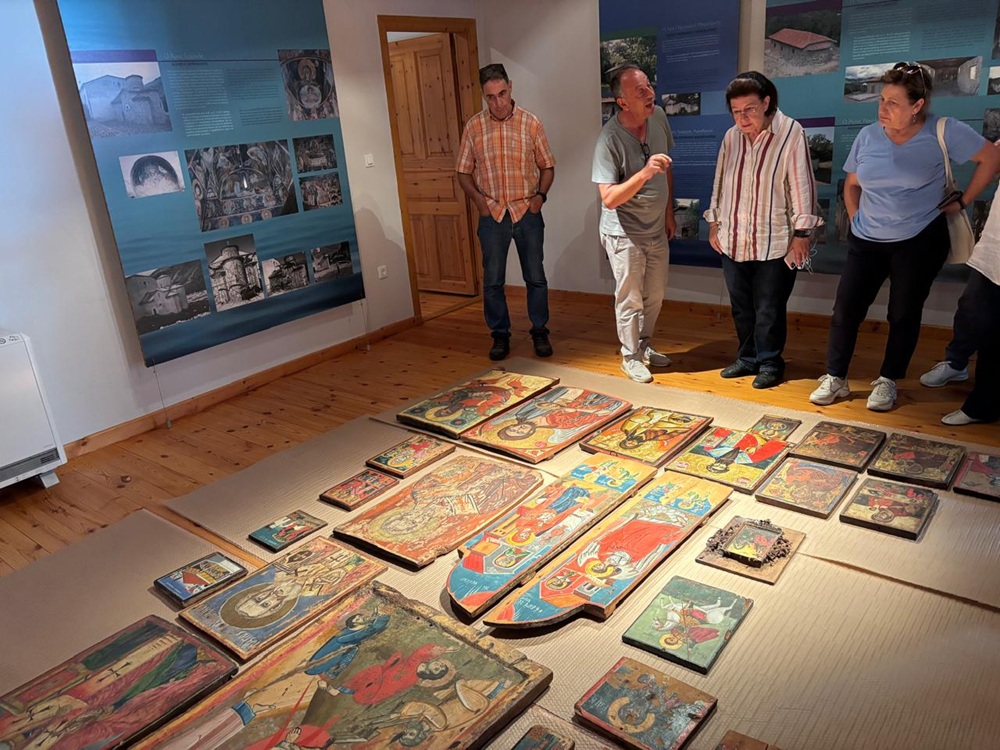
The Collection, founded in 1995, is housed in a two-story building dating from 1913, which was restored by the Ministry of Culture and modernized in 2008. As part of the Interreg IPA CBC “Greece–Republic of North Macedonia 2014–2020” program, a project with a budget of 90,577 euros was implemented to expand and restore the collection, as well as to create accessibility infrastructure for people with disabilities. The complex also houses a workshop for the conservation and documentation of antiquities. The museological proposal is expected to be finalized and approved by October, while the museographic study is scheduled for completion by the end of the year, with the goal of exhibiting the collection by the end of March 2027.
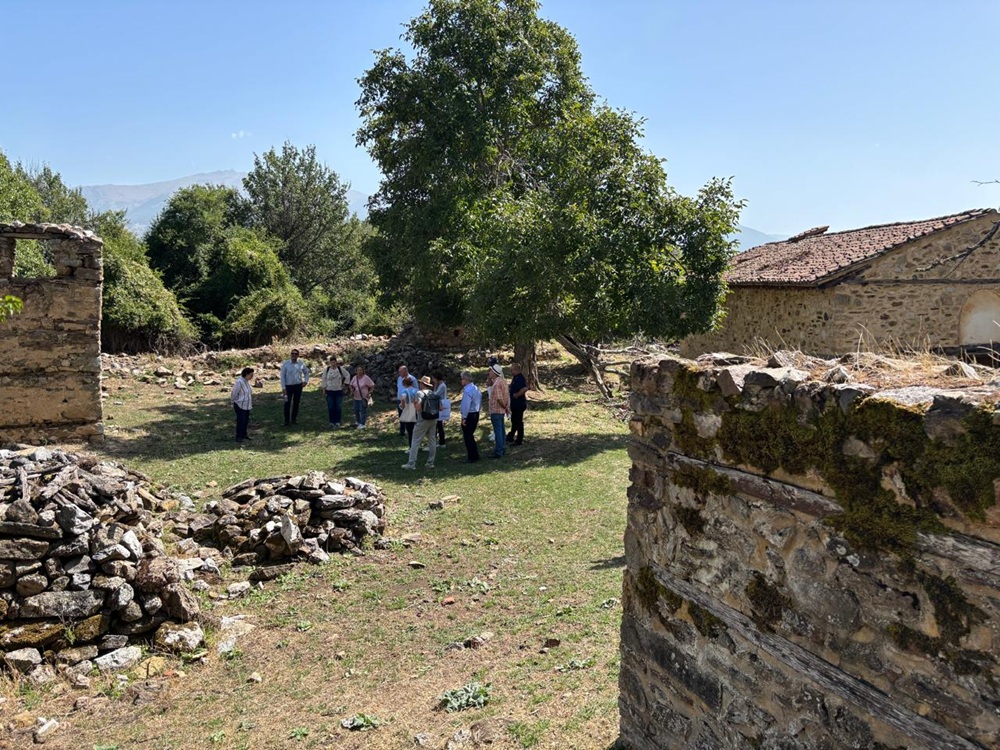
During her tour of Prespes, the Minister of Culture was accompanied by Stavros Papasotiriou, Member of Parliament for Western Macedonia; Giorgos Amanatidis, Regional Governor of Western Macedonia; the Mayor of Prespes, George Stergiou; the Secretary General for Culture, Olympia Vikatou; the Director of Antiquities for Florina, Christina Ziota; and a delegation of government officials.


Leave A Comment