
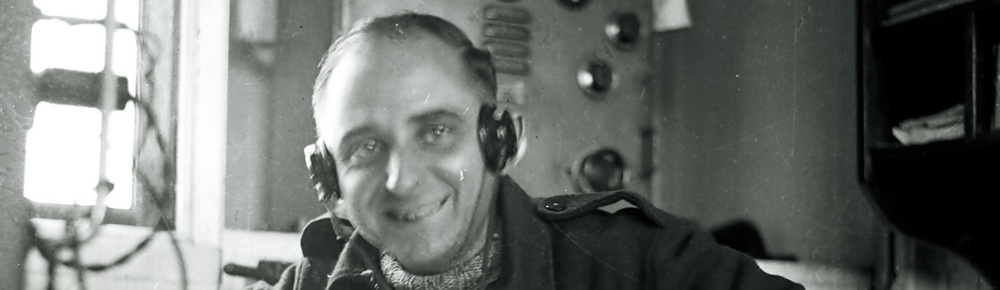
The General State Archives (GSA) announce the acquisition of the archive of Nikos Kavvadias (1910–1975), one of the most important, renowned, and influential Greek poets, following a donation by his sole heir, Mr. Filippos Hatzopoulos. This donation is of particular cultural and historical significance, ensuring the preservation of a valuable archival collection and opening new avenues for the study of the poet’s life and work—and beyond.
The Central Service of the General State Archives is responsible for the scholarly cataloging, documentation, conservation, preservation, promotion, and digitization of the archives. The goal is, upon completion of the necessary work, to make the material accessible to the public and the research community, in accordance with the General State Archives’ operating rules. As stipulated in the terms of the donation agreement, the archive will be preserved as a single collection, with the possibility of enriching it with new acquisitions.
The preservation of the archive is due to the care with which it was safeguarded by the poet’s sister, Genia Kavvadia, and subsequently by his niece, Elga Kavvadia, and her son, Filippos Hatzopoulos. This long-standing effort has preserved a rich and multifaceted collection of material of immense literary, historical, and cultural value. More than fifty years after the death of “the ideal and worthy lover of distant seas and azure waters,” the archival material is being transferred to a public institution whose mission is to preserve historical memory and ensure its study and utilization.
Michalis Gelasakis, a scholar and biographer of the poet, has been appointed as an advisor to the Kavvadias Archive; he will assist with the documentation and promotion of the archival material.
Finally, the contribution of KARTERIAS AMKE was crucial to the completion of the process; through its sponsorship, the organization helped support the work related to the historical, literary, and biographical promotion of the Archive. Specifically, the grant covered the relevant consulting services, as well as the costs of packing and transporting the Archive.
What the Archive Contains
The Kavvadias Archives contain thousands of documents spanning a long period from the mid-19th century—including family heirlooms—until his death on February 10, 1975. It also includes material related to the reception of his work and creations inspired by his life and poetry.
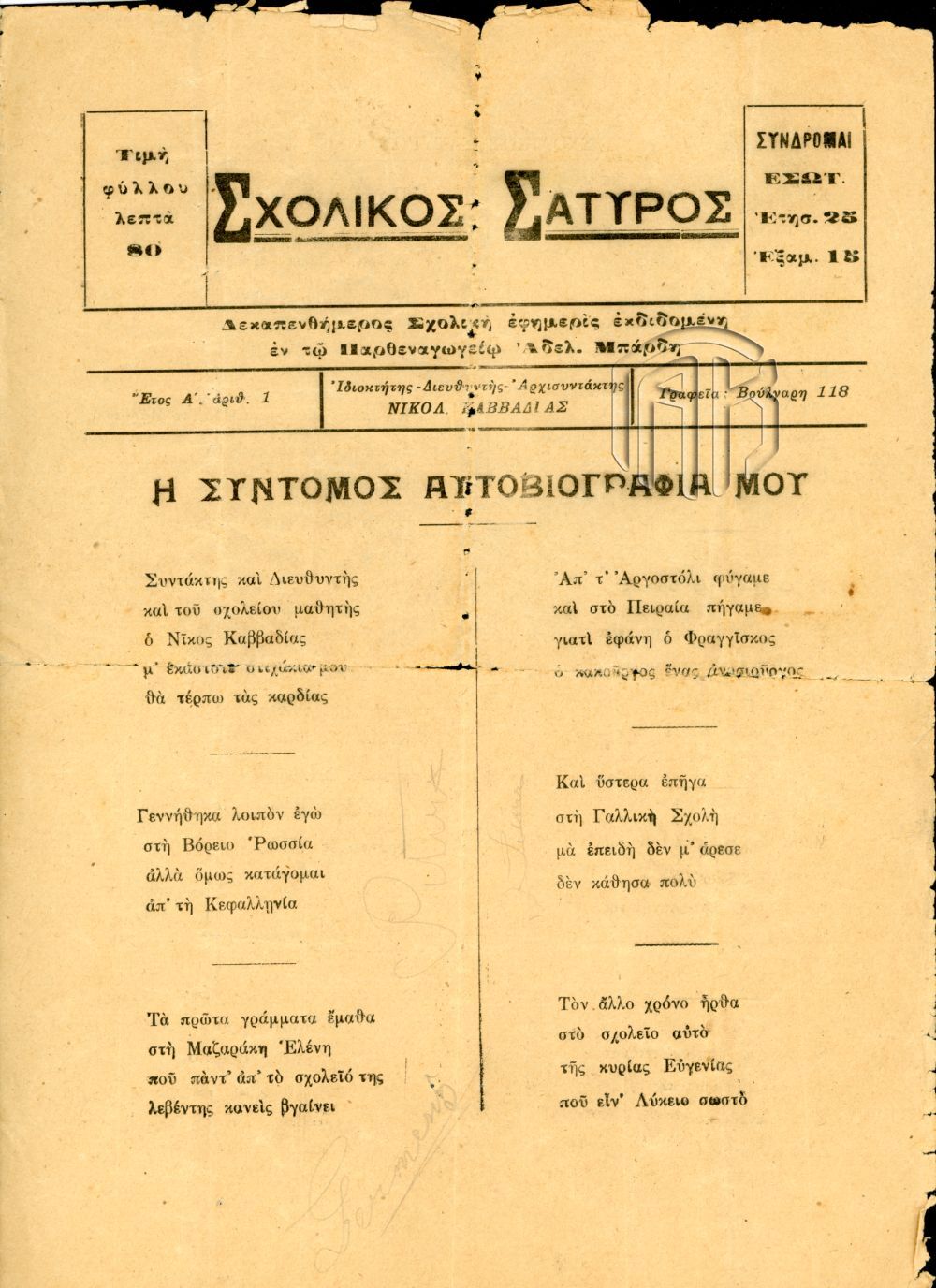
Forty-five archival boxes contain documents of great literary, historical, and commercial value, relating to the life and work of both the poet and other poets, writers, painters, actors, etc.
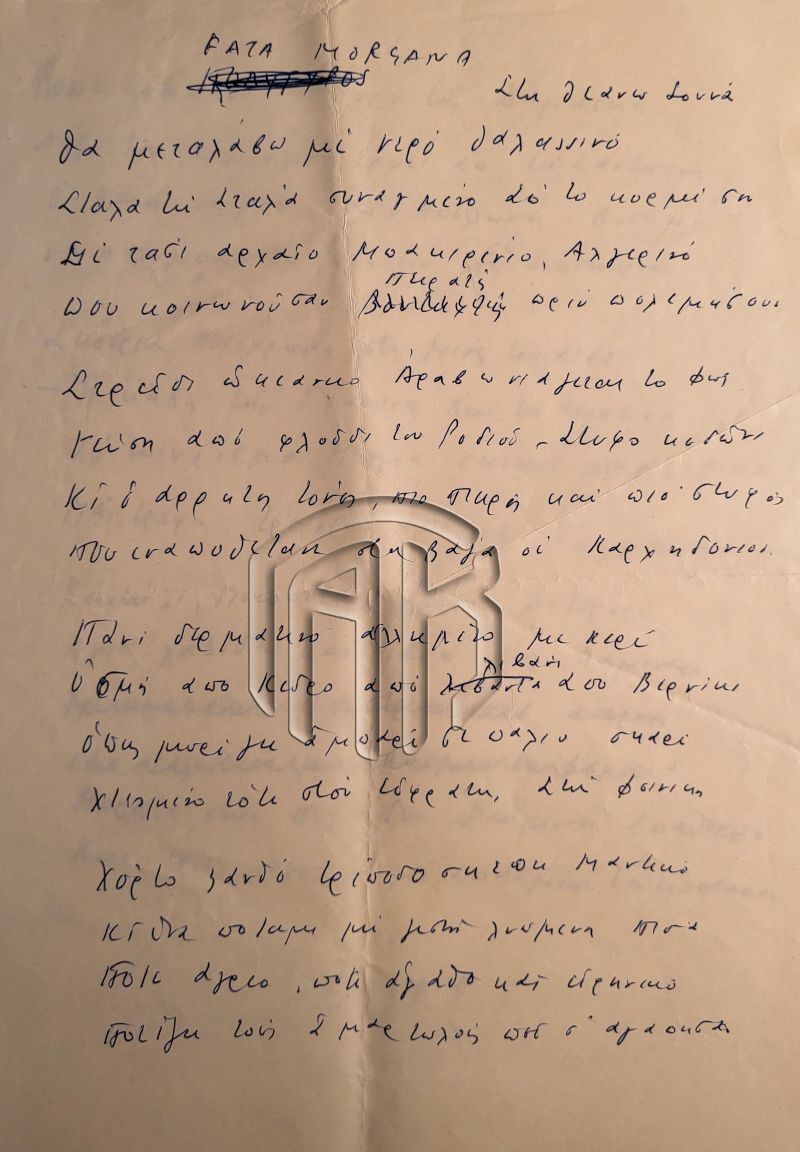
The Kavvadias Archives preserve hundreds of manuscripts containing both well-known and lesser-known poems and prose works by the poet himself. It also contains manuscripts by other poets, such as C.P. Cavafy, Tellos Agras, Mitsos Papanikolaou, Myrtiotissa, Napoleon Lapathiotis, Galazis, and others. A notable example is the artistic identity of Yannis Tsarouchis. It also includes correspondence with his family and an additional 180 correspondents, among whom are: Giorgos Seferis, Stratis Tsirkas, M. Karagatsis, Nikos Kazantzakis, Eleni Kazantzakis, Dimitris Horn, Giorgos Theotokas, Aimilios Veakis, Myrtiotissa, Markos Avgeris, Mitsos Papanikolaou, Caesar Emmanuel, Angelos Sikelianos, Melpo Axioti, Giorgos Kotzioulas, K. Karthaios, Pavlos Nirvanas, Andreas Karantonis, Mimis Traiforos, Giannis Tsarouchis, Kimon Fryer, Dinos Christianopoulos, Takis Papatsonis, Timos Malanos, Alexandros Baras, Napoleon Lapathiotis, Glafkos Alithersis, Periklis Triantafyllou, Ilias Petropoulos, Emilia Ivou, and others.
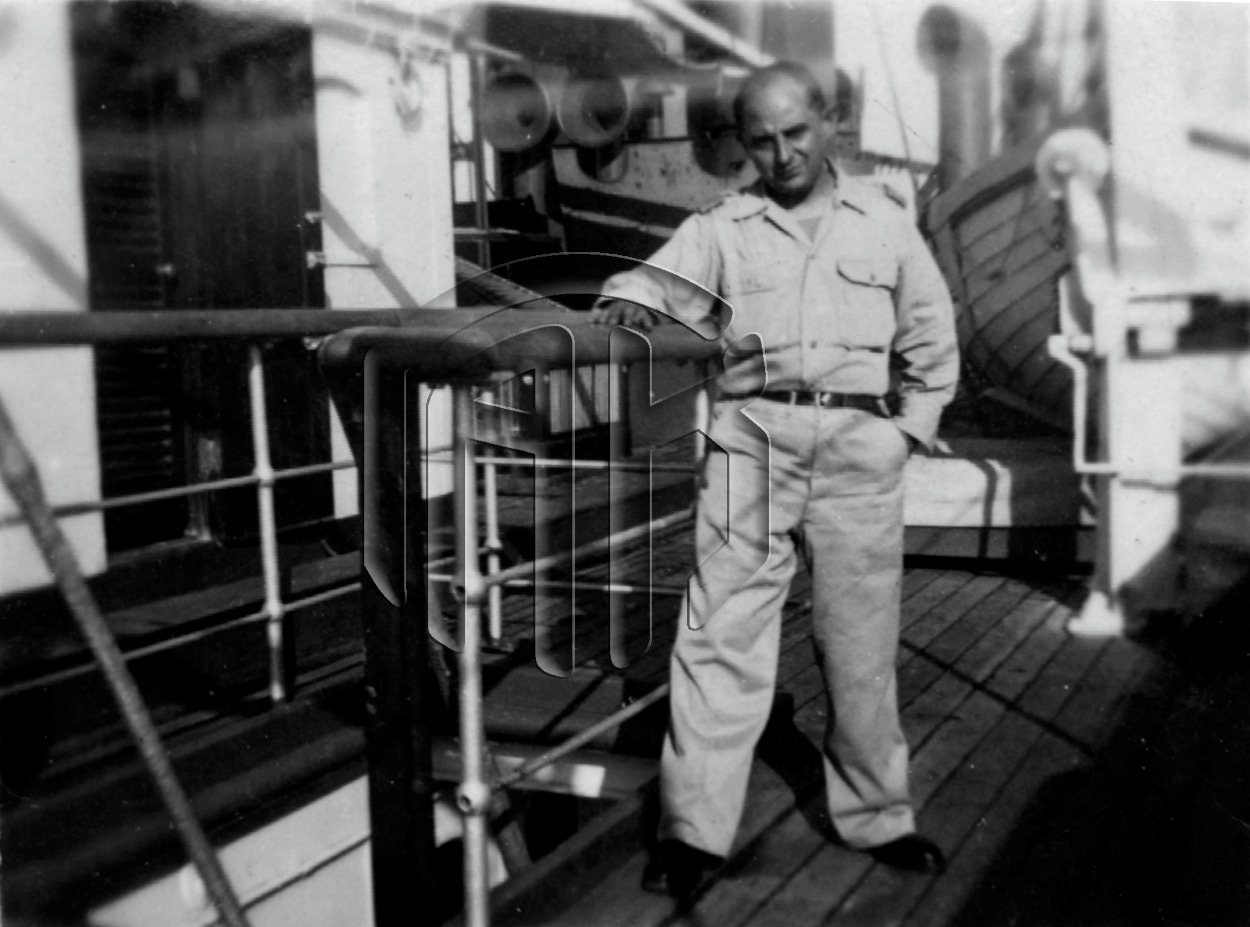
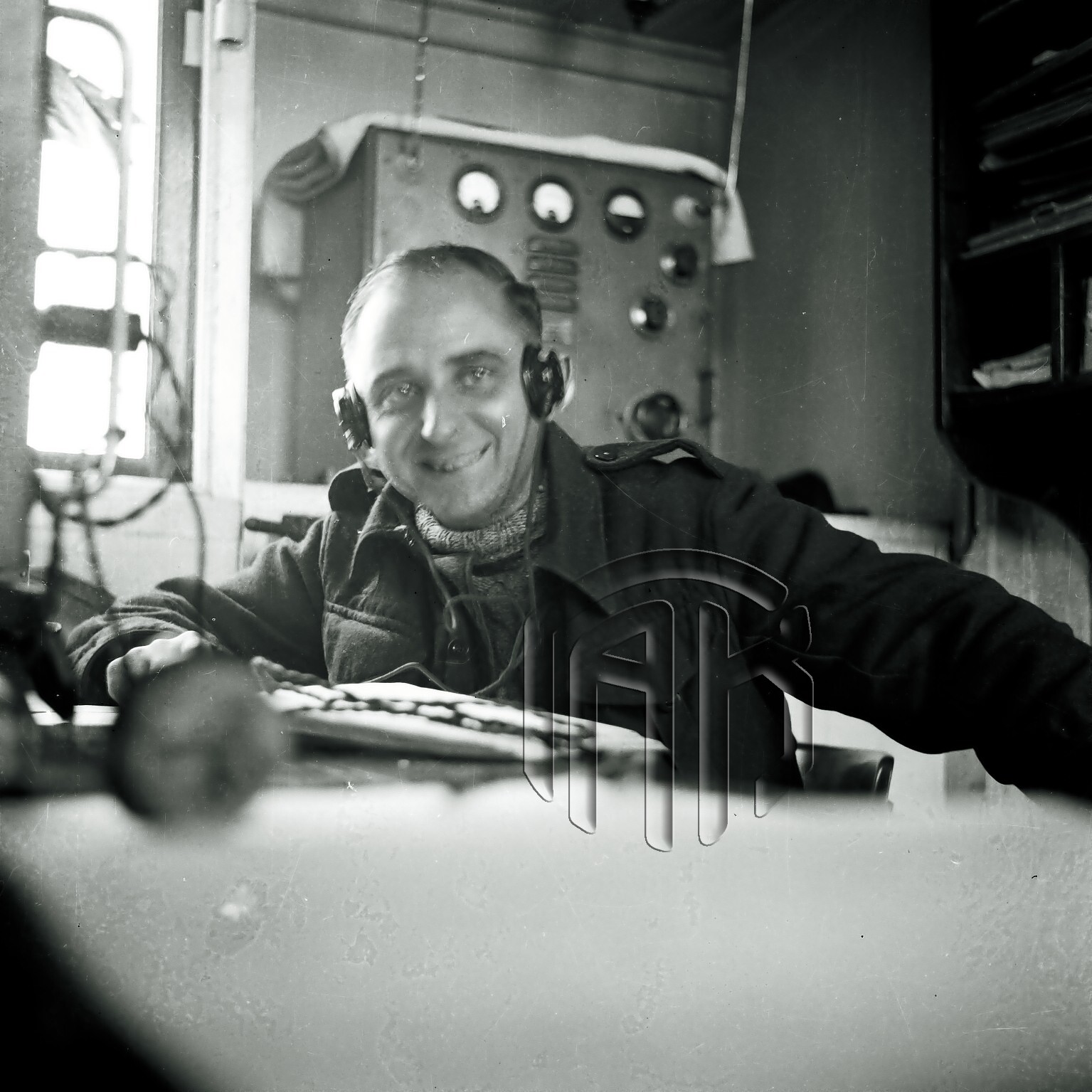
A special place is held by the extensive collection of hundreds of photographs—many of which have never been published—that chronicle his life from childhood onward, as well as works of art by prominent painters, printmakers, and sculptors.
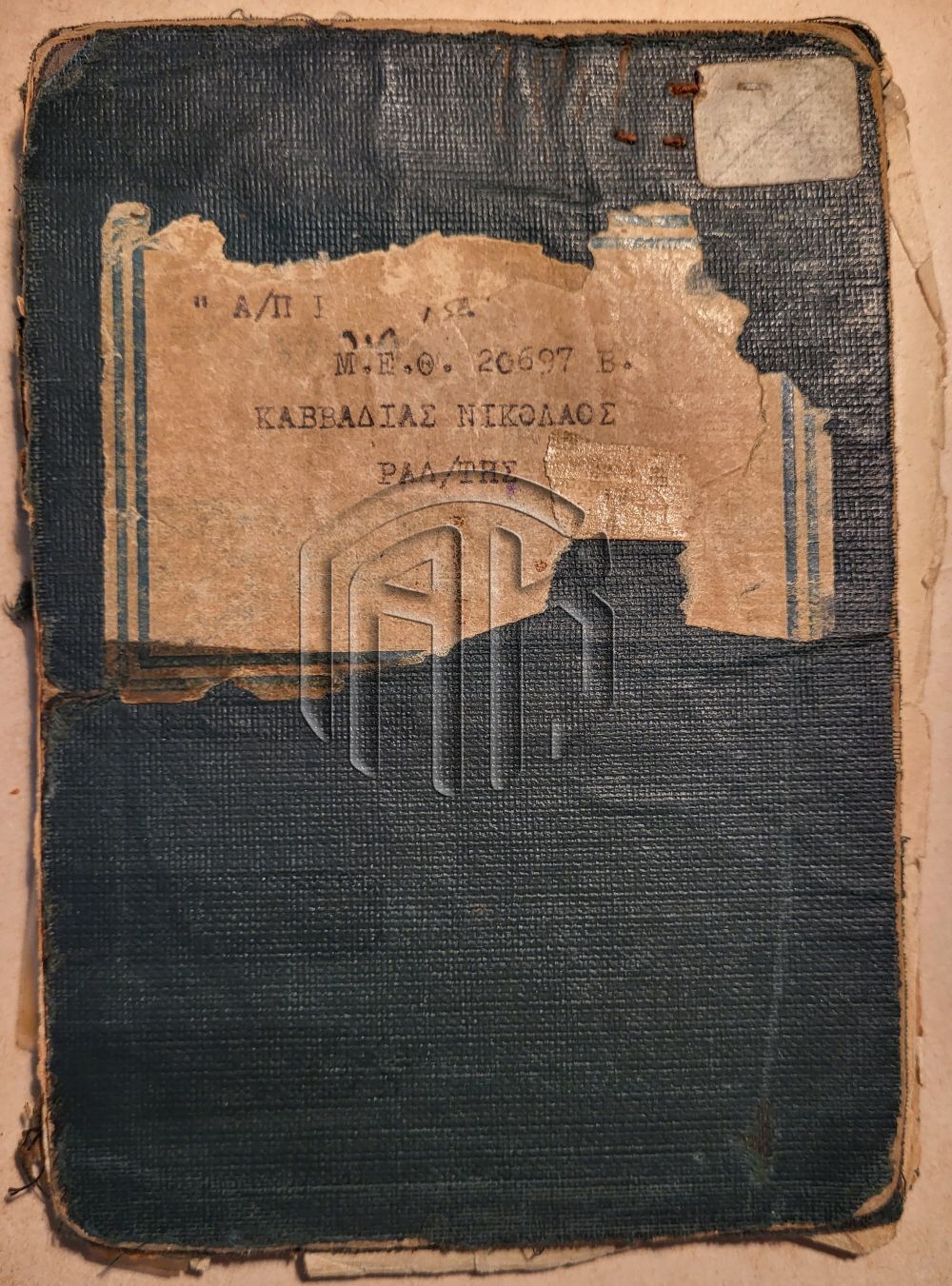
The archive also includes his nautical logs, professional documents, notebooks, planners, clippings, magazines, newspapers, vinyl records, gramophone records, and cassettes containing his own recordings.
The archive’s presentation is enhanced by a number of personal items, such as radio components, binoculars, a razor, a sailor’s hat, suitcases, a metal trunk, lamps, souvenirs, and more, as well as various pieces of furniture, including his desk. These items will be displayed in a specially designed area at the Central Office of the GSA.


Leave A Comment