The temporary exhibitions at the Archaeological Museum of Heraklion, along with their accompanying events, offer opportunities to view the world from a different perspective. Their curatorial approach is not limited to presenting unknown or underappreciated works of art of outstanding significance. It aims to leave behind a legacy of images, knowledge, and questions that will stay with us for many years to come.
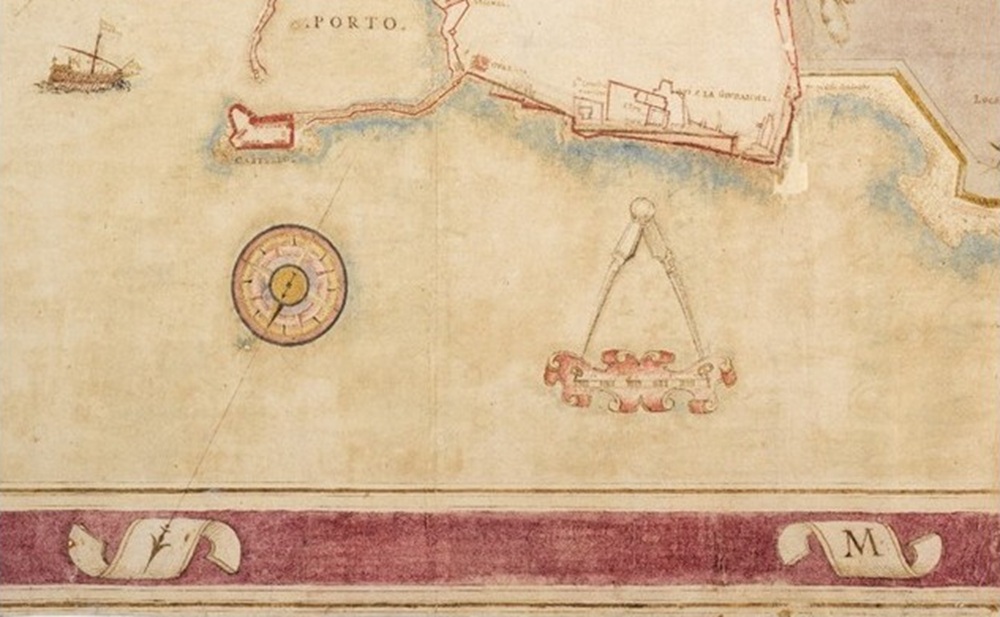
Crete, as depicted in historical cartography from the 16th through the 18th centuries, is illustrated by maps, each of which, in turn, tells the story of the works and lives of its people. Through the dynamic relationship between cartographers and the world they were called upon to depict—from topography, the natural and human-made environments, the inhabitants, the myths, and the history of the island to the universe itself— the artistic creation of maps has emerged, for more than three centuries, as a field of science, experimentation, lived experience, political propaganda, questioning of reality, and utopian thought.
The “Semantics Workshop,” organized by the Heraklion Archaeological Museum and the Department of Architectural Engineering at the Technical University of Crete, aims to explore this fascinating journey. The one-day workshop aims to analyze the morphological, mythological, spatial, and cultural data in general that were depicted on the historical maps of the exhibition “In the Middle of the World. Crete in European Cartography from the 16th to the 18th Century: Representations and Identities.” It also aims to reinterpret the values conveyed by the maps through contemporary visual compositions that are often capable of creating new, dynamic artifacts.
The workshop’s field of inquiry will focus on the interconnection between place and cartography, the relationship between territories and politics and the economy, between ideologies and myth, as well as between the island of Candia and the city of Candia.
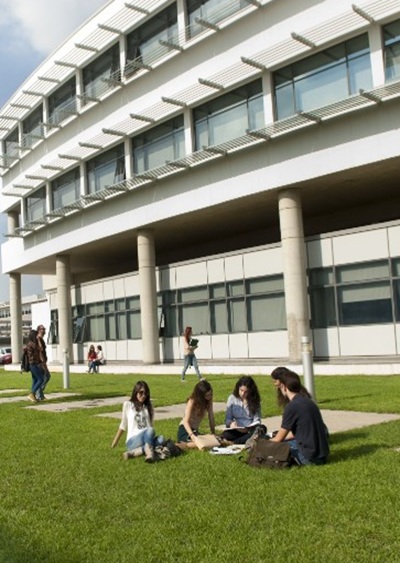
Working Group: 35 students from the School of Architectural Engineering at the Technical University of Crete (supervising professor: Nikos Skoutelis).
Location: Archaeological Museum of Heraklion, Lecture Hall
Date: Saturday, November 21, 2026, 10:00 a.m.–8:00 p.m.
Public admission & presentation of the workshop results: 6:00–8:00 p.m.



Leave A Comment