
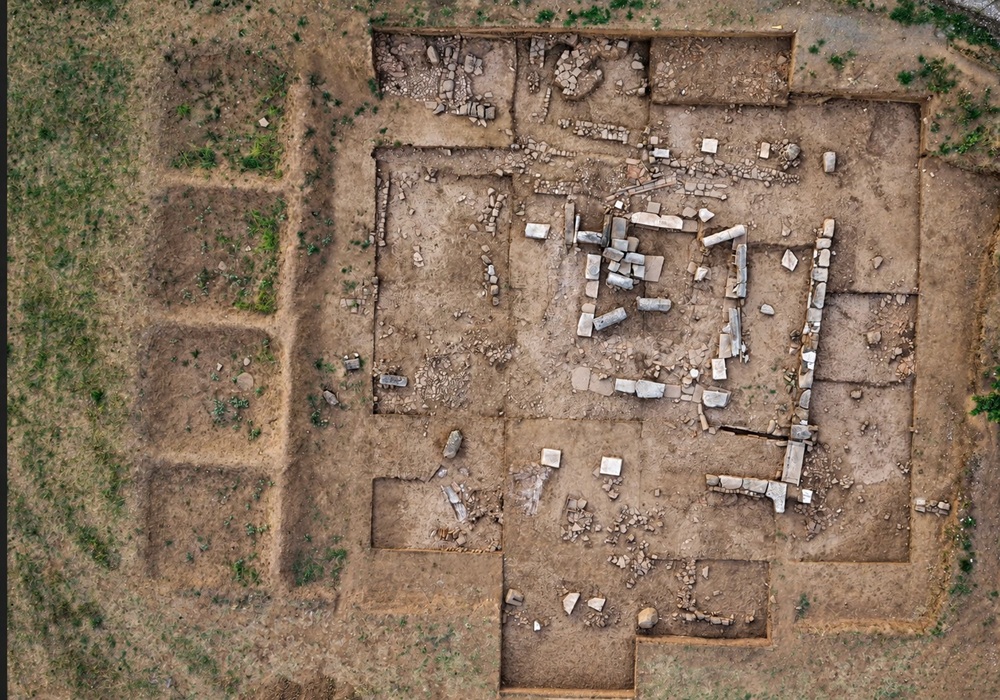
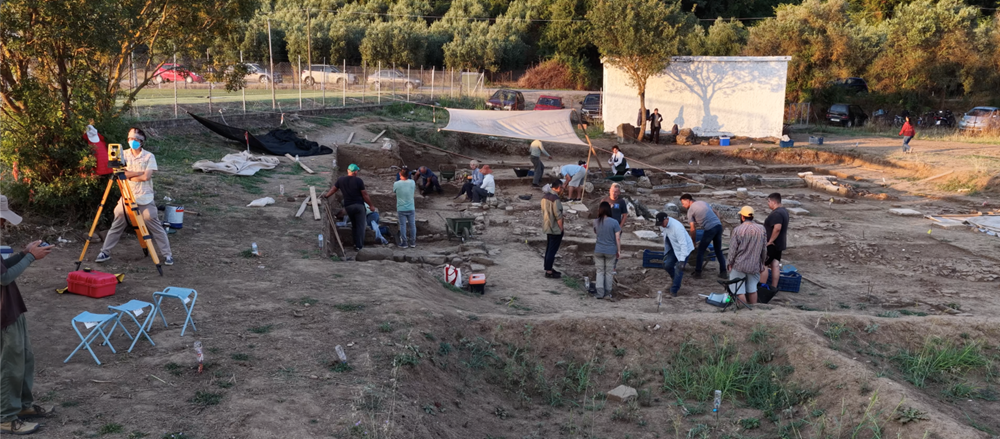
In July 2026, the first excavation season of the systematic archaeological survey at Angelokastro in Aetolia-Acarnania was completed; the survey is being conducted by the Ministry of Culture, in collaboration with the Chinese School of Classical Studies in Athens and the Ephorate of Antiquities of Aetolia-Acarnania and Lefkada.
The research is part of a five-year program (2026–2030), aimed at the systematic investigation of the ancient settlement of Arsinoe, the study of its urban and settlement layout, and the significant architectural remains at the site. The program is directed by Dr. Olympia Vikatou, Secretary General of the Ministry of Culture, while Dr. Li Xinwei, Director of the Chinese School, serves as the lead representative on behalf of the Chinese School.
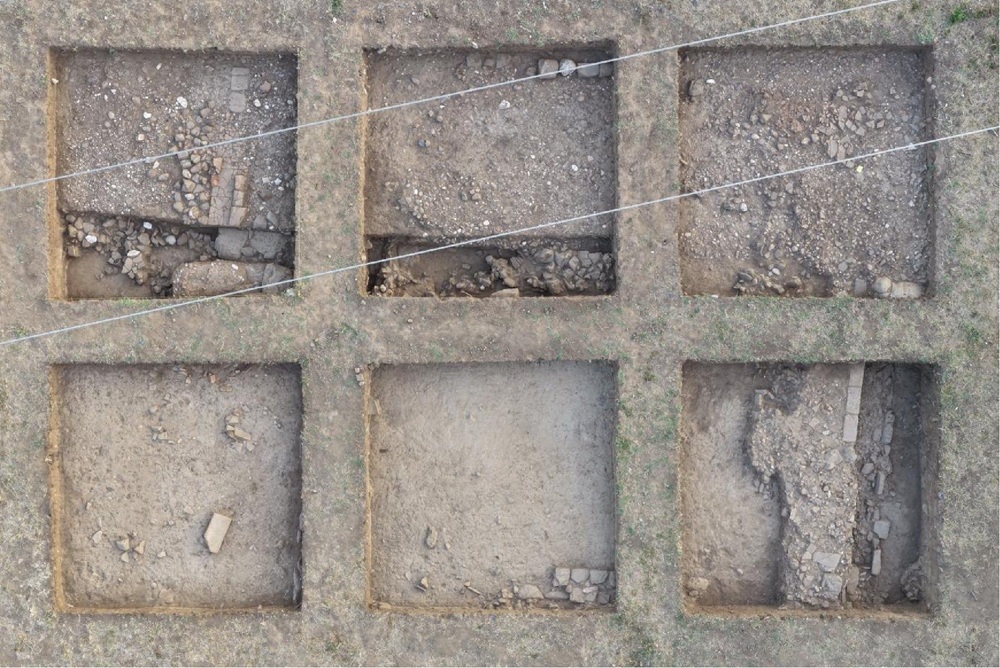
The excavation took place at the “Kakavaria” site, where architectural remains of ancient Arsinoe had previously been uncovered. This year’s research focused on expanding the earlier excavation, investigating and documenting the remains, and searching for new evidence regarding the layout of the ancient settlement.
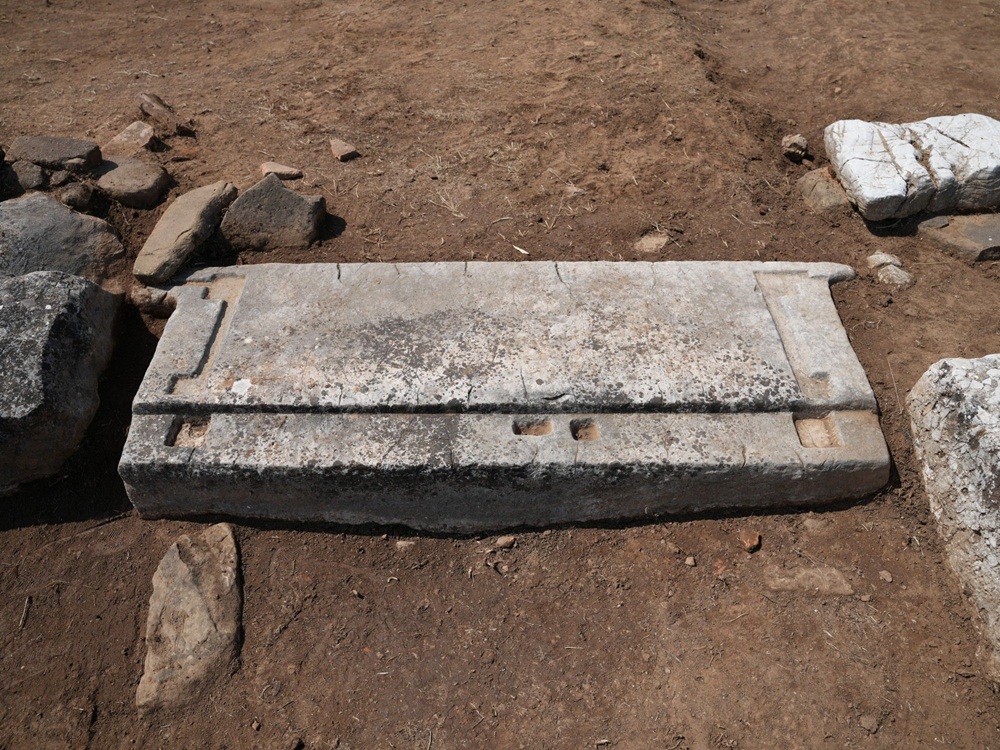
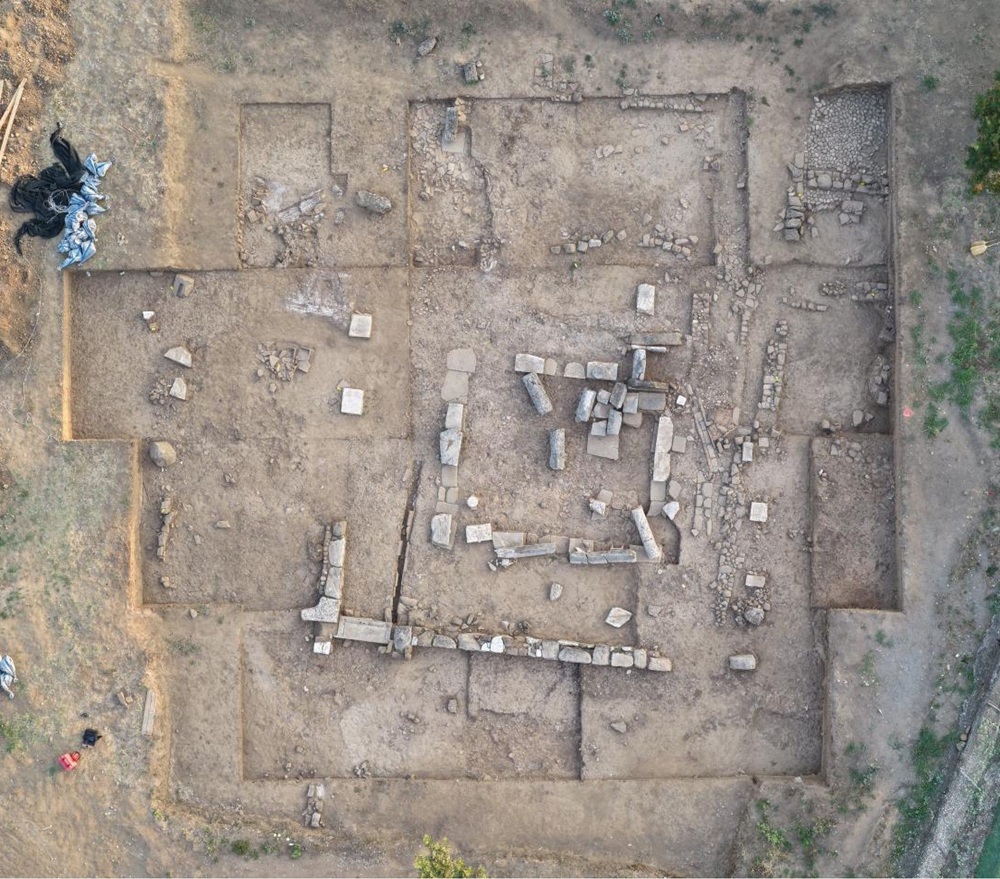
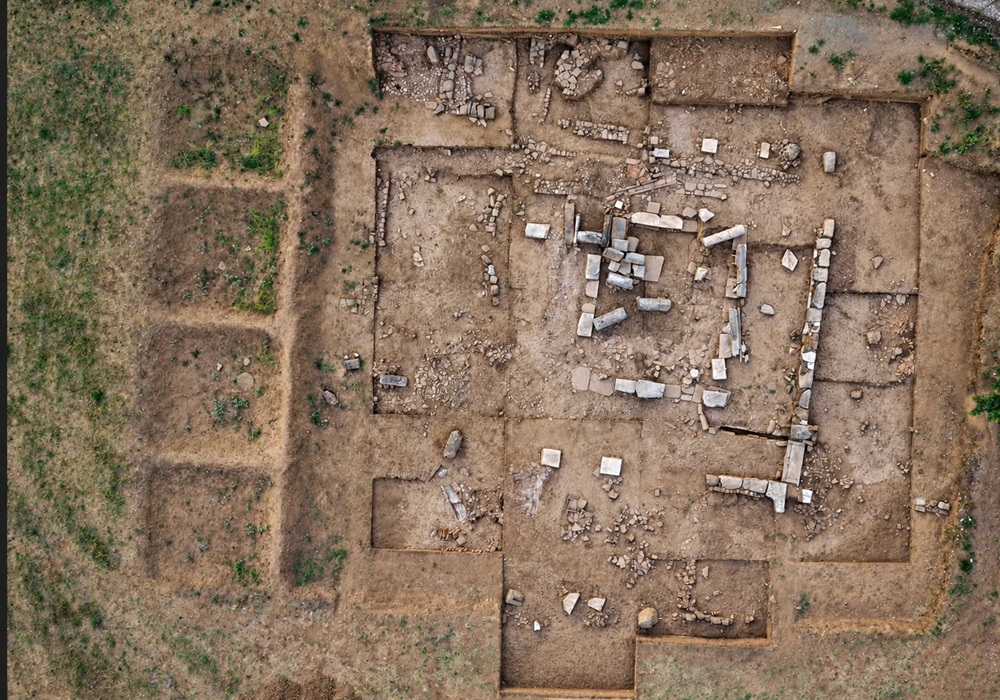
Of particular interest was the investigation of an important building, parts of which had been excavated in the past by archaeologist Lazaros Kolonas. The new findings indicate that this was a square, meticulously constructed building with a peristyle courtyard, which shows traces of alterations and successive phases of use, as well as similarities to buildings at other sites in Aetolia-Acarnania, such as Kalydona.
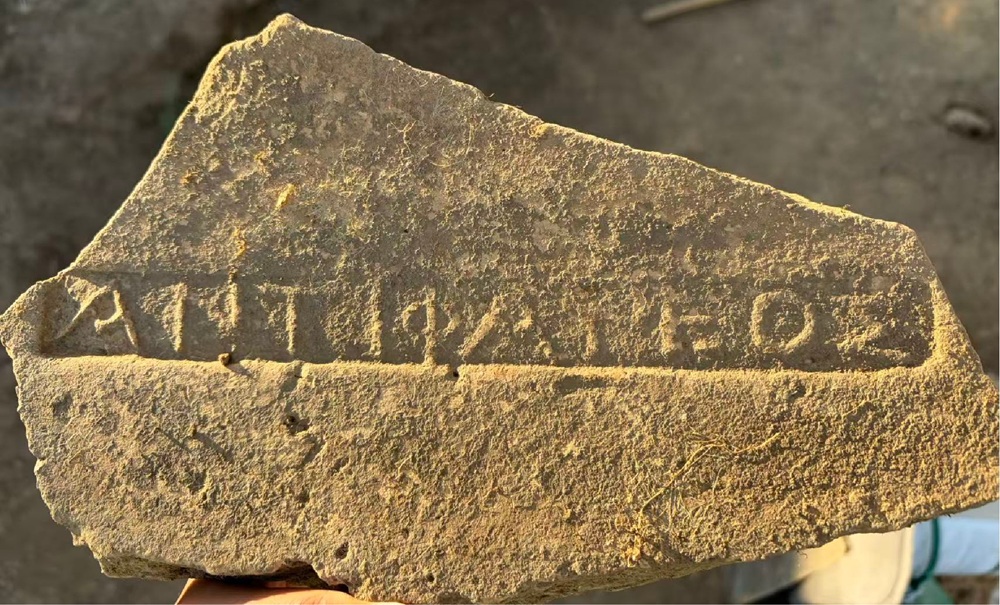
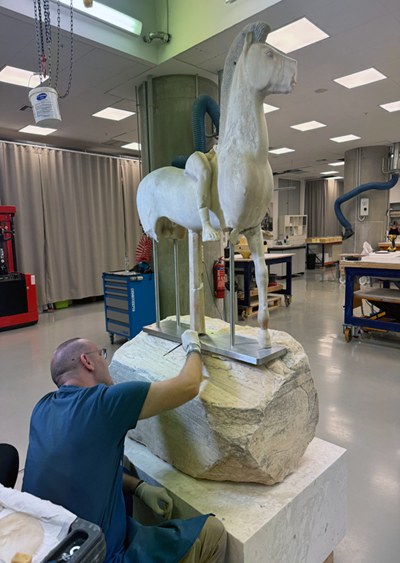
The excavation yielded significant archaeological material, including roof tiles, clay ridge tiles, pottery, bronze coins, and animal remains. The material is currently undergoing conservation and analysis, and will subsequently be identified and dated.
As part of the five-year program, plans call for the continuation of archaeological excavations, the investigation of fortification architecture, as well as the use of geophysical methods, remote sensing, surface surveys, and geoarchaeological research, with the aim of gaining a more comprehensive understanding of the urban layout, history, and development of ancient Arsinoe.
The first excavation season marks the beginning of a significant international scientific collaboration, which is expected to contribute to the promotion and deeper understanding of ancient Arsinoe, while also strengthening cooperation between Greece and China in the fields of archaeological research and cultural heritage preservation.


Leave A Comment