
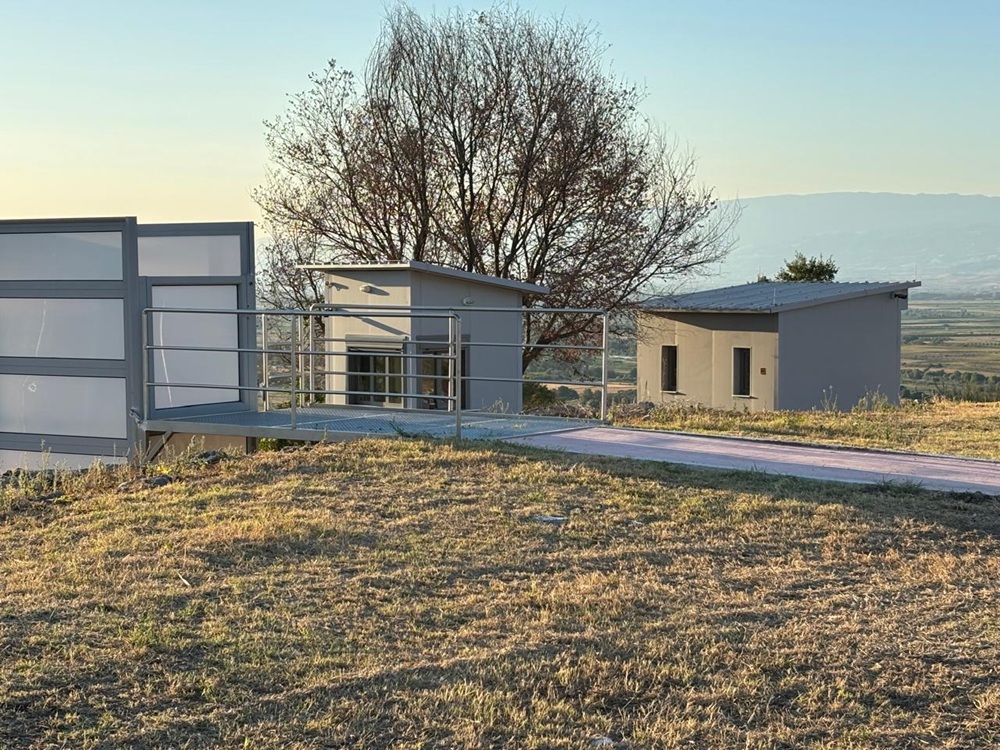
Amphipolis is entering a new phase of promotion, centered on the extensive protection, restoration, and conservation work currently underway at the Kasta Tumulus, a magnificent monument of global significance. Progress on the work at the Tumulus—the full uncovering of the monumental enclosure, the reinstallation of the marble door of the Macedonian tomb, the completion of flood protection measures, and the start of construction on the museum building—are creating the conditions for its opening to the public in 2028. At the same time, a broader strategic plan for the comprehensive upgrading of the Amphipolis archaeological site is being systematically implemented at the site.
Kasta Tumulus
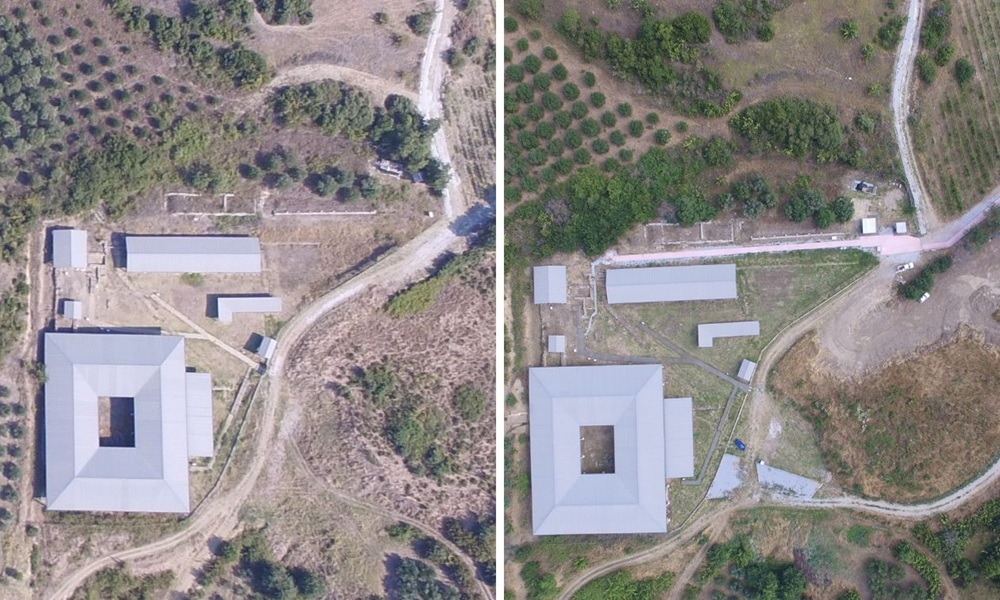
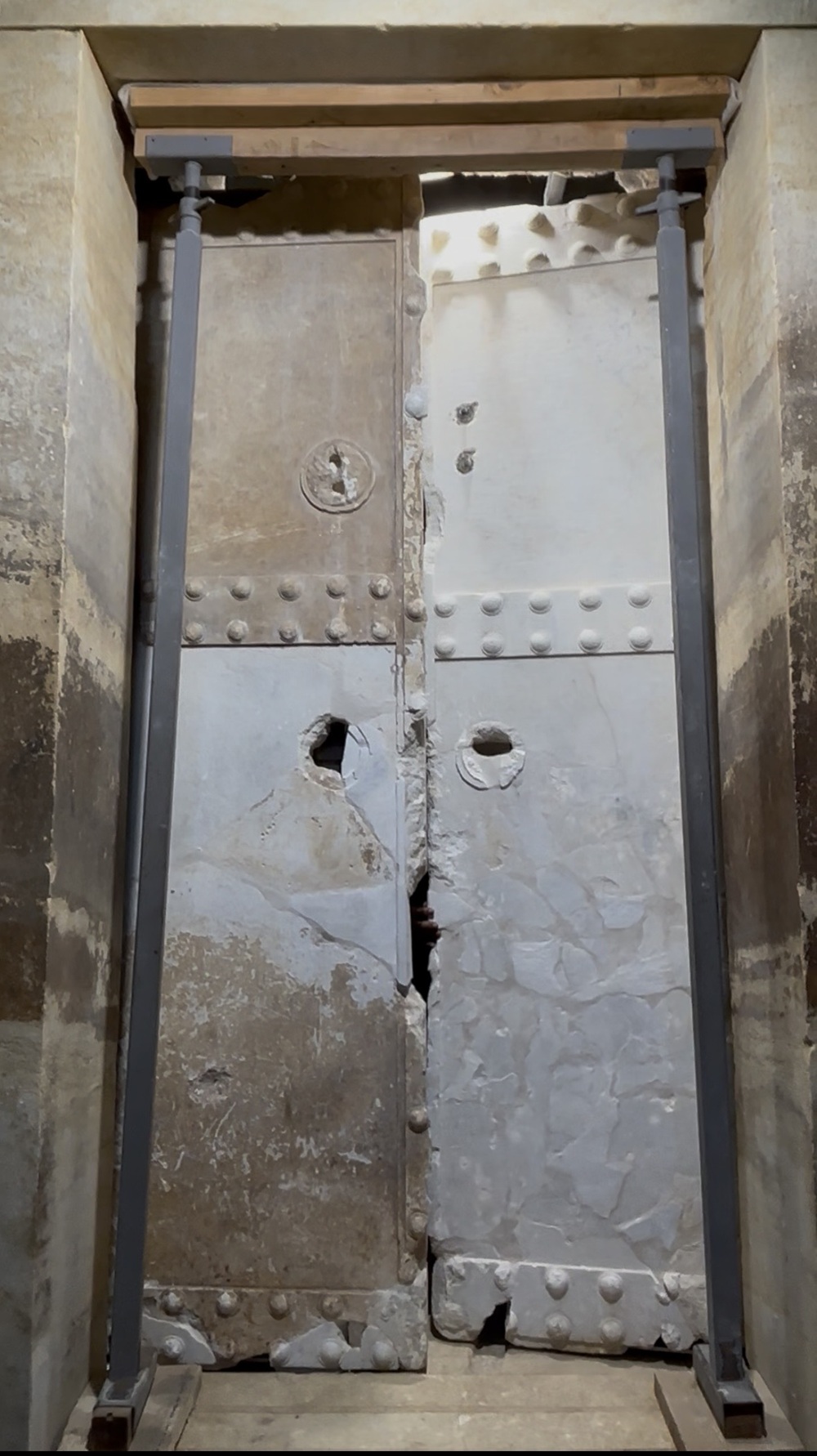
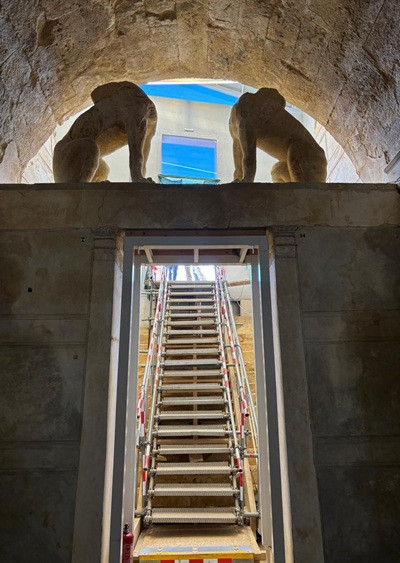
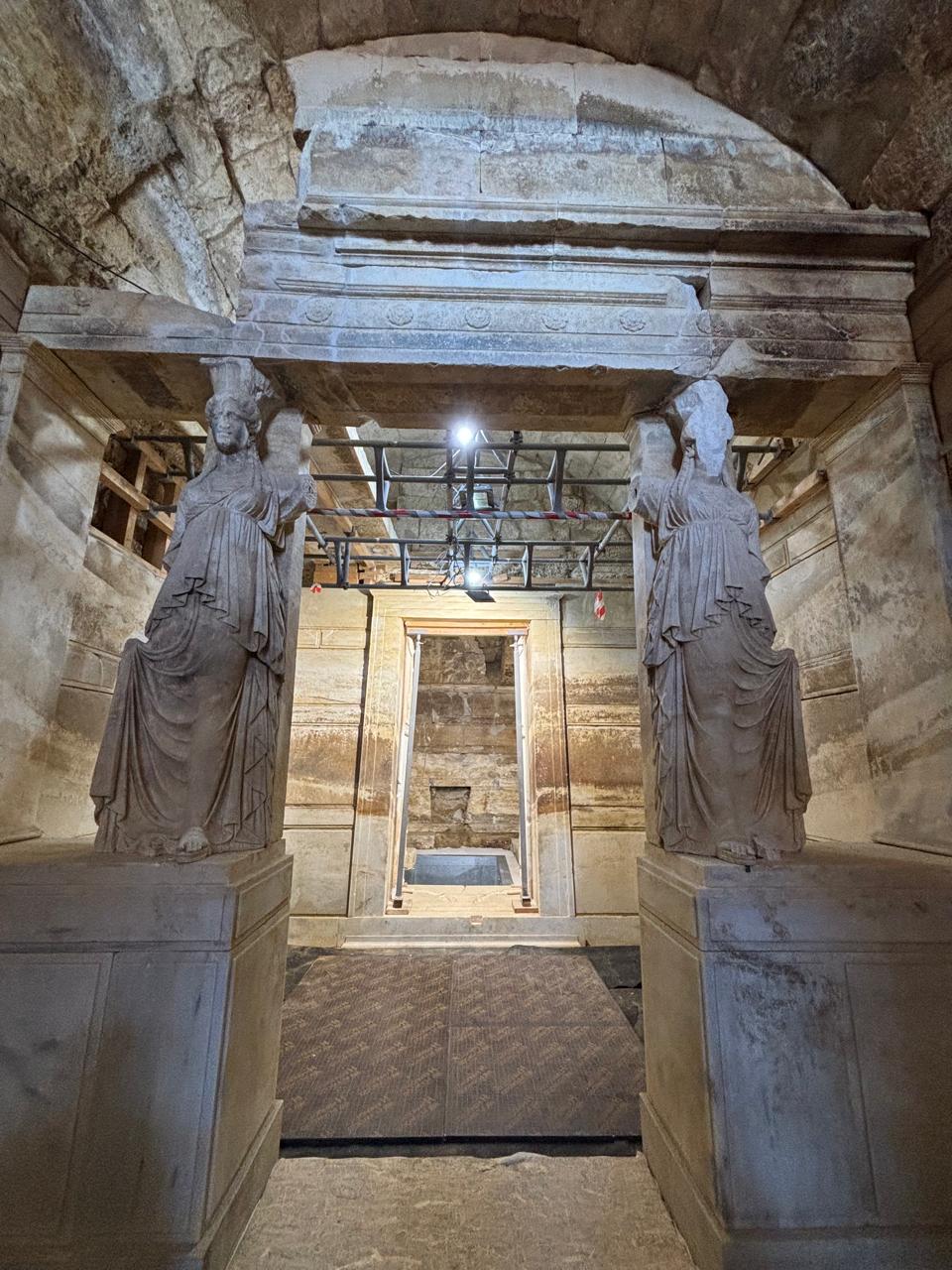
At the Kasta Tumulus, the excavation of the entire 497-meter-long marble enclosure has now been completed, as has the restoration of the original geometry of the tumulus and its surroundings. Work is at an advanced stage on the restoration of the southern side of the enclosure, the stabilization of the western section, and the construction of an extensive stormwater drainage system. At the burial monument, the critical stabilization and structural restoration work has been completed, and the removal of all temporary metal supports now allows for a full view of its interior. The monumental marble door has been reinstalled, and the next phase of work includes filling in gaps in the masonry, the preparation of the floor, and the finalization of the design for the staircase, so as to ensure safe visitor access without compromising the view of the monument’s original scale.
Ancient Wooden Bridge
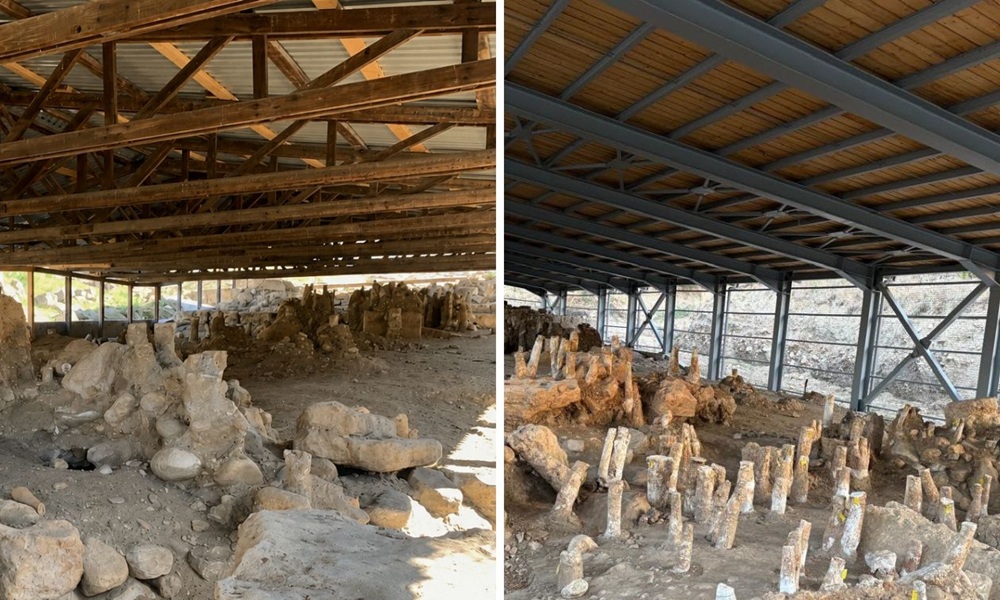
Ancient Amphipolis was protected by a 7.5-kilometer-long fortification, the northern section of which is preserved in excellent condition. In the area of the wooden bridge, a section of the wall and Gates B and C have survived, with the latter connecting directly to the bridge that, according to Thucydides, General Brasidas and the Spartans crossed during the capture of the city in 424 B.C. Gate C, the largest and strongest in ancient Amphipolis, was directly connected to the wooden bridge, which was approximately 6 m wide and constituted a key point in the city’s fortifications and communications. The excavations led by Dimitris Lazaridis in 1970, uncovered a section of the bridge extending to the present-day eastern bank of the Strymon River, featuring preserved oak wooden piles—unique remnants of the ancient structure that survived thanks to the specific conditions of the wet soil. No continuation of the bridge was found on the other side of the river, as the large-scale dredging and riverbed regulation projects of the 1930s must have completely destroyed it. Approximately one hundred posts or post holes have survived from the Classical period. Several hundred more, located slightly higher up, date to later phases of reconstruction during the Hellenistic, Roman, and Byzantine periods. Thanks to a research project involving radiocarbon dating of samples from the surviving wood, it has been established that the bridge was in continuous use from the 6th century B.C., before the Athenians founded Amphipolis. It operated continuously until the 18th century A.D.
Accessibility Improvement Routes for People with Disabilities
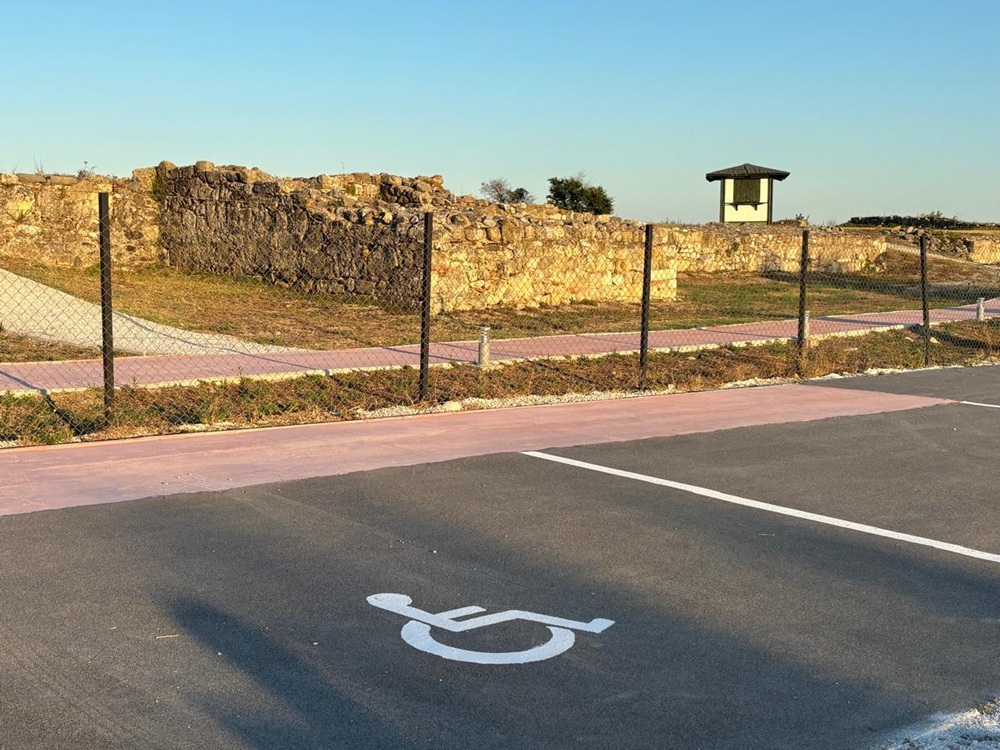
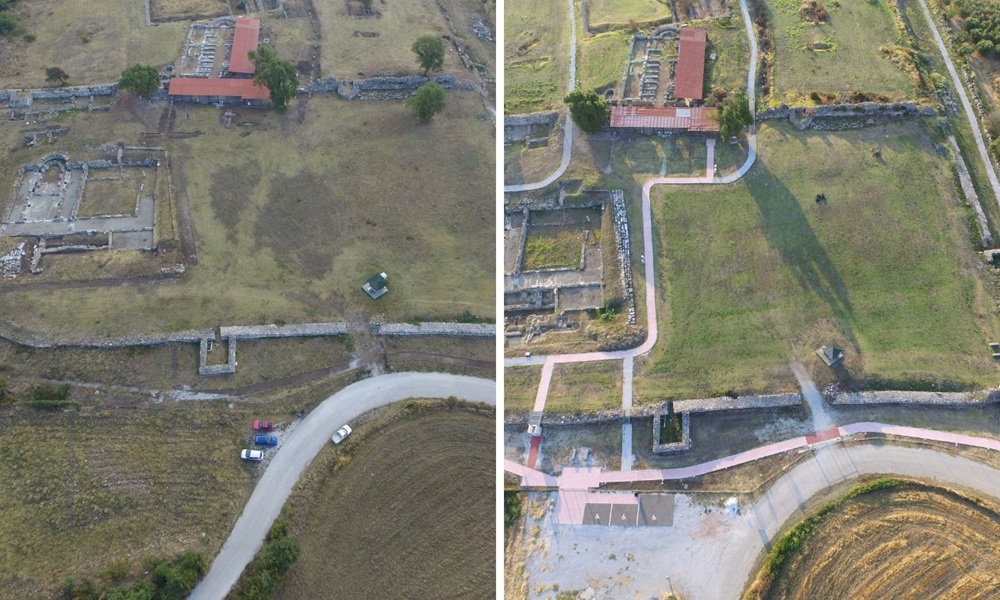
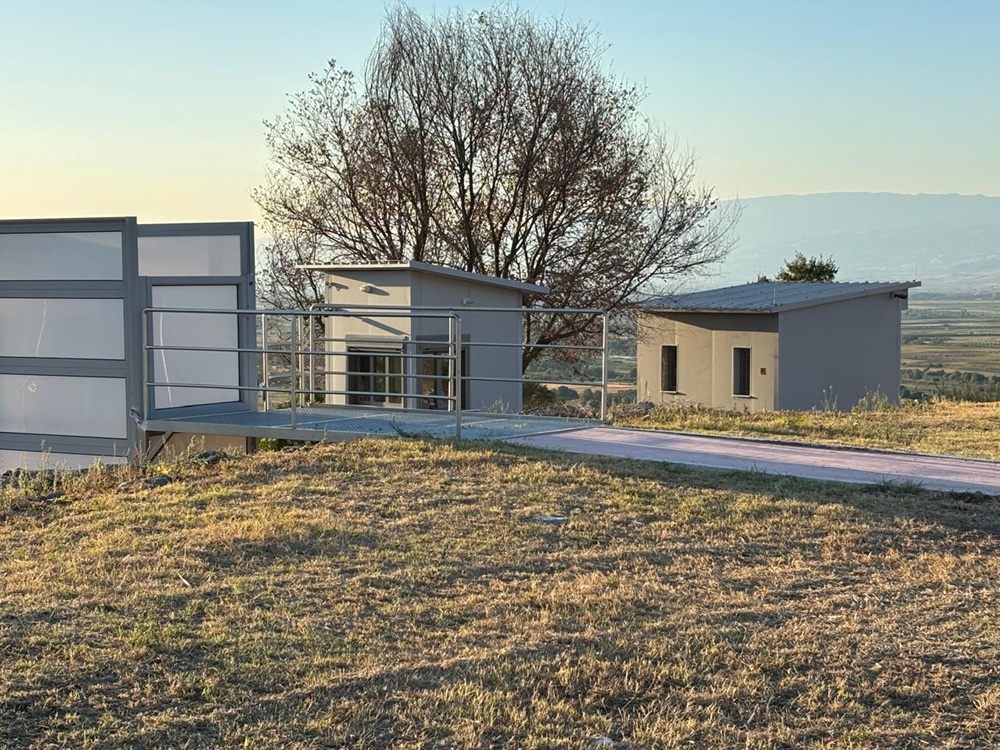
The project to improve accessibility for people with disabilities includes the creation of a route at the Acropolis of Ancient Amphipolis, making it safe and easy to tour the archaeological site, the Ancient Gymnasium, and the North Wall for people with mobility impairments and visual impairments. The improvements include the installation of an elevator for easy access to the level of the early Christian monuments, the redesign and upgrading of walkways, new visitor amenities, rest areas, signage, and improvements to facilitate access for people with disabilities and visitors with reduced mobility, in accordance with the principles of universal design. The project complements previous efforts to highlight the early Christian basilicas and the Acropolis fortifications, which were carried out through the INTERREG program, making the site more functional, safe, and accessible to all.


Leave A Comment