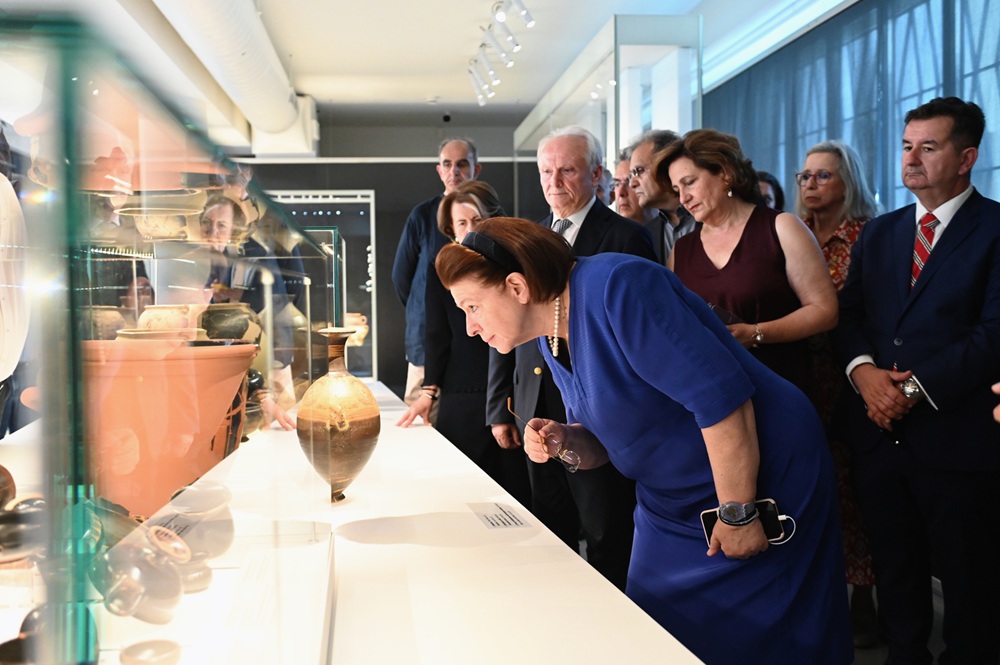
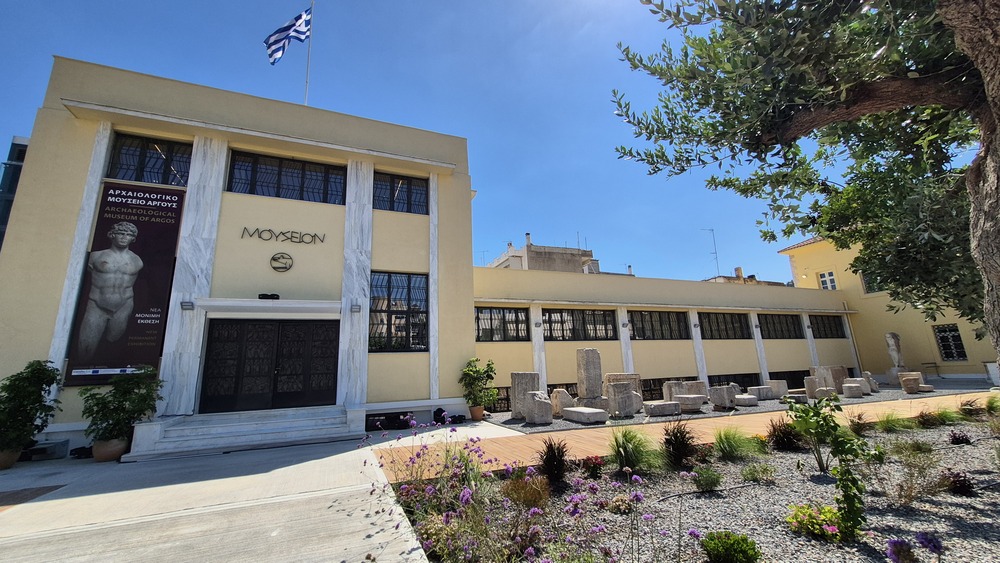
The Minister of Culture, Lina Mendoni, inaugurated the renovated Archaeological Museum of Argos, providing residents and visitors to the region with a premier cultural attraction.
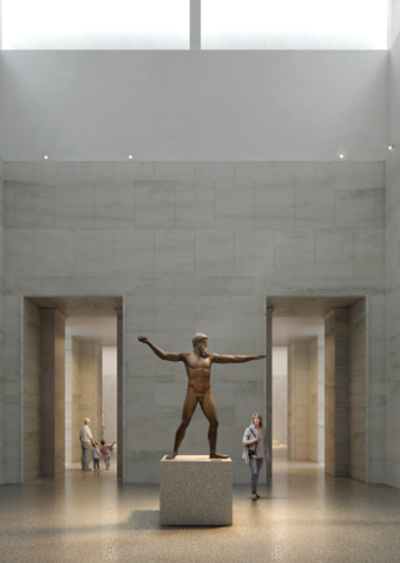
The museum, which had been closed since 2014, reopened its doors, fully modernized, following a complex project involving building expansion and curatorial upgrades, offering more than double the exhibition space, with a total area of 950 square meters, where unique and exceptionally significant finds from iconic monuments of Mycenaean civilization are on display.
Following the completion of the Archaeological Museum of Argos, the Ministry of Culture is moving forward with the completion of the museum trilogy—the Archaeological, Byzantine, and Epigraphic Museums—by organizing an exhibition of epigraphic artifacts at the Kapodistrias Barracks. At the same time, plans are underway to restore the Xenia of Mycenae, an iconic building that will be given a new lease on life and a new cultural mission.
The construction project for the Archaeological Museum of Argos was carried out by the Directorate of Studies and Projects for Museums and Cultural Buildings with funding from the Peloponnese Region’s National Strategic Reference Framework (NSRF), while the furnishing of the spaces and the installation of the exhibition were carried out by the Argolis Ephorate of Antiquities using funds from the Recovery and Resilience Fund.
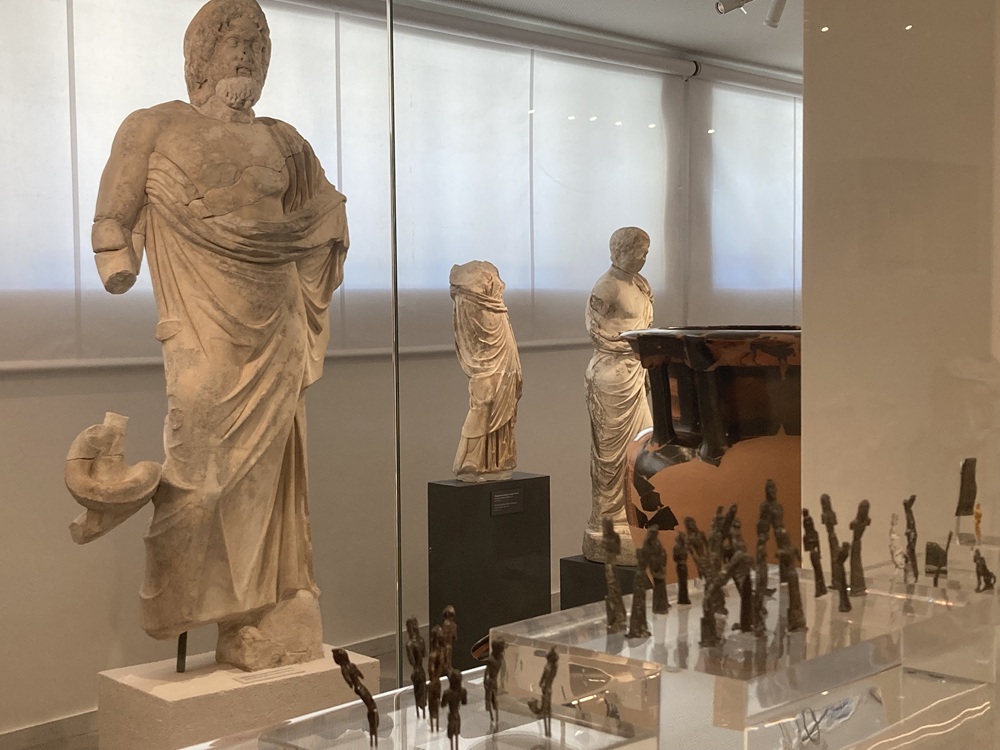
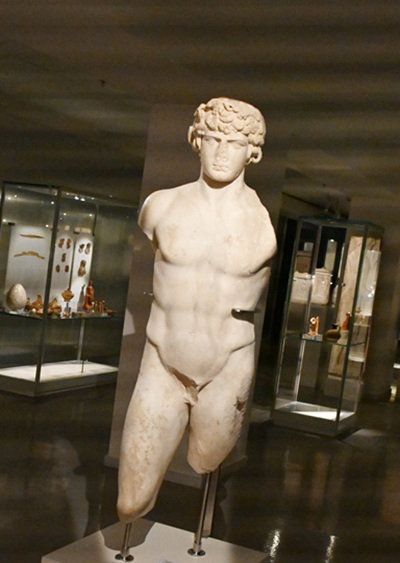
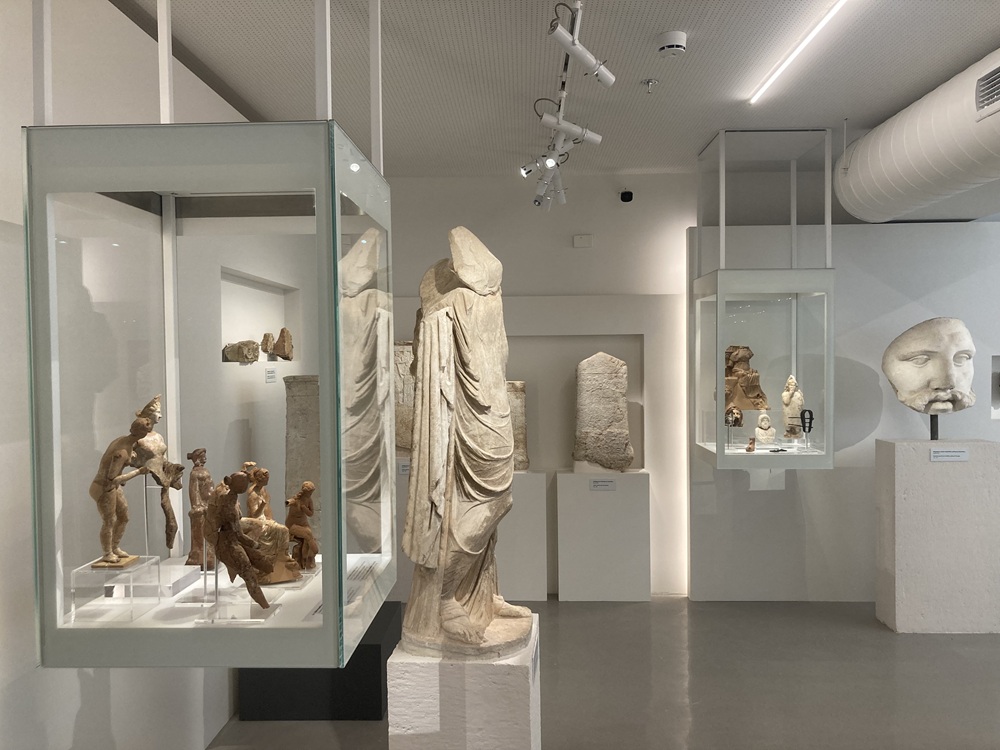
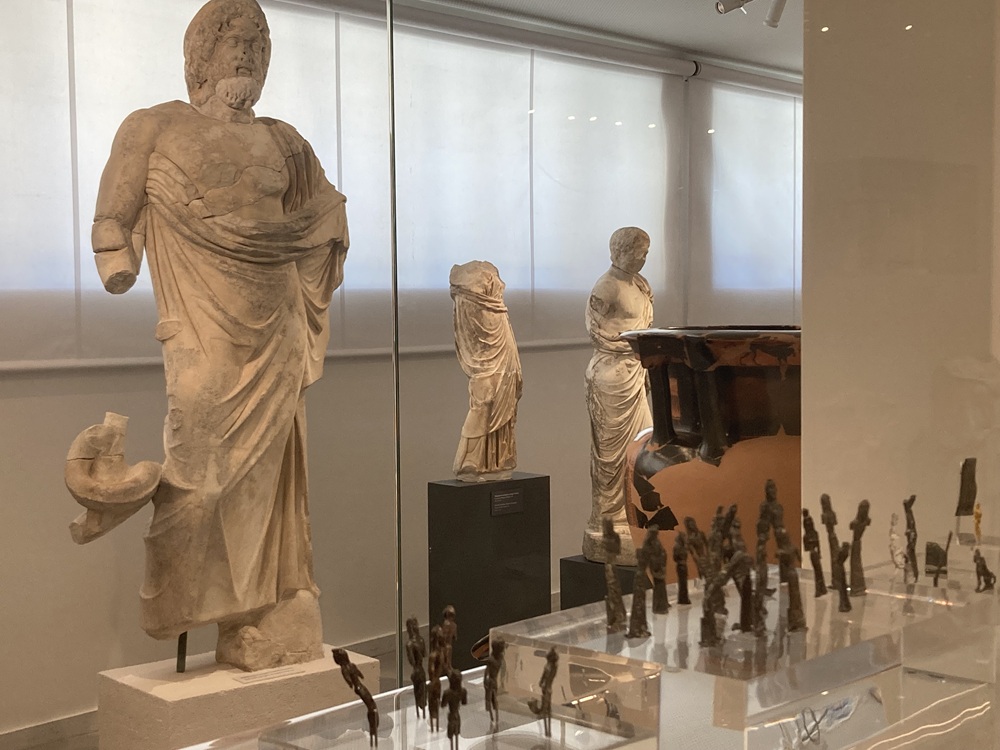
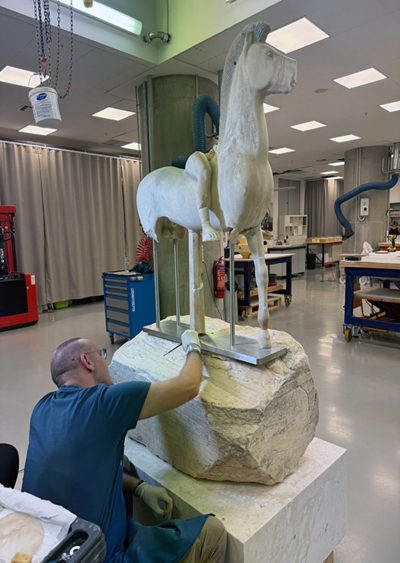
Its new, state-of-the-art galleries showcase an exceptionally rich collection of archaeological finds, many of which are on public display for the first time. The New Permanent Exhibition has moved away from the old layout of 1961 and adopted the concept of the palimpsest as its central theme, where fragments of the past creatively intertwine with the city’s present. The museum narrative is structured into nine thematic sections, beginning with an introduction to the concept of the palimpsest using digital technologies and continuing with the city’s origins, the distinction between private and public space, economic activity, the renowned local school of bronze casting, and the religious practices of the Argives. The final sections focus on the world of the dead, the archaeological description of the Argive countryside, and the prehistoric settlement of Lerna.
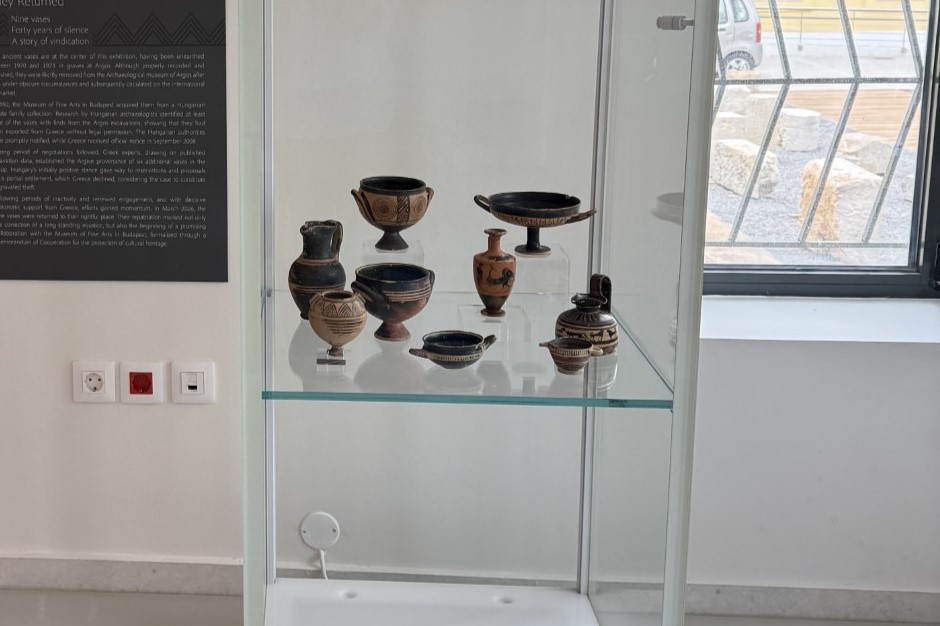
The nine ancient vases that were returned to the Argolic region from Budapest occupy a prominent place in the museum, as a result of the systematic efforts by the relevant departments of the Ministry of Culture to document and repatriate cultural property. These antiquities had been removed from the Archaeological Museum of Argos between 1970 and 1992. After many years of investigation, officials from the Ministry of Culture proved that the nine vases originated in Argolis.
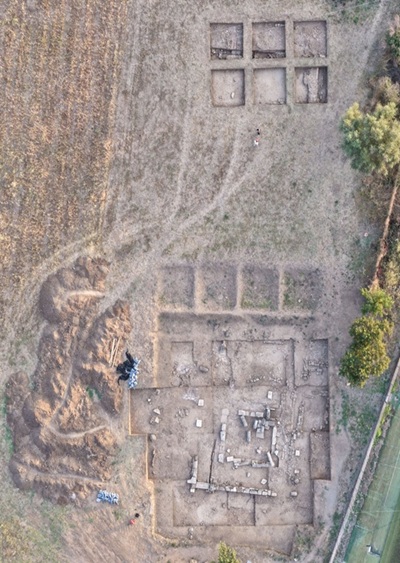
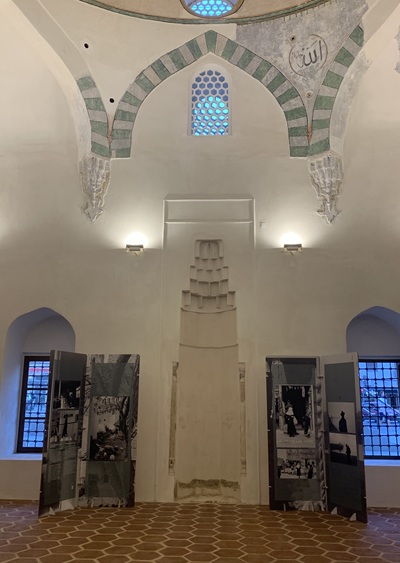
The reopening of the Archaeological Museum in the city center, in the immediate vicinity of the Byzantine Museum of Argolis and the future Epigraphic Museum, contributes to the formation of a new cultural hub. Combined with the newly designed public spaces, this creates a dynamic “museum district.” This new network serves as the urban gateway to a region of unique historical depth, as Argos forms the central hub of a world-class monumental landscape, with the neighboring site of Mycenae as its premier landmark. It is noteworthy that Argolis is the only prefecture in the country with three sites included on UNESCO’s World Heritage List, a fact that reflects the importance of its culture both for Argolis itself and for the Peloponnese as a whole.
The museum’s opening ceremony was attended by Metropolitan Nektarios of Argolis, Deputy Minister of Rural Development Yiannis Andrianos, the Regional Governor of the Peloponnese, Dimitris Ptochos; the Mayor of Argos-Mycenae, Yiannis Maltezos; the Mayor of Ermionida, Yiannis Georgopoulos; the Secretary General for Culture, Olympia Vikatou; the President of ODAP, Nikoletta Valakou; the Head of the Argolis Ephorate of Antiquities, Grigoris Grigorakakis; Konstantinos Frissiras, Head of the Directorate for the Design and Implementation of Museum and Cultural Building Projects; officials from the Ministry of Culture and Sports; and a large crowd of people.


Leave A Comment