As the 8th Loutraki International Film Festival “BRIDGES” wraps up yet another successful series of screenings, workshops, and a variety of initiatives aimed at further developing local culture and fostering its interaction with different cultural perspectives, its founder, director, screenwriter, and producer Petra Terzi speaks with Days of Art in Greece about everything we’re eager to learn.
Petra Terzi analyzes the festival’s rationale behind its curatorial choices, the parallel events of the Cineart International Short Film Festival, and the VR screenings, while sending a message to young filmmakers ahead of the upcoming presentation of the “NEREUS.” awards.
Days of Art in Greece: This year’s festival features 90 films from 26 countries, with many filmmakers in attendance. What was the main focus of your curatorial selections, and how did you manage to bridge the gap between international productions and local contributions?
Petra Terzi: The main focus of our selections was the power of storytelling and the human experience. We sought out films that transcend geographical boundaries and engage with global issues such as identity, memory, resilience, human rights, and social change. The festival’s name is “BRIDGES,” and that is precisely what we aim to do: to foster dialogue between different cultures, cinematic languages, and creative approaches.
International filmmakers are connected with local participants through joint screenings, discussions, workshops, and networking. We do not view local and international cinema as two separate worlds, but as parts of the same creative community. When a young filmmaker from Greece meets a director from Egypt, Spain, or Canada, new ideas, collaborations, and perspectives emerge.
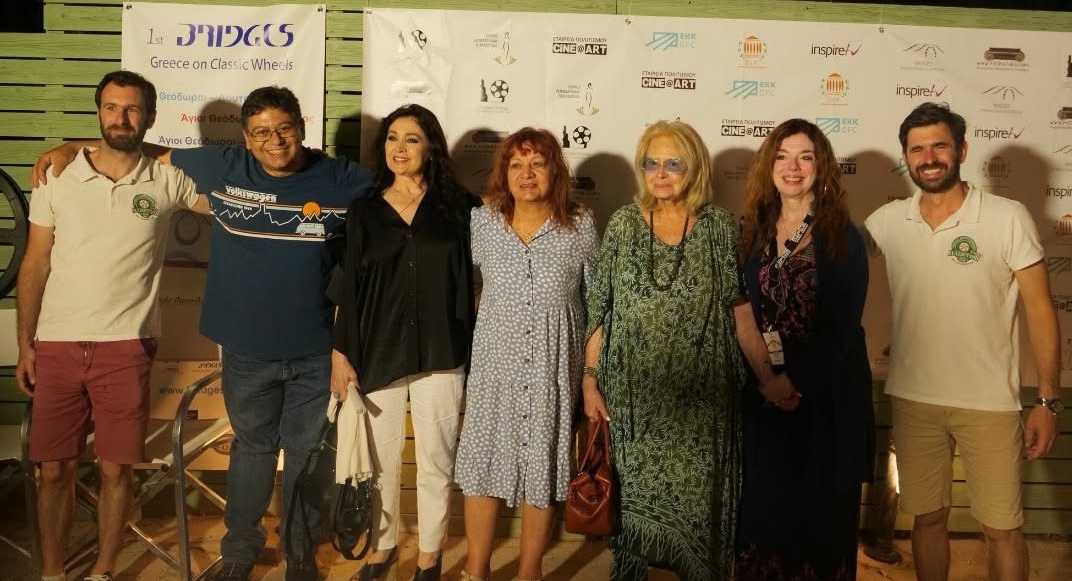
Efthymios Dritsas, Ilias Malandris, Georgia Anesti, Mary Razi, Alexandra Ladikou, Petra Terzi, Alkiviadis Dritsas
D.A.: What is the goal behind incorporating initiatives such as the Cineart International Short Film Festival, pitching and networking events, and educational seminars?
P.T.: I believe that a modern festival should not only be a venue for screening films but also a place for creating opportunities. The Cineart International Short Film Festival provides a platform for new voices and independent filmmakers. The pitching and networking events help turn ideas into actual projects by bringing together directors, producers, investors, and industry professionals.
Training seminars, on the other hand, are an investment in the future. We want to strengthen knowledge, share experience, and nurture a new generation of creators who will be able to make their mark both in Greece and internationally. A healthy audiovisual ecosystem is built through collaboration, education, and the exchange of experiences.
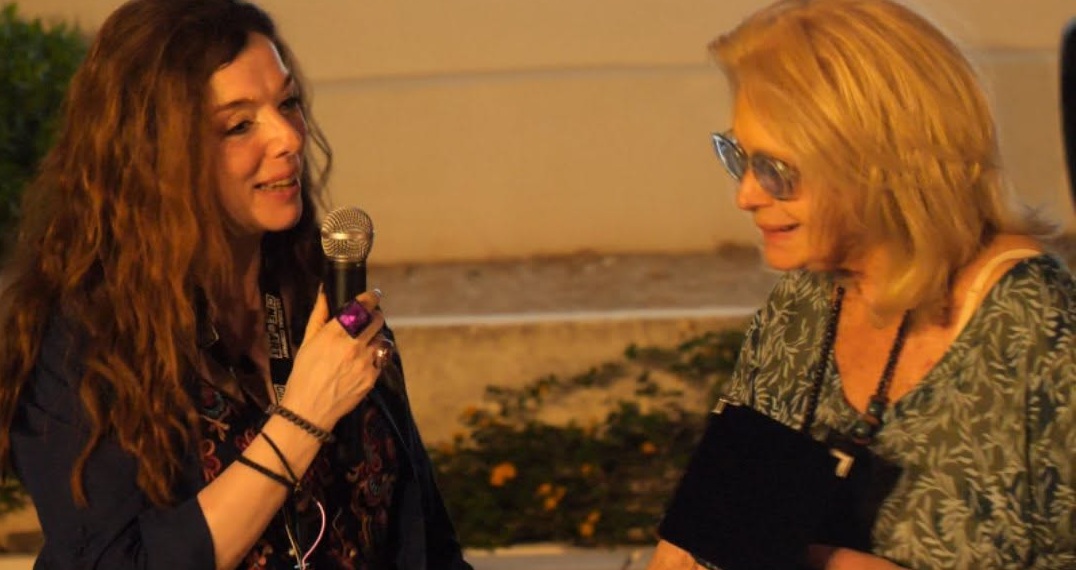
From the honorary award ceremony for Alexandra Ladikou
D.A.: There is a strong focus on parallel exhibitions and VR screenings at Beau Rivage. How do you think these alternative forms of storytelling change the viewer’s experience?
P.T.: Art is constantly evolving, and with it, the way we tell stories. Art exhibitions and virtual reality experiences do not replace cinema; they expand upon it. The viewer is no longer just an observer but often becomes an active participant.
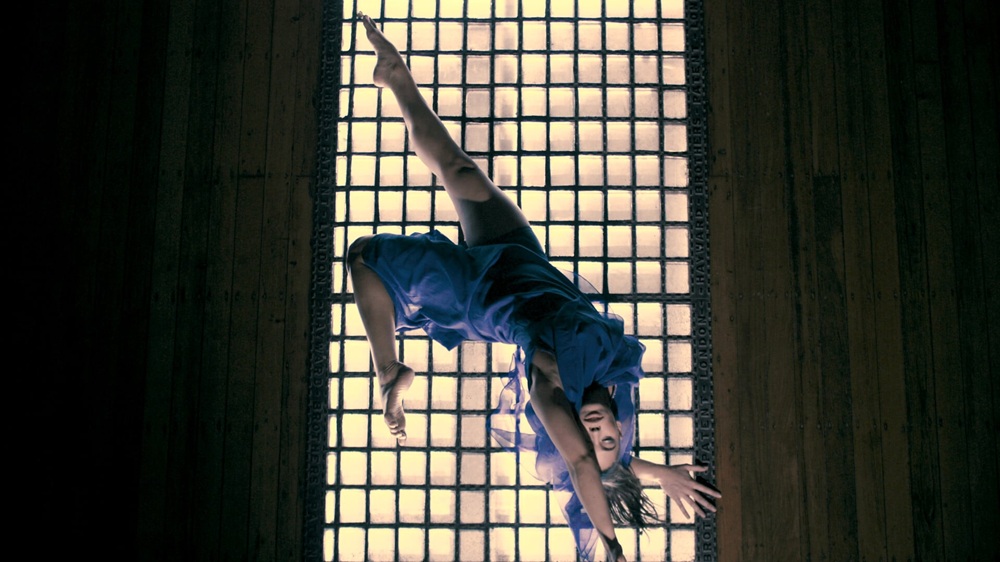
Younger generations, in particular, are familiar with interactive environments and new technologies. Through VR, they can experience a story from the inside, while visual installations create a different kind of dialogue with images and emotions. The focus remains on storytelling, but the tools are evolving and opening up new avenues for creative expression.
D.A.: Kicking off with “1st BRIDGES – Greece Classic on Wheels” creates a special connection between cinema and cultural heritage. How did this idea come about?
P.T.: The idea was born out of our desire to highlight cinema’s relationship with the history, memory, and aesthetics of each era. Classic cars are not merely vehicles; they are living cultural artifacts that have played leading roles in countless cinematic narratives.
The route from Agioi Theodoroi to Loutraki also symbolizes the connection between different places and communities. “Greece Classic on Wheels” functions as an open-air museum that reminds us that cinema does not exist solely on the screen, but engages with architecture, landscape, technology, and cultural heritage.
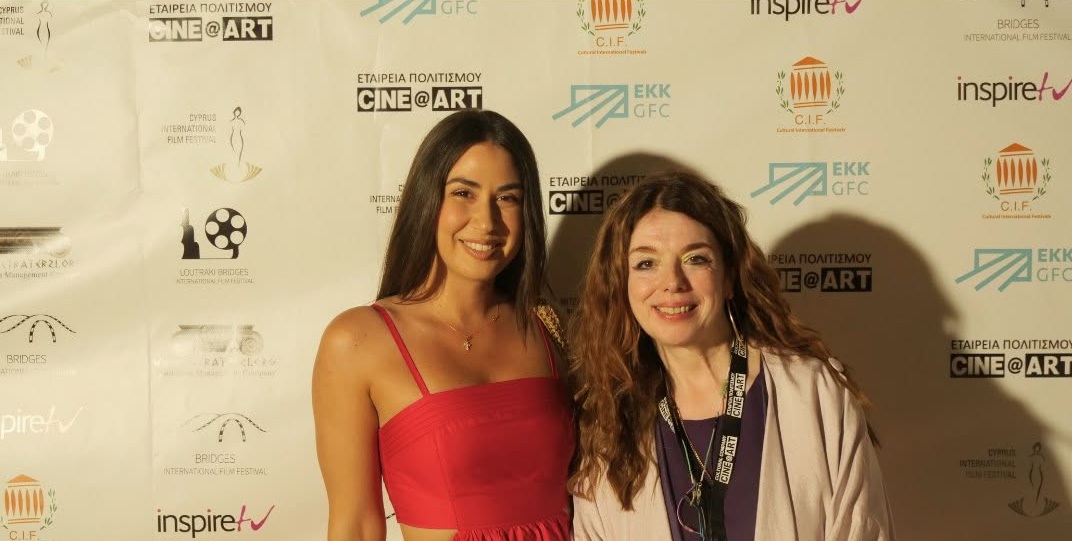
Elena Kremlidou and Petra Terzi
D.A.: With the “NEREUS” Film Awards approaching, what message would you like to convey to this year’s participating filmmakers, as well as to young people who are considering submitting their work in the future?
P.T.: I’d like to tell them to stay true to themselves and not be afraid to tell stories that touch them personally. Technology changes, platforms change, but the truth of a story remains timeless.
The “NEREUS” Awards were created to recognize talent, artistic boldness, a pure artistic vision, and innovation. Every submission is an act of creative courage. We especially encourage young creators to try new things, experiment, and share their own perspective on the world.
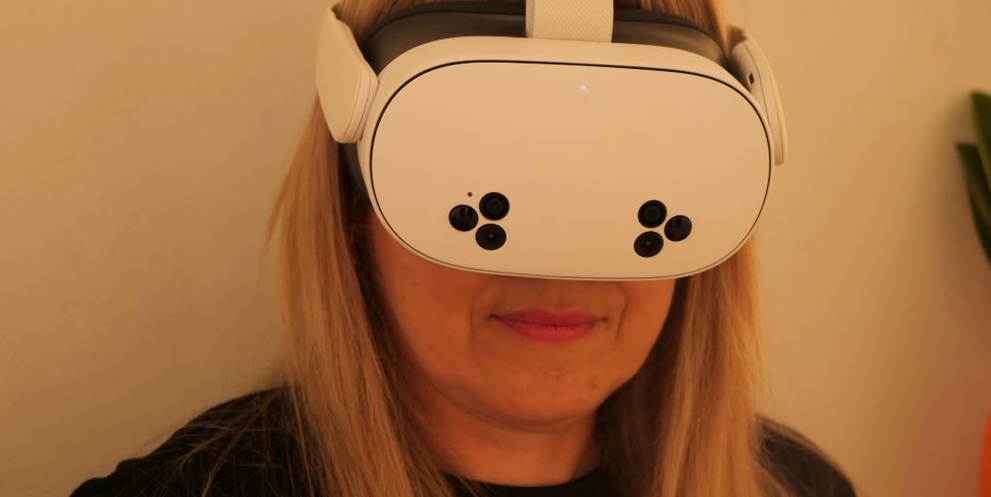
VR
D.A.: What does the existence of this festival signify in terms of new ways for local communities to perceive cinema and in bridging different cultural “perspectives”?
P.T.: I believe that an international festival can serve as a window to the world but also as a mirror of our own society. Local communities have the opportunity to learn about different cultures through cinema, while at the same time visitors discover the history, identity, and hospitality of our region.
Bridging different cultural “perspectives” is perhaps our most important mission. In an era when societies are tested by divisions and stereotypes, culture can create common ground. Through films, we recognize our differences, but above all, we discover everything that unites us as human beings.

Leave A Comment