Joan Leigh Fermor, along with her husband Patrick Leigh Fermor, traveled for decades throughout Asia and Europe, but found their “home” in Greece, a country they came to love. Not just the monuments, but also the people, the light, the landscape, and the soul of the country.
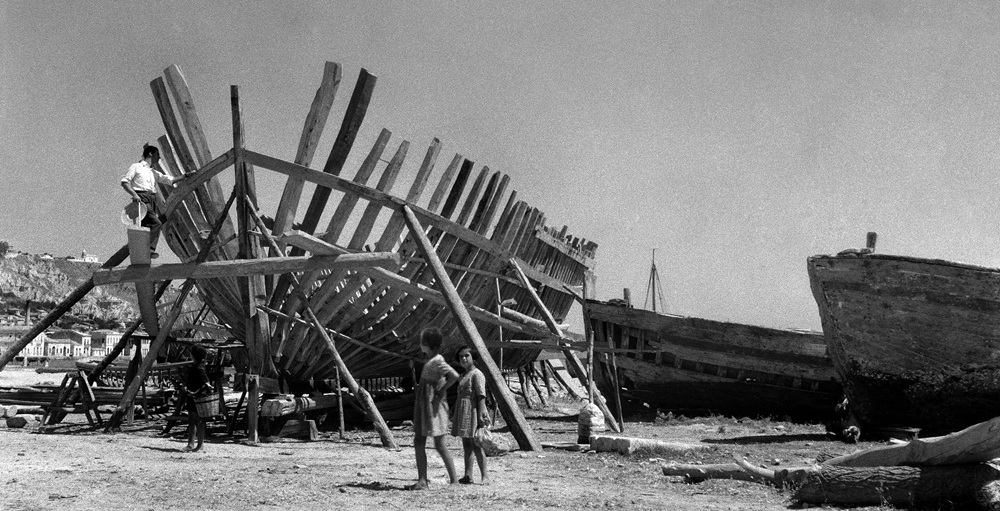
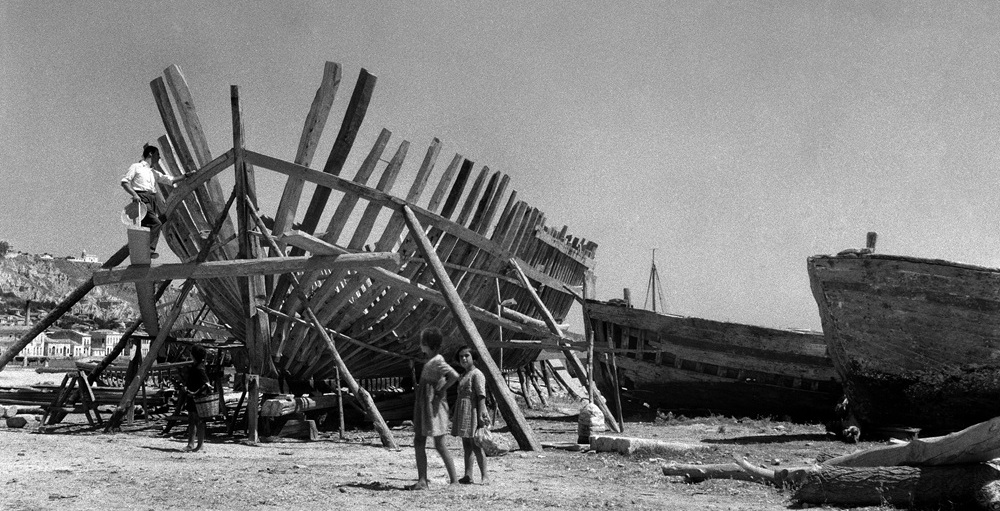
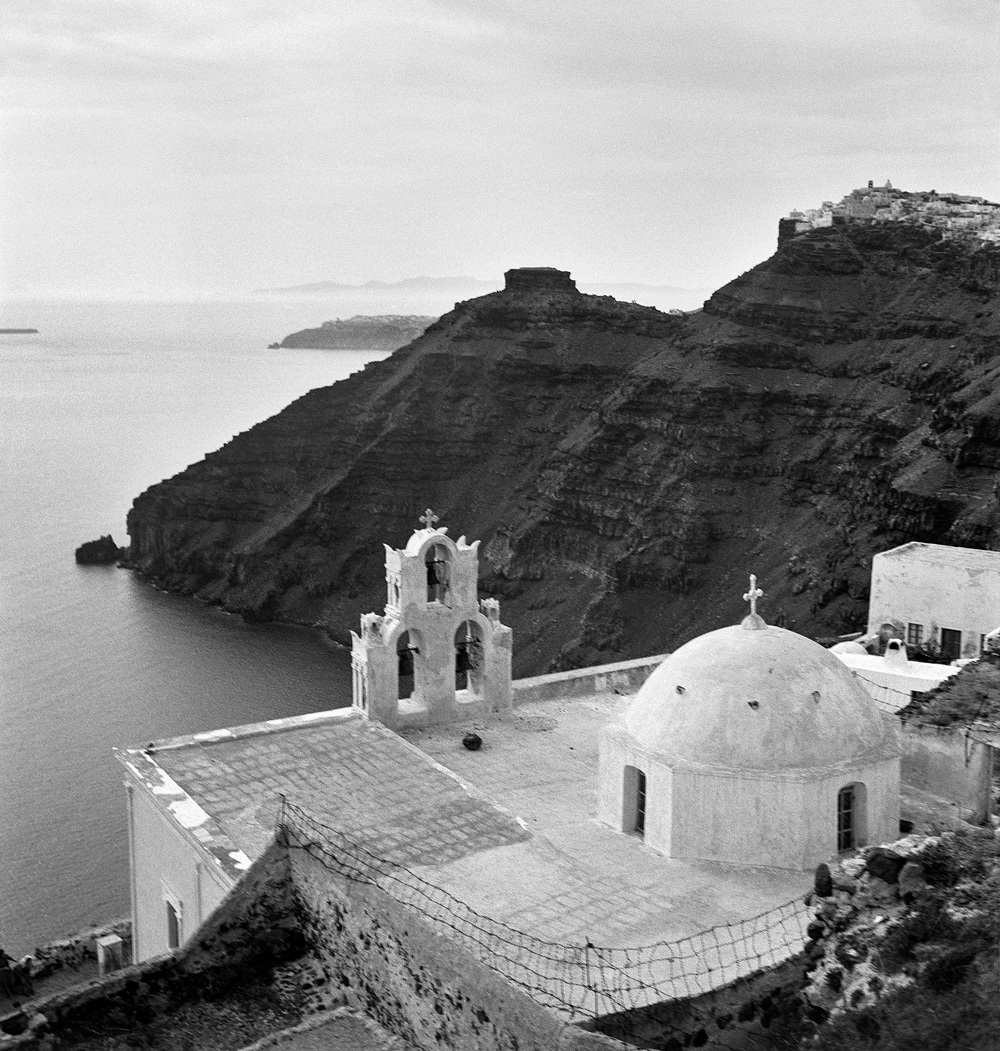
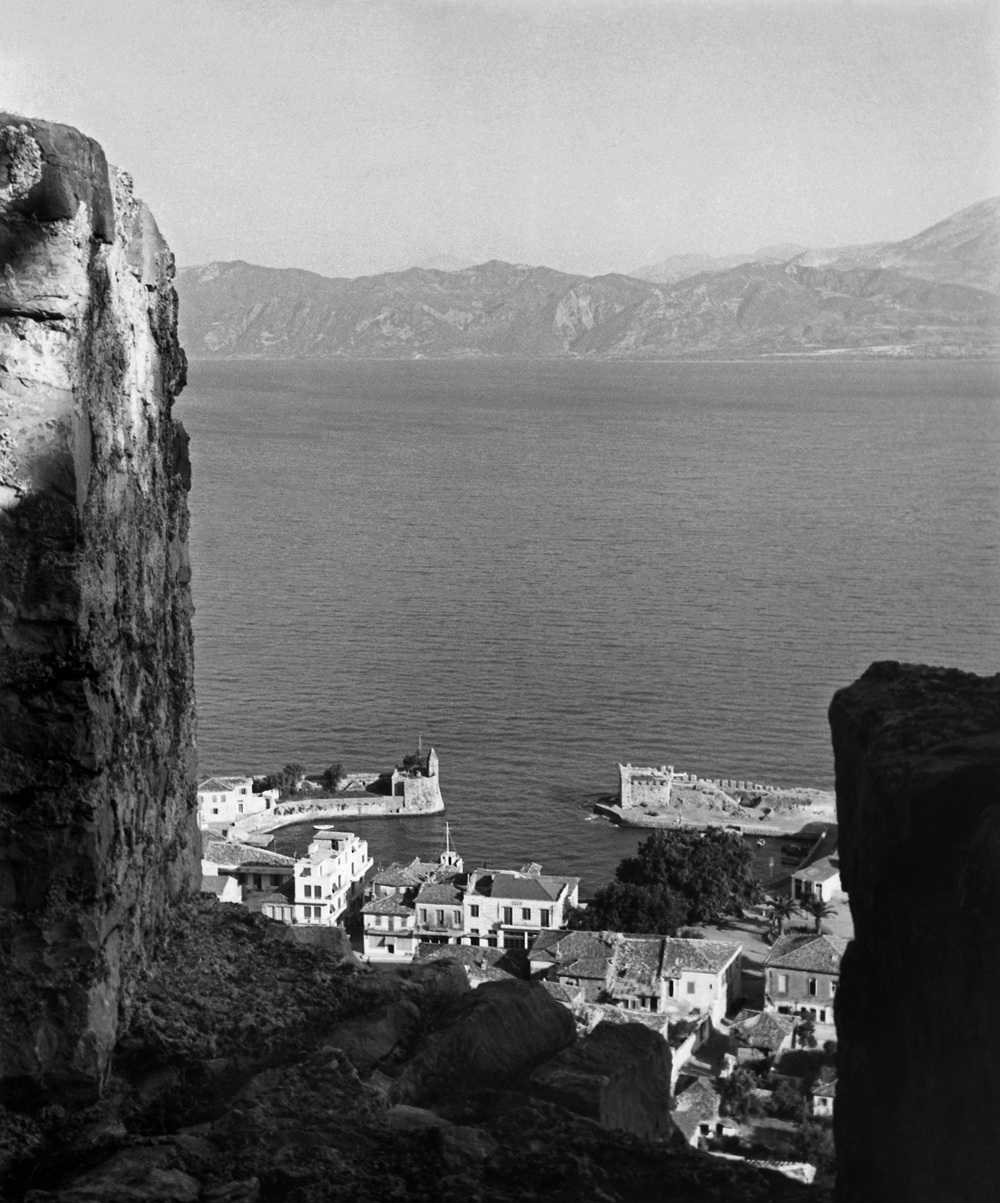
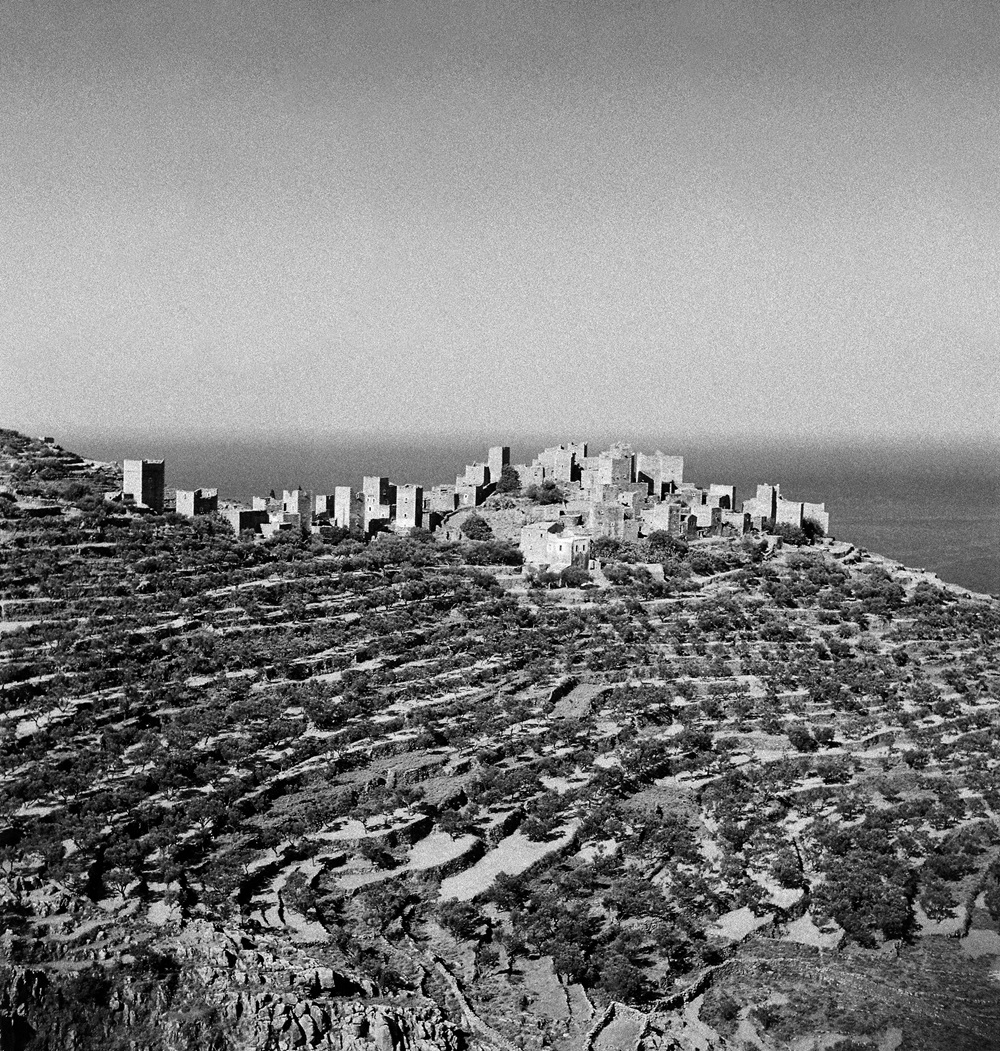
Leigh Fermor’s first striking photographs were taken in bombed-out London during World War II. In the years that followed, she never abandoned her passion. On her travels, she always carried her camera and saw every place through its lens. Photographing in the 1940s and 1950s, she obviously did not have today’s technological capabilities. For every photograph, she had to capture the light, the shadow, the people, every detail. The result is works of art that resemble sculptures. “A revolutionary of the gaze,” as Dina Adamopoulou, Director of the Historical Archives – Museum of Hydra, described her.
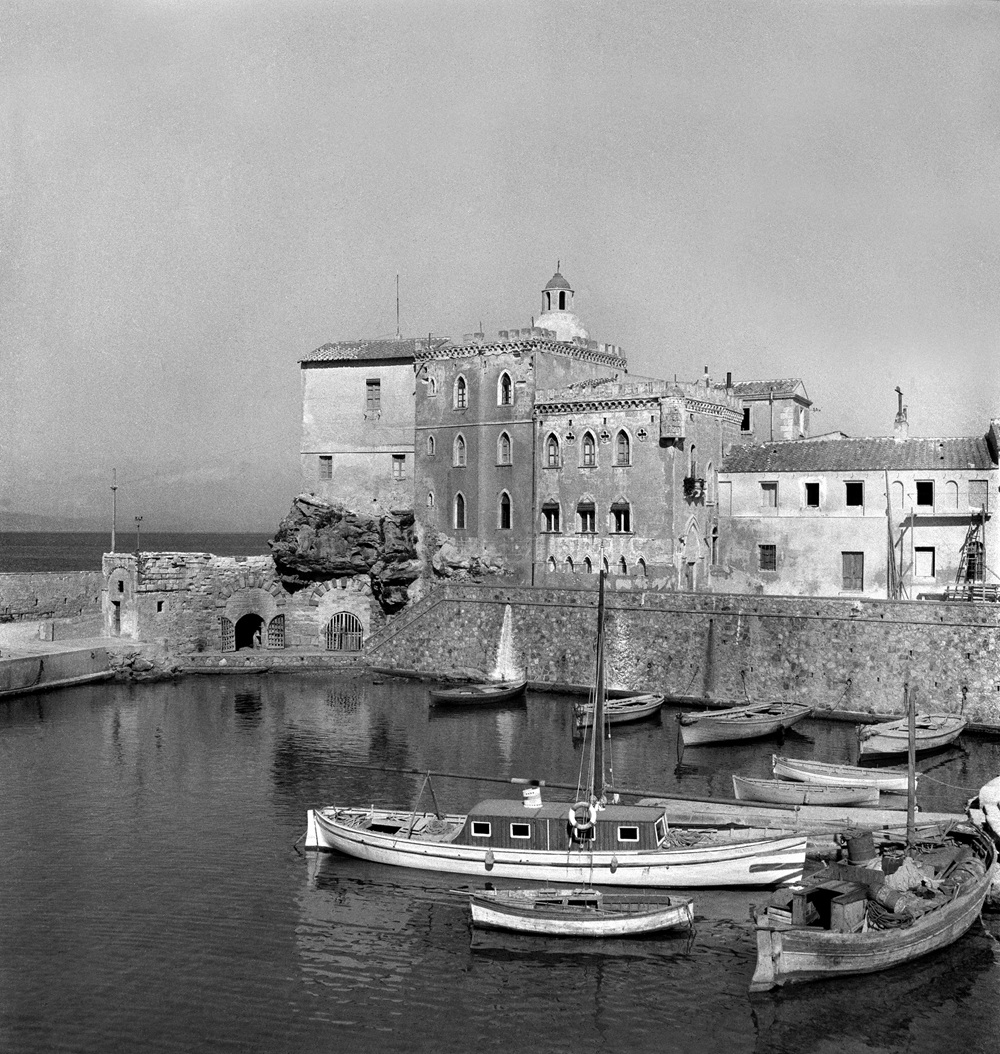
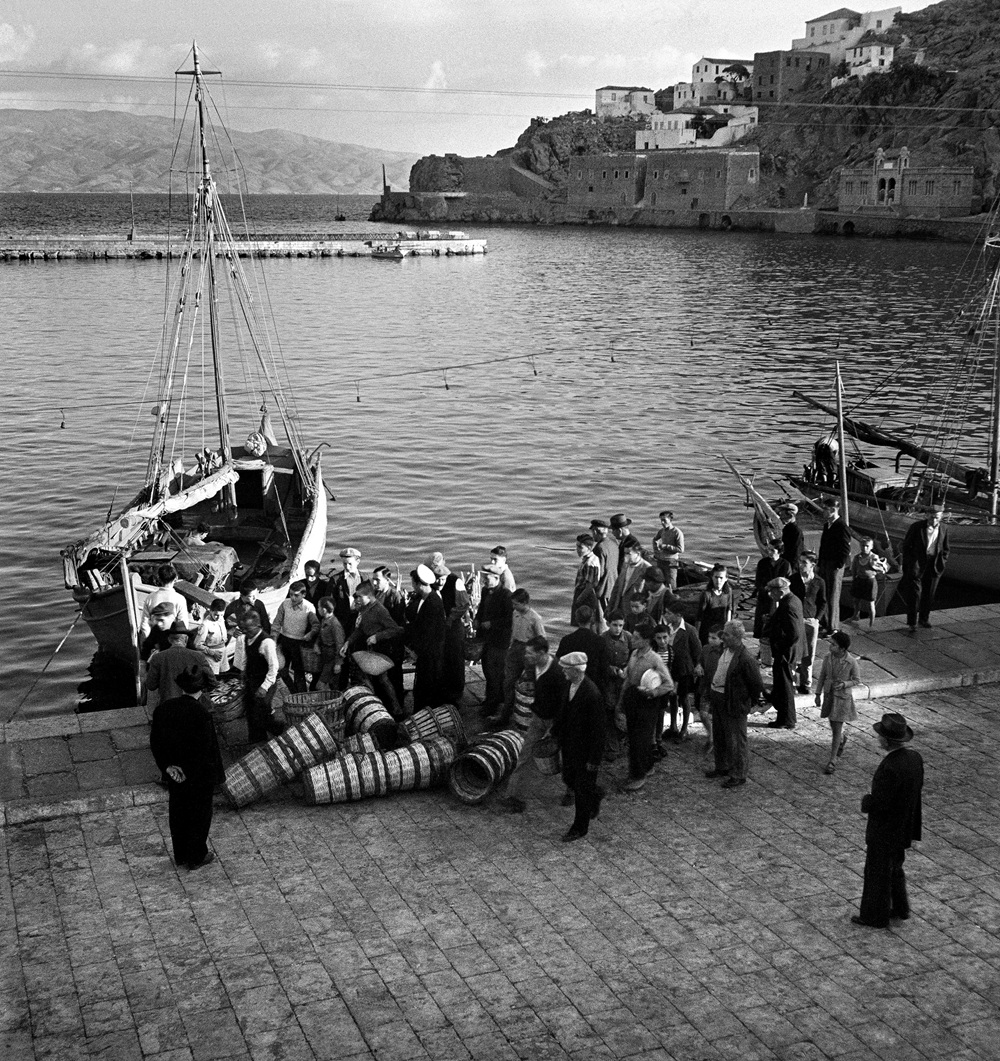
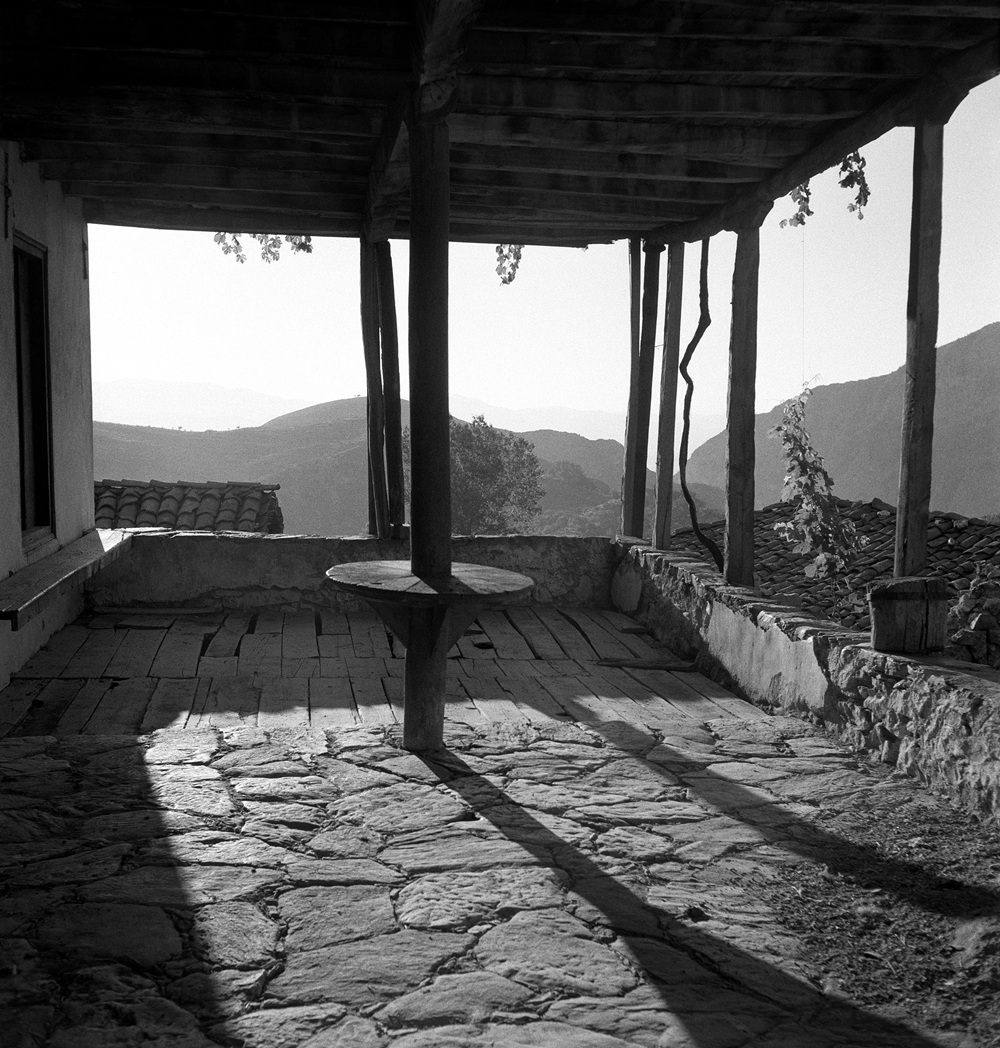
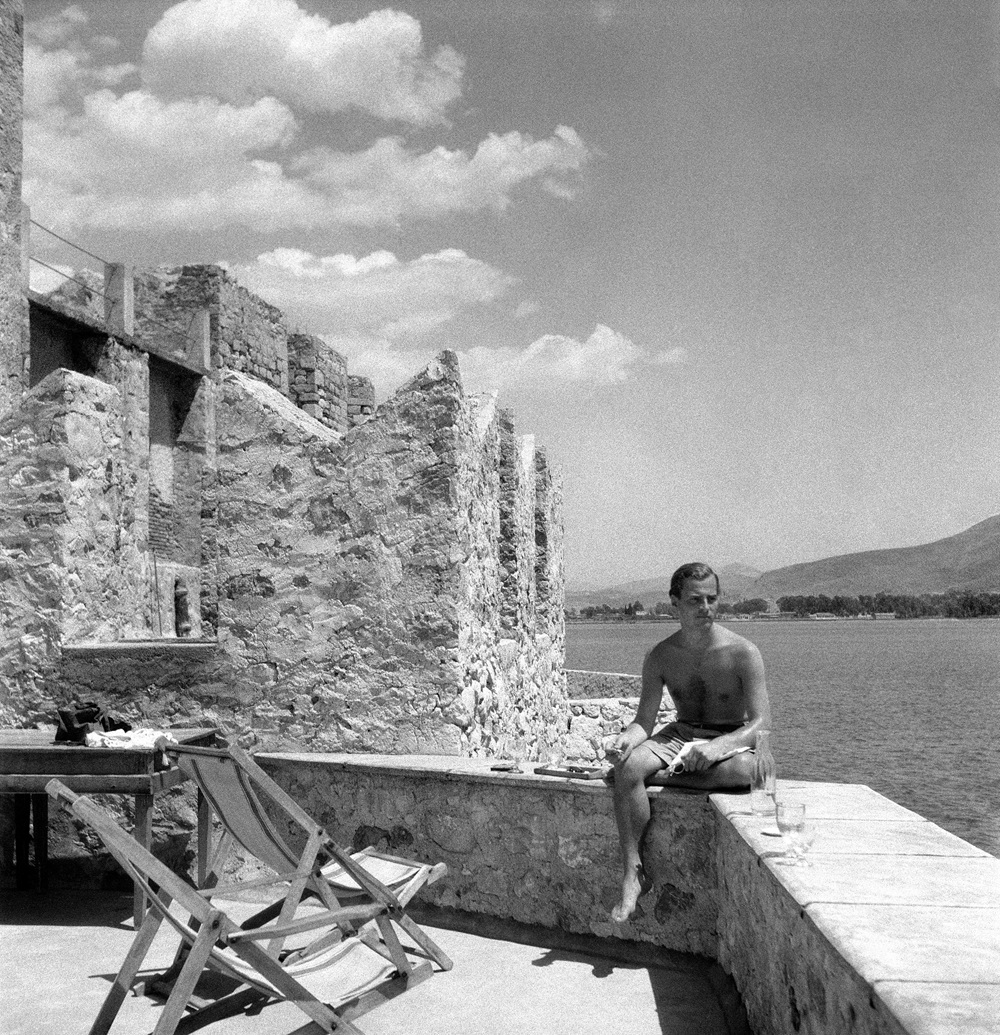
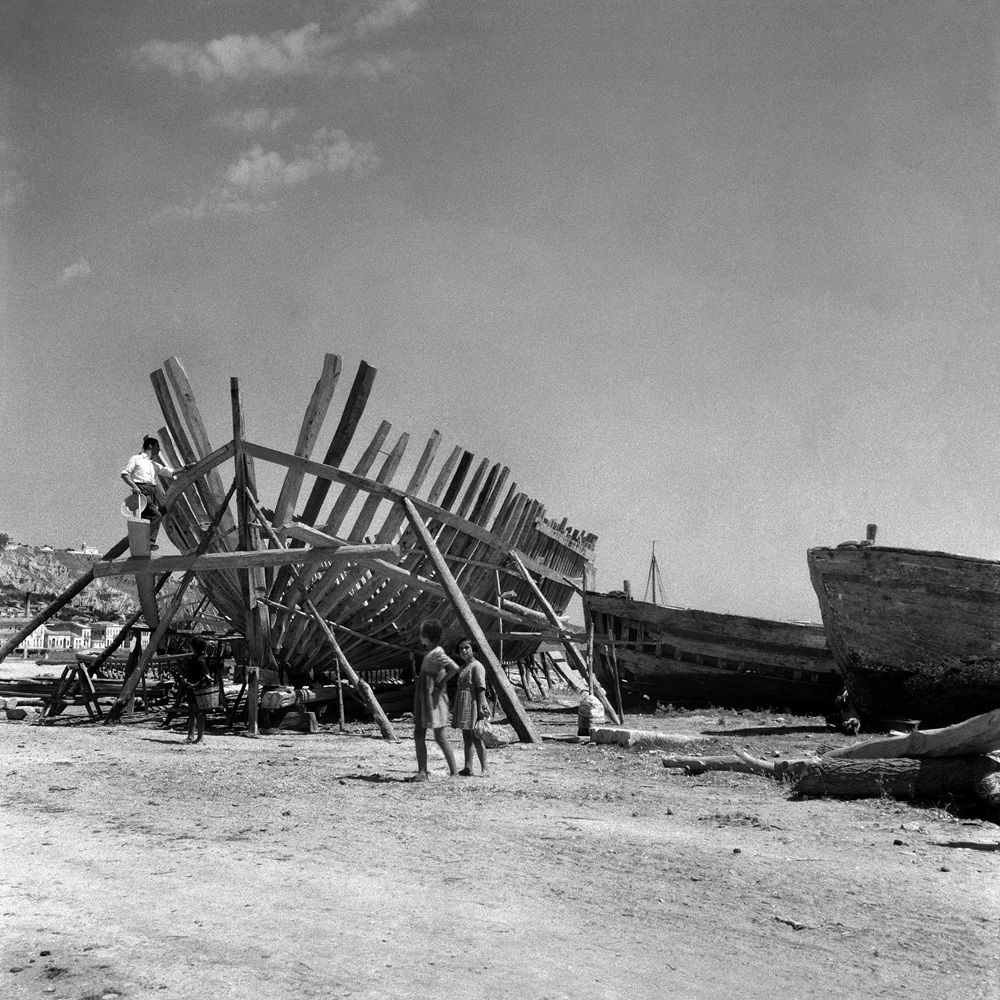
At the GSA/Historical Archives-Museum of Hydra, the exhibition “A Gaze at the World. The Photographs of Joan Leigh Fermor,” which is based on the album of the same title, ‘The Outward Gaze. The Photographs of Joan Leigh Fermor,’ and offers a comprehensive overview of Joan Leigh Fermor’s photographic work. It showcases locations that have since changed, as well as a way of life that no longer exists.
The exhibition presents a selection of photographs—from the approximately 5,000 photographs, slides, and contact prints currently held at the National Library of Scotland—taken by Joan Leigh Fermor (1912–2003) in the 1940s and 1950s. During this period, she captured stunning images while traveling through North Africa, the Middle East, the Caribbean, Italy, France, and Spain, and, above all, throughout Greece. In the 1950s, she and her future husband often stayed in Hydra, where they joined the circle of friends of artists Nikos Hadjikyriakos-Ghika and John Craxton.
With great discretion, Joan photographed the world around her, occasionally for the magazines Architectural Review and Horizon, as well as for her husband’s two seminal books on Greece: Mani (1958) and Roumeli (1966), but most often simply for her own personal pleasure. As the exhibition’s curator, Xavier Francesco Salomon, noted, she remained an amateur photographer, but one so skilled that she is an artist. The exhibition has chosen not to include captions for the photographs, as this is irrelevant, and the images are treated as independent works of art.


Leave A Comment