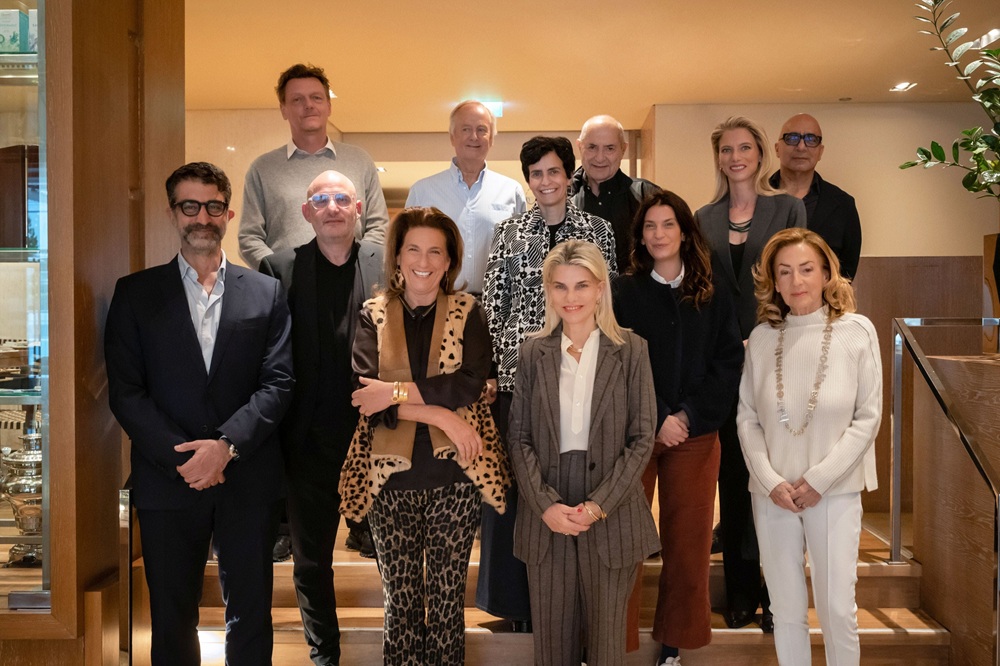
The Athens Biennale is entering a new phase: it is transforming, expanding, and strengthening itself by adopting a renewed governance structure, which includes a Board of Trustees, an Advisory Board, and a Curatorial Committee. This new structure brings together prominent figures from the worlds of art, culture, academia, and business, all working toward a shared vision. Poka-Yio, co-founder of the Athens Biennale, remains Executive and Artistic Director, ensuring continuity in strategic direction and artistic orientation.
Twenty years after its founding in 2005 as an independent initiative, the Athens Biennale continues to redefine the role of cultural institutions. With the initial goal of placing Athens on the international map of contemporary art, it has evolved into one of the most dynamic platforms for contemporary culture in Europe. Through innovative curatorial practices, the promotion of artistic experimentation, and active participation in the international dialogue, the Athens Biennale has made a strong impact, recognized by the European Cultural Foundation’s Princess Margriet Award for Culture (2015).
Today, it proposes a new operating model: not as a static organization, but as a collective and constantly evolving ecosystem. In the face of an often insular and competitive cultural environment, it advocates a different model: collaborative, sustainable, and outward-looking. From Athens—a restless, contradictory, vibrant city—the Biennale continues to pose questions that cannot wait.
A new governance architecture
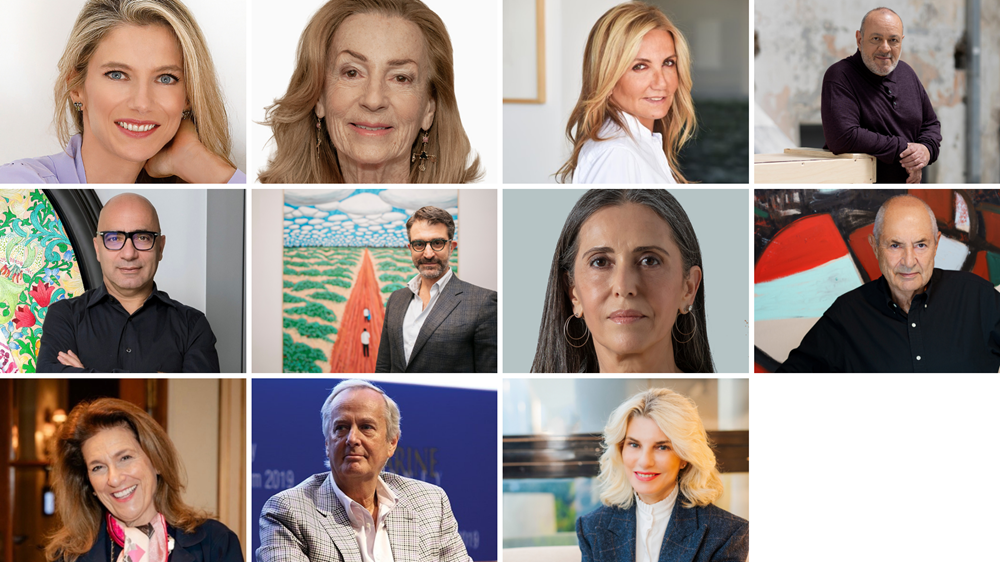
The Board of Trustees, chaired by Dakis Ioannou and George Oikonomou, is responsible for strategic oversight, ensuring the organization’s long-term sustainability, institutional development, and cultural impact.
The Board of Trustees-Founding Members:
Alexia Antsakli Vardinoyannis, founder of ARTFLYER
Ninetta Vafeia, attorney, art collector
Mareva Grabowski-Mitsotakis, creative consultant, entrepreneur
Dimitris Daskalopoulos, contemporary art collector, custodian of the D. Daskalopoulos Collection, and founder of the NEON Organization for Culture and Development
Haris David, collector of contemporary African art and art of the African diaspora (The Harry David Art Collection)
Alexander Diogenous, entrepreneur, collector, founder of Pylon Art & Culture
Füsun Eczacıbaşı, architect, art collector, and patron of the arts (honorary member)
Dakis Ioannou, entrepreneur, collector, founder and president of the DESTE Foundation (presidium)
Magda Baltogianni-Kallitsantsi, collector
George Oikonomou, businessman and art collector (presidium)
Irini Panagopoulou, collector and patron of the arts
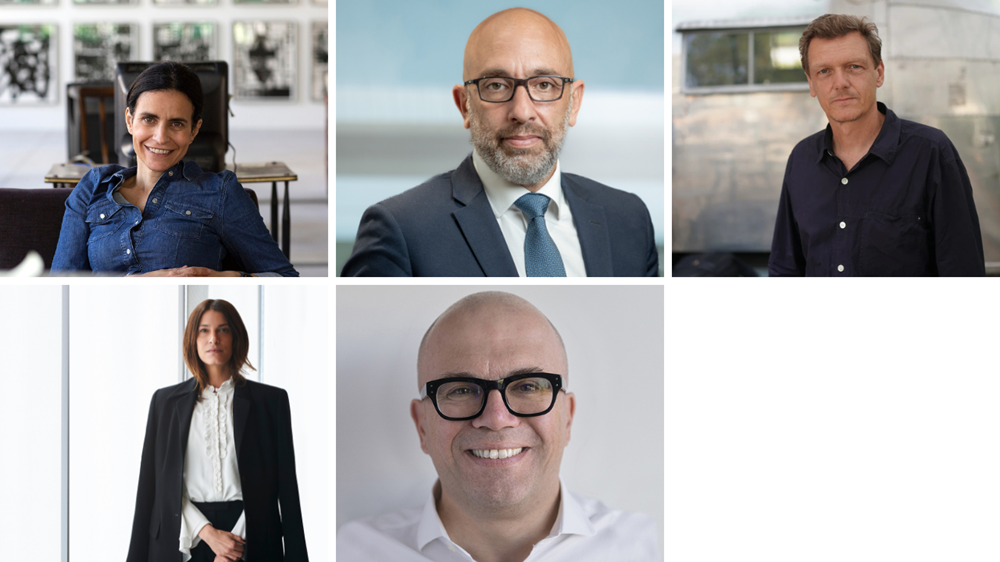
The Advisory Board of the Athens Biennale.
The Advisory Board serves as a think tank, supporting the organization’s strategic development and international reach.
Members of the Advisory Board:
Chloe Vaitsou, independent art and cultural strategy consultant
Gerasimos Giannopoulos, co-managing partner, Zepos & Giannopoulos
Elina Kountouri, Director of the NEON – D. Daskalopoulos Organization for Culture and Development
Dimitris Koutsopoulos, CEO of Deloitte Greece
Thomas Oberender, curator, festival artistic director, and writer based in Berlin and Athens
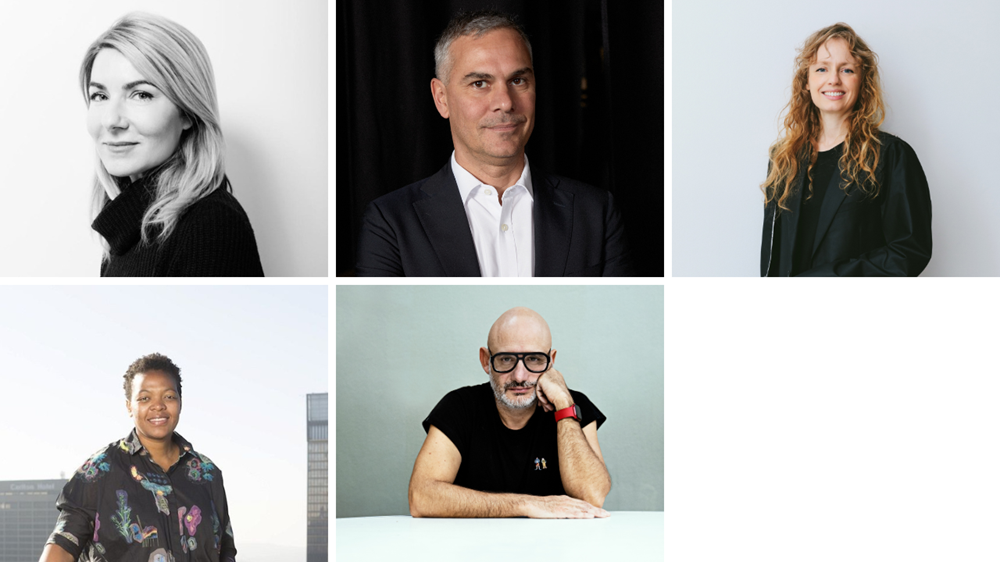
The Curatorial Committee of the 8th Athens Biennale.
The Curatorial Committee is being formed for the first time, introducing a new model for the curatorial process. In collaboration with Poka-Yio, it recommends the curator for each event and contributes to the planning of the artistic program. The Curatorial Committee of the 8th Athens Biennale consists of Katerina Gregou, Massimiliano Gioni, Stefanie Hessler, and Gabi Ngcobo.
Thiago de Paula Souza, curator of the 8th Athens Biennale
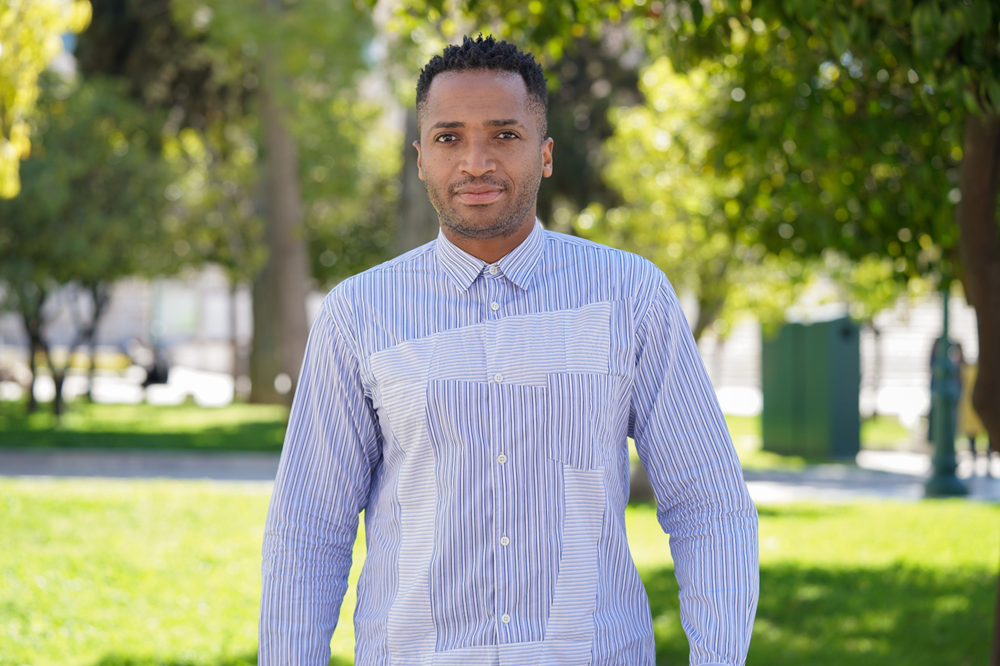
Portrait of Thiago de Paula Souza, curator of the 8th Athens Biennale. Photo: Nysos Vasilopoulos.
Following a recommendation by the Curatorial Committee, the Supervisory Board has appointed Thiago de Paula Souza as curator of the 8th Athens Biennale, which will take place in the spring of 2027.
Thiago de Paula Souza is a curator based in São Paulo. His work focuses on exhibition-making and the possibilities that curatorial practice continues to offer for cultivating political imaginaries. In recent years, he has focused on ideas and artistic practices that approach the concept of transmutation as a central axis, whether through eroticism, non-conformity regarding gender and forms of intimacy, or through the transformation of organic matter and spiritual ecstasy. She believes that these practices can contribute to rethinking more balanced forms of coexistence between humanity and other beings.
His curatorial work includes: co-curator of the 36th São Paulo Biennial (2025), co-curator of the 38th Panorama da Arte Brasileira at MAM São Paulo (2024), co-curator of the exhibition *Some May Work as Symbols: Art Made in Brazil, 1950s–70s at Raven Row, London (2024), co-curator of the Nomadic Program at the Vleeshal Center for Contemporary Art, Netherlands (2022–2023), co-curator of the exhibitions While we are embattled at Para Site, Hong Kong, and *Atos de Revolta* at MAM Rio, Brazil (2022), member of the curatorial team for the 3rd edition of Frestas – Trienal de Artes in São Paulo, Brazil (2020–2021), curatorial advisor for the 58th Carnegie International, USA (2021/2022), curator of Tony Cokes’ first solo exhibition in the Netherlands, at BAK, Utrecht (2018–2019), as well as a member of the curatorial team for the 10th Berlin Biennale (2018).
He currently serves on the Artistic Committee of the NESR Art Foundation in Angola. Thiago de Paula Souza is a doctoral candidate in the arts program at HDK-Valand – Academy of Art and Design at the University of Gothenburg, Sweden. His research examines artistic practices that combine refusal and collaboration as tools against neoliberal appropriation.

Leave A Comment