
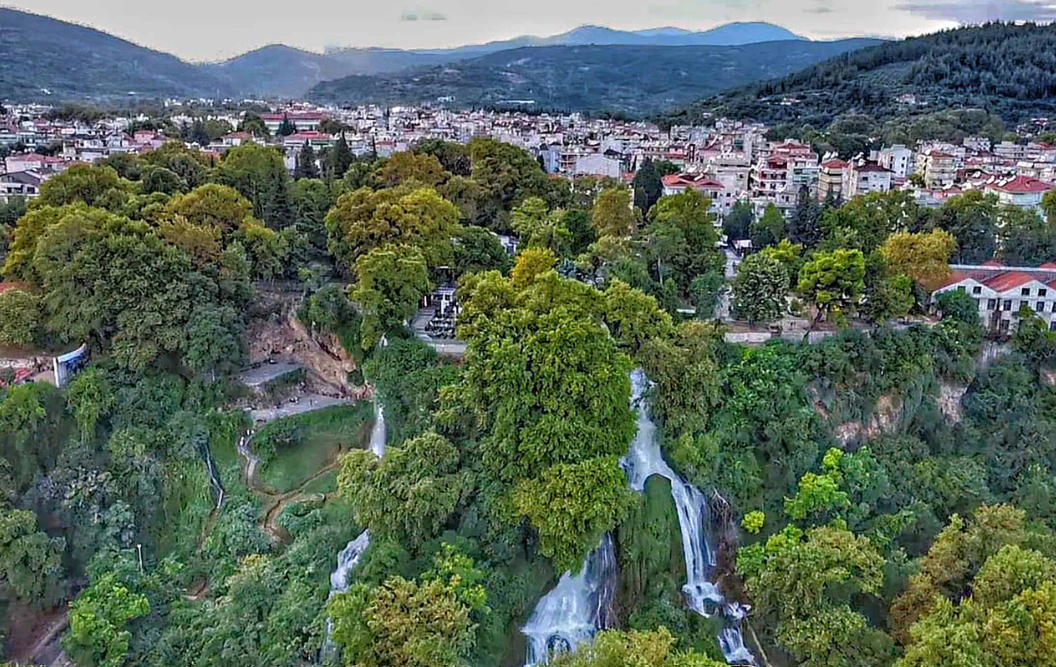
Every year, on March 1, thousands of fruits in Greece are “dressed” with a simple red and white thread. Martinka in Edessa, Martaki or Martitsi or Martiatiko or Martovrachioli or Martoklosti — it is not just a bracelet with red and white thread. It is a silent wish for light, protection, and rebirth.
But where does this custom originate? And why has it endured over time?
In Edessa, where spring arrives with the sound of water and the green of trees, the custom takes on a special symbolic dimension. The white thread symbolises purity and new beginnings, while the red thread symbolises life and energy. It is a custom that unites generations and peoples, surviving from antiquity to the present day as an element of intangible cultural heritage.
The modern traveler is not just looking for destinations—they are looking for stories. Short narratives that they can wear, touch, and take with them. In this context, promoting such traditions is not just a cultural reference; it is an experience. And experience is the constant value for visitors to Edessa, Vegoritis, and Mountainous Pella.
Edessa invests in this philosophy: in the essence behind the image. In the authenticity behind the attraction. You can see this for yourself with the Edessa City Card, which you can get from the Visitor Information Center 365 days a year. With this single ticket, you have access to places that promote the authenticity and history of Edessa and Mountainous Pella.
With each card, every traveler will be able to acquire their own “martaki.” It is a reminder that traditions survive when we narrate their meaning. It is also a reminder that inclusion must be an element of local identity in every region of Macedonia, in every area, and indeed in every community. For this reason, in the Gift Shop of the Waterfall Park, you will find Martakia, made by Peritechno, the productive workshop for people with disabilities of the Municipality of Edessa.




Leave A Comment