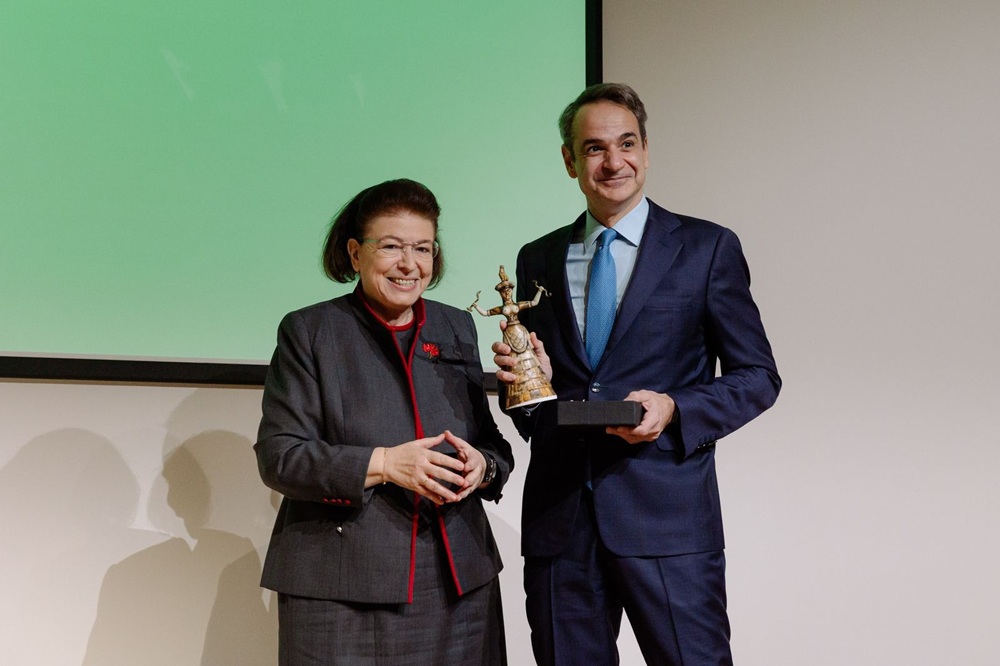
The new Hellenic Heritage digital ecosystem, a project of the Organization for the Management and Development of Cultural Resources (ODAP), in the presence of Prime Minister Kyriakos Mitsotakis and Minister of Culture Lina Mendoni. The project, funded by the Recovery and Resilience Fund (Next Generation EU), aims to comprehensively upgrade the visitor experience at more than 350 archaeological sites, museums, and monuments.
The Prime Minister emphasized that technology makes Hellenic Heritage “the central gateway to national culture,” offering visitors new dimensions of experience through virtual and augmented reality. The platform, he stressed, aspires to stand on par with international standards of cultural digital tourism.
The Minister of Culture emphasized that culture is a key factor in development, boosting tourism and the country’s international identity. The project, she said, is part of the global “experience economy,” linking culture with tourism diversification and sustainable development.
The digital ecosystem
In the spotlight lies the new hh.gr platform, the official digital gateway to Greek cultural heritage. It brings together scientifically documented content from the services of the Ministry of Culture and unites dozens of sites and museums in a single environment.
At the same time, a unified electronic ticketing and access control system is being created for 108 archaeological sites and museums, allowing for better organization of visitor flows, increased security, and accurate visitor traffic recording. The system includes entry zones that facilitate visitor management and monument protection.
Membership card and digital experiences
The Hellenic Heritage membership card offers free registration and annual access to cultural venues through the platform, strengthening the public’s ongoing relationship with culture.
Digital guides are also being developed in 40 sites and museums, available in 8 languages, in Greek and international sign language, presenting documented, accessible content. In addition, augmented and virtual reality (AR/VR) applications are being piloted at important archaeological sites such as Olympia, Delos, and Sounion, offering digital representations of monuments and historical periods.
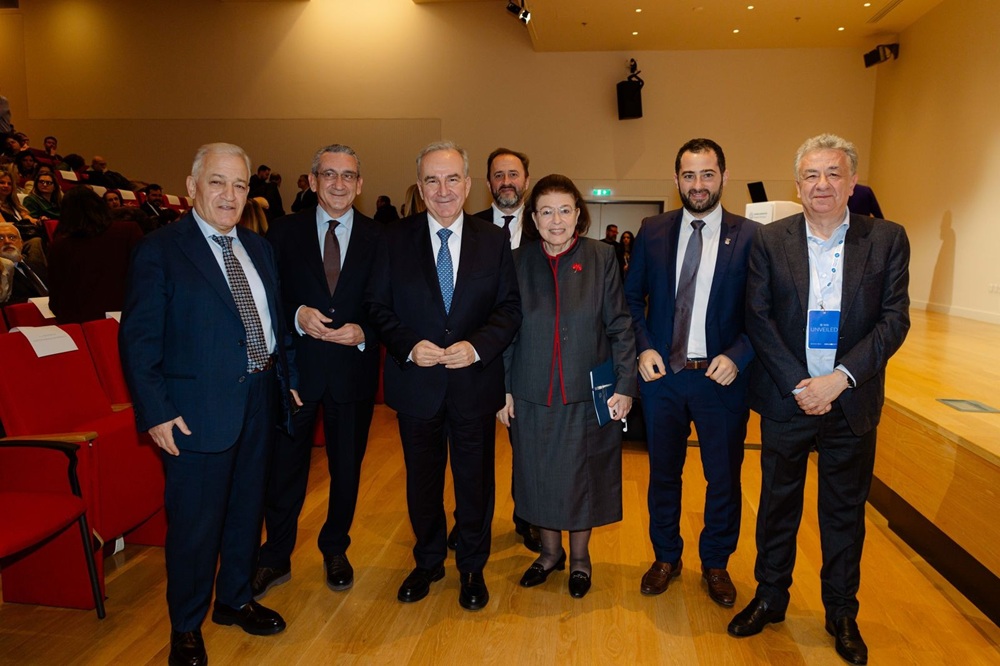
Lazaros Kyrizoglou, Giorgos Hatzimarkos, Nikos Papathanasis, Lina Mendoni, Fanis Spanos, Stavros Arnaoutakis
Culture, gastronomy, and local identity
Since 2022, ODAP and the Ministry of Culture have been linking culture with gastronomy and local production. Nineteen selected venues will host events that showcase local products and the cultural identity of each region, enhancing the experiential nature of the visit and the relationship between culture and the economy.
Accessibility, sustainability, and benefits
The project places particular emphasis on universal accessibility. Services for people with disabilities, dynamic signage systems, and monitoring technologies are provided to enhance safety and service quality.
The implementation contributes to increasing public revenue, strengthening cultural tourism, improving Greece’s international image, and the digital transition of the public sector. At the same time, it encourages green growth by reducing printed material and adopting digital solutions.
Extroversion and collaborations
During the presentation, B2B meetings were held between representatives of culture, tourism, and technology, with the aim of connecting the ecosystem with the market and strengthening extroversion.
The project is progressing according to schedule, and the platform and e-ticketing system are scheduled to be fully operational in April 2026, marking a new standard of digital operation for the country’s cultural venues.

Leave A Comment