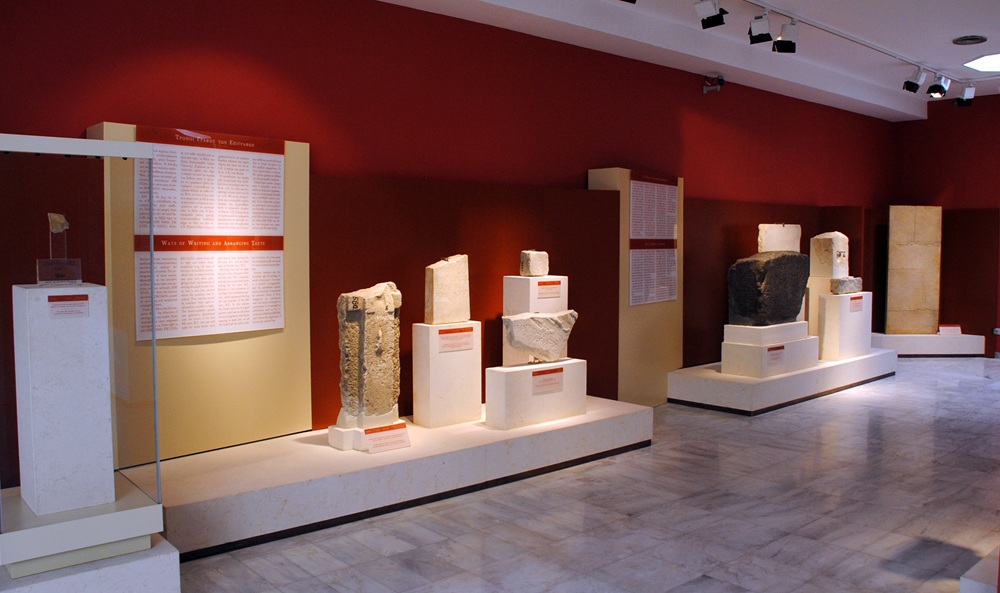
The Epigraphic Museum preserves and exhibits thousands of inscriptions, the written texts that the ancients themselves decided to inscribe on hard materials (stone, clay, and metal). Ancient inscriptions provide information on all aspects of public and private life in antiquity: political and social organization, economy, law, religion, daily life of the ancients, and more. They are thus primary historical sources, sometimes supplementing the texts of ancient writers and sometimes preserving unknown information.
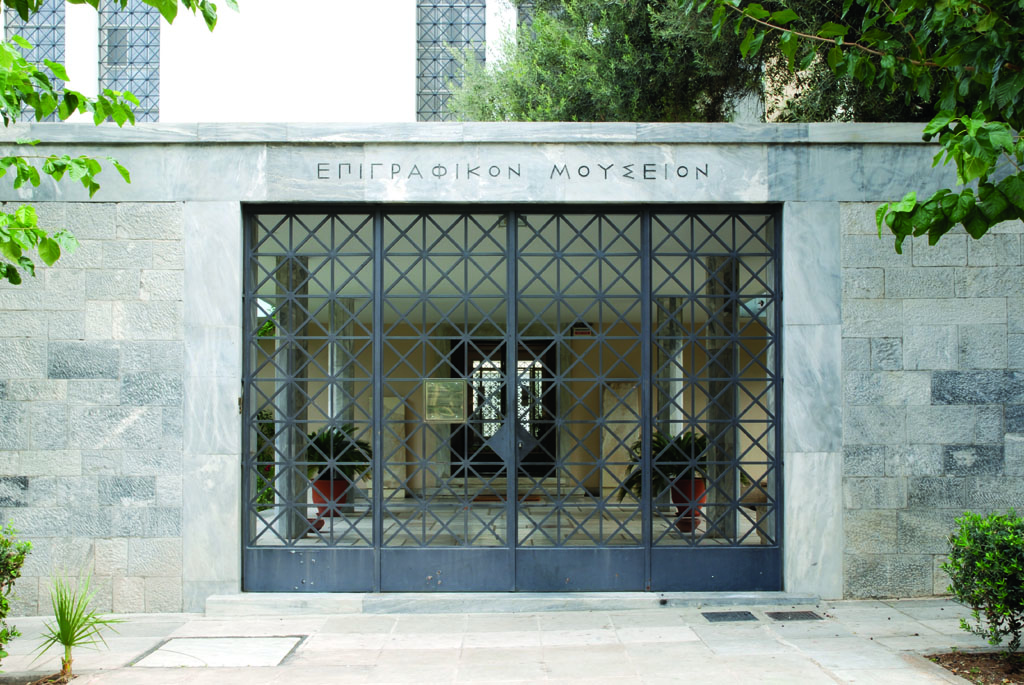
Τhe main entrance of the Epigraphic Museum
The majority of the inscriptions in the Museum come from ancient Athens, where the recording of many important decisions of the city on durable materials, and their publication were linked to the functioning of the democratic constitution. A considerable number of inscriptions comes from other parts of Greece and Asia Minor. The collections also include inscriptions from Greece written in Latin and a small number in other languages (Phoenician, Hebrew, Ottoman). They range from the end of the 8th century BC to modern times.
At the Epigraphic Museum, visitors will learn about the pre-alphabetic scripts used in Greece during the 2nd millennium BC, the origins of the Greek alphabet in the 8th century BC, and the ways of writing of the ancient Greeks. They will learn about the various local Greek alphabets of the Archaic period (750-480 BC), as well as the oldest texts written in the Greek alphabet.
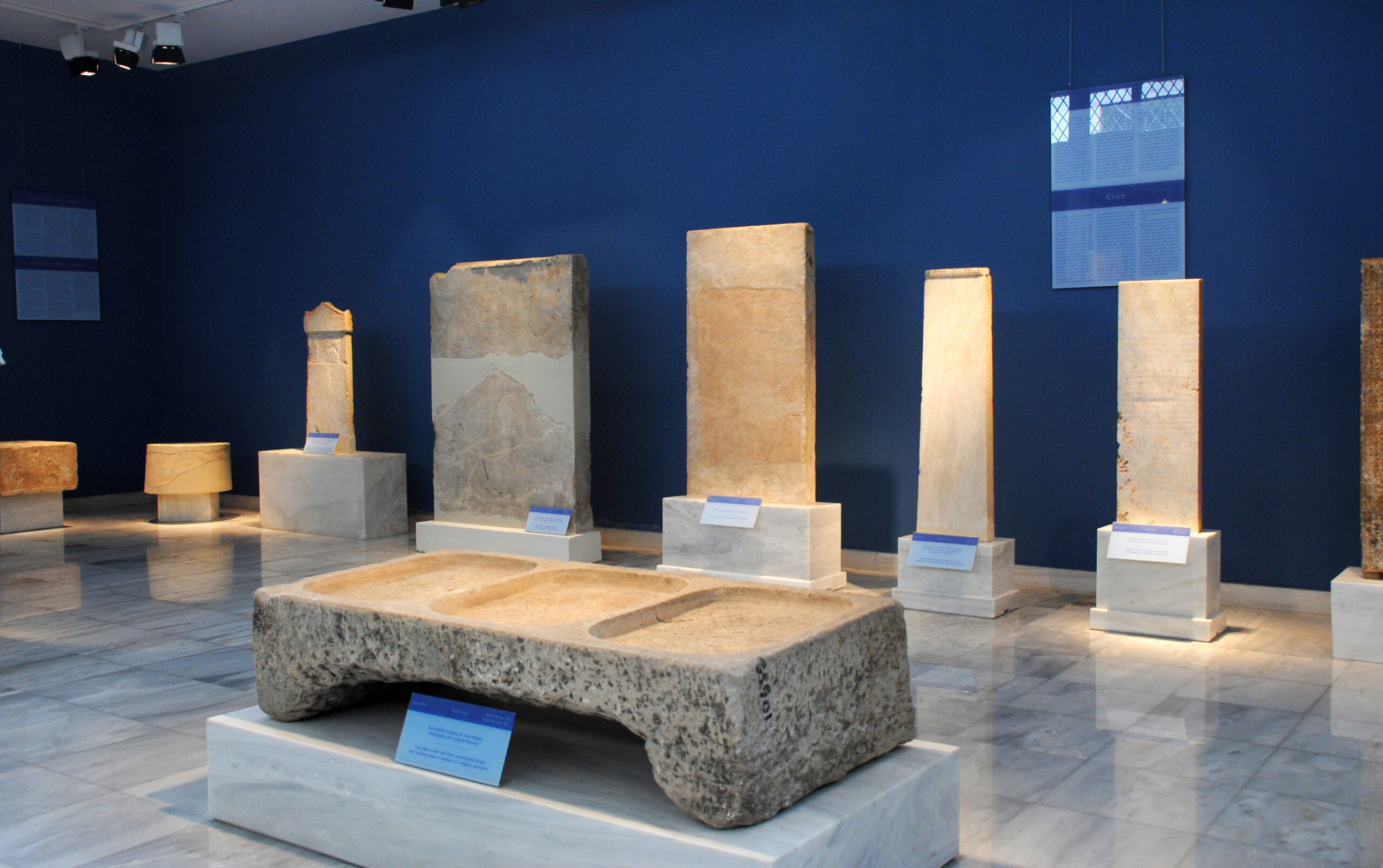
Epigraphic Museum| Hall 09
The Epigraphic Museum’s exhibition includes important public texts from ancient Athens, such as decrees (decisions made by vote) of the Athenian council and assembly of the people on various political, economic issues, and matters of religion, as well as alliance treaties and inventories of dedications to the city’s sanctuaries. Through these, visitors can learn about the laws of ancient Athens, the management of the property of the sanctuaries, the festivals and sacrifices performed for gods and heroes, the awarding of honors to Athenian and foreign citizens, and the institution of choregia (a kind of sponsorship) that aimed at covering the expenses of theatrical performances by wealthy Athenians. They will see many inscriptions referring to important historical events, such as the decree of Themistocles, in which the Athenian general proposes significant measures to confront the Persian invasion before the naval battle of Salamis, the monument erected on the tomb of the Corinthians who fell in the same battle, and the impressive monumental stelae of the First Athenian League. These recorded one-sixtieth of the collected tribute that the allied cities paid as an offering to goddess Athena every year from 454/3 BC.
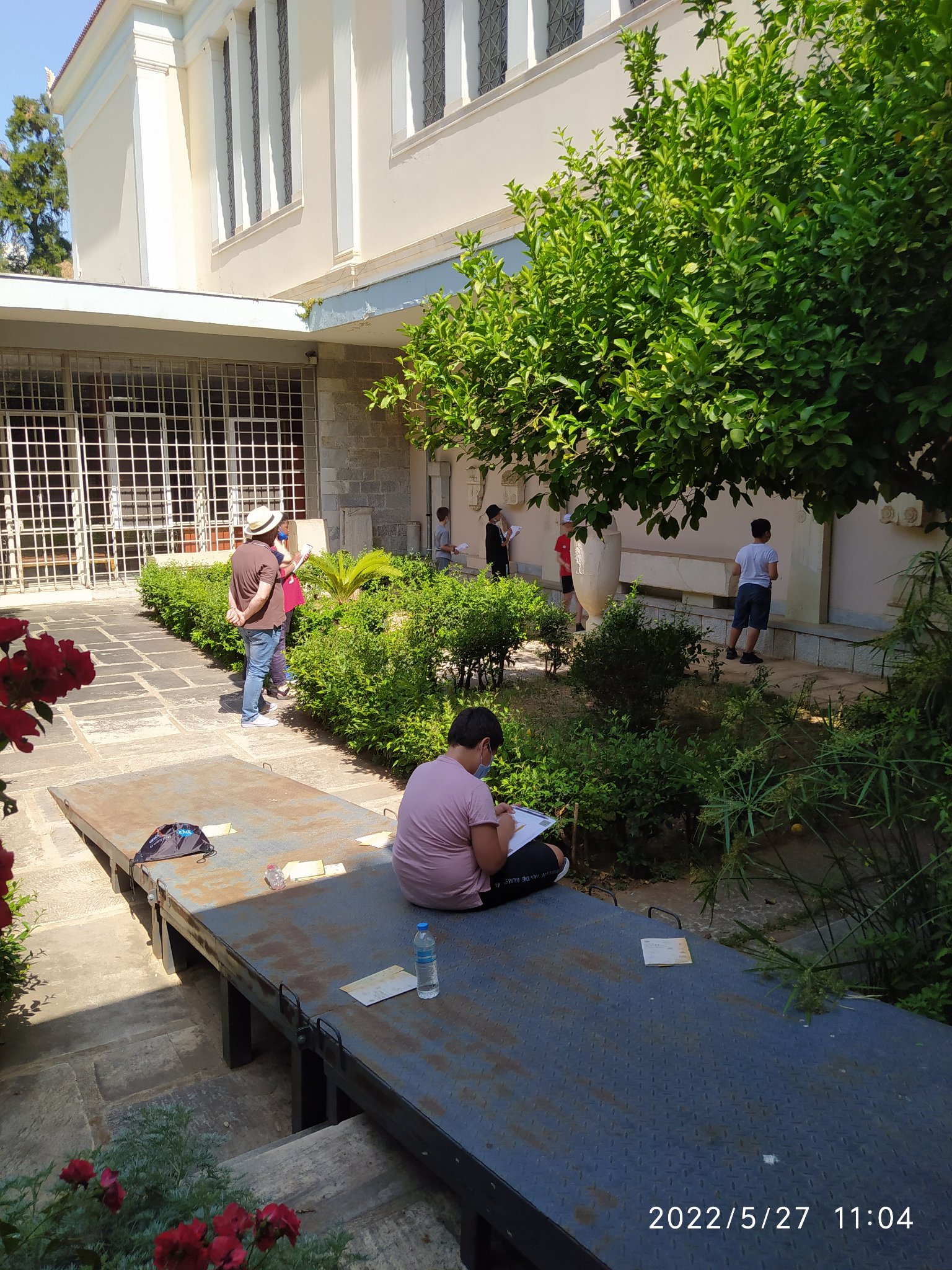
The Epigraphic Museum organizes thematic temporary exhibitions of ancient inscriptions and contemporary art exhibitions with themes inspired by ancient inscriptions or other historical topics. The Museum’s educational programs are aimed at primary and secondary school students.
Athanasios Themos – Epigraphic Museum, Director
Elena Zavvou – Head of the Department of Research & Documentation of Inscriptions



Leave A Comment