By Venia Pastaka
Art Historian
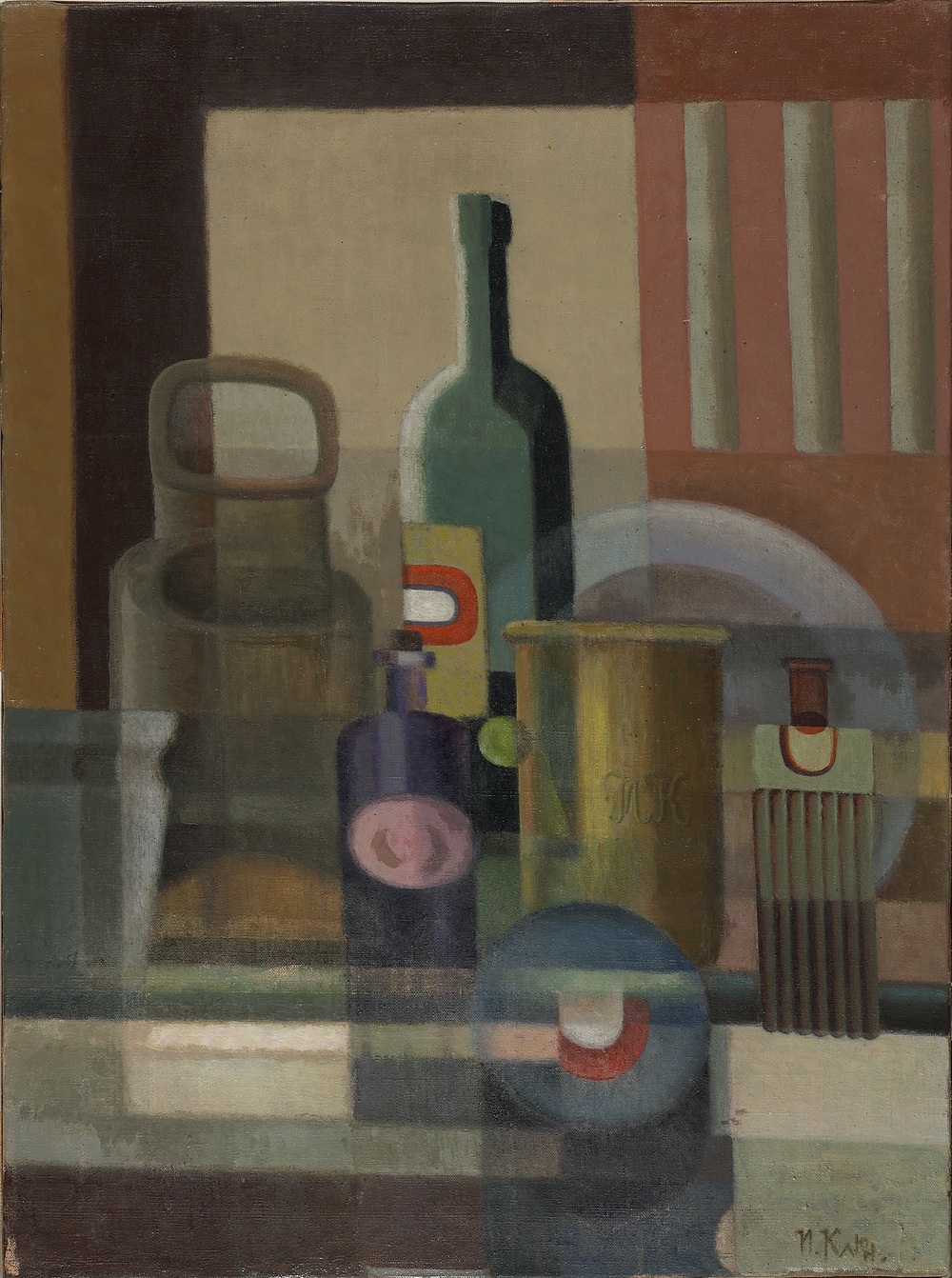
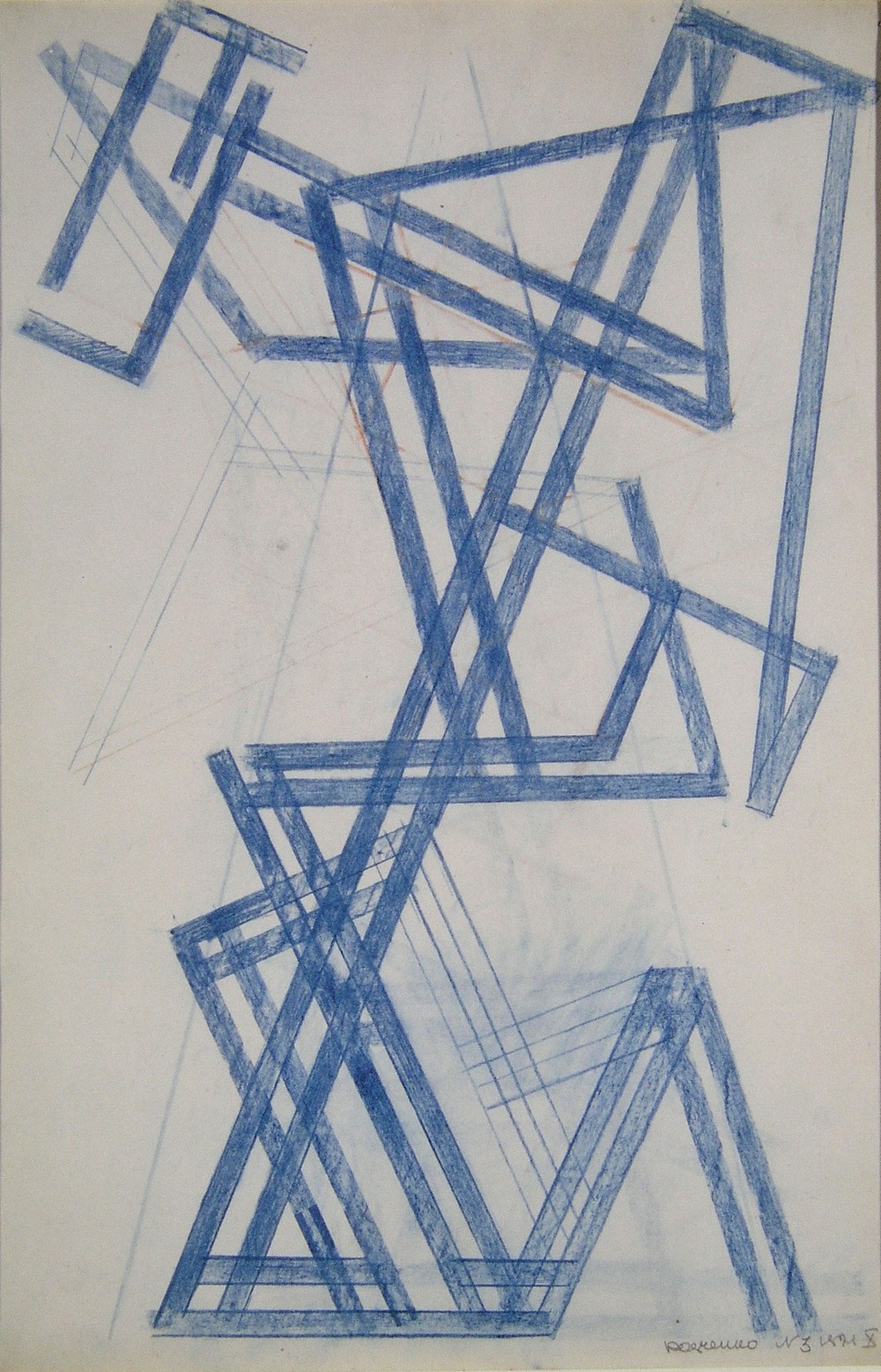
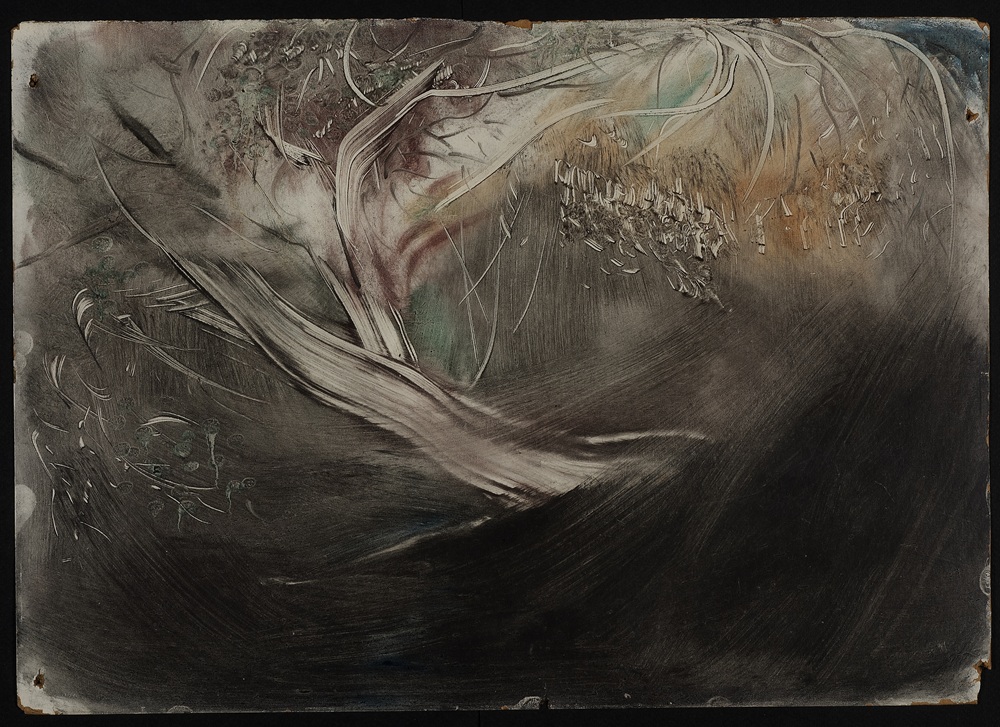
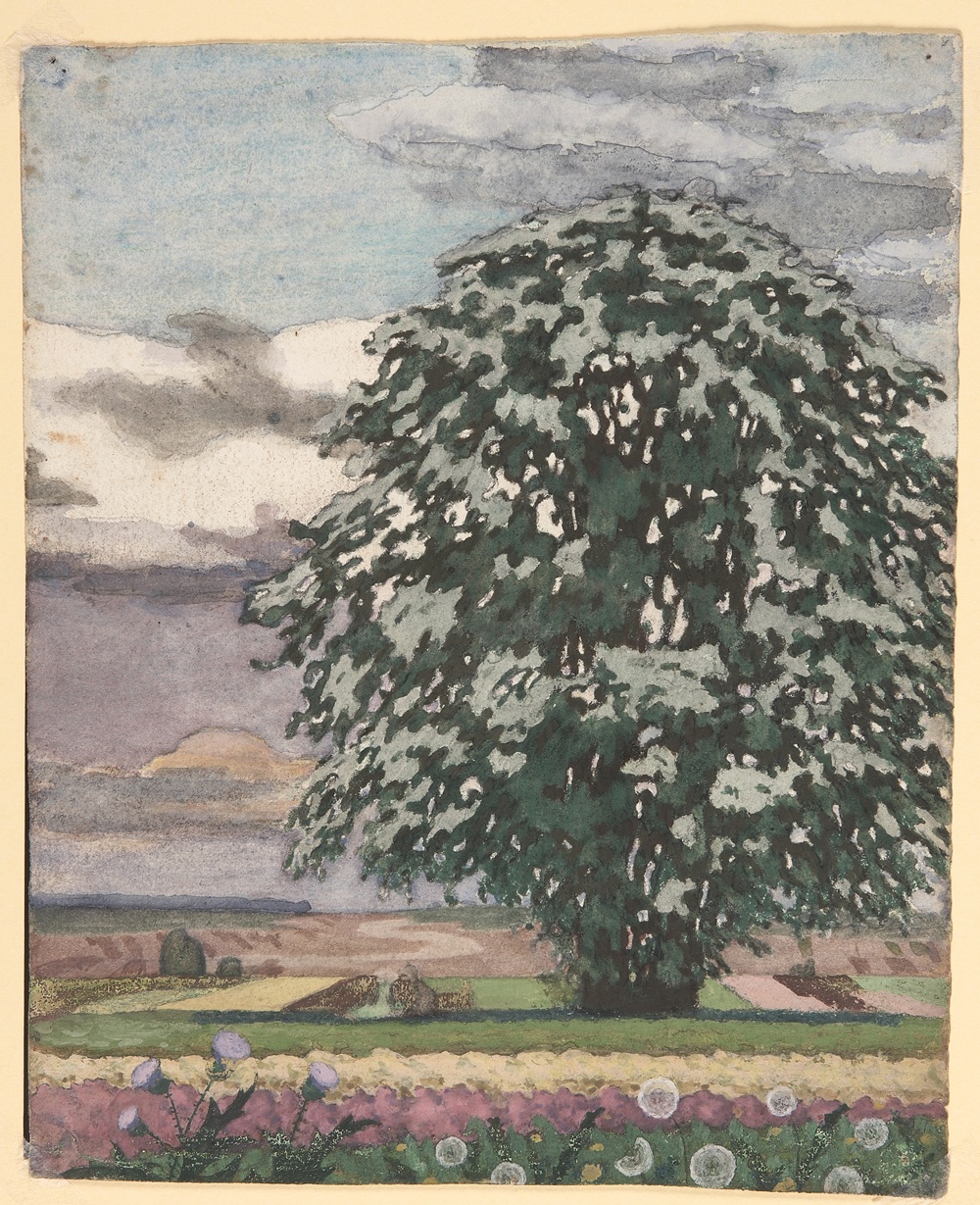
It has been 31 years since 1995, the year in which Georgios Costakis’s collection (1913–1990) was presented at the old building of the National Gallery, featuring leading works of the Russian Avant-Garde, curated by Anna Kafetsi. That exhibition marked the beginning of the acquisition of a large portion of the collection by the Greek state and also led to the creation of two important museums: the Thessaloniki Museum of Contemporary Art, which houses the works, and the National Museum of Contemporary Art in Athens.
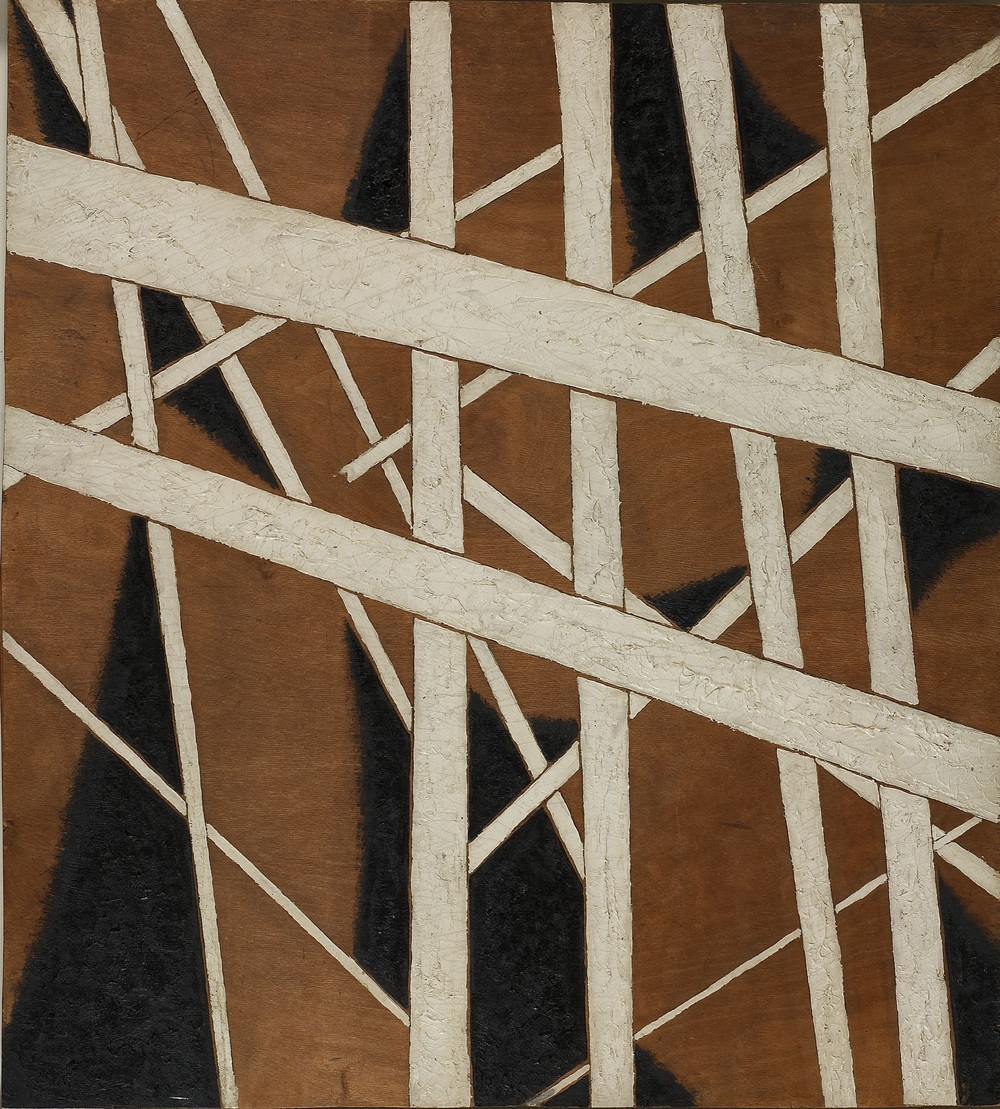
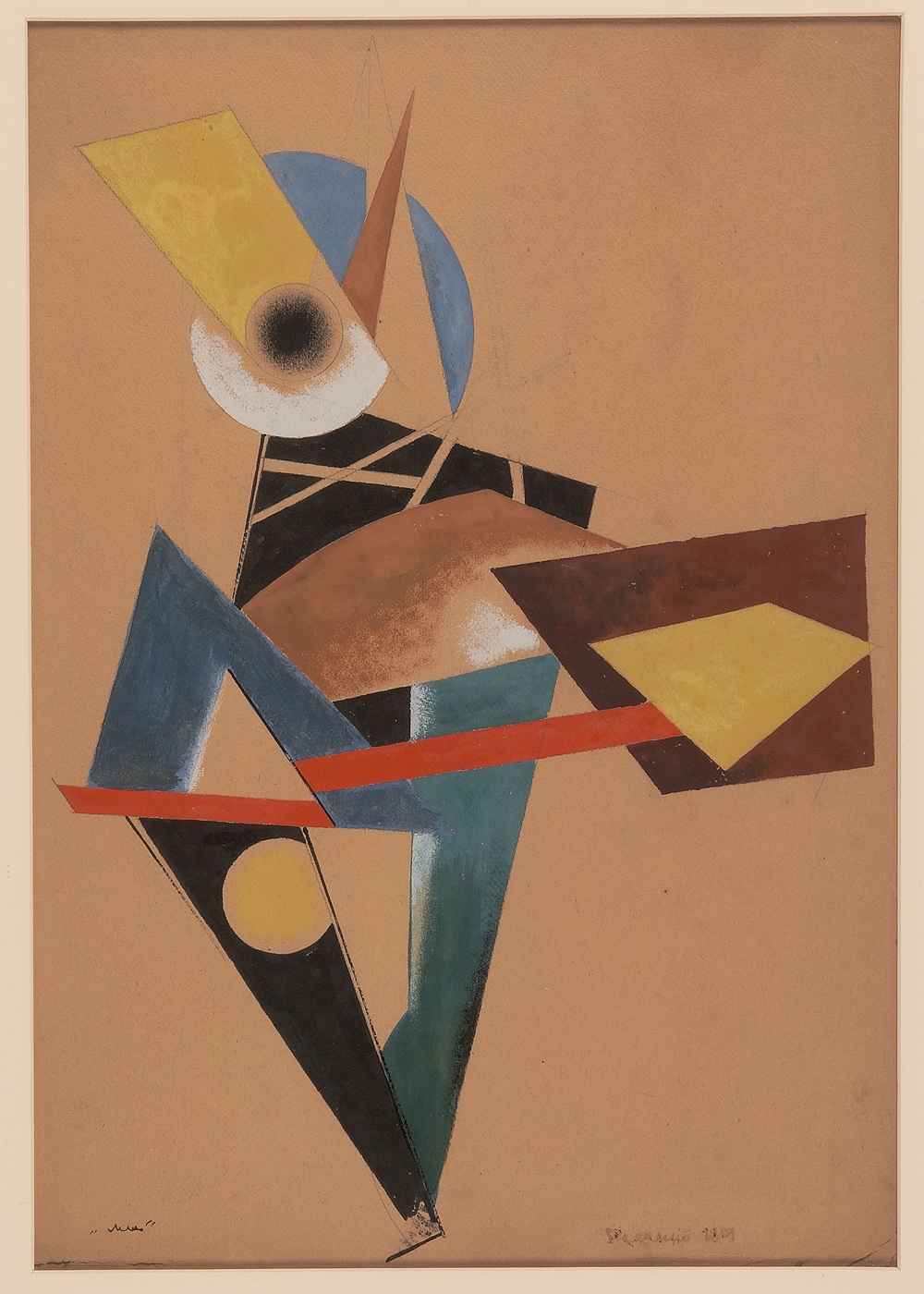
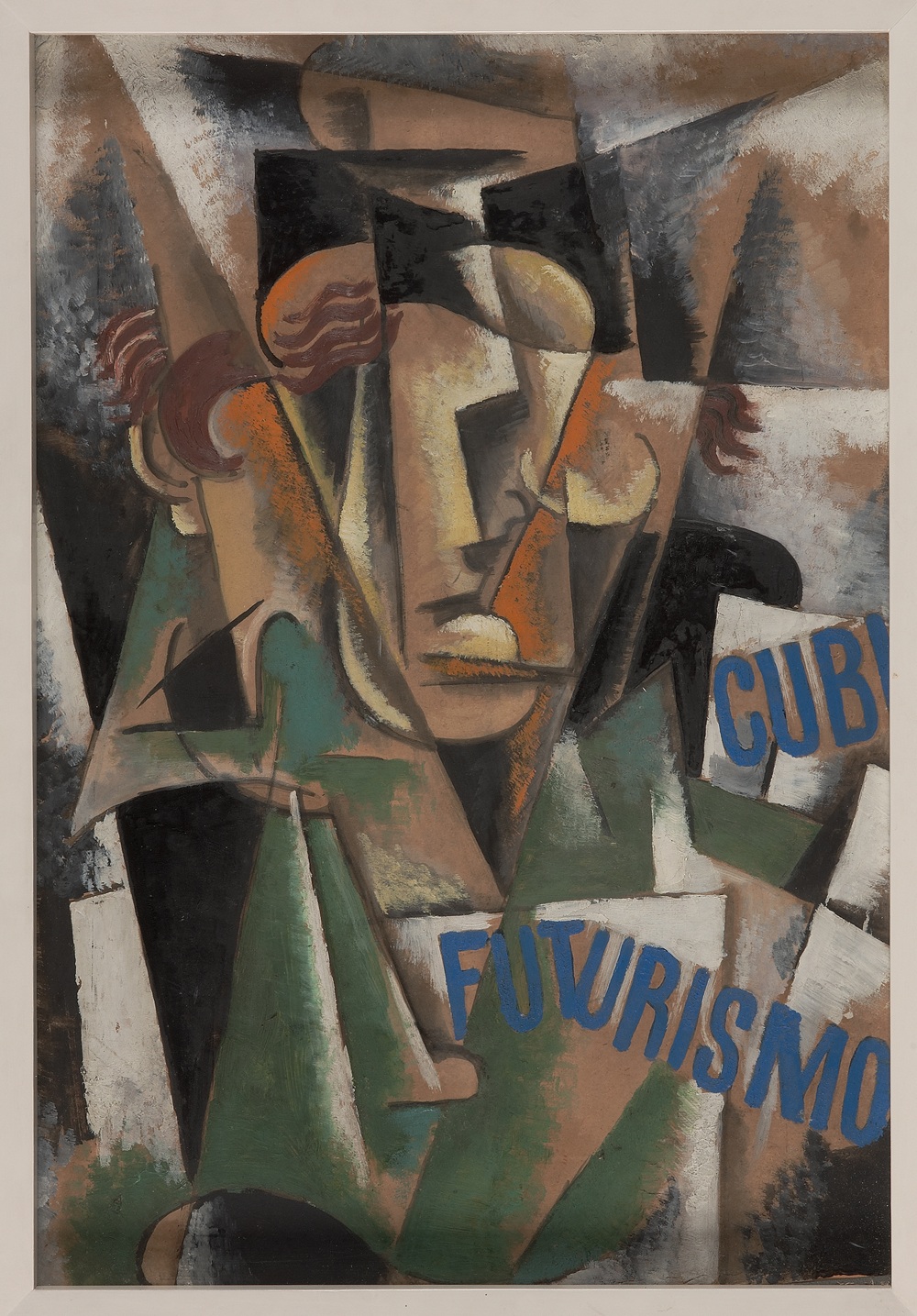
Three decades later, in the National Gallery’s new building—and curated by its director, Syrago Tsiara, and the director of the Museum of Modern Art of Thessaloniki, Maria Tsantsanoglou, selected works from the Costakis Collection are presented through a new approach that seeks to highlight the dynamism of the Russian avant-garde and its enduring relevance, linking it to issues that concern people today. The exhibition The World of the Avant-Garde: City, Nature, Universe, Man opens on April 15 and will run through September 27, 2026.
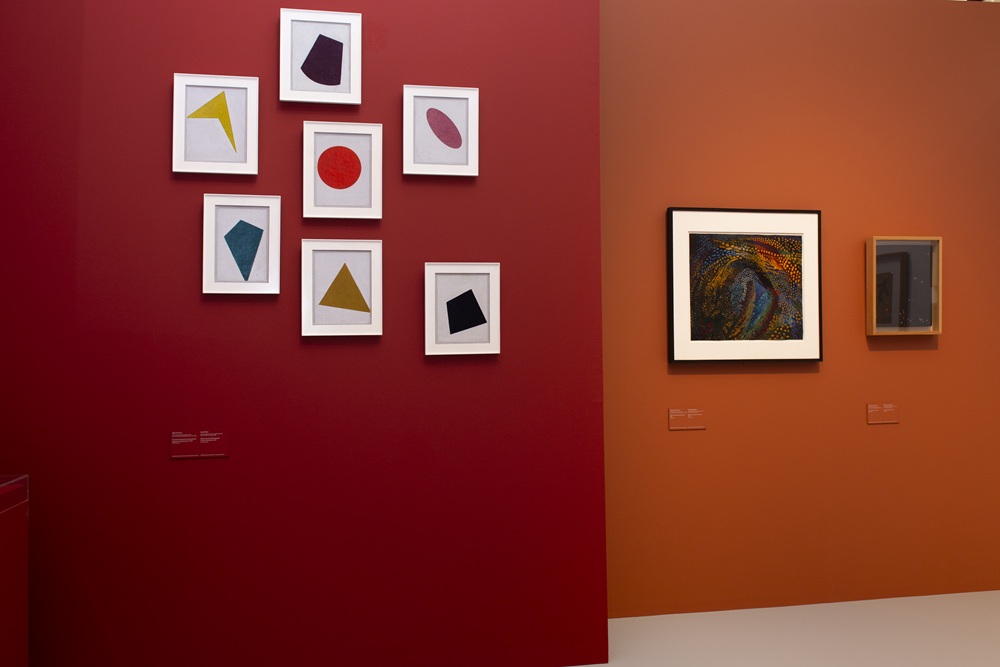
A view of the exhibition
The exhibition unfolds within and around a pavilion reminiscent of those found at international expositions, creating a unique spatial experience. The visitor’s path is not linear but leads them through a continuous alternation between open and enclosed spaces, enhancing the sense of discovery. Inside the pavilion, separate “rooms” are organized, where the main thematic sections are presented: City, Nature, Humanity, and the Universe.
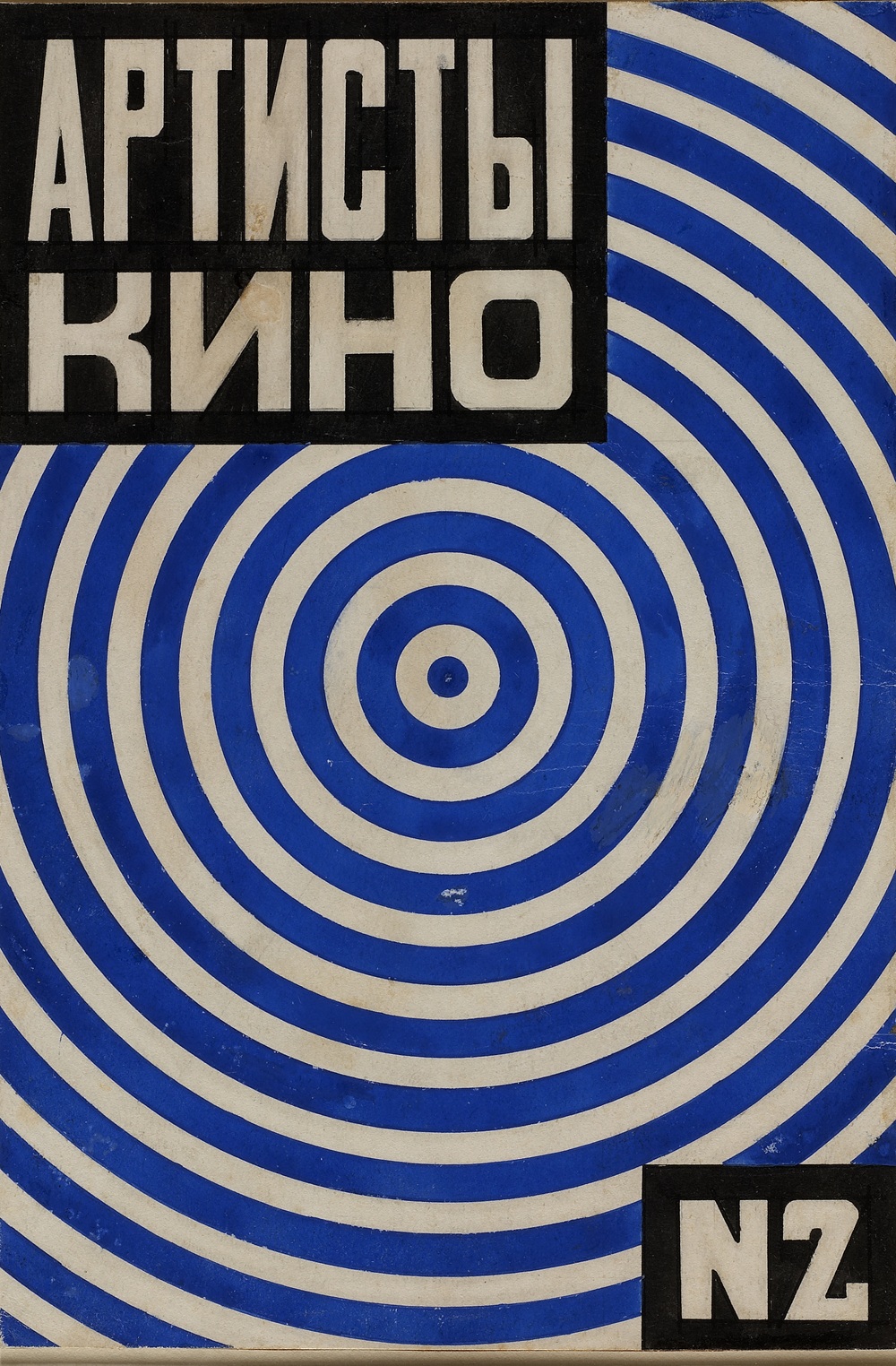
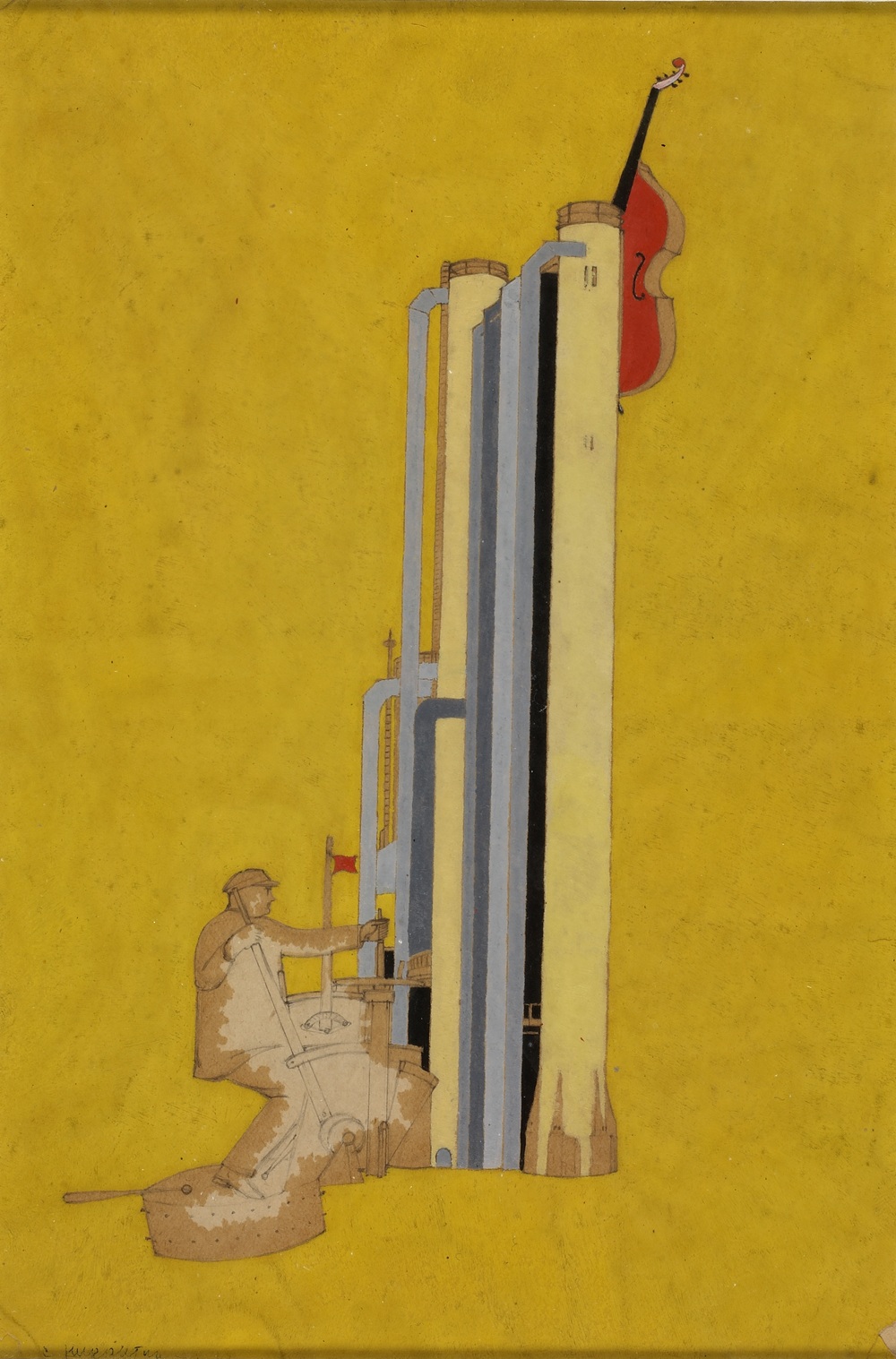
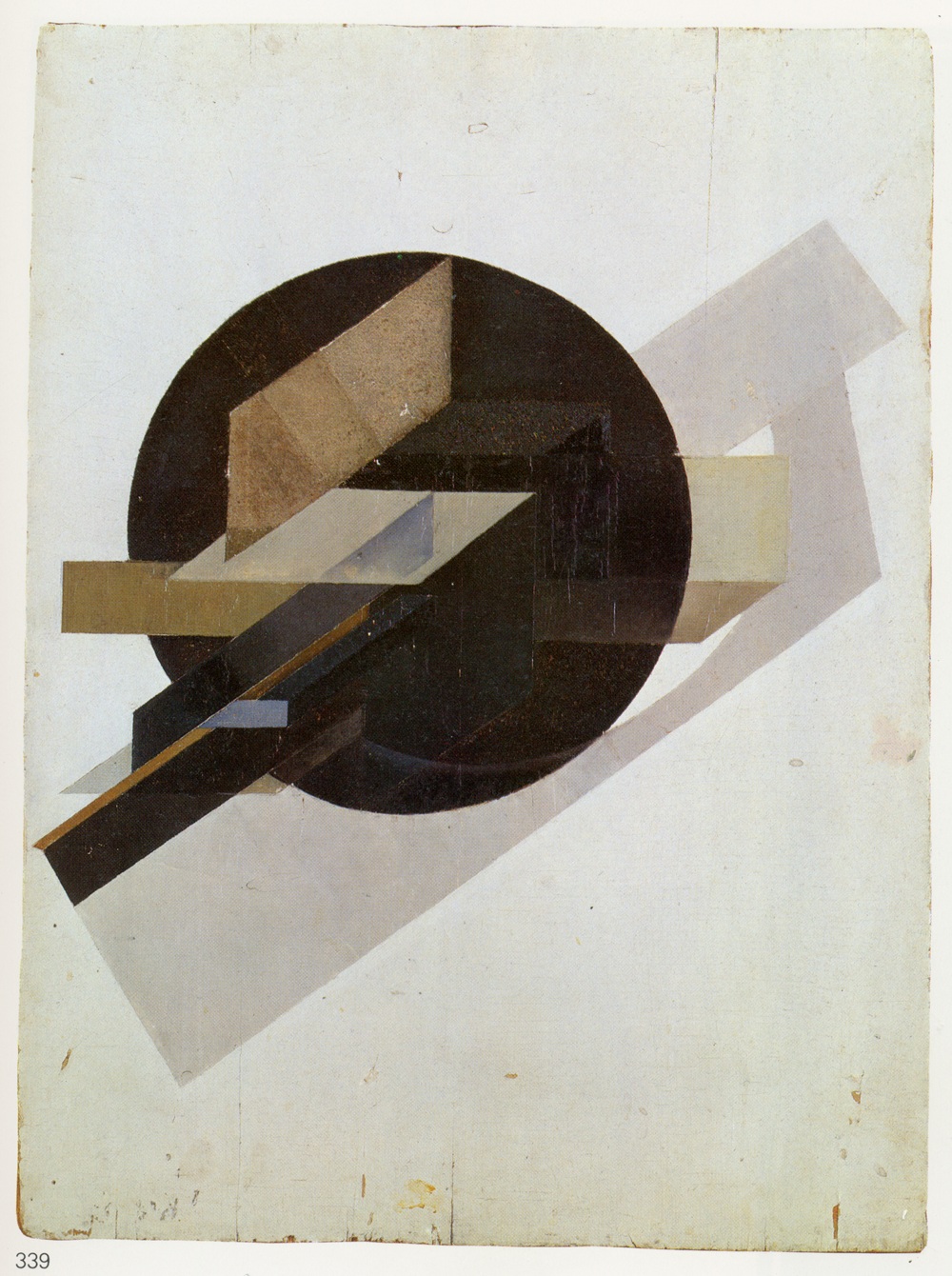
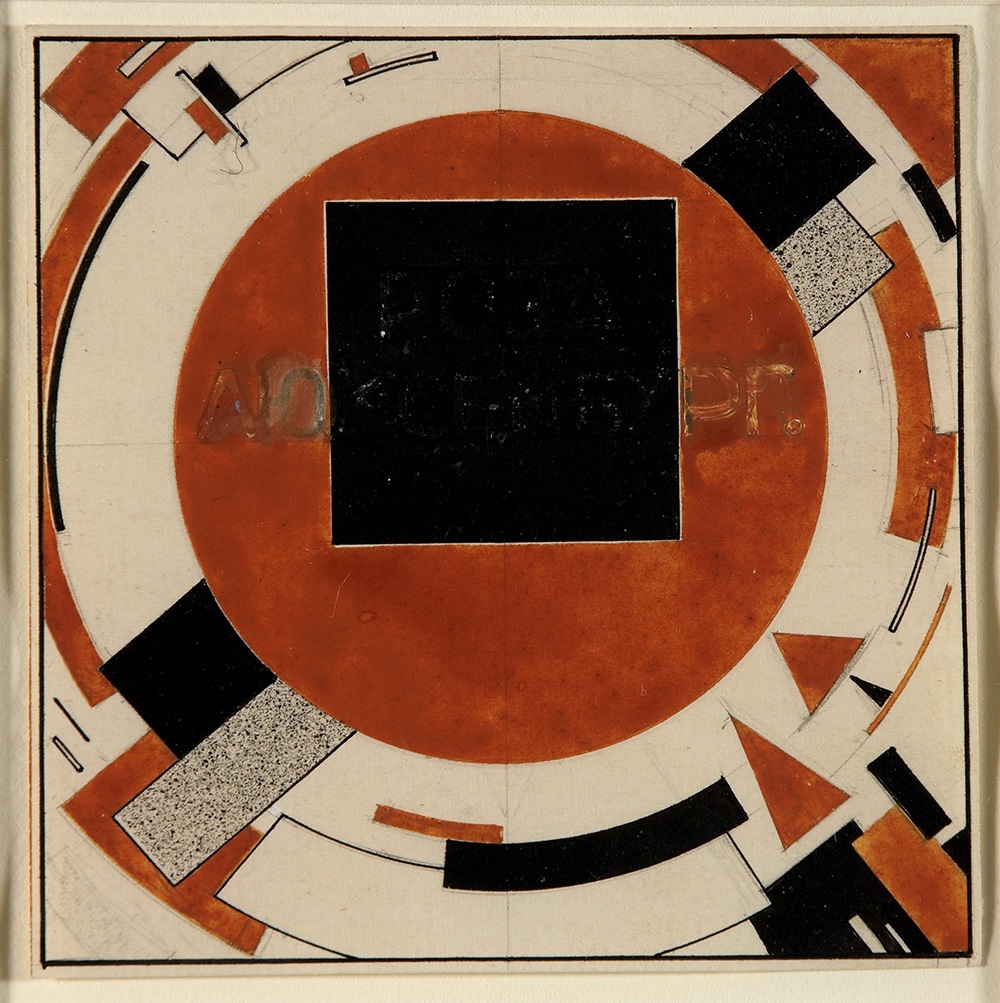
The City section captures the transition to a modern way of life, where technology and industry are radically transforming everyday life. Artists seek new forms of expression that respond to this change, emphasizing geometry, functionality, and simplicity. Art is linked to architecture, design, and mass production, proposing a new role for the artist within society.
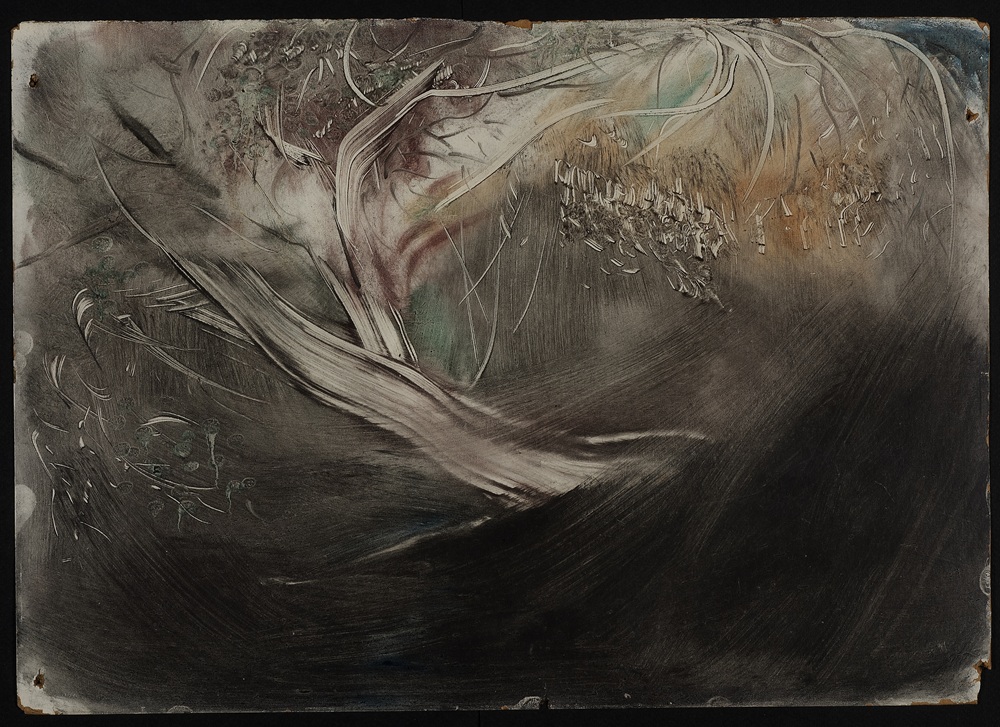
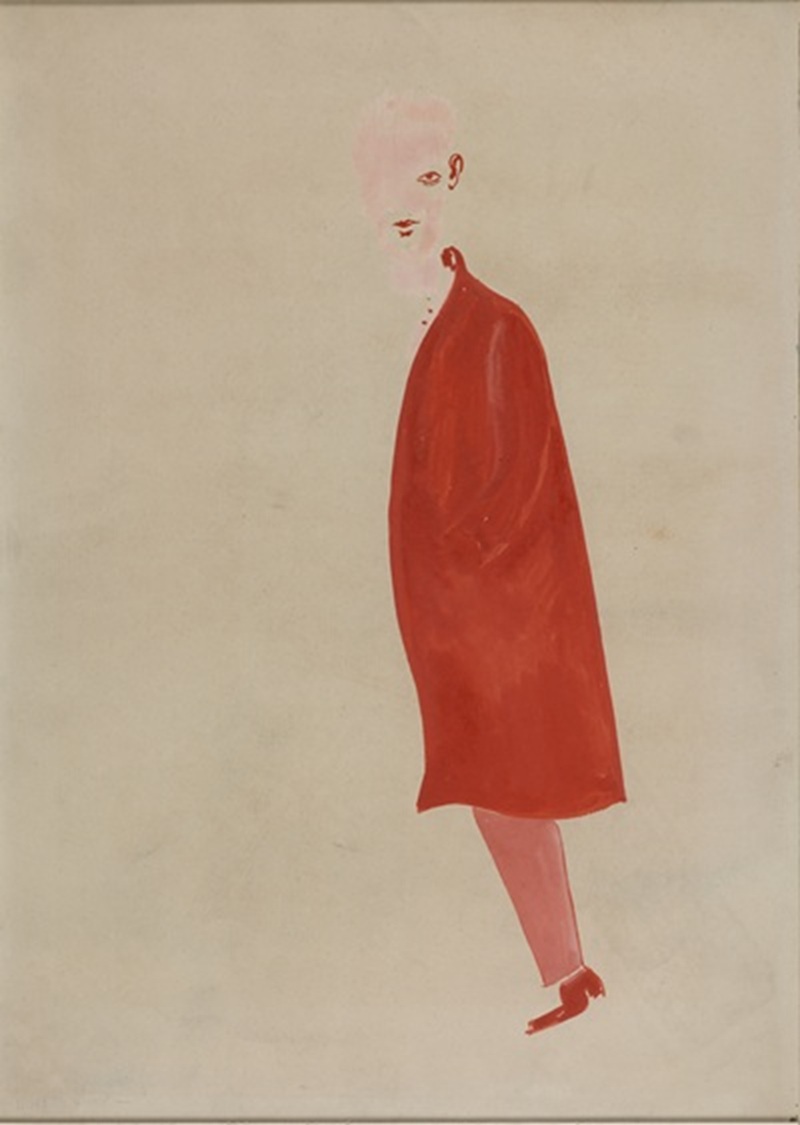
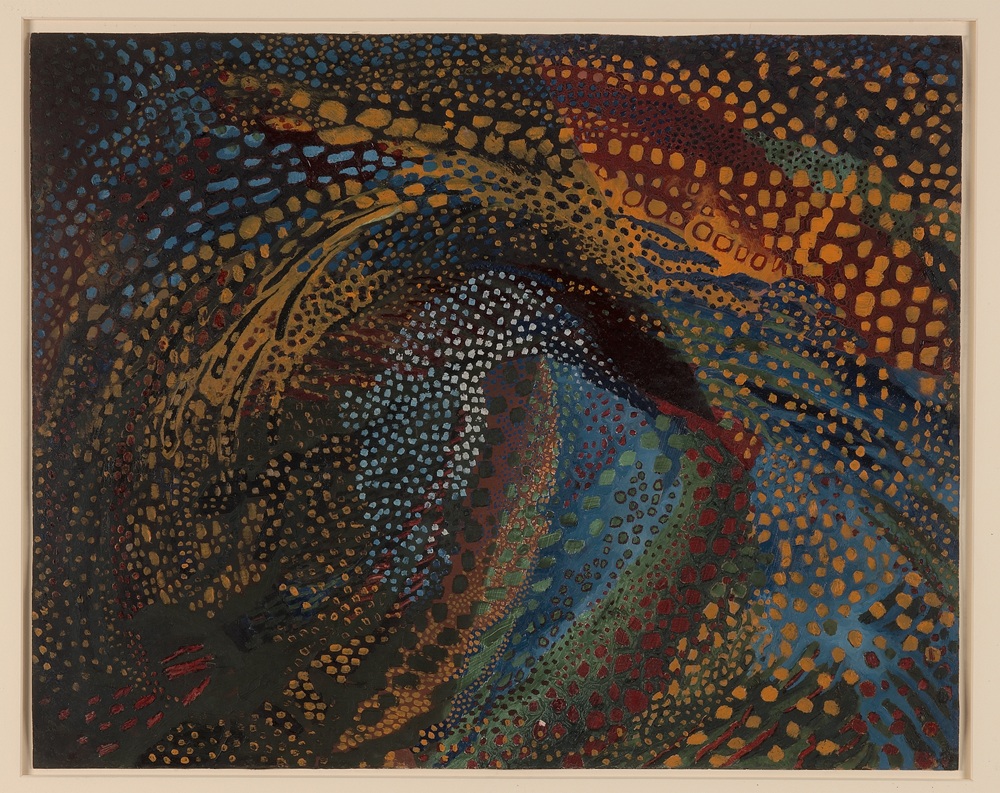
In the Nature section, the focus shifts to the organic world. Here, starting with the oldest and most representational works in the collection (such as the early works of Malevich and Popova), we are led to new experimental approaches to the forms, movement, and transformations of the natural environment. Nature is presented not merely as a subject, but as a dynamic system in which humans are embedded and with which they interact.
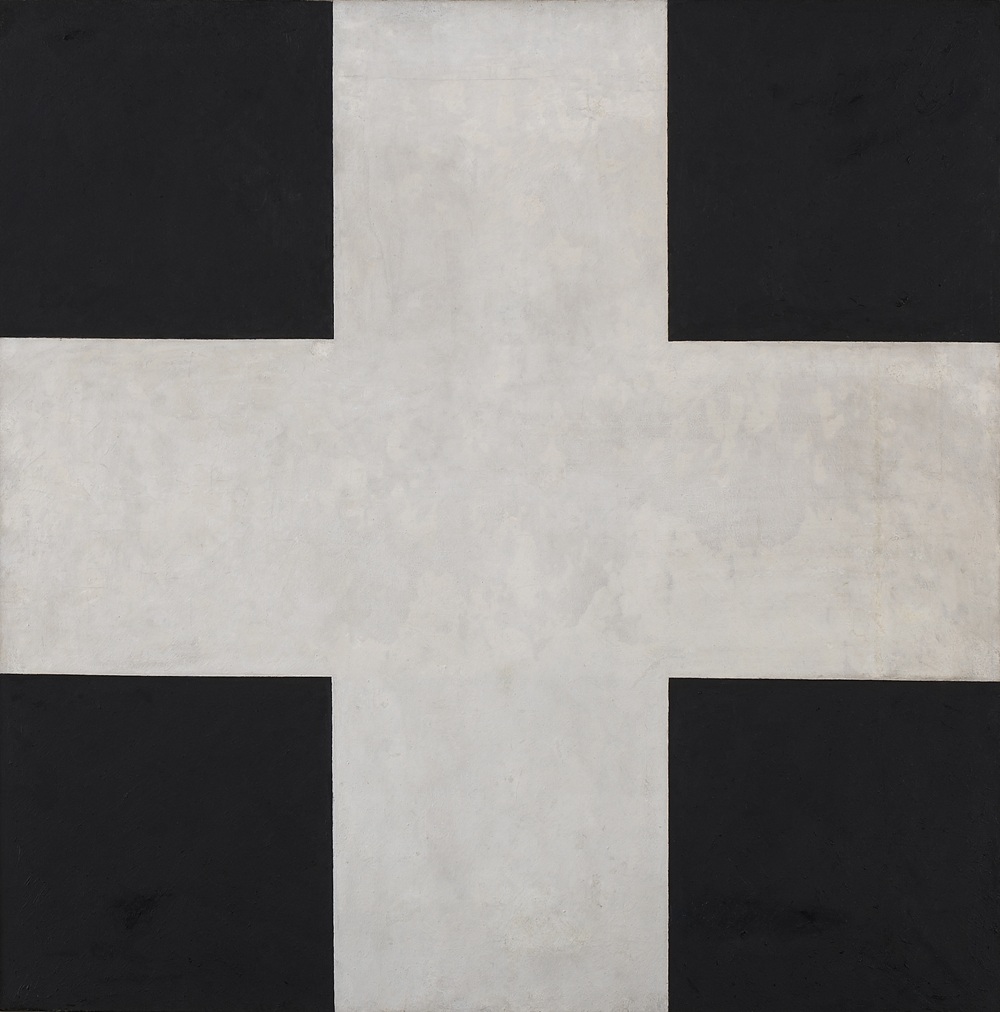
In the “Universe” section, art takes on a highly abstract and philosophical dimension. The artists turn toward the unknown and the infinite, attempting to transcend the boundaries of visible reality. Through experimental compositions, the desire to explore and expand knowledge is expressed, as well as the need to develop new ways of understanding the world. Man serves as the connecting link between all sections. They are the active subject that interacts with them. In this section, humans are presented as creators, researchers, and agents of change who, through art, seek to redefine their place in the world and envision a different future.
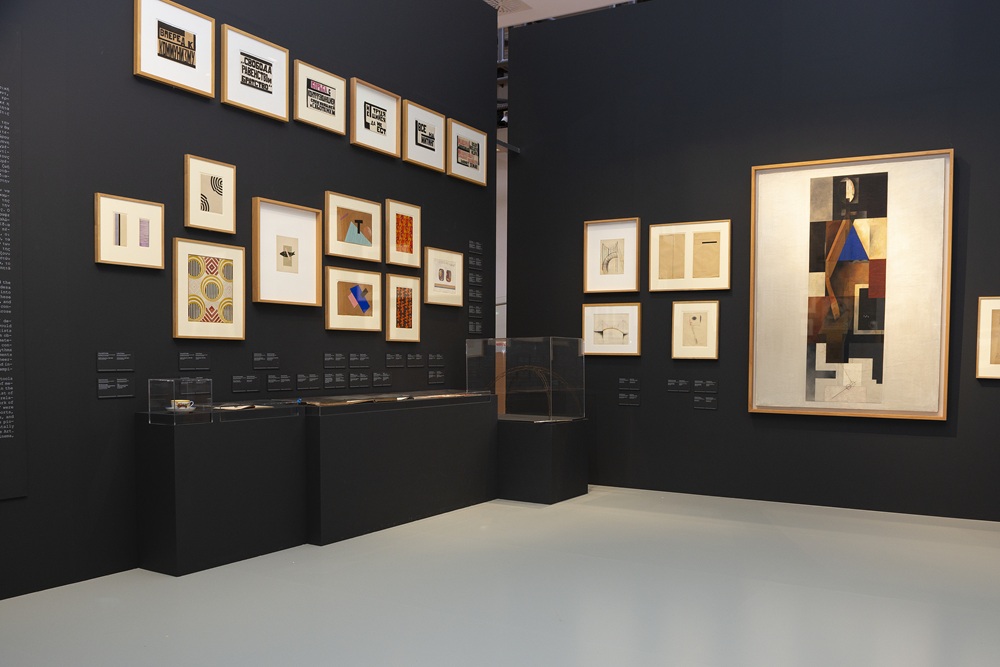
A view of the exhibition
The thematic sections are not limited to the interior of the pavilion but extend to its exterior as well. Inside and around the pavilion, films from the experimental cinema of the era are screened, enriching the visitor’s experience. At the same time, special attention is given to the historic 1995 exhibition through archival material, photographs, and audiovisual presentations that highlight its significance for the Greek art scene. The tour concludes with a documentary dedicated to the collector himself, offering a more personal glimpse into the man behind the collection and shedding light on his passion and vision.
Both the selection of works and the way they are presented create a multi-layered experiential environment, where visitors engage with the Russian avant-garde and connect it to contemporary concerns. In this way, the exhibition becomes a truly immersive experience, one that certainly isn’t exhausted in a single visit, but rather fosters a desire to return, revealing new aspects and interpretations of the works each time.


Leave A Comment