
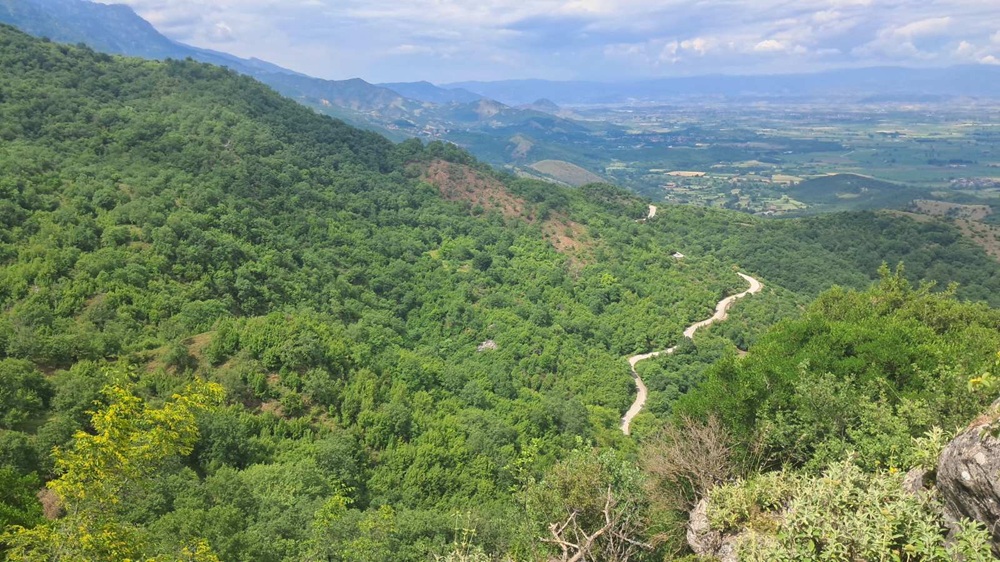
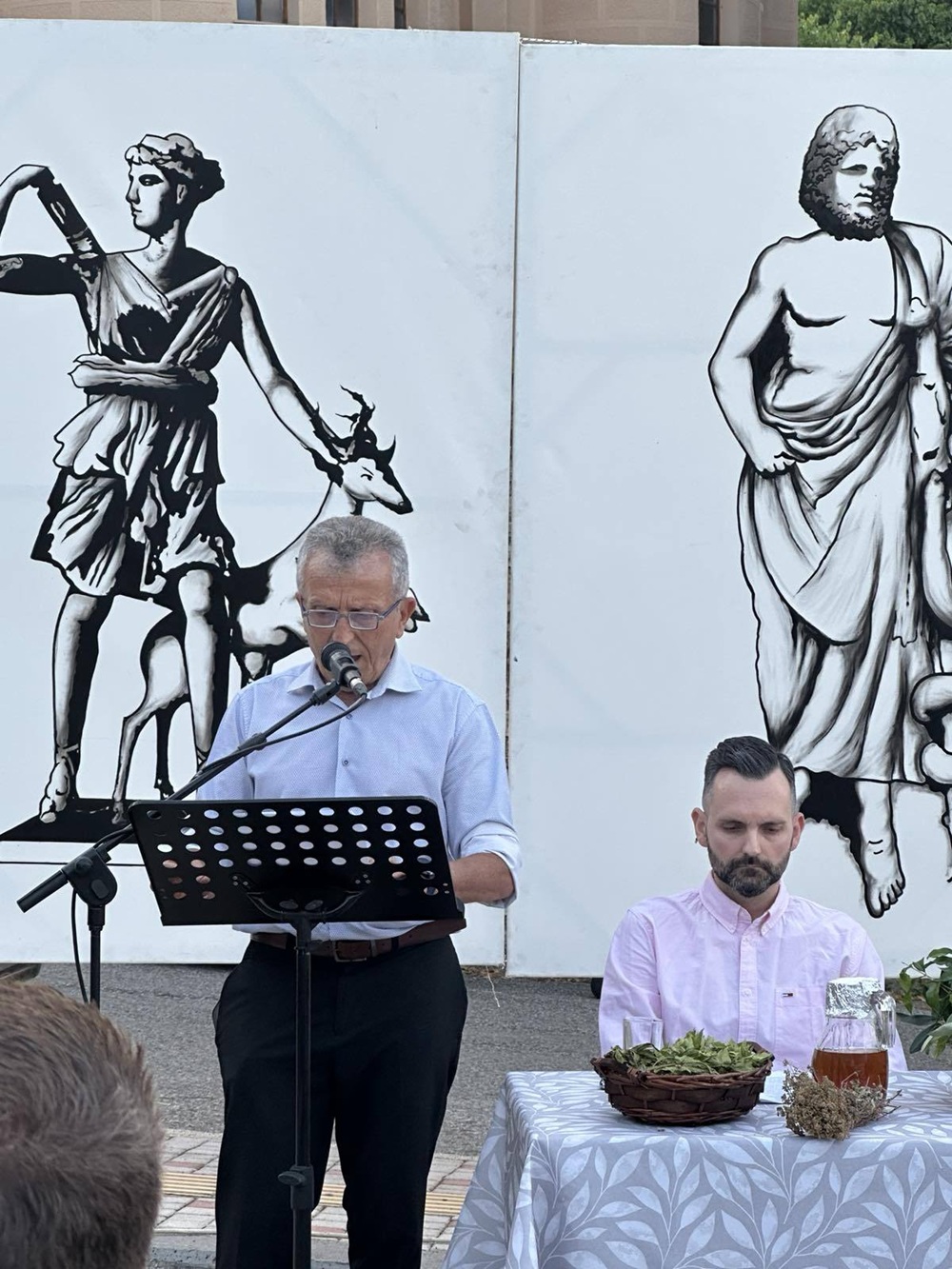
Vasileios Pafilis, President of the Municipal Community of Pialeia, is calling for an investigation into an important archaeological site.
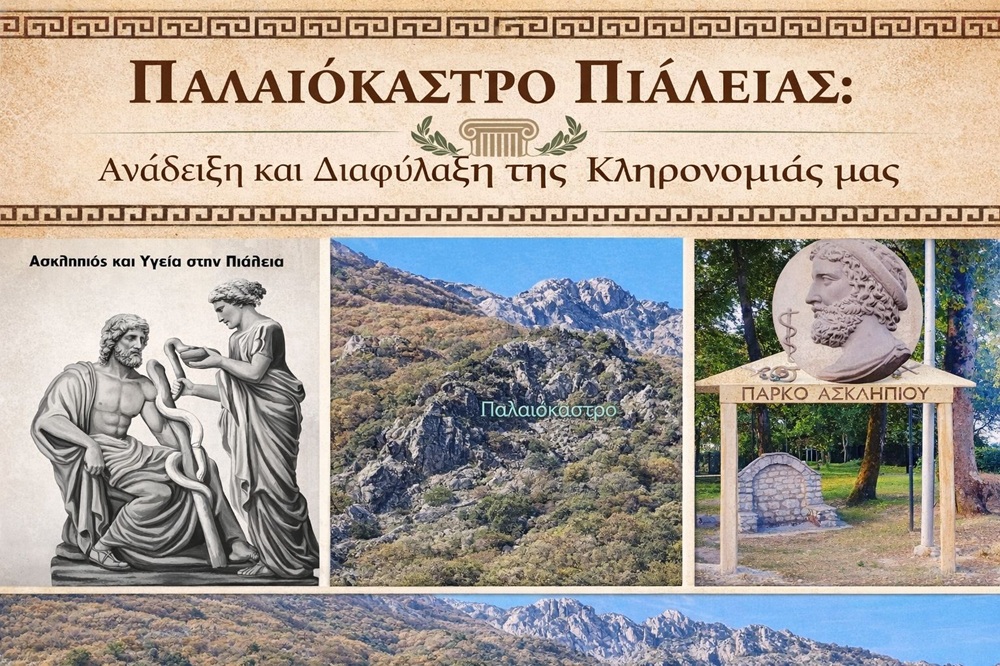
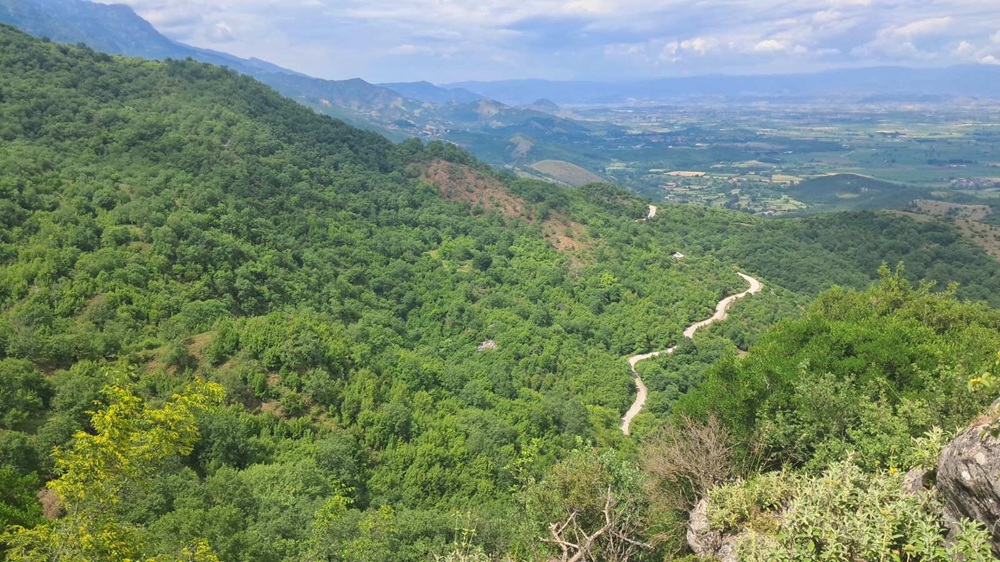
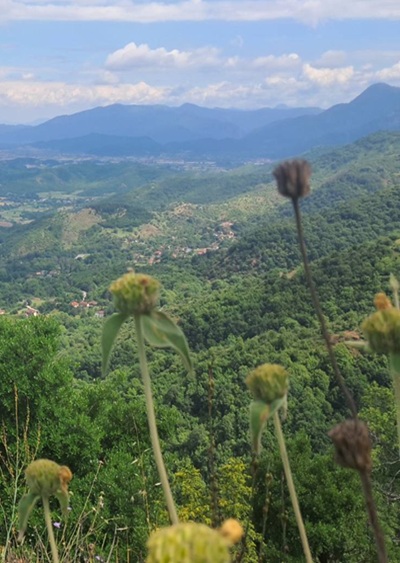
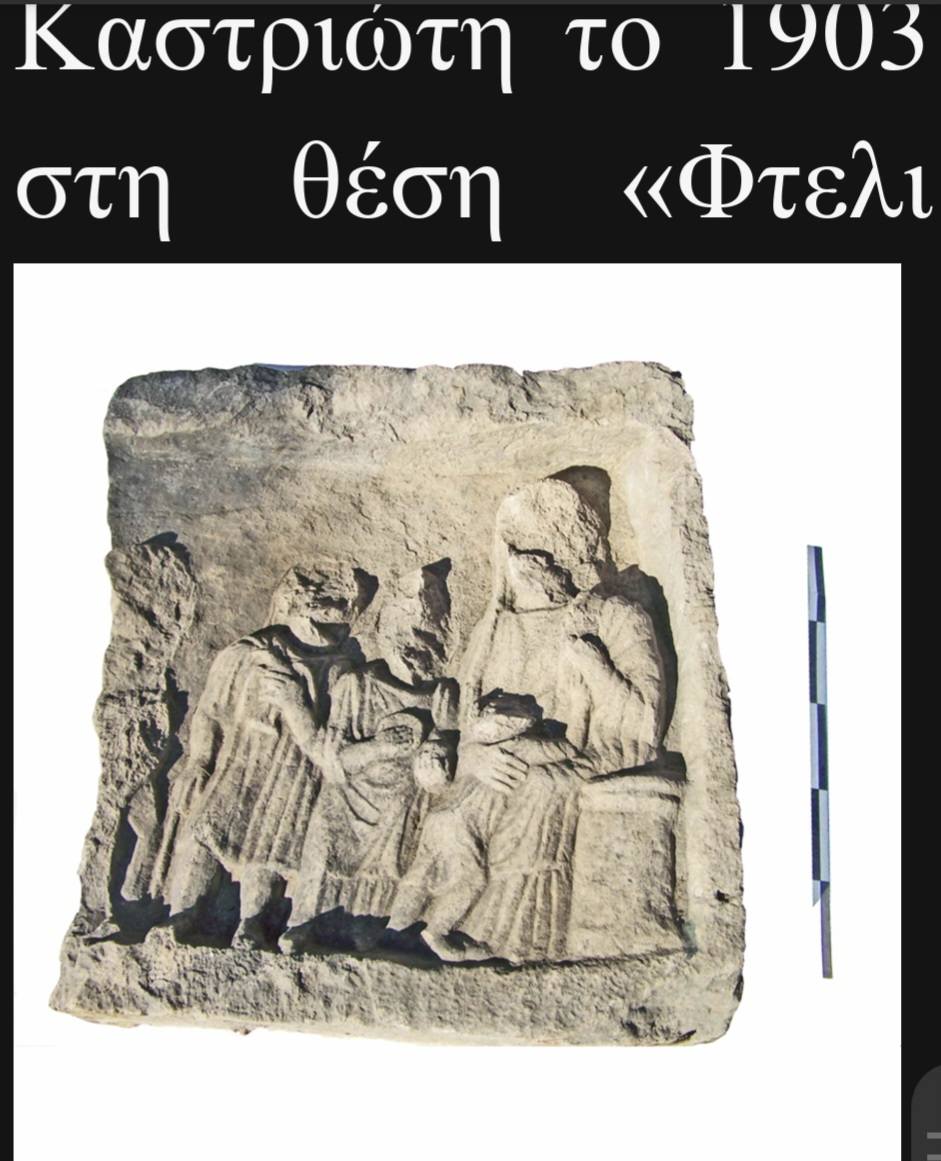
At the Paleokastro site in Pialeia, at the foot of Mount Koziakas, significant archaeological finds have been discovered since 1902 during excavations led by archaeologist Panagiotis Kastriotis.
The findings include:
• sections of ancient walls
• pottery and architectural remains
• metal objects
• military equipment
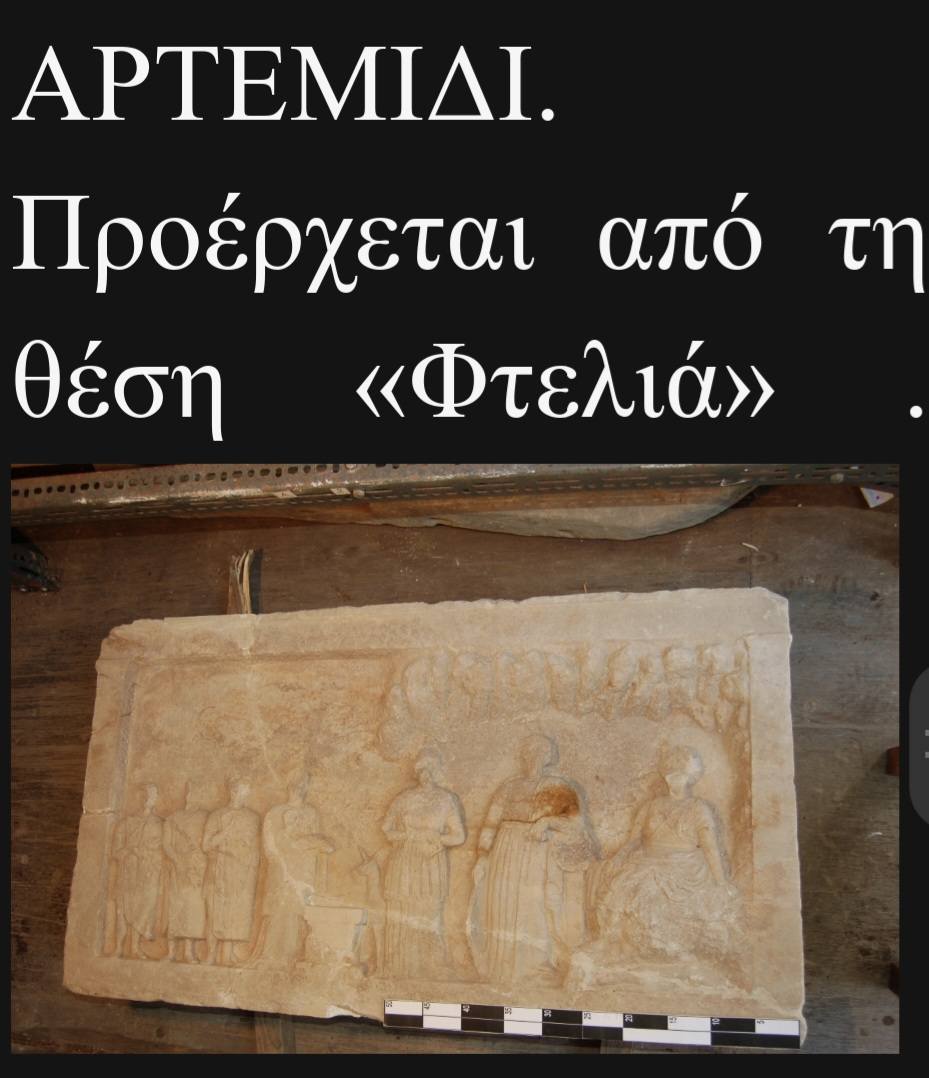
• religious monuments.
Of particular interest is the mention of a pharmacy, a fact that reinforces the region’s likely connection to ancient medicine and the cult of Asclepius.
The Community of Pialeia proposes collaboration on:
• surface archaeological survey
• geophysical survey
• excavation work
• summer field schools for students
• interdisciplinary study of the area.
This collaboration could make a significant contribution to our understanding of the region’s history and to the establishment of an important field of academic research in Thessaly.
Finds from Palaiokastro (Kastriootis’ excavations of 1902 (see *The Asclepieion at Trikki*, Athens 1902, 29–37)):
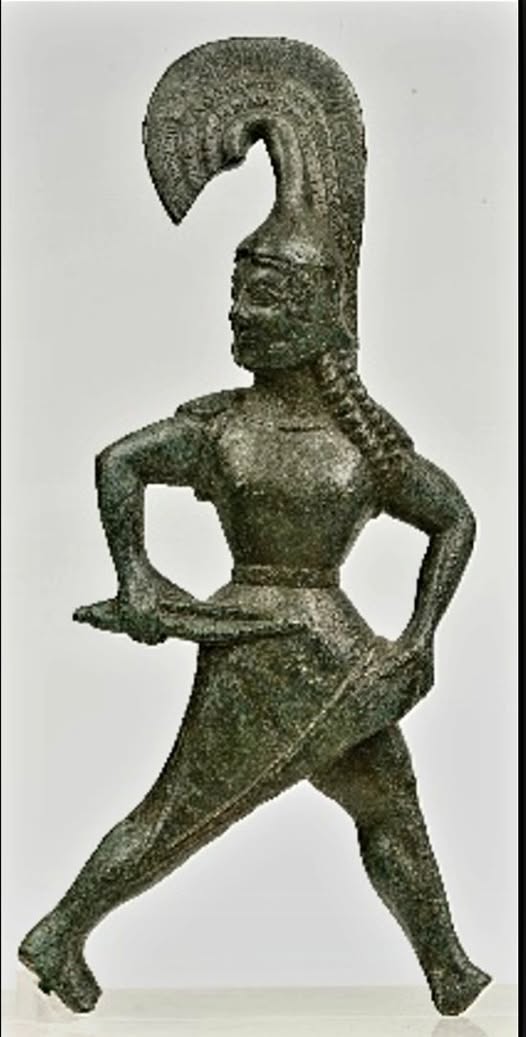
1. A bronze figurine of an Amazon, currently on display in the permanent exhibition of the National Archaeological Museum.
2. A bronze right wing of a small statuette, small bronze fragments (6 pieces) from a vase, a bronze cross-shaped object from horse gear, a bronze buckle without its pin, 6 bronze rings, bronze vessel handle, bronze shield, bronze awl with a knob-shaped head, bronze spearhead, two iron sword blades, five iron spearheads, an iron spearhead in two pieces, fifteen iron nails, a bronze helmet crest, two iron objects, a bronze pair of scissors in two pieces, and six bronze rings.



Leave A Comment