How can the collections of a museum or library help address contemporary social and environmental challenges?
How can the preservation of cultural heritage be linked to education, social cohesion, and sustainable development?
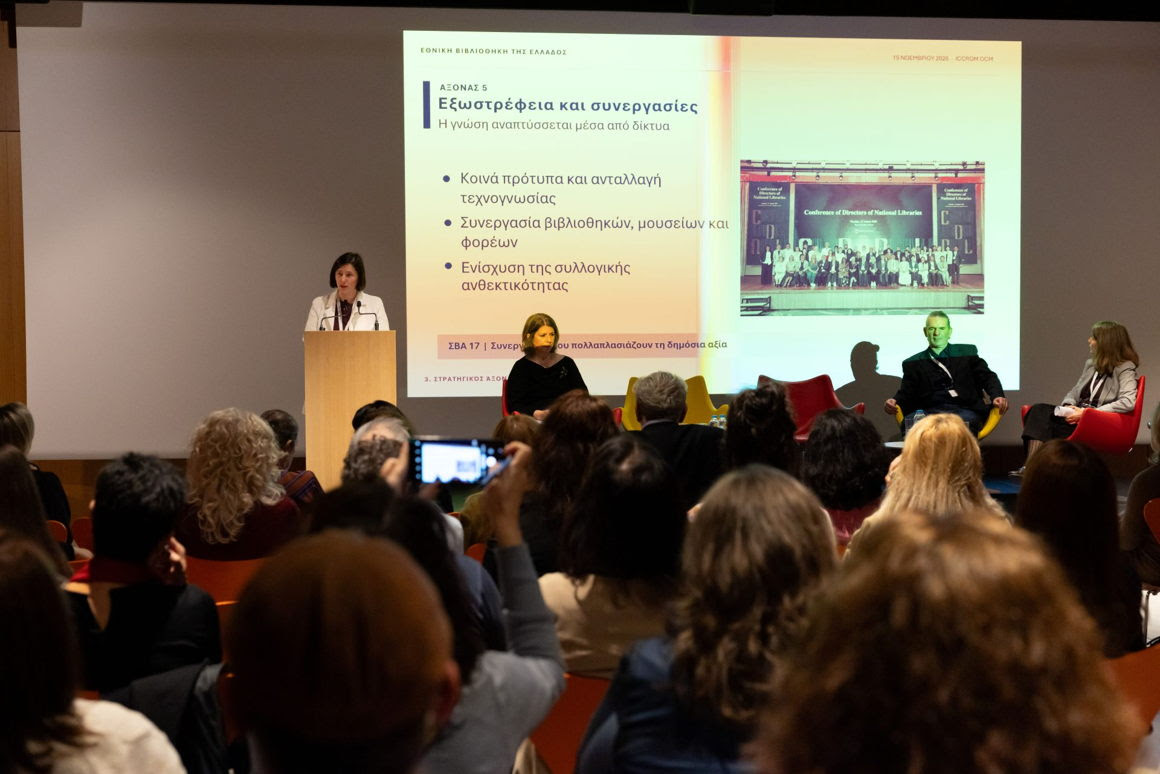
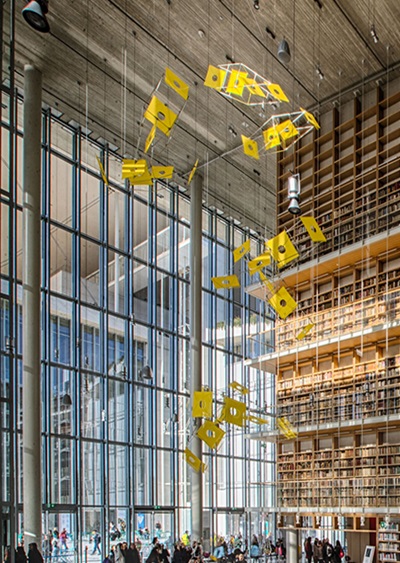
These questions were at the heart of the conference “Museums and Libraries for Sustainable Development,” which took place on November 19, 2026, at the National Library of Greece (NLG), at the Stavros Niarchos Foundation Cultural Center, as part of a three-day event running from November 18 to 20.
The initiative is part of Greece’s participation in ICCROM’s international program “Our Collections Matter” (OCM), which highlights the potential of cultural collections to contribute to the achievement of the UN’s 17 Sustainable Development Goals and 169 specific targets, with a focus on people, the planet, prosperity, peace, and cooperation. To implement the program in Greece, the Ministry of Culture, as the National Hub for museums, and the National Library of Greece, as the National Hub for libraries, are collaborating.
This collaboration brings together two fields with different scholarly traditions but a shared public mission: the preservation of collective memory and its utilization for the benefit of society. Furthermore, it highlights the contribution of cultural heritage to sustainable development and the contemporary social role of cultural organizations.
Sustainability as a Strategic Choice for the National Library
Dr. Chrysa Nikolaou, Director General of the National Library of Greece, focused on the role of libraries as agents of sustainable development in her presentation titled “From Collections to Sustainable Development: The Strategy of the National Library of Greece.” Highlighting the close connection between sustainability and the public mission of libraries, she presented how these principles are incorporated into the National Library of Greece’s Strategic Plan 2026 –2030 through the protection of cultural heritage, digital transformation, equitable access to knowledge, and the strengthening of partnerships.
Moreover, one of the most important priorities of the 2026–2030 Strategic Plan is to strengthen the National Library as the central hub of the Greek library ecosystem, a strategic choice that stems from its national institutional role and from the need to strengthen collaboration, the dissemination of best practices, and the exchange of expertise. The significance of this strategy for the national networking of libraries is particularly important in the field of sustainable development.
At the same time, he emphasized the need to assess the contribution of libraries not only based on the scope of their activities, but primarily in terms of their substantive social impact, that is, their ability to enhance learning, reduce inequalities, and expand opportunities for citizen participation.
Summarizing this approach, he noted: “The significance of our collections lies not only in what they allow us to know about the past, but also in what they allow us to understand, decide, and shape for the future.”
From Strategy to Action: Joint Initiatives and Exchange of Expertise
The workshop highlighted the scope of cooperation between the NLG and the Ministry of Culture through presentations by officials from both organizations, presentations of research findings, and examples of best practices. The proceedings were organized around three thematic areas:
● sustainability and strategy,
● the role of cultural collections,
● and the presentation of best practices from museums and libraries.
Among other things, the presentation covered the operations of the two National Hubs of the OCM program, the results of a study on the relationship between cultural heritage and sustainability, as well as the Guide for Designing Participatory Activities for Public Archaeological Museums and Libraries, a practical tool for linking cultural collections to the Sustainable Development Goals.
Presentations of educational initiatives by archaeological museums, the Museum of Byzantine Culture, the Library of the Hellenic Parliament, and the National Library of Greece, which highlighted different ways in which cultural artifacts can serve as a catalyst for learning, raising awareness, and active participation.
Workshops on Collection Preservation and the Design of Participatory Initiatives
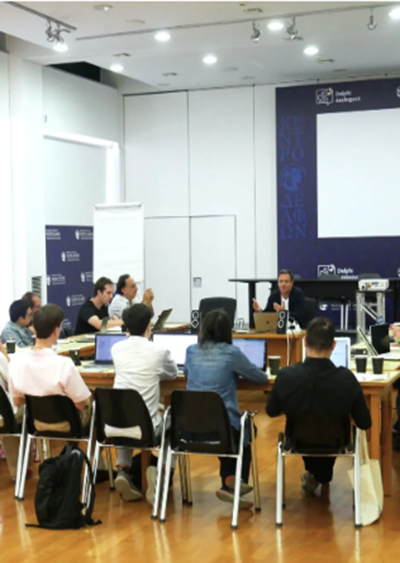
The event was complemented by two specialized workshops, held on November 18 and 20, aimed at sharing expertise and developing practical skills.
● The first workshop, titled “Packaging Collections: Protection and Sustainable Practices,” focused on appropriate methods and materials for storing and protecting collections. It included hands-on activities, such as the construction of supports, custom bases, and archival boxes.
● The second workshop, titled “Designing Awareness-Raising Activities,” focused on the basic principles of developing educational programs, with an emphasis on participatory planning of activities linked to selected Sustainable Development Goals.
Τα δύο εργαστήρια ανέδειξαν τις συμπληρωματικές διαστάσεις της σύγχρονης διαχείρισης πολιτιστικών συλλογών: την επιστημονικά τεκμηριωμένη προστασία τους και την ενεργό αξιοποίησή τους για την εκπαίδευση και την κοινωνία.
A Partnership with a Future
The collaboration between the National Library of Greece and the Ministry of Culture on the “Our Collections Matter” program is part of a broader effort to strengthen networking, the exchange of expertise, and the development of common methodological tools in the cultural sector.
Using their collections as a starting point, museums and libraries are called upon to redefine their relationship with society, linking the protection of cultural heritage with contemporary knowledge, education, and the active participation of citizens.
The message of the event is clear: Cultural heritage is not only a legacy of the past, but also a valuable resource for shaping a sustainable future.


Leave A Comment