By Venia Pastaka
Art Historian
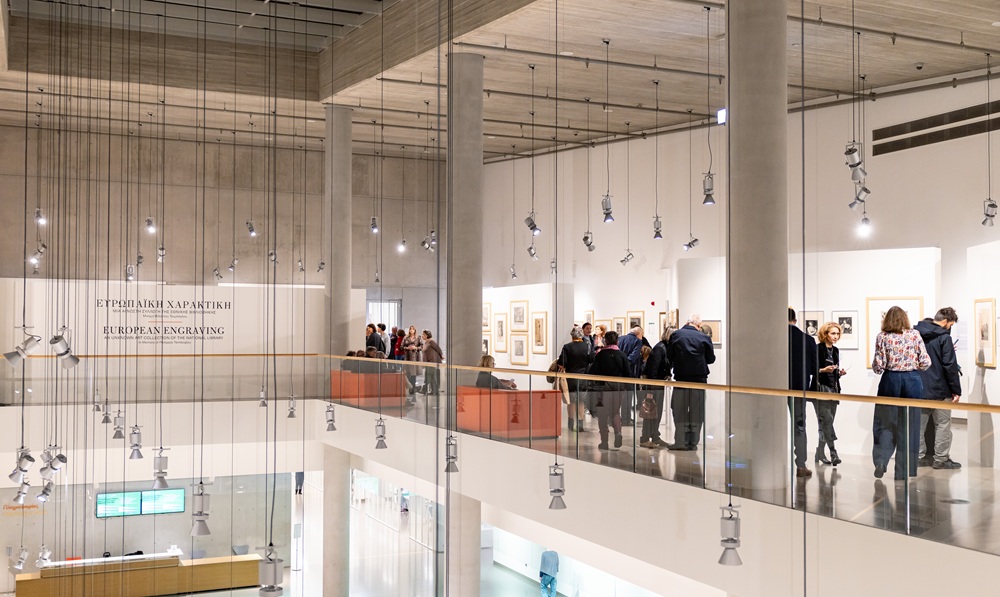
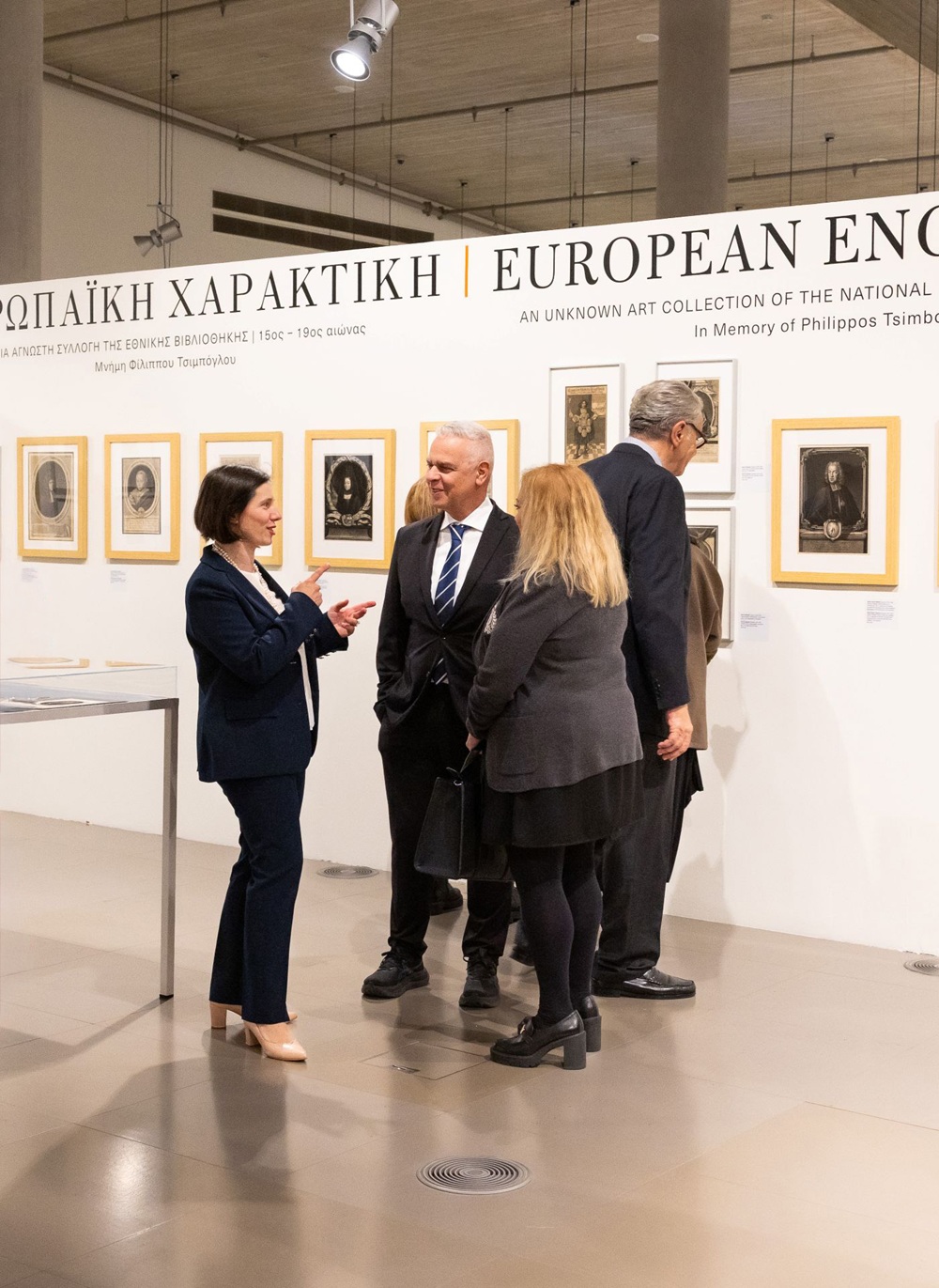
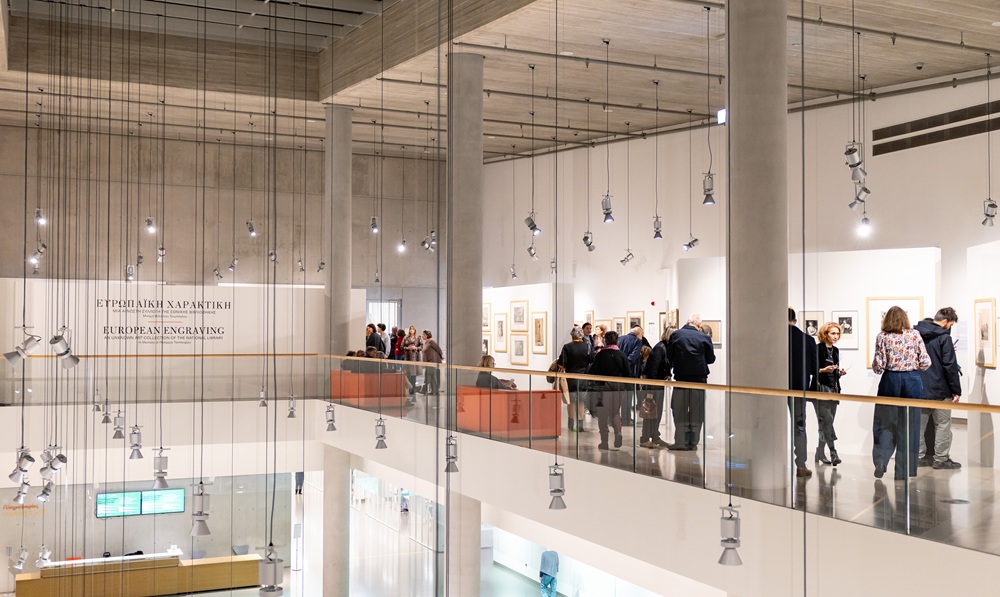
From November 12, 2026, through February 12, 2027, the public will have the opportunity to view up close part of the National Library of Greece’s significant collection of European engravings. The exhibition, held on the fourth floor of the library and curated by Socrates Loupas, is organized into seven thematic sections depicting religious subjects, portraits, mythological themes and allegories, musical themes, landscapes and animal paintings, as well as works by Jacques Callot and Francesco Bartolozzi.
The works in the exhibition date from the 15th to the early 19th century and bring together works by important artists, highlighting the evolution of European engraving through different eras, styles, and thematic approaches. The collection began to take shape in the mid-19th century, with donations dating back as early as 1841. These include significant donations from the collectors Alexandros K. Ionidis (1810–1890) and Ioannis Gennadios (1844–1932).
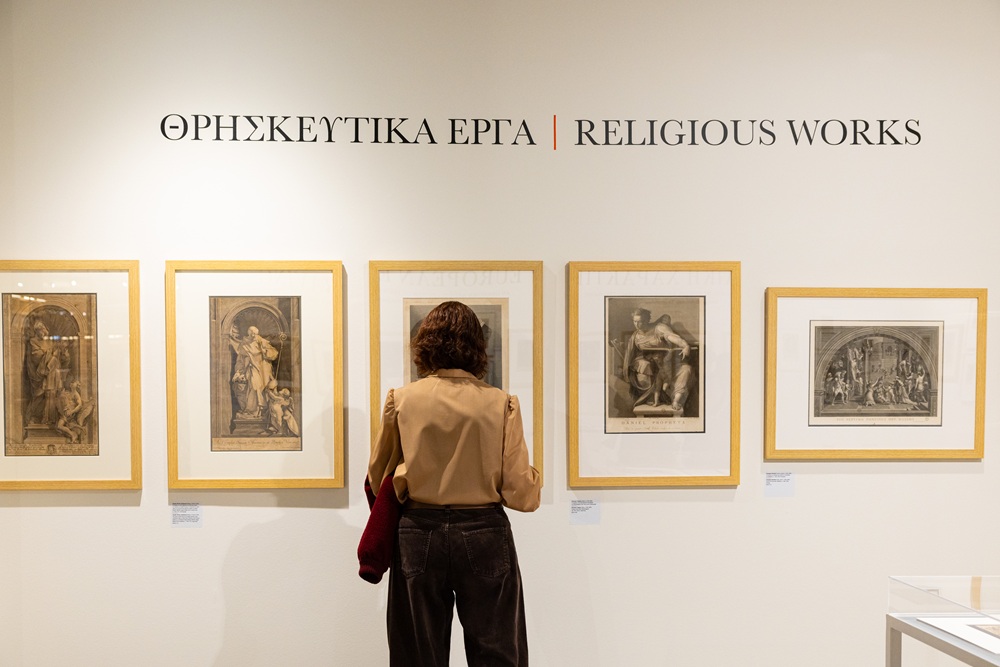
These include both original engravings and works that depict well-known paintings and sculptures. The works that depicted compositions by well-known artists during the 17th and 18th centuries played a decisive role in introducing a wider audience to important works of art located in other countries, which many were unable to visit. At the same time, they played a significant role in disseminating the artistic movements and aesthetic trends of each era. The tour of the thematic sections begins with the portraits, where visitors have the opportunity to admire 17th- and 18th-century works from major European workshops. This section features portraits of members of prominent families as well as merchants, officials, publishers, and others. The religious works, spanning the 15th through the 19th centuries, depict scenes from the Old and New Testaments, scenes from the Life of Christ, the Virgin Mary with the Infant Jesus, and various saints. Greek mythology, Roman history, and literature served as sources of inspiration for the third thematic section, which includes engravings dating from the 16th to the 19th centuries.
Of particular interest is the section on landscape art, featuring views of cities in Italy, France, Spain, Britain, the Netherlands, and Germany. The so-called “Portraiture” section features engravings from the 17th to the 19th centuries, with works by artists who specialized in this genre. Special mention should be made of the two significant sections featuring works by these two great engravers. Jacques Callot (probably 1592–1635), one of France’s most important engravers, depicted in his engravings landscapes of the Italian countryside, troupes of dancers and actors reminiscent of the Commedia dell’Arte, beggars, as well as representative figures from all walks of life in his era. Through his work, he offers a multifaceted portrait of daily life and the social conditions of his time. On the other hand, Francesco Bartolozzi (1728–1815), an artist who worked in Italy, England, and Portugal, was one of the leading engravers of his time. He particularly excelled in etching, color printing, and stipple engraving, and his work exerted a significant influence on later artists. His numerous followers helped shape a distinctive artistic school closely associated with his name.
The exhibition offers a unique opportunity to explore European printmaking and its multifaceted artistic evolution from the 15th to the 19th century. Through works from different periods and styles, visitors discover the evolution of printmaking as a form of artistic expression and how this art form has captured European society, history, religion, and culture. At the same time, the display of part of a historical collection from the National Library of Greece highlights the importance of preserving and showcasing artistic heritage, offering the public the opportunity to experience firsthand a fascinating aspect of European art.





Leave A Comment