Athens became the capital of the newly founded Greek state in 1834. Still littered with ruins from the Revolution, with its boundaries limited to the neighborhoods surrounding the Acropolis, it had to be transformed into a modern city, with an urban character, infrastructure, and street layout. The first urban plans by Kleanthis–Saubert (1833) and Kletsche (1834) reveal the aspiration for Athens to become a modern European city, worthy of its glorious ancient past.
However, this process was neither self-evident, nor unimpeded, nor automatic. Athens’ transformation to fulfill its role spanned decades, proceeding at times at a faster pace and at other times at a slower one.
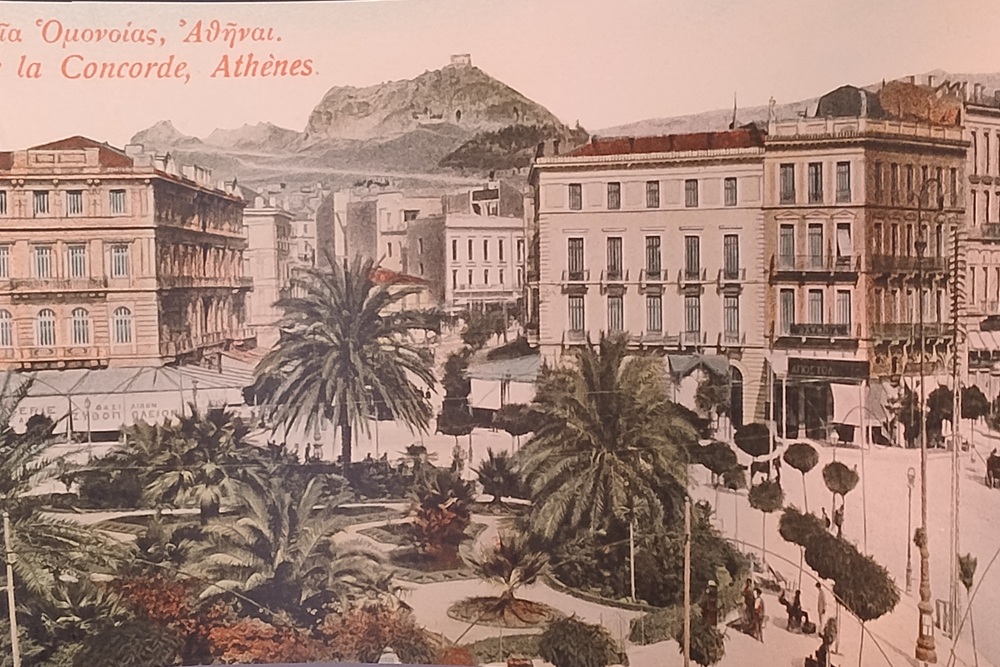
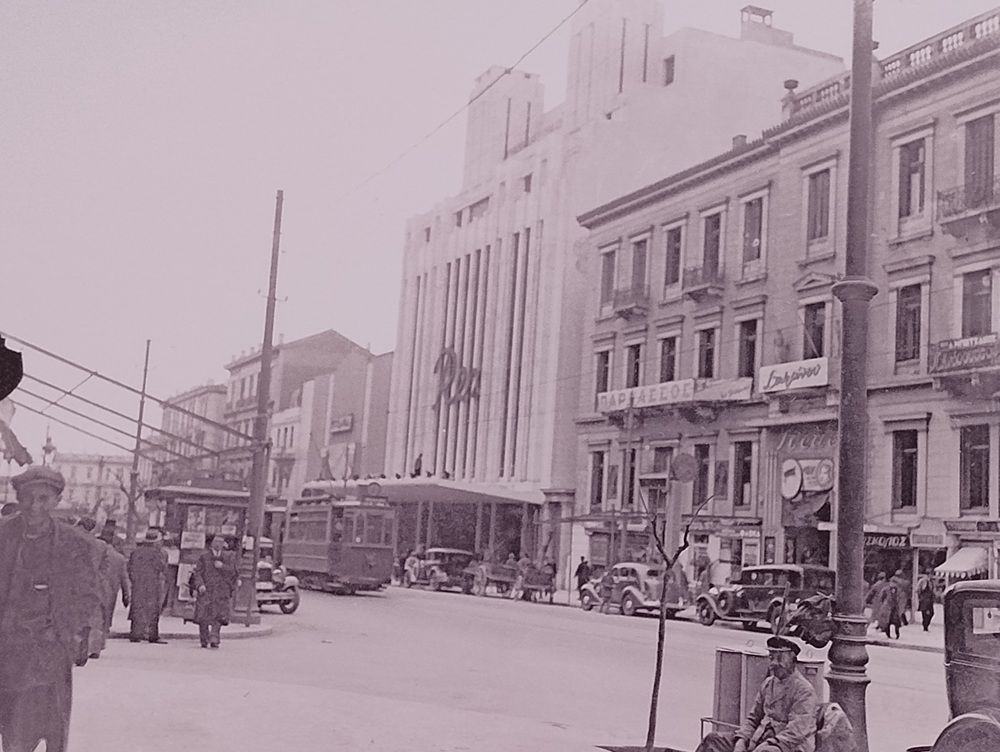
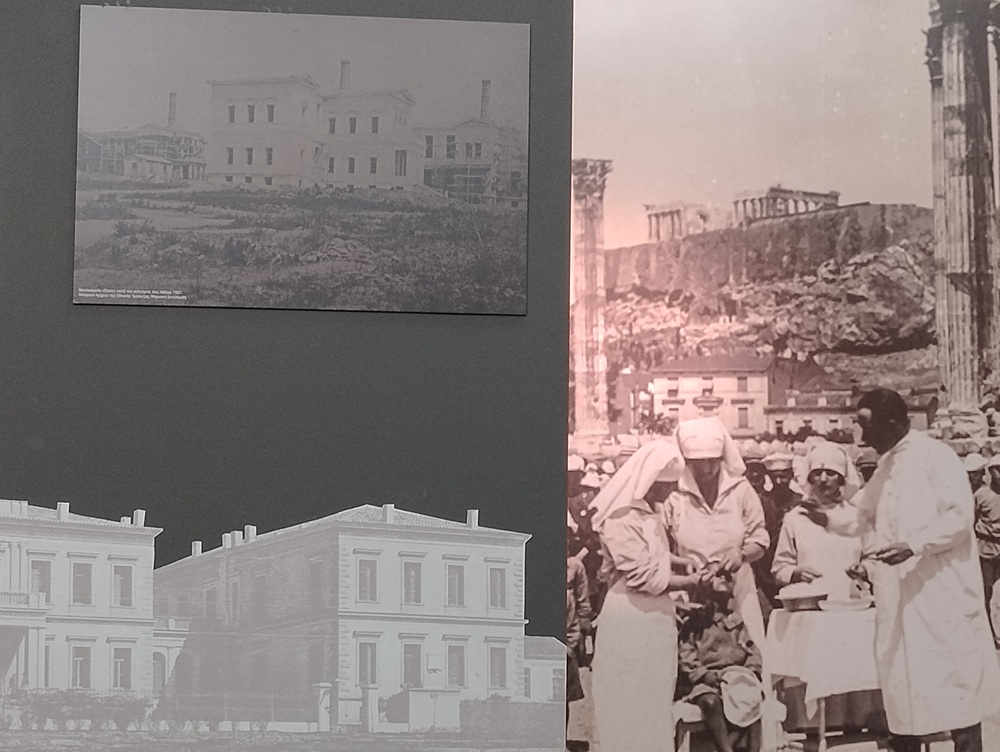
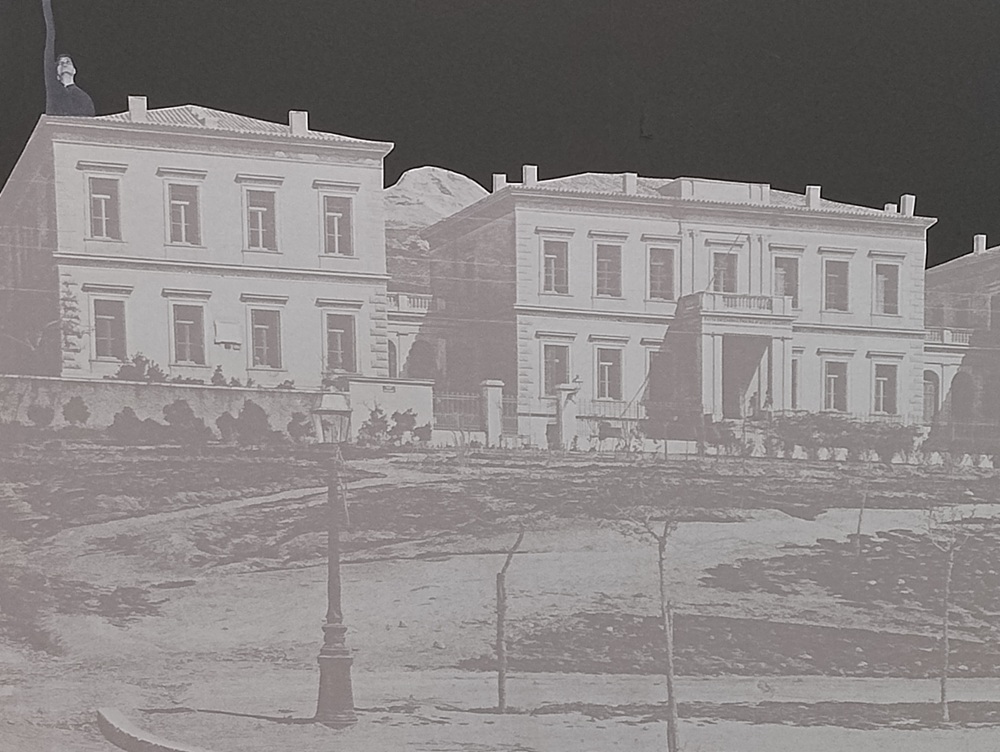
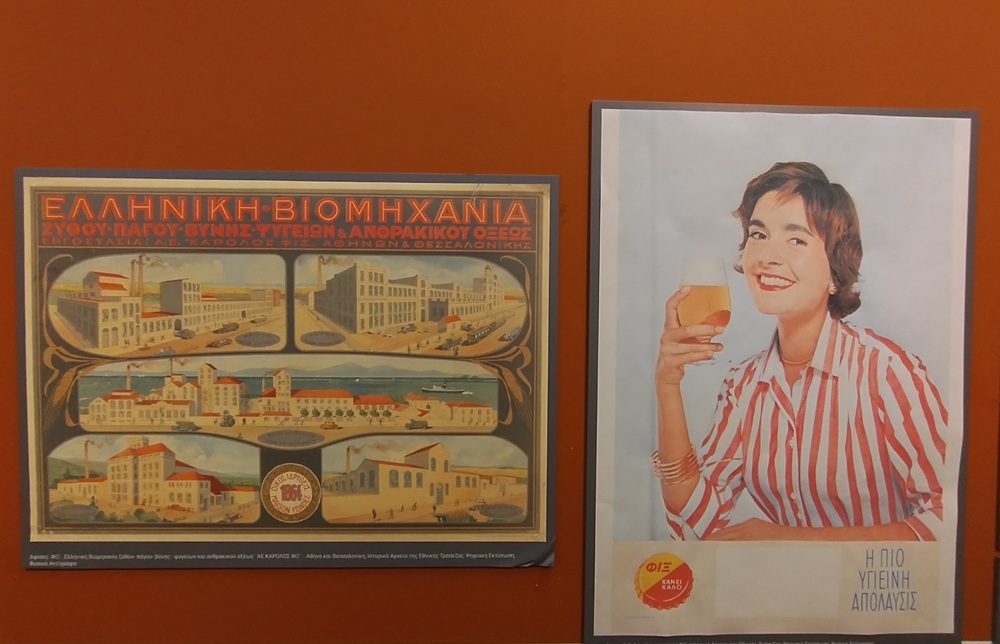
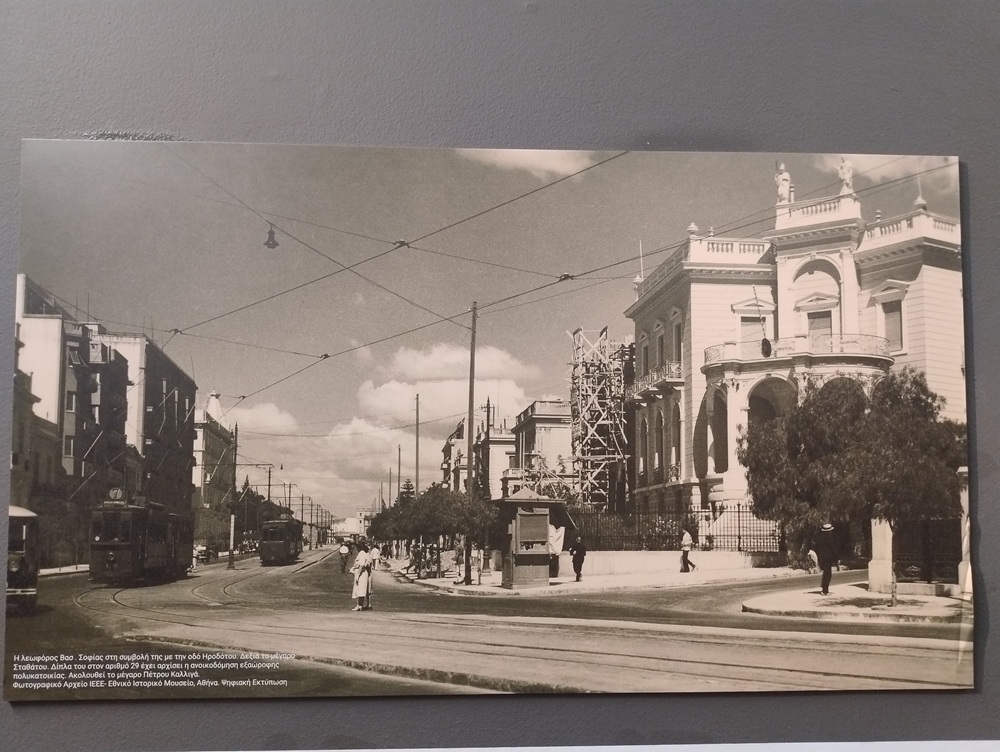
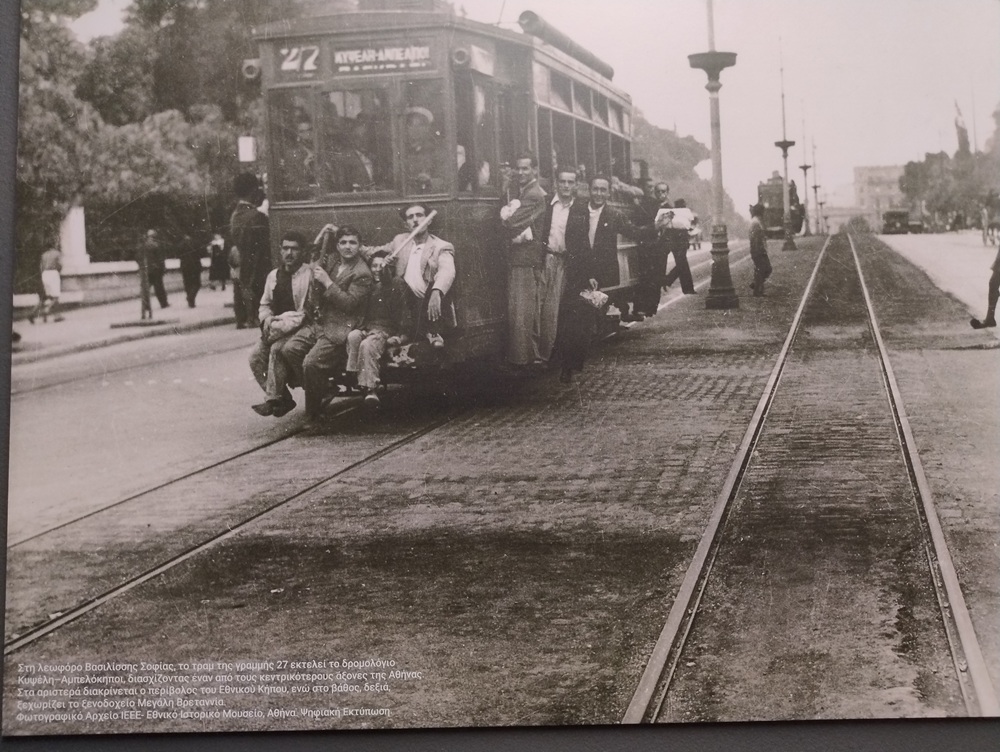
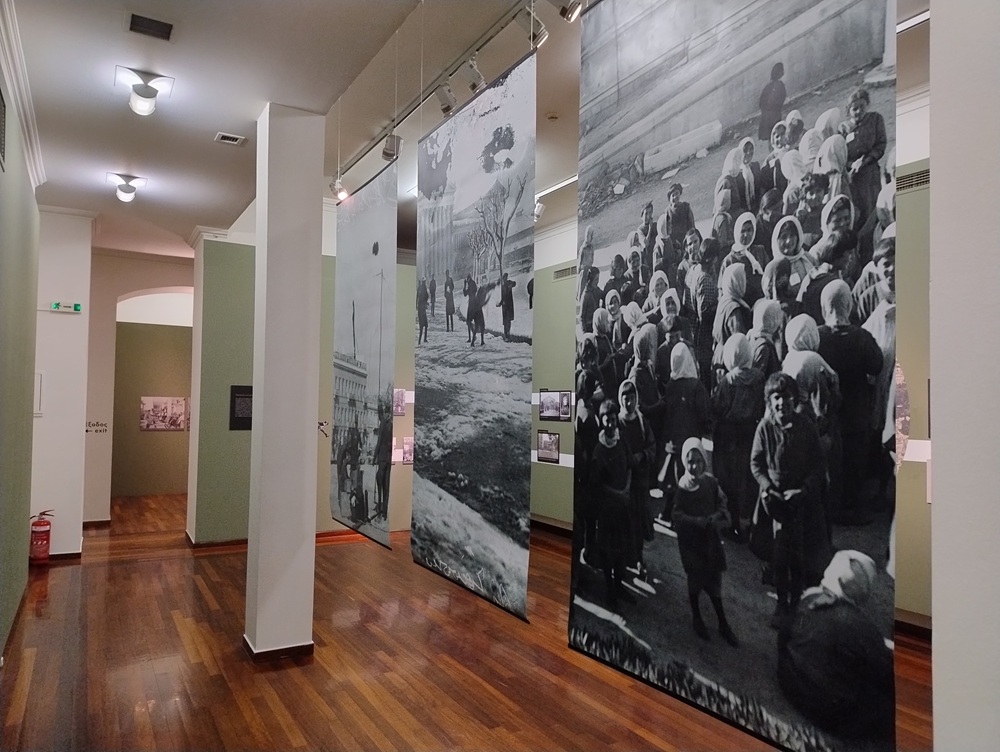
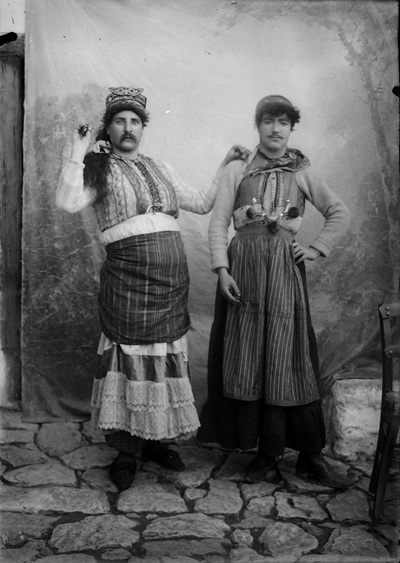
This process of transformation is the subject of the exhibition “Views of the City of Athens, 1841–1941” at the Eynardos Ηall. The materials used in the exhibition come from the Historical Archive of the National Bank of Greece, the MIET, as well as from the historical archives of other institutions, such as the Municipality of Athens, ERT S.A., the National Historical Museum, and the Greek Film Archive. The exhibition presents the urban fabric of Athens through the various functions, communities, and infrastructure that shaped the city during this period. Housing, industry, commerce, education, refugee resettlement, transportation, as well as major public and private buildings, come together to form a multifaceted narrative. This journey highlights not only the changes in the urban landscape but also the people, institutions, and social needs that gave Athens its modern character.
The exhibition is organized by the Interdepartmental Graduate Program “Heritage Management: Archaeology, City, and Architecture” of the Department of History and Archaeology at the National and Kapodistrian University of Athens, in collaboration with the Department of Architectural Engineering at the University of Patras and the Department of Cultural Technology and Communication at the University of the Aegean, in collaboration with the National Bank of Greece Historical Archive and the National Bank of Greece Cultural Foundation.
The exhibition is presented with the support of the Hellenic Parliament.
Major sponsor: The Georgios and Victoria Karelia Foundation
Hours: Wednesday, Thursday, and Friday, 9:30 a.m.–3:30 p.m.
Admission is free to the public.


Leave A Comment