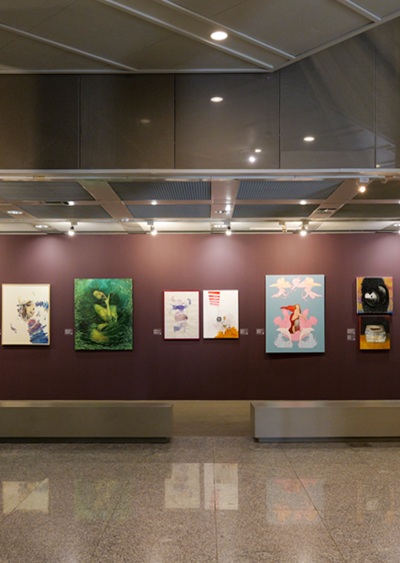
The exhibition SEDIMENTS is on view at the Monastery of St. Francis in the old town of Chania, bringing together for the first time two long-term, ongoing projects: CACHE by Stefania Orfanidou and LET US STOP AND WEEP by Georges Salameh.
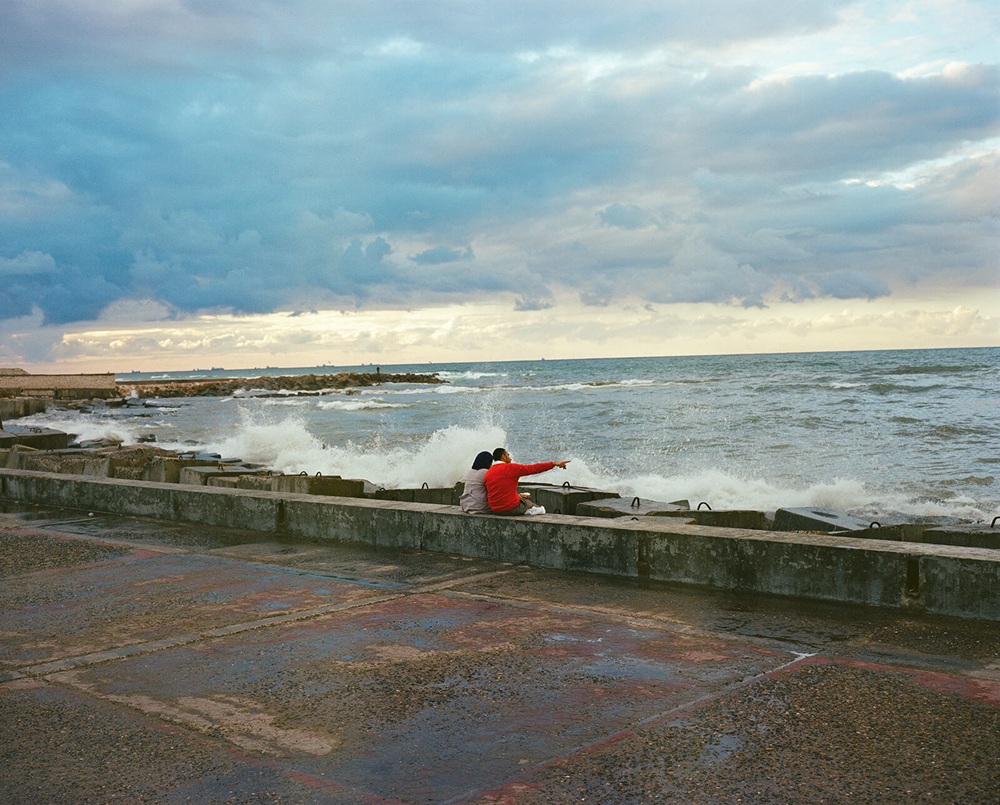
The two projects converge through an exploration of memory, oblivion, and the archive, focusing on personal and collective stories connected to the Mediterranean — a place of welcome, encounter, movement, and the intertwining of traces from three continents, as well as countless stories and cultural layers. Photographs, documents, objects, texts, and audiovisual material serve as traces of a memory that has been fragmented, lost, or remained unseen, yet can be retrieved and given new meaning in the present. Through different artistic approaches, Orfanidou and Salameh reexamine these fragments, creating new connections between the personal and the collective, the past and the present.
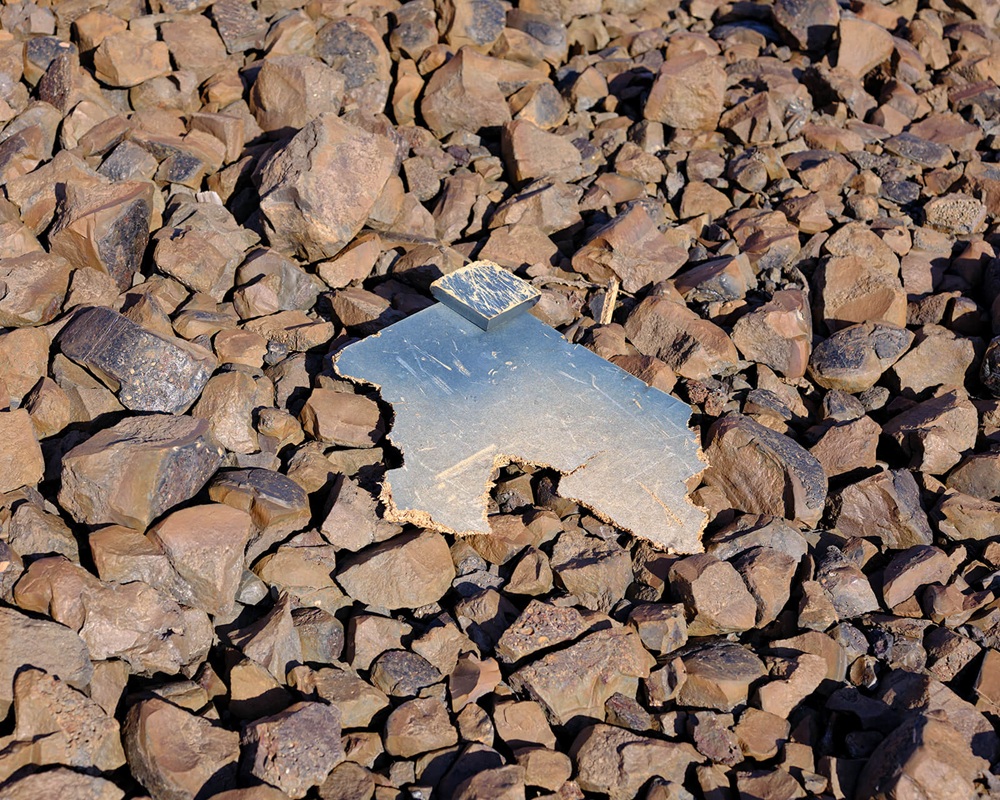
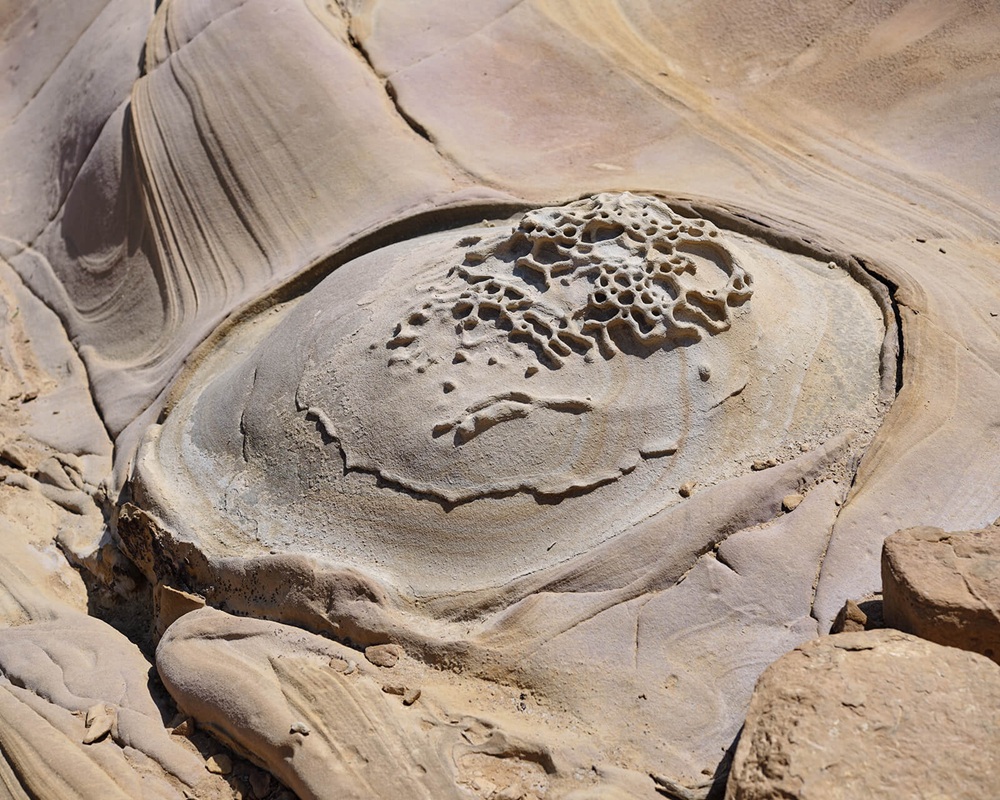
CACHE consists of photographs, videos, and audio works through which Orfanidou explores the formation of memory at the intersection of the real and the imaginary. The photographs, taken in various locations throughout Greece and the Mediterranean, focus on microcosms of nature without specifying the location. Just as a digital “cache” stores data so that it can be retrieved at any time, so too does this work function as a space for storage and retrieval, where imaginary or real memories serve as a catalyst for new interpretations and revelations.
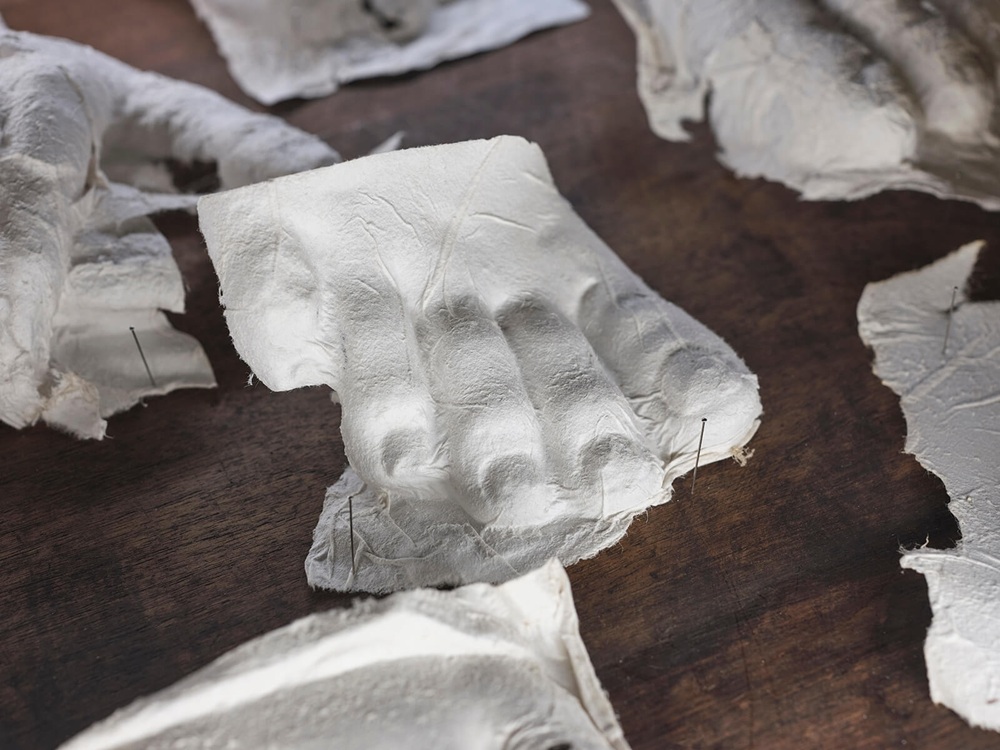
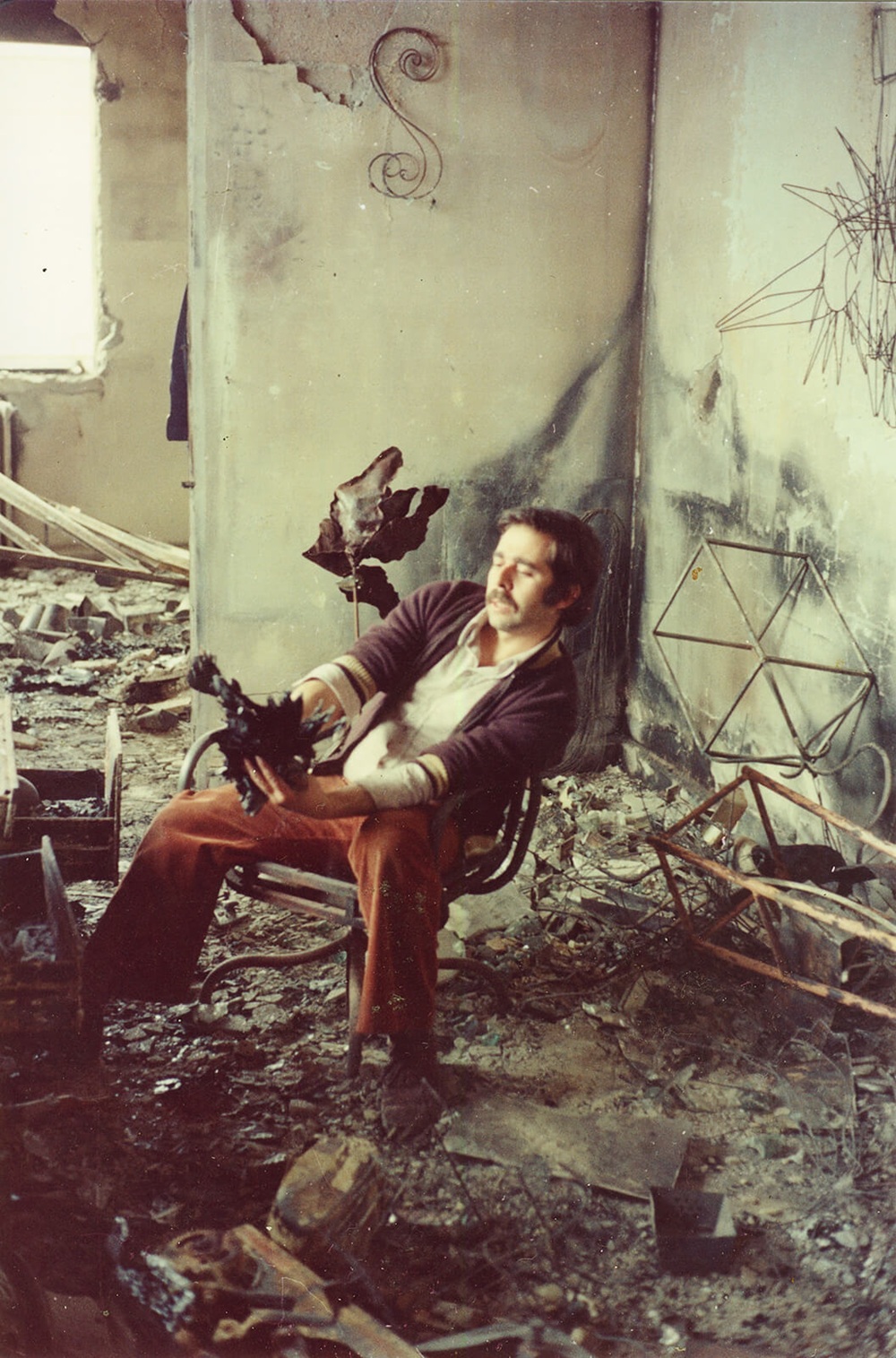
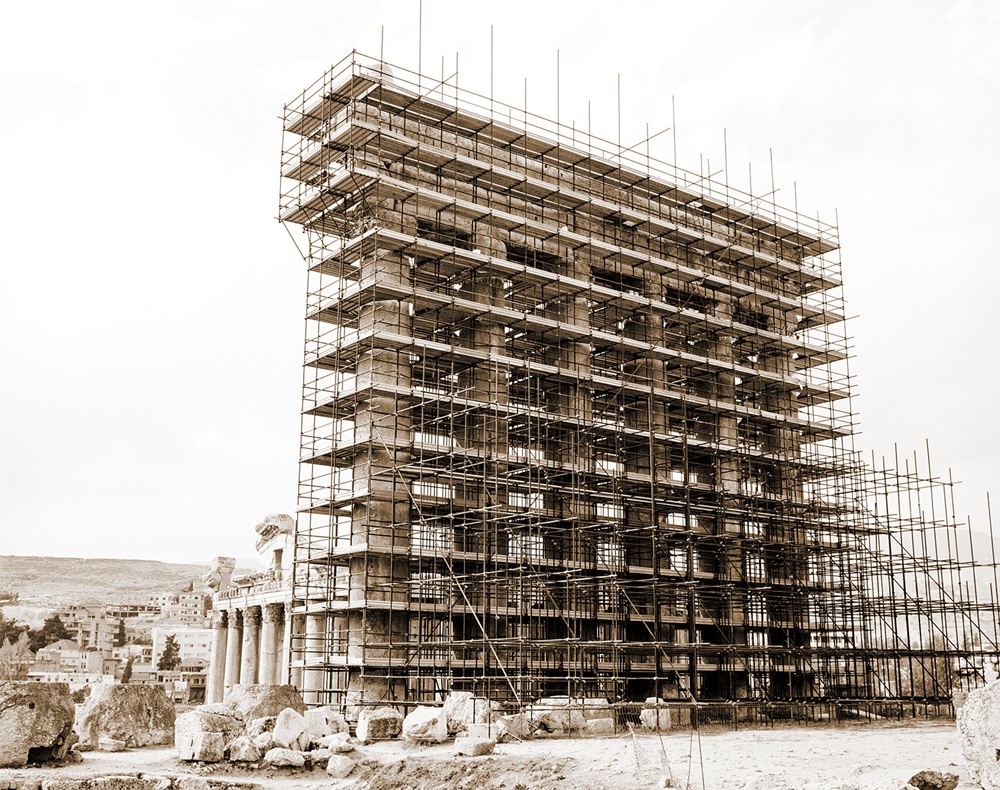
LET US STOP AND WEEP is a participatory, narrative, and multimodal work by Salameh, which has been taking shape since 2000 through experiences of uprooting, migration, and wandering in the Mediterranean. Images, documents, archives, texts, audiovisual material, and objects—whether personal or inherited—come together to form a unique archive of family and collective memory. Inspired by the wanderings of the pre-Islamic Arab poet Imru’l Qais, the work approaches these materials as the “ruins” of an archive in the present.
The title “Sediments” refers to the materials that settle on the seabed, but also to what accumulates over time and in memory: experiences, images, stories, and cultural traces. Whatever has sunk may no longer be visible, but it has not disappeared; it remains as a trace, ready to be brought to the surface. The Monastery of St. Francis, a monument built during the Venetian occupation with multiple historical layers and the former site of the Archaeological Museum of Chania, functions as an integral part of the installation, adding its own materials and layers of memory.
The exhibition is accompanied by parallel events: a performance featuring family stories from the Levant and the Mediterranean titled “LET’S STAND AND MOURN,” educational tours, workshops for children and adults titled “WHAT SANK BECAME SEDIMENT,” and screenings of the films Ippodamia, Maesmak, and Claw Machine by Georges Salameh, titled THE SEDIMENTS OF OBLIVION, in collaboration with the Chania Film Festival.
“SEDIMENTS” is an encounter with materials, stories, and images that have been detached from their original context and have settled over time. Through their reexamination and coexistence, the exhibition explores ways in which the past can resurface—not as a fixed narrative, but as a field of new connections and interpretations.
PROGRAM OF PARALLEL EVENTS WITHIN THE EXHIBITION SPACE
Tuesday, October 27, 2026 / 7:00 p.m.
THE SEDIMENTS OF OBLIVION – screening of the films Ippodamia, Maesmak, and Claw Machine by Georges Salameh, in collaboration with the Chania Film Festival.
Thursday, October 29, and Thursday, November 5, 2026 / 6:30 p.m.
LET’S STAND AND MOURN – a narrative performance by Georges Salameh
A guided tour led by the artists will take place before each performance.


Leave A Comment