The Ministry of Culture continues to implement the comprehensive program for the protection and promotion of Trikala’s cultural heritage, with projects totaling over 16,000,000 euros that form a unified network of monuments and cultural infrastructure. The project to create the Diachronic Archaeological Museum in the TAXYP building, as well as restoration work on ancient, Byzantine, and Ottoman monuments, is in full swing under the supervision of the relevant Ephorate, while a recent addition to the plan is the conservation, restoration, and reinstallation of the Lycurgus Mosaic—a unique work of Roman mosaic art—and its reintegration into the archaeological site of Ancient Trikka.
Protection and Promotion of Timeless Antiquities – The Lycurgus Mosaic in Ancient Trikkι
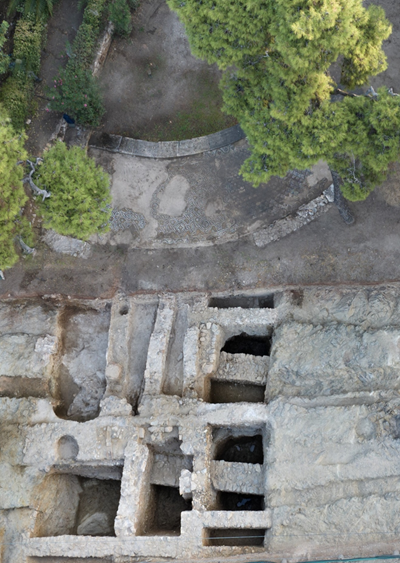
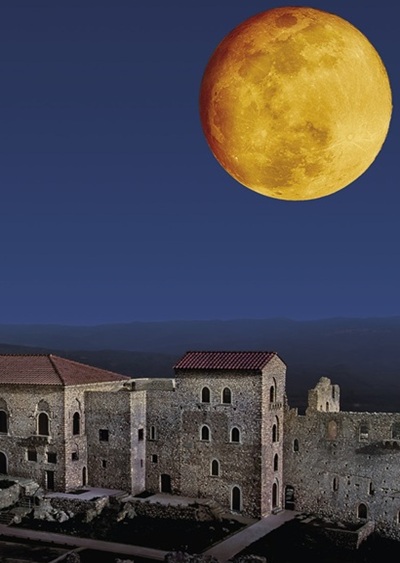
The project, with a budget of 2,400,000 euros, is funded by the Regional Operational Program “Thessaly 2021–2027,” aims to protect and highlight the most significant archaeological sites in the city of Trikala, Ancient Trikkι, and the Byzantine Castle. At the archaeological site of Ancient Trikkι (Asklepieion), restoration and enhancement work is underway on the surviving remains, with the goal of creating a fully accessible archaeological site. At the same time, at the Byzantine Castle, work is underway to restore a section of the western wall that had collapsed and to stabilize the unstable areas of the monument. The Asclepieion of Ancient Trikkι, one of the most important sites of worship and healing in antiquity, is located in the heart of the modern city of Trikala, between Sarafi Street and 25th of March Street. Excavations in the 20th century uncovered sections of a Roman bathhouse, a gymnasium, a Middle Byzantine church, and a building with exquisite mosaic floors depicting scenes from the Dionysian cycle. In 1995, the individual excavation sites were consolidated, forming the current archaeological site.
The project also includes a study on the conservation, restoration, and reinstallation of the famous Lycurgus Mosaic, which once adorned a building in Ancient Trikka. It was discovered in 1958 by Dimitrios Theocharis and dates to the 3rd century AD. Its composition revolves around a central depiction of the myth of Lycurgus, making it one of the most significant examples of Roman mosaic art in Thessaly. The mosaic was removed between 1978 and 1979 for protection and conservation purposes and is currently preserved in separate sections. The study for its restoration and reinstallation was prepared by the Directorate for the Conservation of Ancient and Modern Monuments of the Ministry of Culture.
Trikala Diachronic Museum
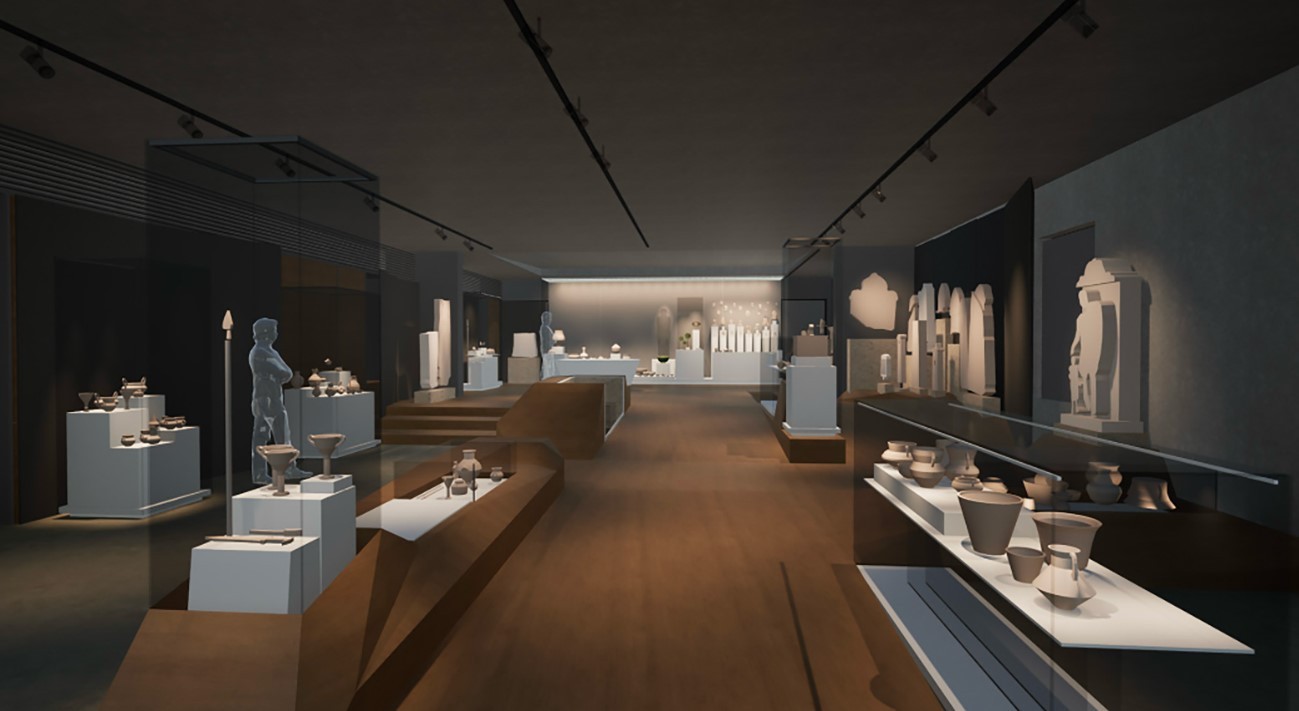
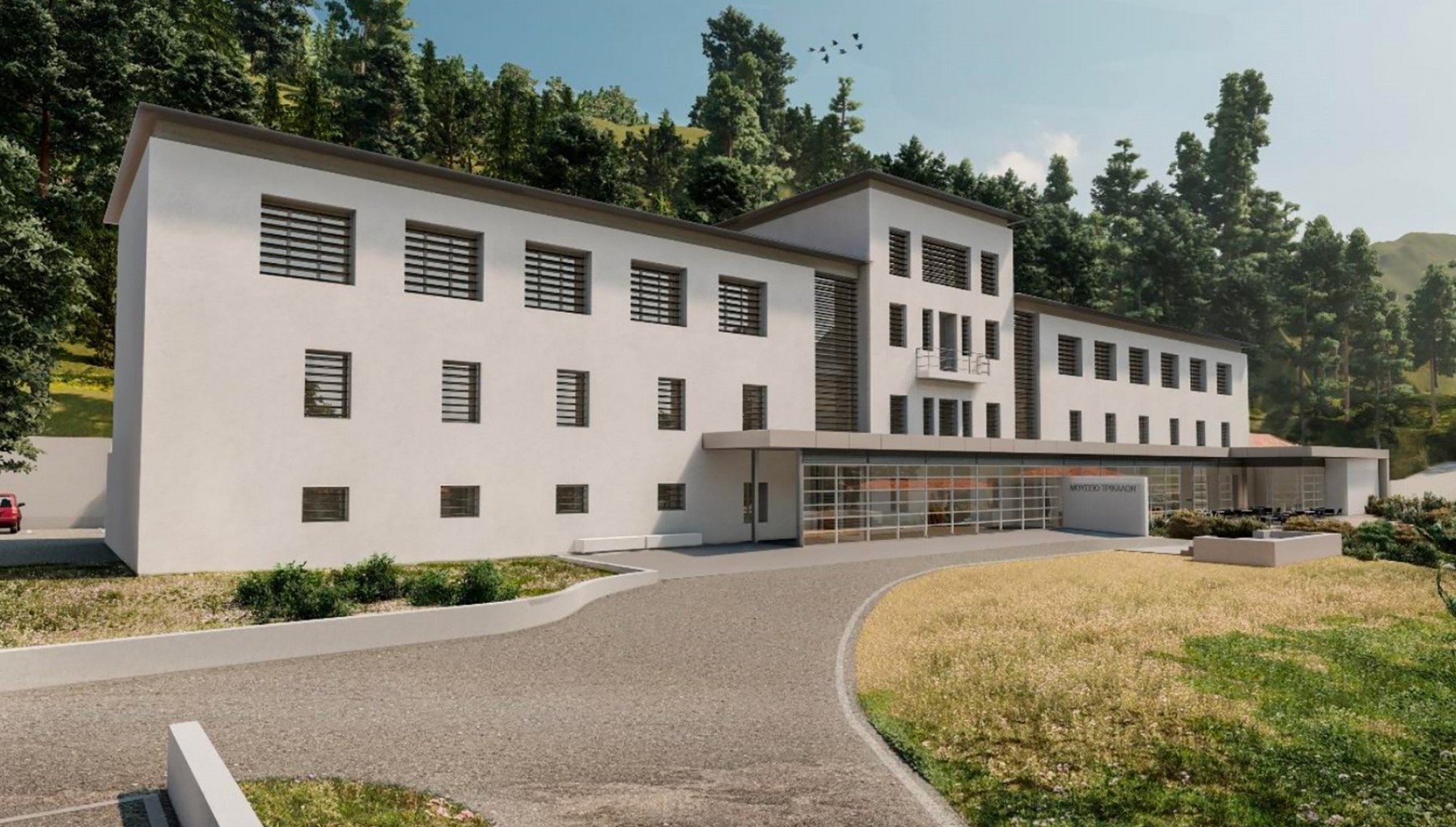
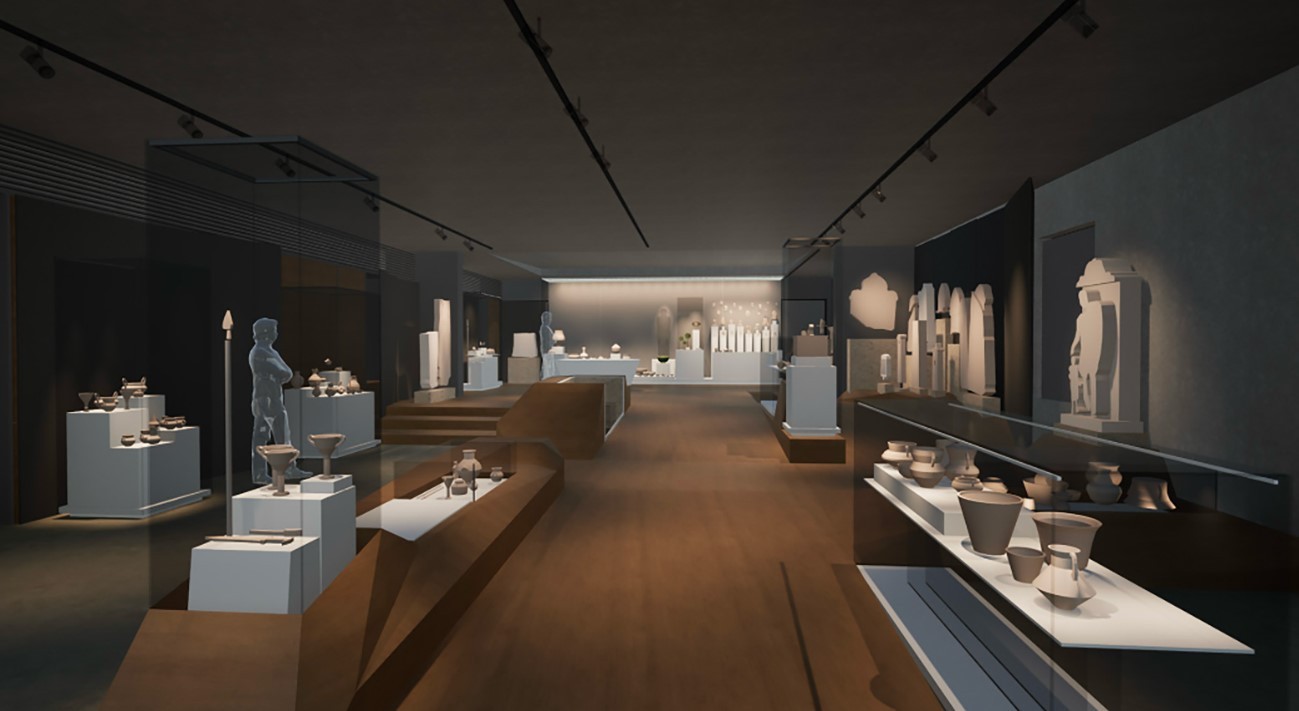
The building of the former Support Brigade (TAXYP) of the Greek Army, at the foot of Prophet Elias Hill, was transferred in 2020 to the Ministry of Culture, with the aim of restoring, modernizing, and converting it into a Diachronic Museum. The project, with a total budget of over 12,000,000 euros, is funded by the Regional Operational Program “Thessaly 2021–2027” and includes both the restoration of the building and the organization and implementation of the permanent exhibition. All of the studies required for its conversion into a museum, with a budget of approximately 500,000 euros, were funded by national resources from the Ministry of Culture.
The project calls for the restoration and modernization of the historic building so that it can function as a contemporary museum, with visitor services, appropriate spaces for the storage and conservation of antiquities, and a permanent exhibition on the first floor. The project is currently in the stage of building restoration work being carried out by the Directorate of Studies and Projects for Museums and Cultural Buildings of the Ministry of Culture; upon completion of the construction work, the Trikala Ephorate of Antiquities will be responsible for creating the permanent exhibition, as well as for equipping the conservation laboratories and storage facilities.
Osman Shah Complex
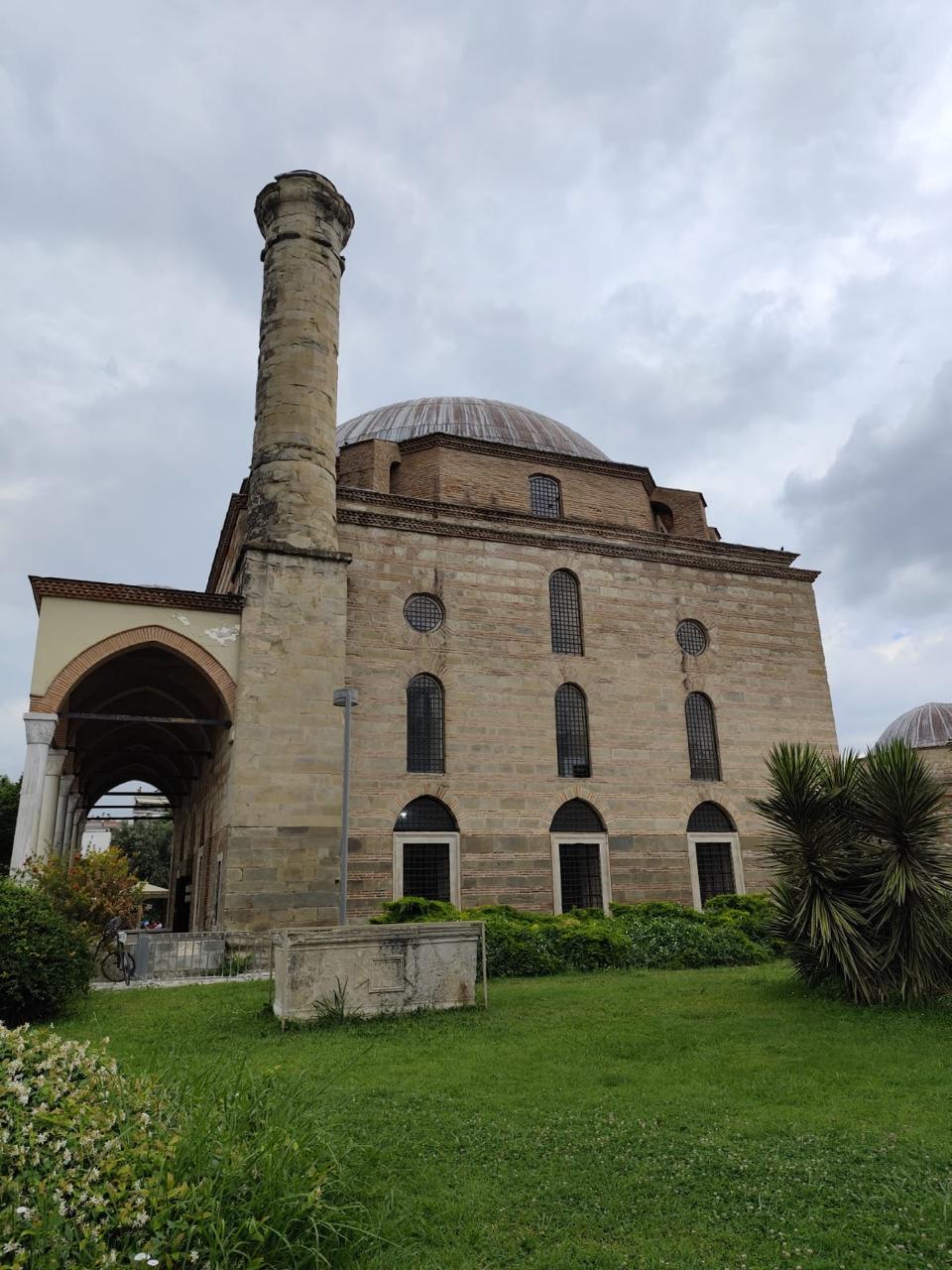
The restoration of the monumental complex comprising the Osman Shah mosque and mausoleum, with a budget of 1,950,000 euros, funded by the Regional Operational Program “Thessaly 2021–2027,” is currently in the preliminary work phase. The project involves the architectural and structural restoration of the mosque and the mausoleum, with the aim of fully protecting and showcasing the monument, which is the only surviving work by the renowned Ottoman architect Sinan in Greece. This includes lead-sheathing the domes of the mosque and the mausoleum, installing accent lighting, creating a permanent exhibition inside the mosque, and completing the electrical and mechanical systems. In previous years, work was carried out on stabilization, conservation, moisture control, and cleaning, while the necessary museological studies were also conducted.


Leave A Comment