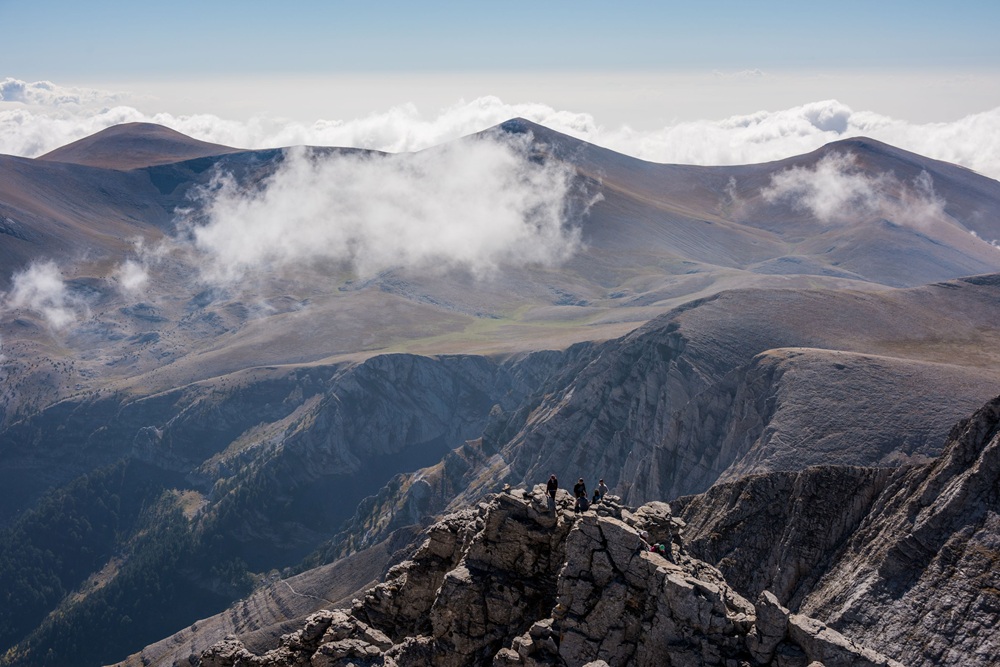
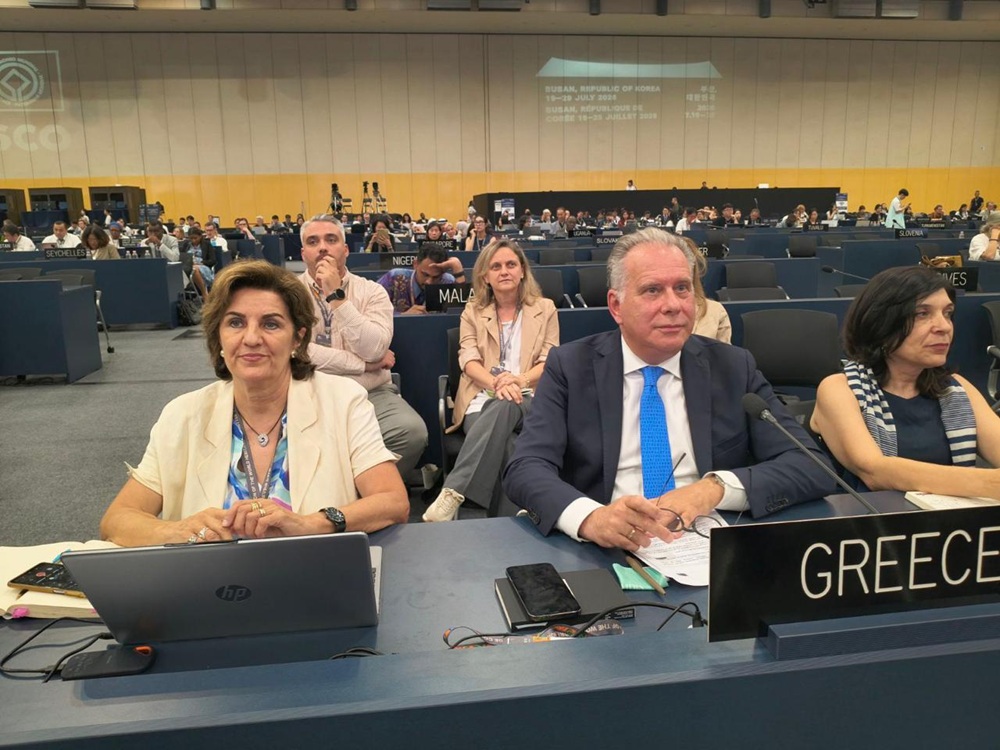
The Ministry of Culture and the Ministry of Environment and Energy expressed joy, pride, and great satisfaction at the unanimous decision by the UNESCO World Heritage Committee to inscribe the “Greater Olympus Region” on the World Heritage List during its 48th session, which has been taking place since July 19 in the city of Busan, South Korea. The inclusion of the mythical mountain on this List is one of the most significant international distinctions in the field of cultural and natural heritage protection, as it recognizes the Outstanding Universal Value of Mount Olympus, placing it among the world’s most iconic monuments, which require special protection and care for the benefit of humanity.
The successful inscription of Mount Olympus on the UNESCO World Heritage List as a Mixed Property is the result of close and fruitful cooperation between the Ministry of Culture and the Ministry of Environment and Energy for the protection and promotion the country’s cultural and natural heritage. The nomination dossier was prepared by the Organization for the Natural Environment and Climate Change (O.F.Y.P.E. K.A.), which is overseen by the Ministry of Environment and Energy and the Directorate of Prehistoric and Classical Antiquities of the Ministry of Culture, drawing on the expertise of both agencies in the fields of natural and cultural heritage. The successful outcome of the nomination highlights the potential of cross-sectoral collaboration, which, combined with the contributions of the relevant agencies and their expertise, the scientific community, and local government, the involved organizations, and other stakeholders, led to the compilation of a highly complex application dossier that successfully met the high standards of the World Heritage Convention.
This inscription is particularly significant, as Mount Olympus has been included in the List as a mixed property—one of the most demanding categories, for which inclusion requires simultaneous documentation of both its cultural and natural values. Mixed inscriptions account for a relatively small percentage of all inscriptions on the World Heritage List; this was the only one submitted for consideration at the current session of the Committee. Greece—along with its earlier inscriptions of Meteora and Mount Athos—now has three mixed properties on the List, bringing its total to 21 inscriptions, a fact that makes this achievement particularly significant for the country, strengthening its international presence within the framework of the Convention.
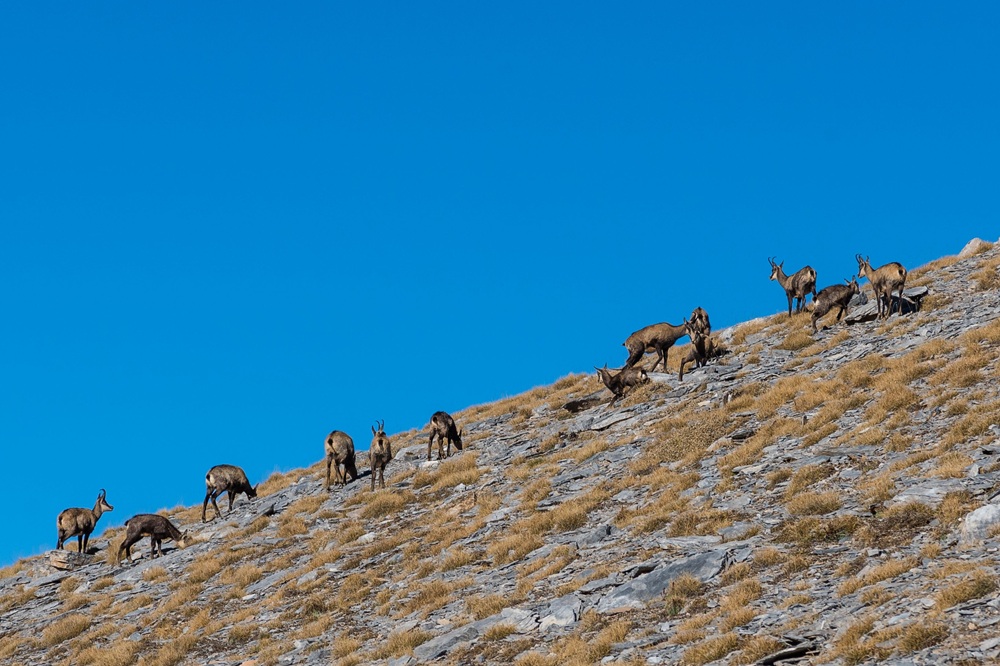
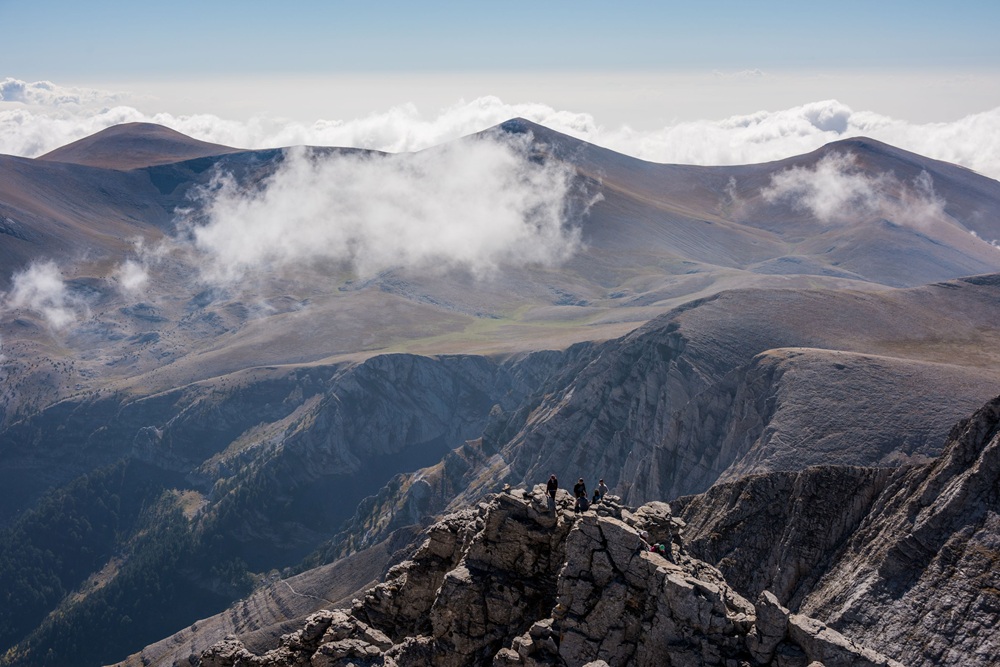
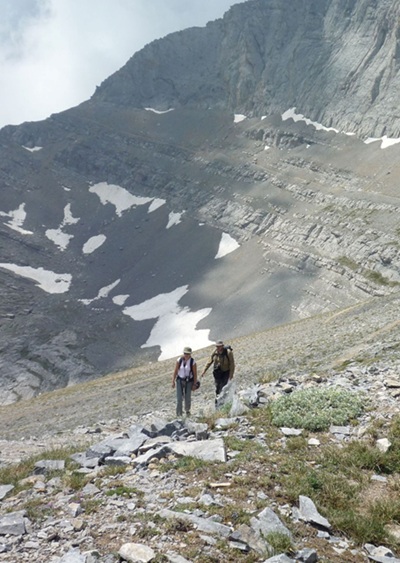
At the same time, this inscription recognizes the unique natural value of Mount Olympus as a site of exceptional importance for biodiversity. With an elevation of 2,918 m, it features—due to its proximity to the shores of the Aegean Sea—a wide range of elevations and a rugged topography, topographic isolation, and a historical role as a glacial refuge, hosting 1,983 taxa—that is, over 25% of Greece’s flora. This floral richness and the exceptionally high concentration of stenendemic species (species found only on Mount Olympus, anywhere in the world) confer global significance upon it, making it an “ark” of biodiversity. At the same time, it is home to a rich fauna, including numerous species of birds and mammals—such as the brown bear and Greece’s largest subpopulation of wild goats—as well as reptiles, amphibians, and invertebrates.
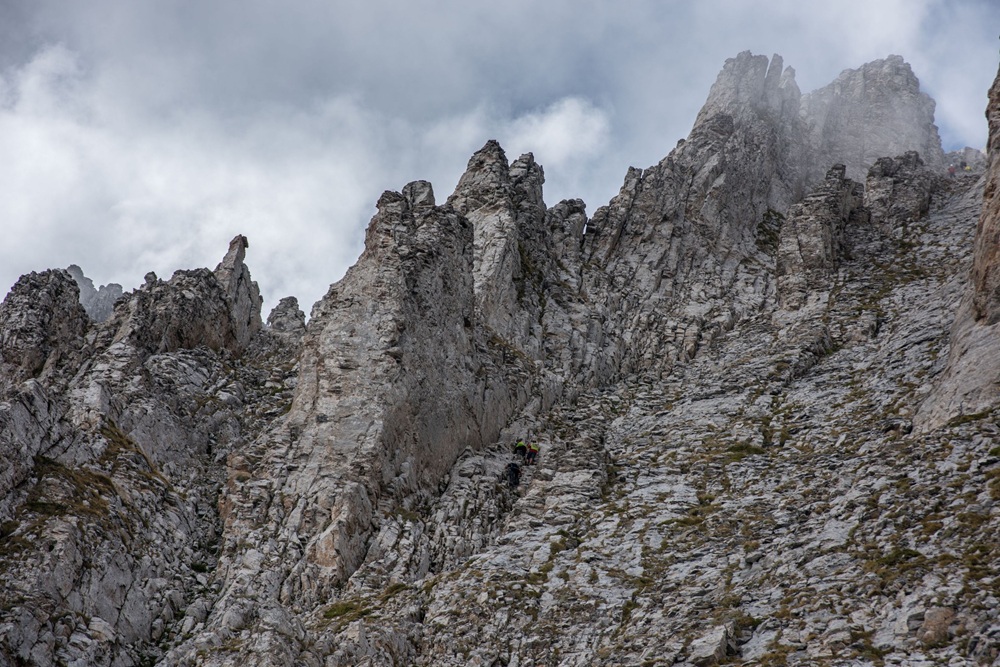
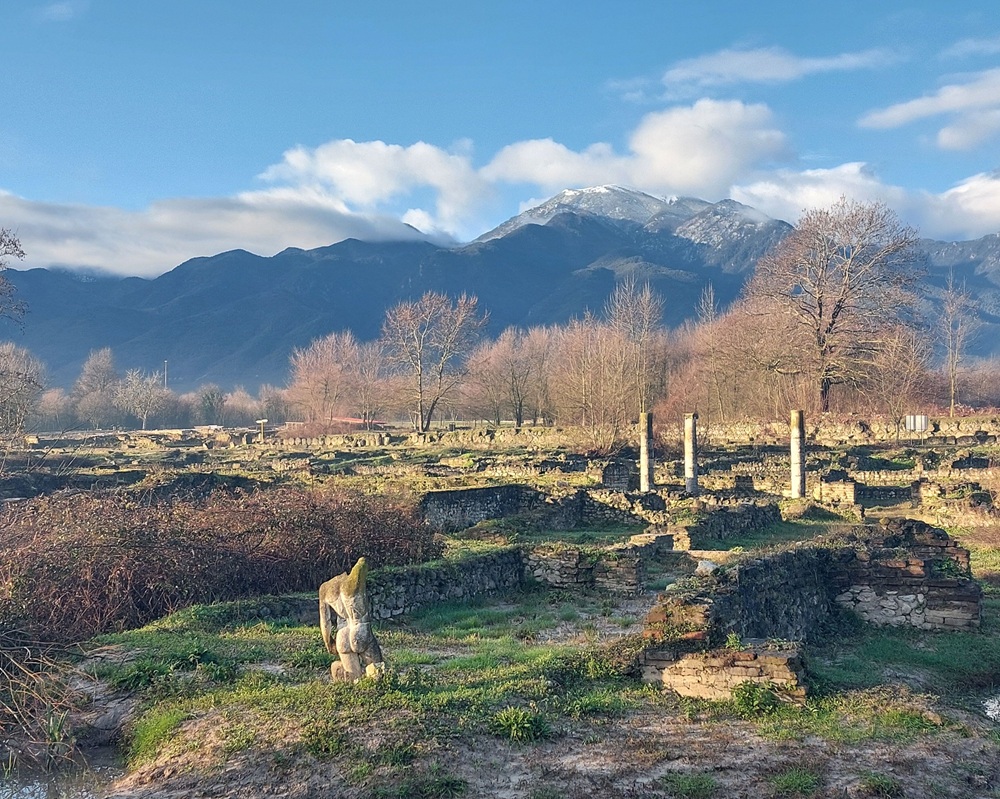
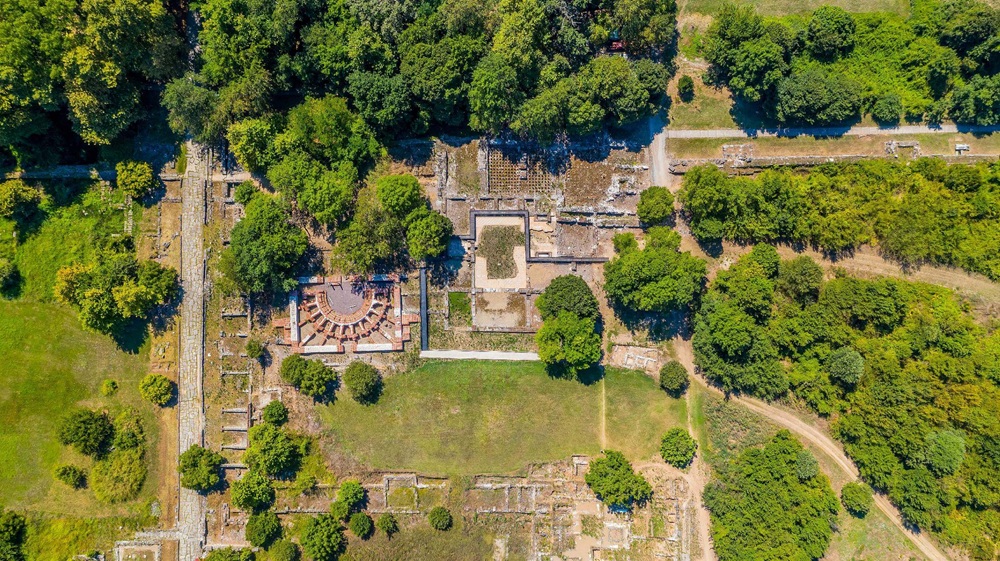
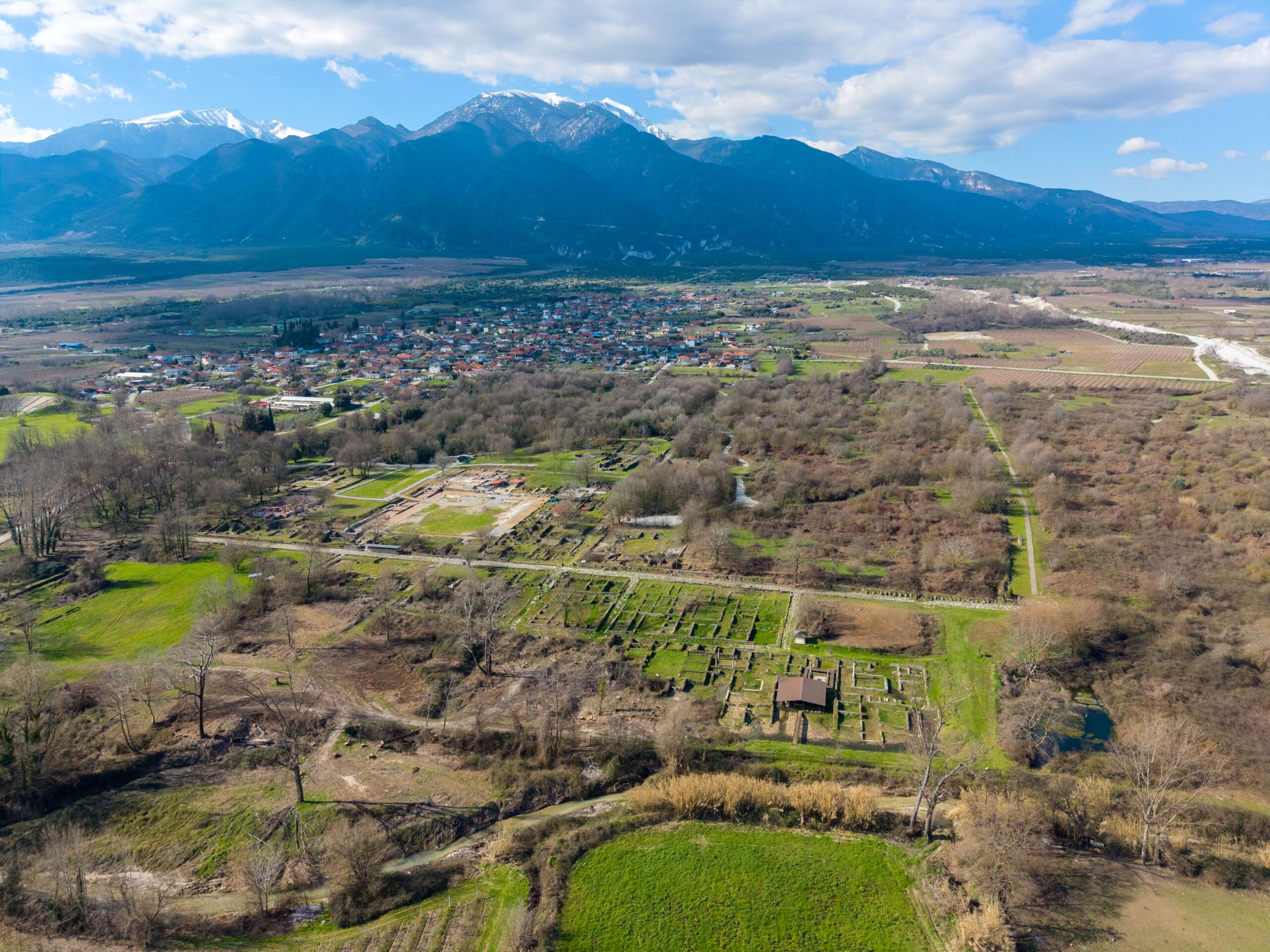
Mount Olympus, the highest mountain in Greece, a timeless symbol of Greek civilization and world cultural heritage, and the mythical abode of the Twelve Olympian Gods, occupies a central place in the worldview of the ancient Greeks. Its influence, through the Homeric Epics, Hesiod’s *Theogony*, and later literature, extended beyond the boundaries of the ancient world. It continues to inspire literature, the arts, philosophy, the sciences, and contemporary global cultural creation to this day. The archaeological site of Dion, at the foot of the mountain, constitutes the most significant physical expression of the worship of the Olympian gods, organically complementing its exceptional cultural and natural landscape.





Leave A Comment