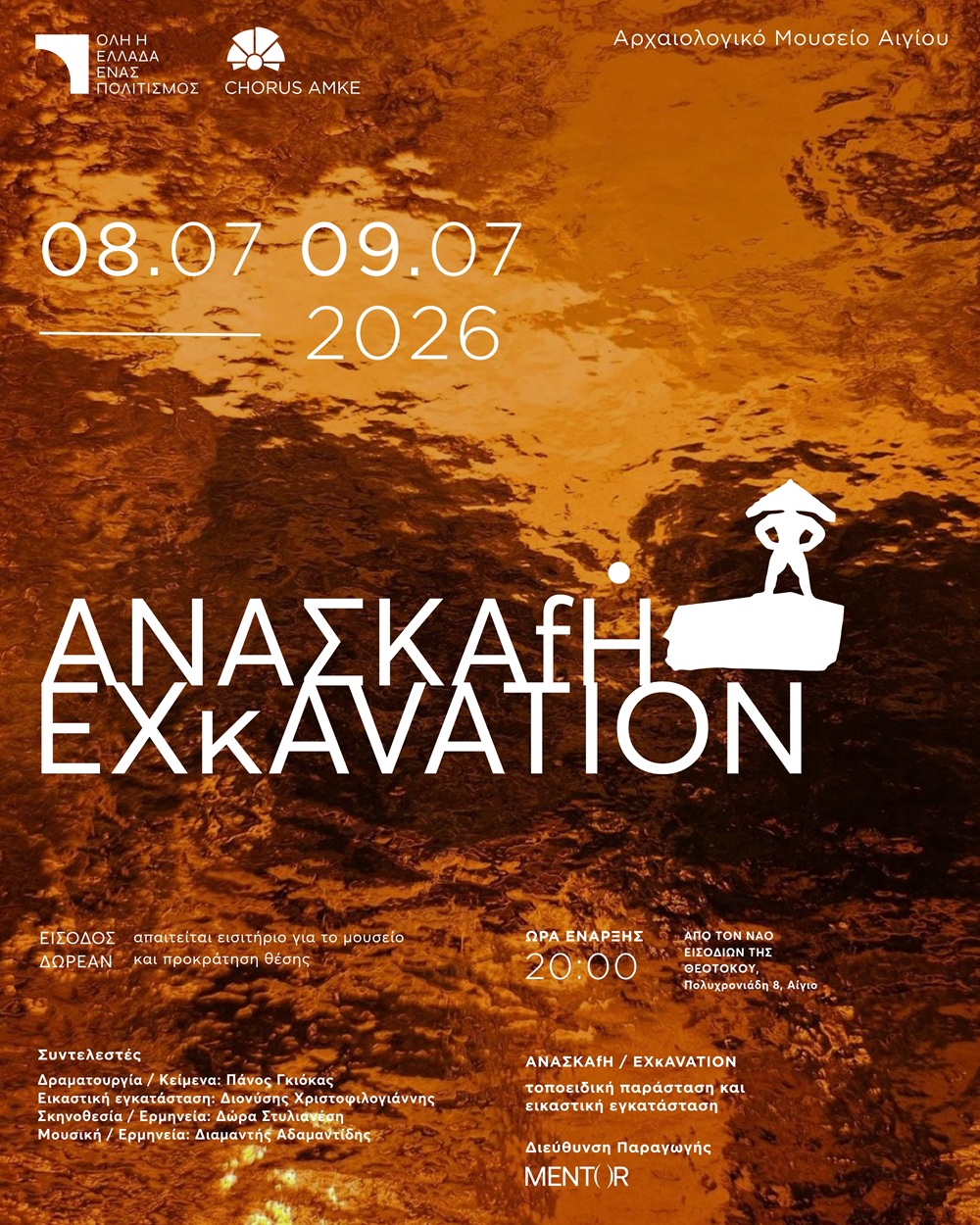
On July 8 and 9, 2026, EXCAVATION will be presented at the Archaeological Museum of Aigio as part of the Ministry of Culture’s initiative “All of Greece, One Culture 2026.”
CHORUS, a non-profit organization, presents the original visual art installation and site-specific performance EXCAVATION , a project that connects contemporary performance art, visual art installations, archaeological research, memory, and community, transforming the city of Aigio and the Archaeological Museum into a living space of transition, exploration, and discovery.
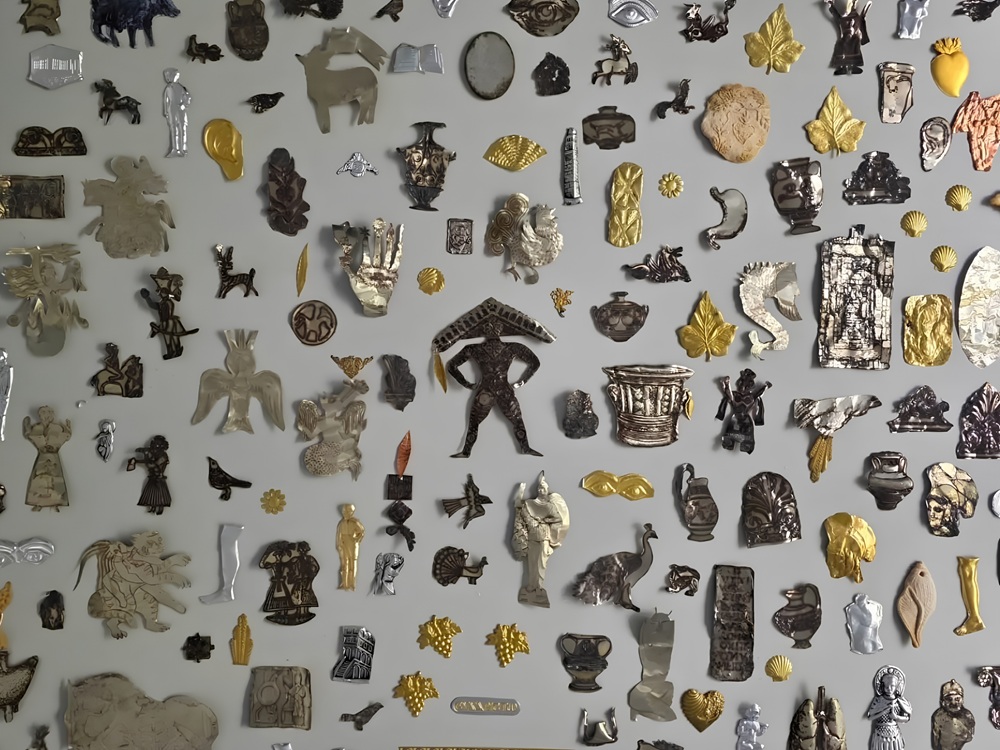
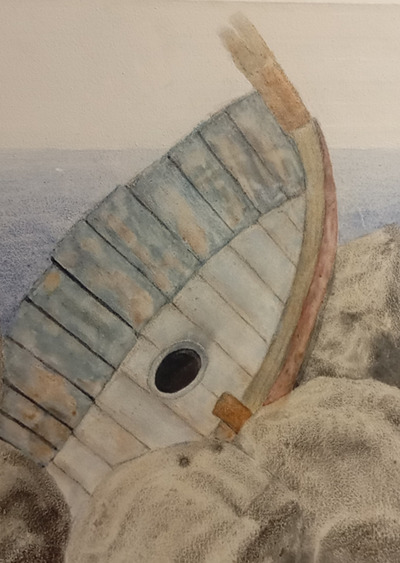
At the heart of the project is an in situ visual art installation that engages in direct dialogue with the archaeological site, the traces of the past, and the dramaturgy of the performance, created by the internationally renowned artist Dionysis Christofilogiannis. The installation functions as a visual and symbolic field of excavation: a space where matter, memory, and human presence converge.
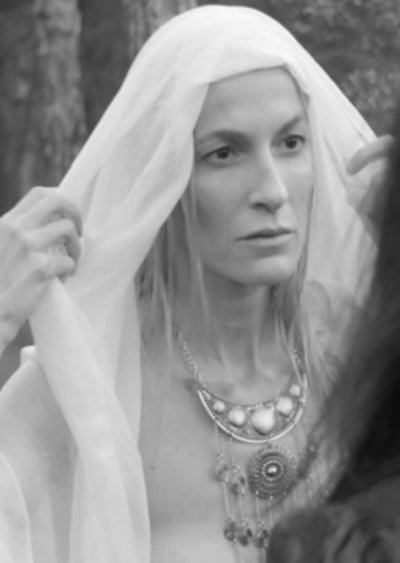
In dialogue with the visual installation, Dora Stylianesi takes on the roles of director and performer, guiding the transition between the city, the body, the museum, and memory. Her performative presence enlivens the space and leads the audience into an experience where speech, movement, and silence coexist with archaeological traces.
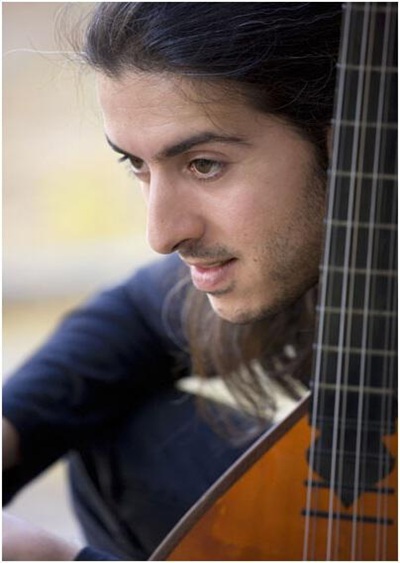
Conceived, directed, and written by Panos Gkiokas, with music by Diamantis Adamantidis and featuring the Aigio Philharmonic “Euterpe,” EXCAVATION presents a contemporary visual and theatrical experience inspired by the visible and invisible layers of the landscape.
The project’s route begins at the Church of the Presentation of the Virgin Mary, the historic Ziller Building, and proceeds ceremonially toward the Archaeological Museum of Aigio. This route serves as a transition from the city’s public space to the realm of archaeological memory; from the surface to the depths, from everyday movement to a ceremonial experience.
The participation of volunteer archaeologists from the Nikoleika excavation plays a special role in the project, as they become an integral part of the performance. Their presence strengthens the project’s connection to archaeological practice, local research, and the people working to preserve the memory of Aigio. Through this participation, EXCAVATION does not merely speak about archaeology, but engages in a dialogue with the living process of archaeology itself.
The performance does not view excavation merely as an archaeological act, but as a profoundly human and collective process: as an encounter with the layers of time, the silences, the traces, the absences, and the memories that remain buried yet continue to shape the present.
EXCAVATION transforms the museum not into a static storage space, but into a living organism. As a place where the past is not merely exhibited, but returns, permeates the present, and encounters the bodies, voices, and memories of people today.
EXCAVATION offers a topological experience that bridges the city, the museum, and the deeper layers of memory. It is an invitation to the public to move, listen, observe, and re-examine the past—not as something closed and complete, but as living material that continues to shape us.


Leave A Comment